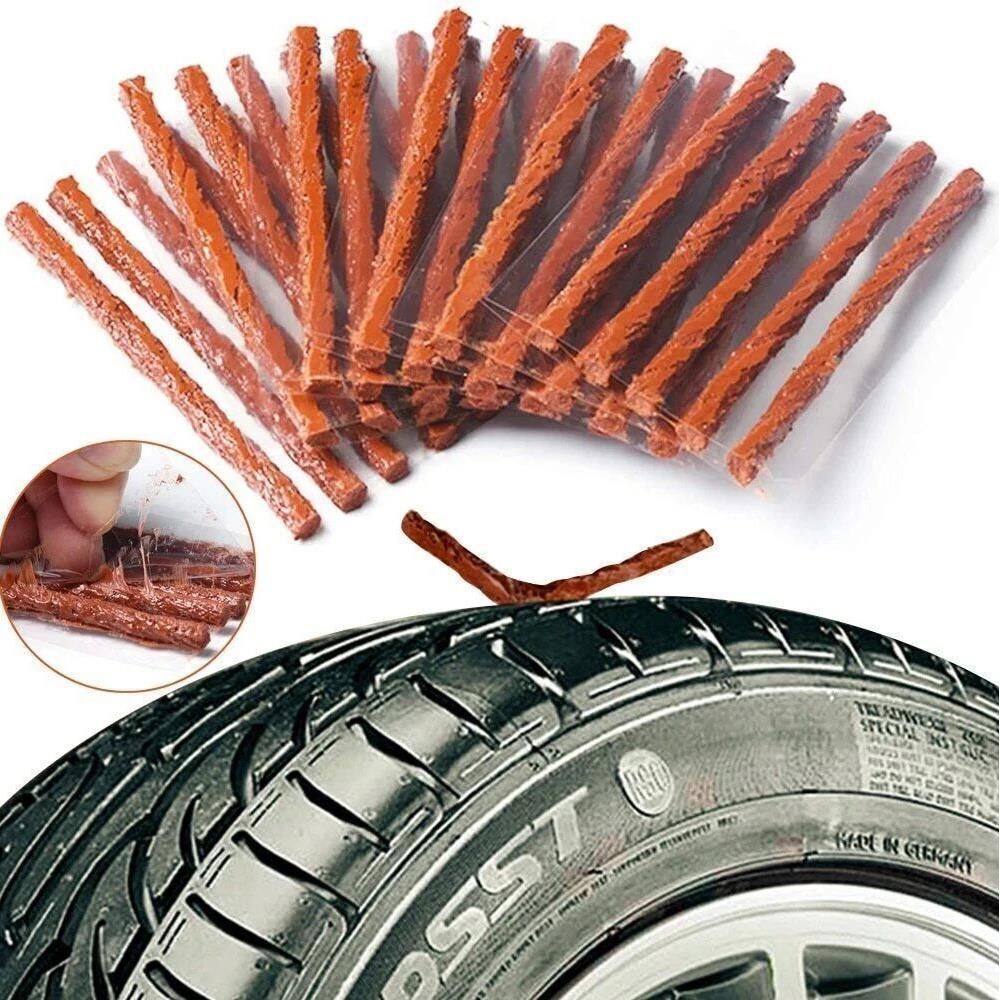

Self-adhesive tire plugs are self-curing. Chemically cured tire patches are used to bond with tire materials through a chemical reaction. Understanding the principle of vulcanization is important as it helps you determine the durability of your tire repair. Self-adhesive tire plugs are often compared to other tire repair solutions to determine which provides the best seal and lasting protection.
Key Takeaways
- Self-adhesive tire plugs are self-curing. This means they bond to the tire rubber without heating. This makes tire repair quicker and easier.
- Proper use of self-adhesive tire plugs is crucial. You need to use the appropriate lubricant. Ensure the plug adheres tightly, which helps prevent leaks.
- Self-adhesive tire plugs can quickly repair small holes, but they are not permanent. For safety, you should always have your tires inspected by a professional.
- Self-adhesive tire plugs are suitable for quickly repairing small holes. SUNSOUL tire patches are another option. Self-adhesive tire plugs are suitable for quick repairs, while patches are more durable.
Self-vulcanizing meaning
Self-curing refers to the ability of certain tire repair materials to bond and harden on their own without external heating. The chemicals initiate the vulcanization process at warmth or room temperature. This makes tire repair faster and easier.The vulcanization process that occurs when rubber is activated by chemical agents at room temperature or above, without external heating.
Vulcanizing process in tire repair
Tire repair workers follow these steps to ensure a strong seal. Vulcanization helps patches or plugs adhere firmly to the tire rubber. Here are the main steps:
- Thoroughly clean the area around the hole.
- Apply vulcanizing adhesive to a smooth tire surface. Wait one minute until it is no longer sticky.
- After the hole dries, apply vulcanizing adhesive inside the hole.
- Finally, apply bead sealant around the patch.
Each step prepares the tire for repair. Vulcanizing adhesive is crucial for bonding the patch to the tire.
Vulcanizing Chemical bonding explained
Vulcanization utilizes a chemical reaction inside the tire. Chemicals mix with the latex and adhere to the latex particles. These chemicals penetrate the protein-phospholipid layer and begin to bond the rubber chains together. This forms layers of varying thicknesses. The rubber becomes stronger.
| Process Step | Description |
|---|---|
| Dissolution | The vulcanizing agent dissolves in the aqueous phase of the latex. |
| Adsorption | The vulcanizing agent adsorbs onto the surface of the latex particles. |
| Penetration | The vulcanizing agent penetrates into the protein-phospholipid layer. |
| Crosslinking | Initiates a crosslinking reaction between rubber molecular chains. |
| Gradient Structure | A gradient crosslinked structure with different densities is formed. |
| Strength Improvement | The strength and toughness of the rubber particles are enhanced. |
Tip: Self-curing tire repair adhesive uses chemical changes to form a strong seal. Therefore, many people choose it for quick and safe tire repair.
Vulcanizing Slime plugs mechanism

How slime plugs seal punctures
Tire repair adhesive seals perforations by filling them with a sticky rubber material. The adhesive adheres tightly to the damaged area. When the adhesive is pushed into the tire, the rubber expands and compresses the perforation walls. This pressure helps form a seal, preventing air leakage.
Many tire repair experts say the success of tire sealant depends on its adhesion and insertion method. Using a suitable lubricant, such as Plug Bond, makes it easier to push the sealant into the tire cords. If the wrong lubricant is used or this step is skipped, the sealant may not seal properly. The sealant relies on tire pressure to maintain a strong seal.
- Tire repair trainers have noted that tires repaired correctly with self-sealing sealant can have a lifespan comparable to regular tires.
- Some repair shop owners have found that repaired tires develop problems, especially if the vehicle was driven with the tire before the repair.
- One user shared that he repaired four tires with self-sealing sealant over seven years, one of which traveled 40,000 miles (approximately 64,000 kilometers) after repair.
Self-sealing sealant is best suited for small punctures in the tire tread. If the damage occurs in the tire shoulder or sidewall, the tire should be replaced. Tire sealant is a temporary repair method, so a professional inspection is always recommended after repair.
Self-vulcanizing action
Self-sealing sealant is designed for self-curing. This means they use chemicals to bond with the tire rubber without the need for additional heating. When the patch is inserted into the tire, the chemicals react with the rubber. This reaction can begin at room temperature or when the tire heats up during driving. The patch material forms a strong bond with the tire, resulting in a more secure seal.
The internal pressure of the tire helps the patch stay in place. The heat generated during driving accelerates the vulcanization process. The patch fuses with the tire, helping to prevent leaks. However, the sealant in the patch may interfere with the tire pressure monitoring system(TPMS).
- Due to its chemical composition, self-sealing sealant may damage tire pressure monitoring system (TPMS) sensors over time.
- Valve-mounted self-sealing sealant kits can reduce the risk of sensor damage.
Tire plugs require regular inspection. They are not a permanent solution. Experts recommend using a combination of patches and plugs for a more robust repair. Always have a follow-up professional inspection to ensure tire safety.
Note: Self-sealing sealant can quickly repair tire leaks. They use pressure and chemical bonding to seal holes. Proper use and subsequent maintenance help ensure the reliability of the repair.
Tire plug Vulcanizing comparison

Slime plugs vs. SUNSOUL Tire Patch
Many drivers wonder which tire plug is right for them. Both self-sealing sealant and SUNSOUL tire patches can repair tire leaks, but they work on different principles. Self-sealing sealant uses a self-curing process to quickly seal small holes. SUNSOUL tire patches use a vulcanizing adhesive that adheres firmly to the tire rubber. This adhesive helps the patch adhere firmly and extends its lifespan.
The following table lists the main differences between these two tire repair patches:
| Feature | SUNSOUL Tire Patch | Slime Plugs |
|---|---|---|
| Repair Type | Durable, permanent fixes | Quick plugs |
| Adhesion | Strong adhesion with vulcanizing gum | Varies |
| Patch Shape | Round shape prevents peeling | N/A |
| Ease of Use | Simple application, no glue drying time | N/A |
| Warranty | 18-month warranty | N/A |
| Certifications | TUV, ISO9001:2015, CE | N/A |
| After-sales Support | Excellent support and technical help | N/A |
| Value | Good value for the price | N/A |
If you need to get back on the road quickly, self-sealing patches are ideal for quick repairs. SUNSOUL tire patches provide a stronger repair and undergo more rigorous quality testing.
Effectiveness and durability
The effectiveness of tire repair depends on the type of repair you need. Self-sealing patches are ideal for quick, short-term repairs. They are easy to use and readily available in stores. People like them because no special tools are required. However, self-sealing tire sealants may not be as durable as other options.
SUNSOUL tire sealants are known for their toughness and good adhesion. The vulcanizing adhesive allows the sealant to adhere firmly to the tire, even after long periods of driving. Many people say this tire sealant works in a variety of harsh conditions and is suitable for a variety of vehicles, such as cars, trucks, and motorcycles.
Here are the advantages and disadvantages of various tire sealants:
| Pros of Slime Sealant | Cons of Slime Sealant |
|---|---|
| Quick Rescue: Allows you to continue driving even without a spare tire. | Temporary Solution: Not a permanent tire repair. |
| Easy to Use: Simpler than changing a tire. | Potentially Clogs Tire Pressure Monitoring System (TPMS) Sensors: May require cleaning/replacing the sensors. |
| Widely Available: Found in most auto parts stores. | More Troublesome for Mechanics: Tire shops dislike cleaning sealant. |
| Compact Size: Takes up less space than a full-size spare tire. | Limited to tread punctures: Cannot repair sidewall damage. |
| Advantages of SUNSOUL Tire Patch | Disadvantages |
|---|---|
| High durability and abrasion resistance | Potential higher costs for advanced models |
| Versatile for common puncture sizes | Need for precise surface cleaning for optimal results |
| Easy to install yourself without specialized equipment | N/A |
If you only need tire repair for short trips, self-sealing tire sealant is a good option. If you want longer tire life, SUNSOUL tire sealant is a better choice. Each sealant works best in different situations and for different vehicles.
Tip: Always check the sealant repair after driving a few miles. Having a professional check it helps ensure safety.
Self-adhesive plugs repair tire leaks using a self-curing process. This chemical bonding makes the plugs durable. SUNSOUL tire repair uses a vulcanized adhesive for a strong, permanent, and non-detachable repair. Drivers who need quick repairs typically choose self-adhesive plugs, while those who need a more secure repair choose SUNSOUL tire repair. Experts say self-curing tire plugs are suitable for trucks and everyday vehicles; they are durable and very strong.
People like both products because they are easy to use. Many say the repair looks good after drying and can last for years. For best results, users should follow all steps and check the tire after driving. Choosing the right tire repair plug depends on how long you want the repair to last and the type of vehicle you drive.
FAQ
What’s the difference between a tire patch and a tire plug?
A tire patch covers the inside of the tire, sealing the puncture from the inside. A tire plug, on the other hand, fills the puncture from the outside. Many tire repair kits include both tire patches and plugs for a more robust repair.
Can a tire plug be a permanent solution?
A tire plug can quickly seal small holes. However, experts recommend using a tire patch for a more lasting repair. Tire repair kits typically include both tire patches and plugs for optimal results.
How do tire patches improve tire safety?
A tire patch adheres to the inner surface of the tire. This adhesion prevents leaks and maintains the tire’s strength. Many drivers trust tire patches, considering them a safe and reliable method of tire repair.
Why do some tire repair kits include both tire patches and plugs?
Tire repair kits that include both tire patches and plugs provide double protection. The plug plugs the puncture, while the patch seals the inside. This method helps extend the tire’s lifespan.
Can tire plugs or patches repair all tire damage?
For small punctures in the tire tread, tire plugs or patches are most effective. Larger holes or sidewall damage require replacement of the tire. Always read the tire repair kit instructions before starting any repair.
Tip: Always inspect the tire after using tire plugs or patches. Regular inspections help prevent future problems.
| Repair Method | Best Use | Included in Tire Repair Kit |
|---|---|---|
| Plug | Small punctures | Yes |
| Patch | Inner sealing | Yes |