
Many drivers struggle with the question of whether tire covers or tire plugs are safer and more durable. Tire covers effectively reinforce larger cuts or sidewall damage. Tire plugs wear differently than tire treads, which can lead to problems like overheating or bursting. Water can seep into tire plugs, causing rust or tread separation. Generally, using tire plugs and patches together provides a more reliable repair. Choosing the right repair method ensures driving safety.
Key Takeaways
- Tire bootsare best suited for repairing larger cuts and sidewall damage, providing greater support than tire plugs. Tire plugs are suitable for small holes in the tire tread, but their lifespan may not be as long as tire covers. Using tire plugs and patches together provides a stronger and safer repair. Severe damage should be handled by professionals to ensure a secure tire seal. Investing in suitable tire covers and other repair products can prevent larger problems later.
Tire Boots Overview
What Are Tire Boots?
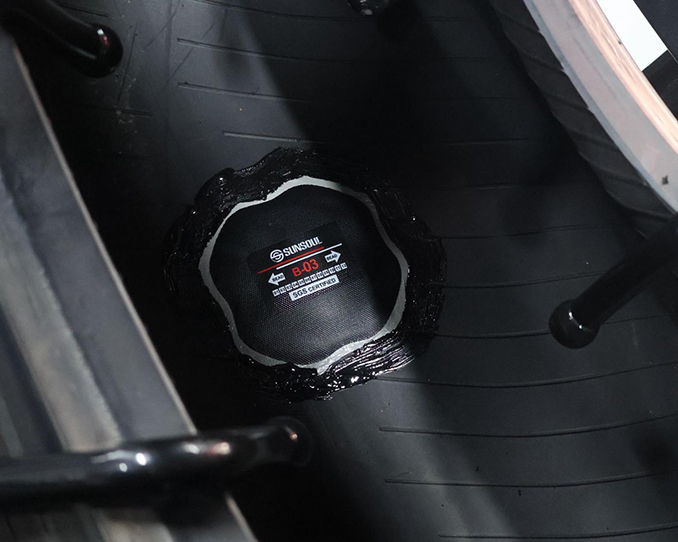
A tire patch is a tool specifically designed to repair damaged tires. It can cover cuts, cracks, or weak points inside the tire. Tire patches are needed when tires are severely damaged and cannot be repaired with ordinary plugs. These patches come in various shapes and sizes. Some tire patches are made of strong and durable materials that can withstand harsh road conditions.
The materials used in tire patches affect their performance. The table below lists common materials and their best uses:
| Material | Key Properties | Best Use Cases |
|---|---|---|
| Neoprene | Resists oil, water, and UV rays; stays flexible in cold; handles heat well. | Premium tire boots for muddy or oily roads. |
| Polyester Fabric (PU/Silicone Coated) | Light, tough, resists tearing; waterproof and blocks UV rays. | Seasonal tire covers for travel trailers. |
| Cotton Duck Fabric (Wax-Coated) | Heavy-duty, strong, and water-resistant. | Long-term outdoor tire storage. |
| Tyvek® (High-Density Polyethylene) | Light, tear-resistant, blocks water and UV; lets vapor escape. | Long-term storage for sensitive tires. |
How Tire Boots Work
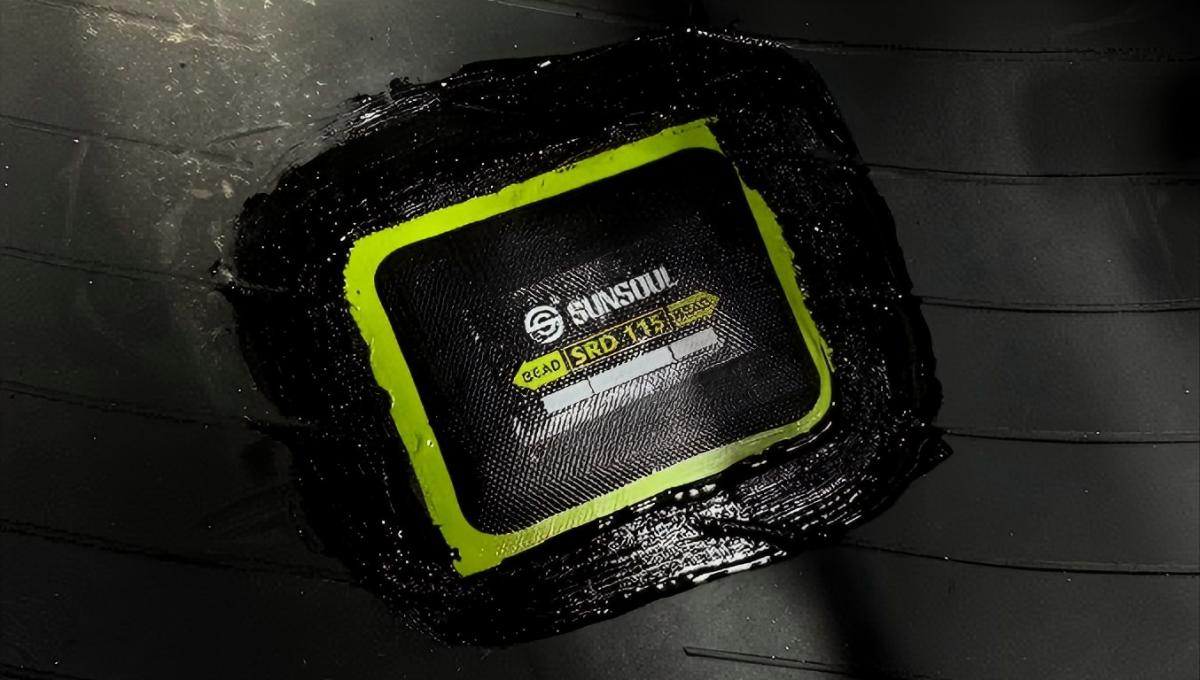
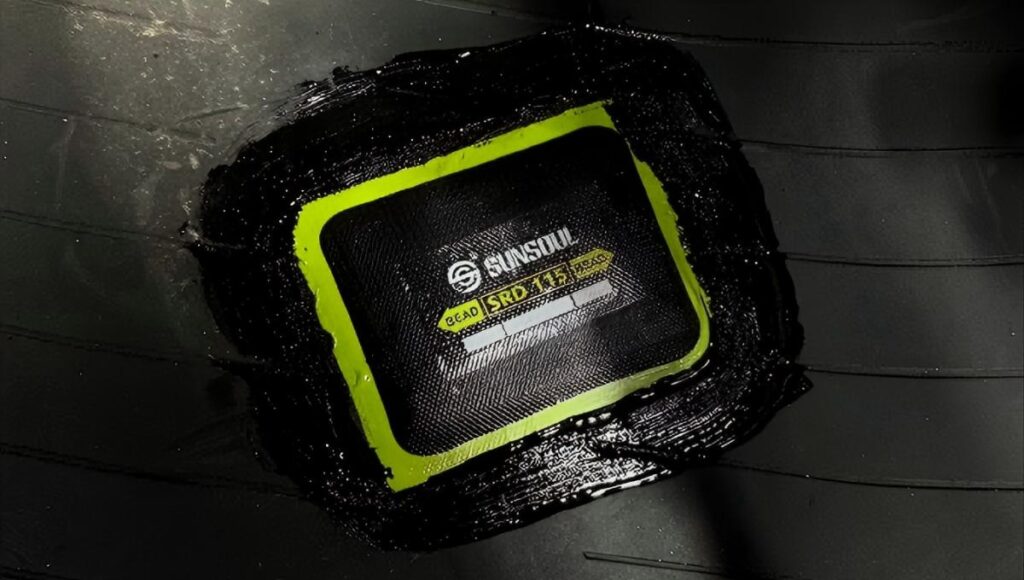
Tire patches act like a protective shield inside the tire. They cover the damaged area to prevent air leakage. The patch adheres to the inside of the tire. This helps the tire maintain its shape and strength. After a tire patch is installed, the pressure generated during driving is distributed over a larger area. This prolongs the effectiveness of the repair and ensures tire safety.
When to Use Tire Boots
Tire patches are used to repair various tire damage. They are best suited for larger cuts, sidewall damage, or tires that have experienced repeated leaks. The following table lists common problems and their corresponding tire repair boot types:
| Type of Damage | Recommended Boot Type |
|---|---|
| Minor punctures or small gashes | Standard tire boot |
| Larger cuts or multiple punctures | Heavy-duty or reinforced tire boot |
| Sidewall bulges or deep lacerations | Heavy-duty or reinforced tire boot |
| Visible puncture or cut > ¼ inch | Heavy-duty or reinforced tire boot |
| Structural weakness (bulging) | Heavy-duty or reinforced tire boot |
| Repeated air loss | Internal reinforcement needed |
| Sidewall or shoulder damage | Tire boot recommended over plug |
| Load-bearing concerns | Heavy-duty or reinforced tire boot |
Tip: Tire repair boots are best suited for larger or more severe tire damage. They help ensure safe driving on the road.
Tire Boots vs. Tire Plugs
Effectiveness Comparison
Both tire plugs and repair patches can help repair damaged tires, but they are suitable for different situations. Tire plugs are used to seal small holes in the tire tread; they can be inserted into the puncture to stop air leakage. Tire plugs are used to cover larger cuts or weak points inside the tire, reinforcing the damaged area and helping the tire maintain its shape.
Many drivers ask which is better, a tire plug or a patch. Tire plugs are suitable for smaller, clean punctures. Tire plugs are suitable for larger problems, such as sidewall damage or longer cuts. When comparing tire plugs and patches, experts generally recommend using a patch or repair patch in cases of severe tire damage. This method can strengthen the tire and extend its lifespan.
Note: If the hole is too large or close to the sidewall, a tire plug may not be able to stop the leak. In this case, a tire plug provides better support.
Safety and Durability
Safety is paramount when repairing a tire. Tire plugs can quickly seal small holes, but their lifespan may not be as long as a patch or repair patch. Over time, tire plugs may wear down or leak water, leading to rust or tread separation. Tire boots offer greater coverage and adhere to the inside of the tire, distributing pressure and helping to prevent future problems.
A comparison of plugs and patches shows that patches and boots are generally more durable than plugs alone. Tire boots can withstand greater pressure and protect the tire for longer. Owners seeking the most durable repair solution often choose a combination of boots or plugs and patches.
Ease of Use
Many people want to complete tire repairs quickly and easily. Tire plugs are quicker to install, with most owners completing the process in 5 to 10 minutes. Tire boots or patches, however, require more time and patience. The average installation time for a patch is 20 to 30 minutes.
The following table briefly lists the average time required for each repair method:
Tire plugs are suitable for roadside emergency repairs. Tire reinforcement requires more tools and skills. Many car owners hire professionals to install reinforcements or patches.
Cost Factors
Cost influences the tire repair methods people choose. Tire plugs are generally cheaper because they use less material and are quicker to install. Tire covers or patches are more expensive because they require specialized materials and more labor. Comparing the repair results of tire plugs and patches, even at a higher price, patches and covers are better at handling severe tire damage.
Some car owners will first use tire plugs for a quick repair and then use covers or patches for a long-term fix. This method saves money and ensures driving safety.
Tip: Spending a little more on a strong repair can prevent bigger problems later.
Tire Plugs & Boots Limitations and Risks
Tire Boot Limitations
Tire covers can provide strong support for many types of tire damage. However, they cannot solve all problems. Tire covers cannot fully restore the strength of a tire after severe sidewall damage. The sidewall is more flexible than the tread, so repairs in this area may not be durable enough. Car owners should know that tire covers are best suited for repairing larger cuts on the tread or inner liner. If the tire sidewall has a deep cut or bulge, replacing the tire remains the safest option. Tire patch installation also requires careful installation to ensure a proper seal.
Tire Plug Limitations
Tire patch installations can quickly repair small punctures, but their use is very limited. Patches are only suitable for punctures in the central tread area and cannot repair sidewall damage or cuts near the shoulder. The following table lists the main limitations of tire patch installations:
| Puncture Size Limit | Repair Area Limit |
|---|---|
| Up to ¼ inch (6mm) | Center tread area only |
| Damage within 1–1.5 inches of shoulder/sidewall | Cannot be repaired |
If a puncture is too large or too close to the sidewall, a plug will not hold. Using a plug in these cases can lead to air leaks or sudden tire failure.
Risks of Improper Repair
Improper installation of tire patch or patch inserts can pose serious risks. The American Tire Manufacturers Association warns that tire plugs should not be used as a permanent repair solution. If plugs or inserts are not installed correctly, the tire may blow out without warning. The more severe the sidewall damage, the higher the risk, because the sidewall strength is insufficient to support the repair. Multiple repair points too close together can also weaken the tire. Drivers should avoid using plugs or bushings to repair sidewall damage. If in doubt, replace the tire as a safety precaution.
Tip: Always check the location and size of the damage before choosing a repair method. Safety comes first on the road.
Tire Boots Patch Solutions
SUNSOUL Tire Patch Features
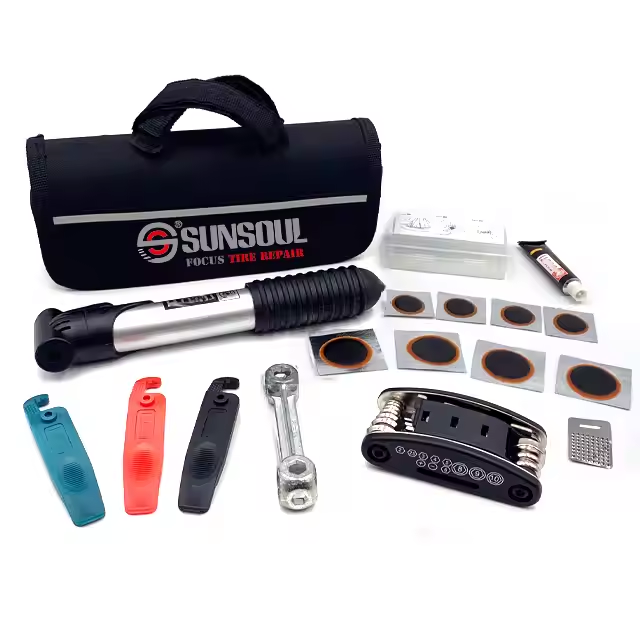
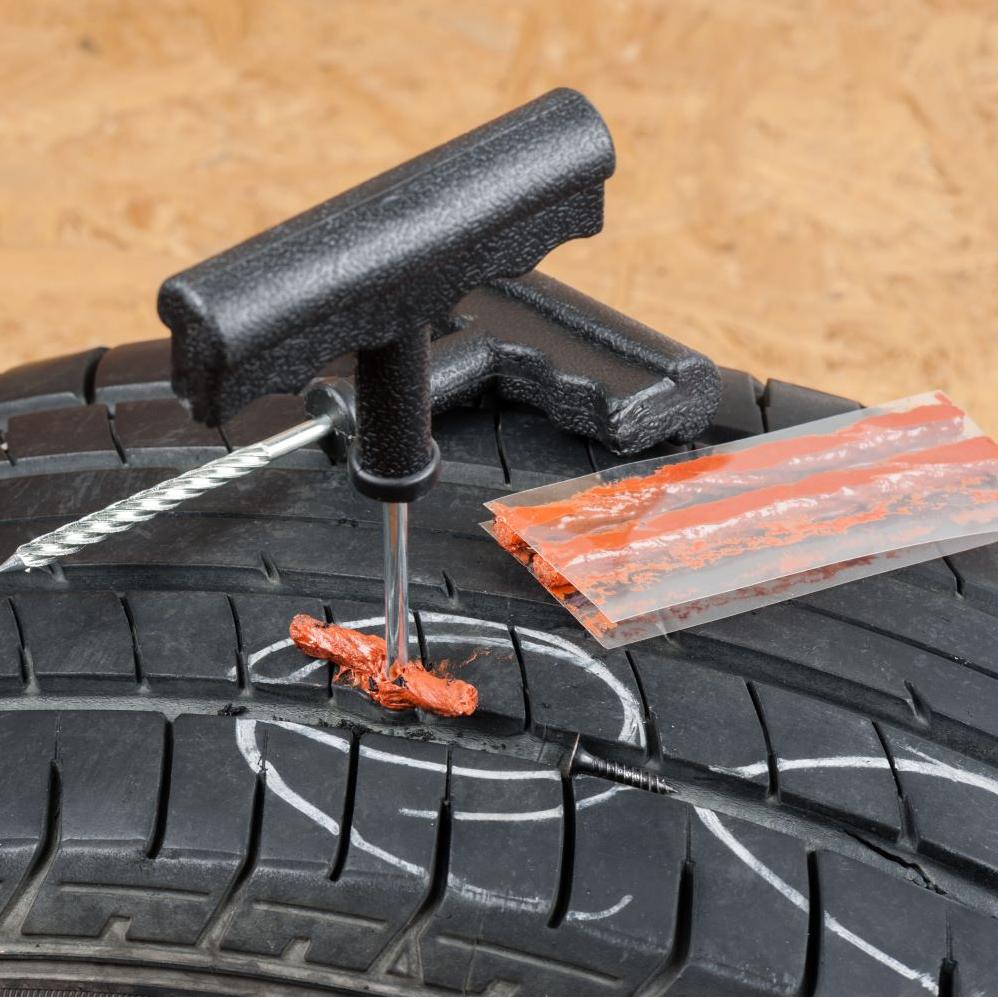
SUNSOUL is a top brand of tire patch kits. Many people trust SUNSOUL to repair tires on bicycles, cars, trucks, and agricultural machinery. The company produces over two million tire patches every month and sells its products in more than 60 countries. This means drivers around the world use SUNSOUL for safe tire repairs.
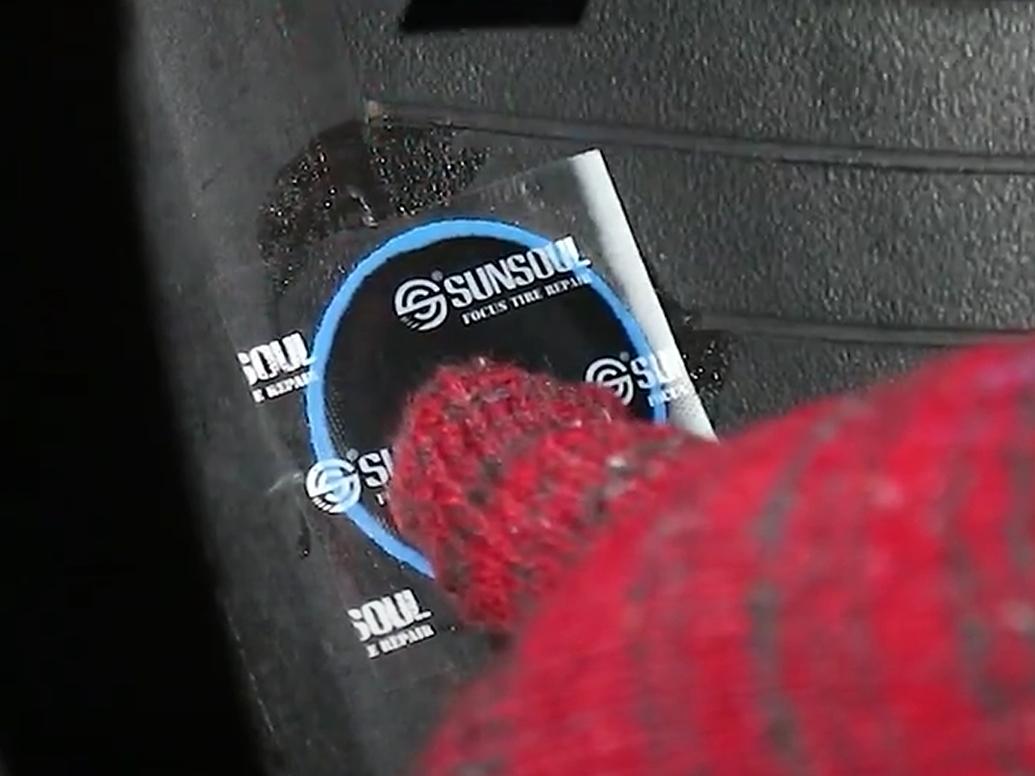
SUNSOUL tire patch kits are made of durable materials and are designed for long-lasting durability. Laboratory and road tests show that these patches remain strong under pressure. The kit contains thick, highly adhesive patches that adhere firmly to the tire. Each patch is round, preventing it from falling off, and this shape also makes repair easier. SUNSOUL also provides a powerful tool to help you install the patch, ensuring a tight fit every time.
| Feature | Description |
|---|---|
| Strong Adhesion | Creates a powerful, leak-proof bond with the tire. |
| Durable Material | Patch thickness resists wear and tear from the road. |
| Easy Application | Round shape prevents peeling and simplifies the repair process. |
Note: Many car owners choose SUNSOUL tire repair patches because of their superior quality and excellent repair results.
Choosing the Right Patch
Choosing the right tire repair patch depends on the extent of the tire damage. The patch must match the size of the puncture, tire type, and location of the damage. For punctures in the tire tread no larger than 6 mm in diameter, a standard patch is sufficient. Sidewall punctures cannot be repaired with a patch. Furthermore, the patch must be able to withstand high temperatures and bending without cracking.
| Criteria | Details |
|---|---|
| Puncture Size and Location | Holes up to 6mm in the tread area can be repaired; sidewall punctures cannot be patched. |
| Heat and Flex Resistance | Patches must withstand temperatures over 80°C without degrading; flexibility is crucial. |
| Tube vs. Tubeless Tires | Tube-type tires allow for simpler external patching; tubeless tires require internal patching. |
| Bias-Ply vs. Radial Tires | Different patching methods are needed for bias-ply and radial tires due to their construction. |
| Installation Method | Proper installation involves surface preparation and vulcanization for lasting repairs. |
A high-quality tire repair kit offers many advantages. It is durable and suitable for various tire types. The patch is designed for a tight fit, helping to extend tire life and save time.
Tip: For best repair results and to ensure driving safety, always use a reliable repair kit such as SUNSOUL.
Tire Boots Practical Advice
DIY vs. Professional Repair
Many people attempt to repair their tires at home. For small punctures in the tread, DIY repairs might be feasible. People often use tire patch or sealant to quickly patch tires. However, if the damage is large or close to the sidewall, DIY repairs may not be sustainable. Only professional tire mechanics have the skills to inspect tires and choose the best repair solution. Professional tire repair is better suited to addressing serious tire damage. Experts use specialized tools and know how to spot hidden problems. They will only put the tire back on the road after ensuring it is safe to do so.
One study showed that DIY repairs can solve small punctures, but are not necessarily effective for larger problems. After a DIY repair, the tire should be inspected by a professional. This step ensures driver safety and helps extend tire life.
The table below lists when you should choose professional tire repair:
| Situation | Why Seek a Professional? |
|---|---|
| Damage on the sidewall or large punctures | These can weaken the tire and need expert attention. |
| Repeated or failed DIY repairs | Professionals can find and fix hidden issues. |
| Unsure about the repair process | Experts know the best way to fix a flat tire safely. |
Tips for Safe Repairs
Safe tire repair begins with careful steps. Always remove the tire from the rim and inspect it for hidden damage. Only repair tires with punctures smaller than 1/4 inch (approximately 6 mm) in the tire tread. Never overlap a previously repaired area. If the damage is on the sidewall, the tire should be replaced.
Common mistakes in DIY tire repair include:
- Rushing and ignoring small punctures.
- Not removing foreign objects that could cause the leak.
- Overinflating after repair.
A good repair method is to use both a plug and a patch. This method fills the puncture and seals the interior. Never attempt to repair the sidewall or shoulder of a tire. These areas are too fragile to be safely repaired.
Tip: Always check the tire after repair. If the tire loses air again, ask a professional for help.
Safe tire repair keeps drivers and passengers safe. Following these steps helps prevent blowouts and costly accidents.
Choosing the right tire repair depends on the damage. The table below shows the best method for each situation:
| Damage Location | Use a Plug? | Use a Patch Kit? |
|---|---|---|
| Tread puncture | ✔ Yes | ✖ Not necessary |
| Sidewall cut | ✖ No | ✔ Yes |
| Shoulder tear | ✖ No | ✔ Yes |
Tire manufacturers recommend using a combination of tire repair strips and a tire repair kit for long-term maintenance. High-quality tire repair tools like SUNSOUL help keep tires safe and strong. These tools provide excellent seals, are tear-resistant, and last as long as the tire itself. Drivers should always choose reliable products for the best results.