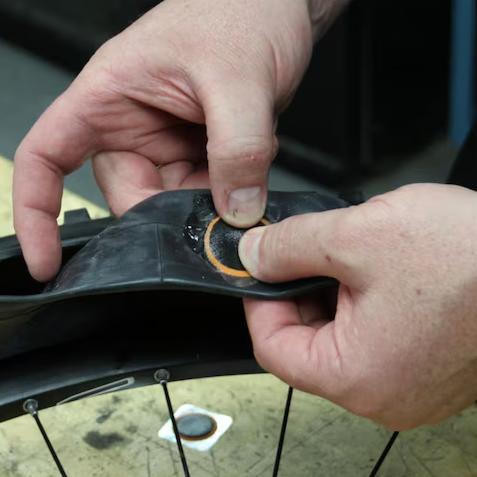


You will likely face a punctured tire at some point. Drivers in the U.S. experience about 220 million flat tires each year. An improper repair can be dangerous; studies show 88% of repairs on used tires are done incorrectly. A quality tire patch offers a permanent, safe fix. This professional repair restores your tire’s structure after a puncture. It is not a temporary quick fix. A proper patch gives you an airtight seal. Using a dependable auto tire patch from a trusted brand like SUNSOUL ensures your tire performs safely, saving you from buying a new tire.
Why a High-Quality Tire Patch is the Safest Solution

A proper tire repair is about more than just stopping a leak; it is a critical safety procedure. When you choose a high-quality tire patch, you are choosing the most secure method for your vehicle. This approach protects your investment and ensures your well-being on the road. A professional repair gives you confidence that your tire can handle the demands of driving.
The Science of an Internal Seal
Your tubeless tire holds air because of an airtight inner liner. A puncture breaks this essential seal. A quality tire patch restores this seal from the inside. A technician applies the patch to the inner liner, where it chemically bonds with the rubber through a process called vulcanization. This creates a permanent, seamless barrier against air loss. An improper seal can allow air to leak slowly, which hurts your fuel efficiency and can lead to bigger problems.
Pro Tip: A technician must remove the tire from the rim for a full inspection. This is the only way to properly assess the damage and apply an internal patch that guarantees an airtight seal.
This internal repair is far superior to temporary fixes. It ensures the tire holds air pressure correctly. A stable tire pressure is fundamental for safe driving and optimal performance.
Restoring Structural Integrity
A tire is a complex structure of rubber, steel belts, and fabric plies. A puncture does not just create a hole; it damages these internal components. A simple plug inserted from the outside does not fix this structural damage. Air and moisture can seep past a plug and into the tire’s casing. This can corrode the steel belts and weaken the tire’s structure, potentially leading to a blowout.
A professional flat tire repair uses a two-part system to restore integrity. The technician fills the puncture channel with rubber and then applies a separate tire patch internally. This combination repair is the industry standard for a reason. It seals the liner and reinforces the damaged area. However, not all damage is repairable. For your safety, technicians follow strict guidelines.
- The puncture must be in the central tread area of the tire, not the shoulder or sidewall.
- The damage must not be larger than ¼-inch (6mm) in diameter.
- The tire must have sufficient tread depth, not be worn down to the wear indicators.
- A trained technician must perform the repair after a complete internal inspection.
Following these rules ensures the patch can properly bond and that the tire’s structure is not too compromised for a safe repair.
Maintaining Your Tire’s Performance Ratings
Every tire has performance ratings for speed and load capacity. An improper repair creates a weak point that compromises these ratings. This can affect your car’s handling, braking, and overall stability. You might notice vibrations or steering issues, especially at higher speeds. A compromised tire is a significant risk to your road safety.
A correctly applied auto tire patch helps maintain the tire’s balance and performance. The goal of a quality repair is to make the tire perform as smoothly and reliably as it did before the puncture. This is a vital part of tire maintenance. By restoring the tire’s integrity, a good patch ensures your vehicle remains predictable and responsive. You can trust your tire to perform when you need it most, giving you peace of mind on every journey.
The Financial Benefits of Using Tire Patches
Choosing a professional repair for a punctured tire is not just a safe decision; it is also a smart financial one. A quality tire patch saves you money immediately and protects your long-term investment. This approach to tire maintenance helps you get the most value from every tire you own.
Significant Savings Over Tire Replacement
A new tire can be a significant unexpected expense. A professional tire patch offers a much more affordable solution. You can see the cost difference clearly. A simple repair gets your vehicle back on the road without breaking your budget. This choice allows you to save a considerable amount of money, especially when your tire still has plenty of tread life left.
Cost at a Glance: Repair vs. Replacement The table below shows the typical costs. A patch repair is a fraction of the price of a new tire.
| Service Type | Average Cost Range |
|---|---|
| Professional Tire Patch | $20–$50 |
| New Replacement Tire | $90–$250+ |
Maximizing Your Initial Investment
You invest a lot of money in a good set of tires. A puncture does not have to end that investment prematurely. A proper auto tire patch helps you maximize the service life of your tire. Professional tire patches can extend a tire’s life by a large margin for a fraction of the cost of a new one. This repair restores your tire’s performance and ensures it wears evenly. A well-maintained tire also improves your vehicle’s fuel economy. You get more miles from your tire and more miles from your gas tank. This makes the tire patch a very wise financial decision.
Avoiding Costly Future Failures
An improper repair can lead to bigger problems down the road. A temporary plug might fail, causing another flat tire at an inconvenient time. Worse, it can allow moisture to damage the tire’s internal structure, leading to a dangerous blowout. A high-quality tire patch prevents these issues. It creates a permanent, airtight seal that protects the tire from further damage. This reliable repair gives you peace of mind. You avoid the cost and stress of future tire failures, ensuring your tire remains safe for its full lifespan.
Auto Tire Patch vs. Other Repair Methods
When you get a flat tire, you have several choices. Understanding the different tire repair methods helps you make the safest decision for your vehicle. The right fix depends on the damage and your long-term safety needs.
The Patch: A Permanent Internal Repair
A professional tire patch provides a permanent and reliable solution. This method is the industry standard for a proper flat tire repair. It involves removing the tire from the wheel for a complete internal inspection. This step is crucial. A technician can check for hidden damage that you cannot see from the outside.
Proper surface preparation is the foundation for a secure patch. A technician follows several key steps:
- Cleaning: They thoroughly clean the area around the puncture to remove all dirt and contaminants.
- Buffing: They abrade, or roughen, the inner liner of the tire. This creates a textured surface for the best possible bond.
- Sealing: They apply a special vulcanizing cement and then press the tire patch firmly into place.
Surface preparation, including proper roughening and cement application, is the foundation for a secure patch. Skipping these steps will lead to patch failure.
The best practice combines a patch with a rubber stem that fills the puncture channel. This combination is often called a patch-plug or a uni-seal. This two-part system seals the inner liner to prevent air loss and fills the injury to block moisture from damaging the tire’s steel belts. High-quality tire patches are designed to last. For example, some advanced tire patches pass rigorous endurance tests, proving they are suitable for a permanent repair. This makes the tire patch the most dependable fix for a damaged tire.
The Plug: A Temporary External Fix
A tire plug is a sticky rope of rubber that you insert into the puncture from the outside. It offers an immediate fix that can get you back on the road quickly. You do not need to remove the tire from the wheel. This makes it a popular choice for emergency situations. However, you should view a plug as a temporary solution, not a permanent repair.
While a well-installed plug can sometimes last for thousands of miles, it has significant drawbacks.
- It does not seal the tire’s inner liner, which can allow air to slowly leak between the tire layers.
- Moisture can seep past the plug and corrode the steel belts, leading to a bubble in the tread or even a blowout.
- Using only a plug can void your tire manufacturer’s warranty. Companies like Falken Tire state that a rope plug does not correctly seal the tire and may lead to tire failure.
A plug is a quick fix, but it does not restore the tire’s full integrity. It is best used to get you to a professional repair shop where a technician can install a proper auto tire patch.
When Replacement is Unavoidable
Sometimes, a tire is too damaged for any type of repair. Attempting to fix an unsafe tire puts you and others at risk. You must replace your tire if it has certain types of damage.
The U.S. Tire Manufacturers Association (USTMA) provides clear guidelines for when a tire is unrepairable. You need a new tire if you see any of the following issues:
- The puncture is in the tire’s sidewall or shoulder area.
- The damage is larger than 1/4 inch (6mm) in diameter.
- The tire has large or deep cuts that expose internal cords.
- There are bubbles or bulges on the sidewall, which indicate internal separation.
- The tread is worn down to 2/32nds of an inch or less.
A puncture in the sidewall is especially dangerous because this area flexes constantly and supports the vehicle’s load. A patch cannot safely restore its strength. Always trust a professional’s judgment. If a technician tells you the tire is unsafe to repair, replacing it is your only safe option.
What Defines a High-Quality Tire Patch?
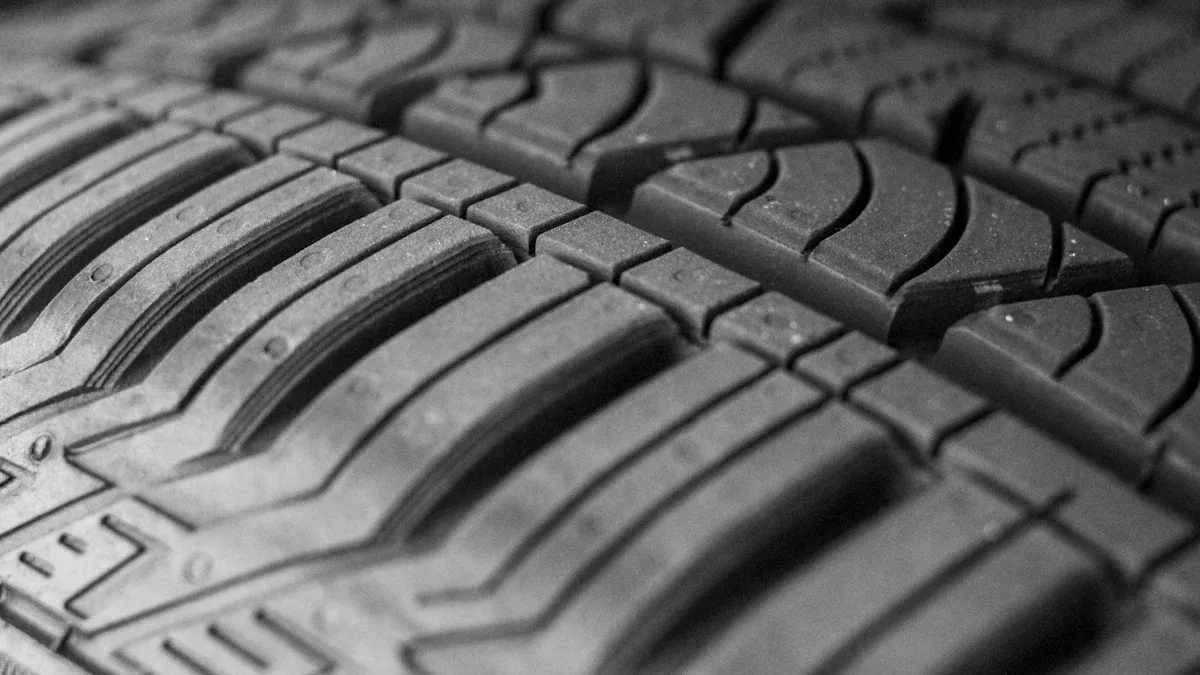
Not all tire patches are created equal. When you need a tire repair, you want a solution that is both safe and permanent. High-quality tire patches have specific features that set them apart from lesser options. Understanding these qualities helps you ensure your tire receives the best possible care.
Superior Adhesion and Vulcanization
A great tire patch does not just stick to your tire; it becomes part of it. This happens through a chemical process called vulcanization. The cement used is not a simple glue. It contains chemical accelerators that create a powerful molecular bond between the patch and the tire’s inner liner. This process permanently seals the damage.
Did You Know? Vulcanization can happen with or without heat. Cold vulcanization uses chemical adhesives to form the bond, making it perfect for standard shop repairs.
This chemical reaction ensures the tire patch provides a truly airtight seal. It prevents air from leaking and restores the integrity of your tire. The strong bond holds up against pressure and temperature changes while you drive.
Durability and Material Thickness
The materials used in a tire patch determine its strength and lifespan. High-quality tire patches are made from durable rubber compounds and are thick enough to reinforce the damaged area. Many feature a special “cushion gum” layer. This layer provides excellent initial stickiness and adds strength to the repair.
Flexibility is also key to a durable patch. Your tire flexes constantly as it rolls. A quality patch must be flexible enough to move with the tire without peeling or cracking. This adaptability is crucial for long-term performance. Some self-adhesive patches are designed with premium rubber that offers both durability and flexibility. These self-adhesive patches ensure the fix lasts under diverse driving conditions, protecting your tire for the long haul.
The SUNSOUL Standard for Reliability
Leading manufacturers follow strict quality standards to guarantee their products are safe. SUNSOUL, for example, builds its reputation on dependability. The company’s manufacturing facilities are ISO 9001 certified, which means they follow rigorous processes to ensure consistent quality.
Furthermore, SUNSOUL tire patches are DOT compliant, meeting the Department of Transportation’s standards for road safety in the United States. These certifications are not just labels; they are your assurance that the product has been tested and proven to perform. When you choose a brand that adheres to global benchmarks, you can trust that your tire is in good hands.
You should choose a professional repair for your tire. High-quality tire patches offer the best choice for safety and value. A proper tire patch is a permanent fix that restores your tire’s full integrity. It is not a temporary solution. For complete peace of mind, always insist on a professional auto tire patch. This type of tire patch repair ensures your road safety. It also helps you get the most life out of your tire.
FAQ
How long does a tire patch last?
A quality tire patch offers a permanent repair. It is designed to last for the entire remaining life of your tire. You can drive confidently, as the seal is secure and will not fail under normal driving conditions.
Can I drive on a patched tire at high speeds?
Yes. A professional patch-plug combination restores your tire’s original performance ratings, including its speed rating. The repair ensures your tire remains balanced and stable. You can safely drive at highway speeds without worry.
Why can’t you patch a tire’s sidewall?
The sidewall flexes constantly to support your vehicle’s weight. A patch cannot safely handle this stress and may fail. The U.S. Tire Manufacturers Association (USTMA) states sidewall punctures make a tire unrepairable for safety reasons.
How do I know if my tire was patched correctly?
A proper repair is always done from inside the tire. The technician must remove the tire from the wheel for inspection. You will not see the patch, only the small, sealed rubber stem in the original puncture hole.