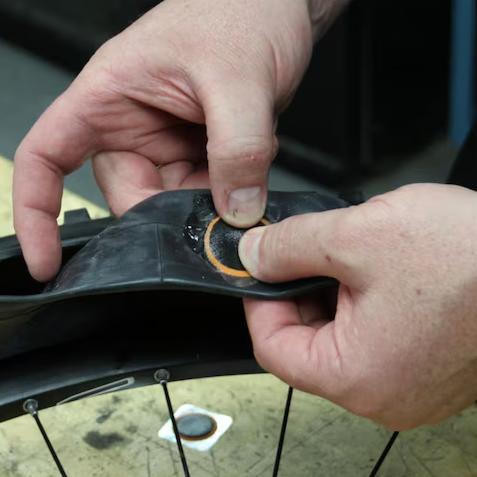

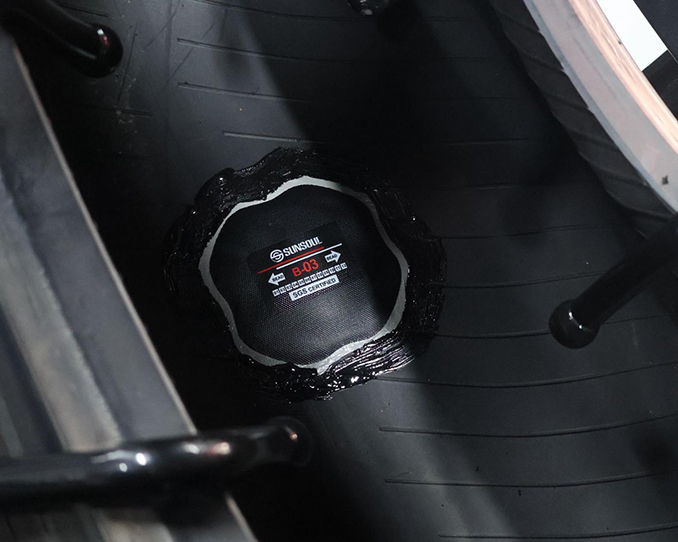
The combination patch-plug is the best way to fix a flat tire. Most drivers and professionals use this method. Sunsoul’s tire patch plug uses new material technology. It also has strong sticking power. This makes repairs last longer and keeps you safe on the road. Many experts like Sunsoul’s tire repair vulcanize patch kits. These kits pass hard product tests. They also work well in tough situations.
Feature | Description |
|---|---|
Advanced Material Technology | High-quality rubber compounds with special polymers. These give great heat and friction resistance. |
Leading Adhesion Properties | The bonding strength is better than industry standards. It stops the patch from coming off under heavy loads. |
Comprehensive Product Testing | Tests include pressure resistance, water immersion, peel strength, and durability simulations. |
68% of roadside tire failures happen because of weak repair kits.
Sunsoul tire patch kits help users avoid these problems. They make sure you get good results.
Key Takeaways
The combination patch-plug method is the best way to fix a flat tire. It uses both a plug and a patch for a strong, lasting repair.
Sunsoul tire patches are made with advanced materials that resist heat and cold. They stay flexible and secure, ensuring safety on the road.
Always check the size and location of the puncture before repairing. Only fix holes in the tread area and avoid sidewall damage.
Follow a step-by-step guide for tire repairs. Use the right tools and ensure a tight seal to prevent leaks.
Regularly inspect your tires and repairs. This helps catch problems early and keeps your tires safe and reliable.
What Makes a Tire Patch the Best Choice
Durability and Heat Resistance
A good tire patch should handle rough roads. Sunsoul uses special rubber and polymers. These materials help the patch stay bendy from -40°F to 250°F. This means the patch works in hot or cold weather. The patch lasts longer because it stays flexible. How you put on the patch also matters a lot for how long it works.
Seal Quality and Air Retention
A tire patch must keep air inside the tire. This stops leaks and keeps the tire full. The best patches use strong glue and make a tight seal. The table below shows what helps a patch hold air well:
Feature | Description |
|---|---|
Superior Air Retention | Makes a tight seal to stop leaks and keep air in. |
High Flexibility and Adaptability | Bends with the tire, so the fix stays strong. |
Strong Adhesion | Sticks hard to the tire and does not come off early. |
Safety and Industry Standards
Safety is very important when fixing a flat tire. Trained workers check the damage and use the right way to fix it. They make sure the repair follows the rules. Good repairs help stop accidents. Sunsoul tests each patch for strength and safety.
Compatibility with Tire Types
Some patches do not work for every tire. Combination patch-plugs fit radial and bias-ply tires. They are good for bigger holes and give a full fix.
Tire Type | Compatibility with Combination Patch-Plugs |
|---|---|
Radial Tires | Compatible |
Bias-Ply Tires | Compatible |
Other Types | Not specified |
Ease of Use for Repairs
People want patches that are simple to use. The patch should fit the hole and where it is on the tire. Plugs fix small holes. Patches work better for big holes or ones near the edge. Clean the spot and use the right patch for a strong fix.
Tip: Always read the instructions and use the right tools to get the best fix for your tire.
Combination Patch-Plug and Sunsoul Tire Patch Features
How Combination Patch-Plugs Work
The combination patch-plug is the main way to fix tires. It uses a plug to fill the hole and a patch to cover the inside. The plug stops air and water from getting in. The patch makes the inside strong and keeps air from leaking out. Using both together helps the tire last longer and stay safe. Tire experts and groups like the U.S. Tire Manufacturers Association say this is the best way. The plug keeps water away from the steel belts. The patch makes the damaged spot stronger. This method works for most tires and is found in top repair kits.
Sunsoul Tire Patch Technology
Sunsoul uses new technology to make their tire patches work well. They use strong rubber and special polymers. These help the patch stay bendy in very hot or cold weather, from -40°F to 250°F. The patch sticks well and does not fall off, even when the tire is heavy or moving fast. Sunsoul patches use vulcanizing gum to make a tight seal. This keeps air in and stops leaks.
Technology Type | Description |
|---|---|
High-Quality Rubber | Special polymers help the patch handle heat and rubbing. The patch stays bendy from -40°F to 250°F. |
Adhesion Properties | The patch sticks better than most. It does not come off, even with heavy loads or fast driving. |
Testing Procedures | The patch is tested for pressure up to 300 PSI, soaked in water for 72 hours, and checked for how well it sticks. |
The patch melts into the tire rubber and makes a strong fix.
Chemicals in the rubber make the bond even stronger.
Sunsoul has chemical cure and dual cure patches. The chemical cure patch uses a special glue that joins with the tire. The dual cure patch sticks right away for quick repairs. Every patch is tested to make sure it is safe and works well.
Benefits Over Traditional Methods
Combination patch-plugs are better than just plugs or just patches. This way seals the hole fast and makes the fix last longer. The plug closes the hole right away. The patch gives extra strength. Both together fix the hole and any inside damage. Many people think this is the best way to fix tires. It helps stop leaks and keeps the tire safe for a long time.
Real-World Performance and Reliability
Sunsoul tire patches work well in real life. Mechanics and truck drivers use them every day. The patches pass hard tests, like holding pressure up to 300 PSI and staying sealed in water for 72 hours. These tests show the patches can handle heavy loads and bad weather. The best repair kits use these patches because they last and keep tires safe. Sunsoul is known for good quality and customer service. Many people around the world trust them.
Note: Check your tires often to find problems early and keep repairs working.
Approved Uses and Limitations
Combination patch-plugs are best for certain holes and spots on the tire. Tire makers and safety groups have rules for safe repairs.
Limitation/Requirement | Details |
|---|---|
Maximum size limit for repairable punctures | The hole must be no bigger than 1/4 inch deep. |
Placement requirements for patch bonds and plugs | Only use in the tread area, at least 1 inch from old repairs, and 2 inches from the sidewall. |
Long-term durability considerations | Check the repair often and take care of your tires. |
Combination repairs are the safest and work best for fixing holes.
You must take the tire off the rim before using this method.
Only fix holes in the tread, not near the sidewall.
Sunsoul patches follow these rules and work for radial and bias-ply tires. The best repair kits have these patches for a safe and lasting fix. For emergencies, a repair kit can help, but a full combination patch-plug repair is best for long-term safety.
Comparing Tire Patch and Tire Repair Kit Options
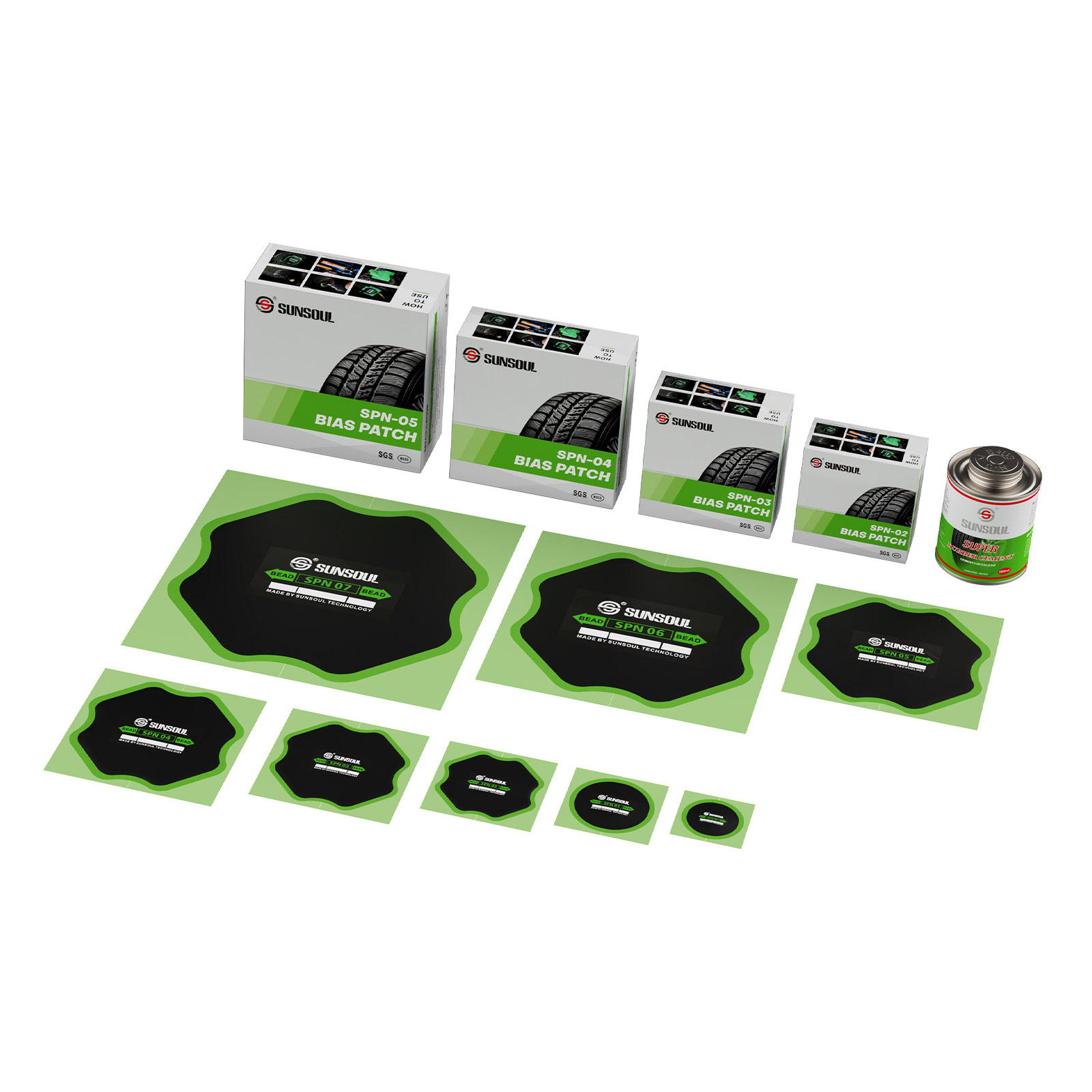
Plug-Only vs. Patch-Only Repairs
Many drivers use a tire plug for quick fixes. This method works best for small holes in the tread. It is easy to install but does not last long. A patch-only repair seals the inside of the tire but does not fill the hole. This can let air and water get inside, which may cause more damage. The table below shows the main differences:
Repair Method | Application | Effectiveness |
|---|---|---|
Tire Plug | Small punctures; quick to install | Temporary fix; may fail over time |
Tire Patch | Needs tire removal; more work | Lasts longer; better seal |
Tire plugs are good for emergencies, but patches offer a stronger repair. Still, neither method alone gives the best results for flat tire repair.
Combination Patch-Plug vs. Tire Repair Kits
The combination patch-plug method uses both a plug and a patch. This fills the hole and seals the inside. Most experts call this a permanent fix. Many shops and the best tire repair kits use this method. Tire repair kits often include plugs or sealants for quick fixes, but these are not always permanent. Only the patch-plug combo meets top safety standards and lasts as long as the tire.
Tip: For long-term safety, choose a patch-plug combo over a simple tire repair kit.
Liquid Sealants and Emergency Fixes
Liquid sealants and emergency tire repair kits help drivers get back on the road fast. These products work for small holes but do not last long. Sealants can break down over time and may not fix bigger damage. They do not address hidden problems inside the tire. Professional repairs use special tools to check for deeper issues and make sure the tire is safe.
Tire repair kits are best for minor punctures.
Sealants may fail for larger holes or after long use.
Professional repairs meet strict safety rules.
Cost and Longevity Comparison
The cost of repairs depends on the method. Tire patching costs between $10 and $50 and can last up to ten years. Plugging a tire costs less, from $5 to $50, but does not last as long. Patches seal the hole from the inside and often last as long as the tire. Plugs may loosen or leak, especially with rough driving. The best tire repair kits use the patch-plug combo for the longest-lasting results.
Note: For the best value and safety, choose the best tire repair kits that use a patch-plug combo.
How to Use the Best Tire Patch for Repairs
Identifying Suitable Punctures
Not every tire puncture can be fixed with a patch-plug. The best tire repair kits work best for small holes in the tread area. Experts recommend checking the size and location of the puncture before starting a repair. The table below shows the maximum puncture size for different tires:
Tire Type | Maximum Puncture Diameter |
|---|---|
Passenger Car Tires | 1/4 inch (6mm) |
Steel Belted Truck Tires | 3/8 inch (9.5mm) |
Repairs should only be made to the tread area.
Punctures must come from objects like nails or screws.
Holes larger than the listed sizes cannot be repaired safely.
Step-by-Step Application Guide
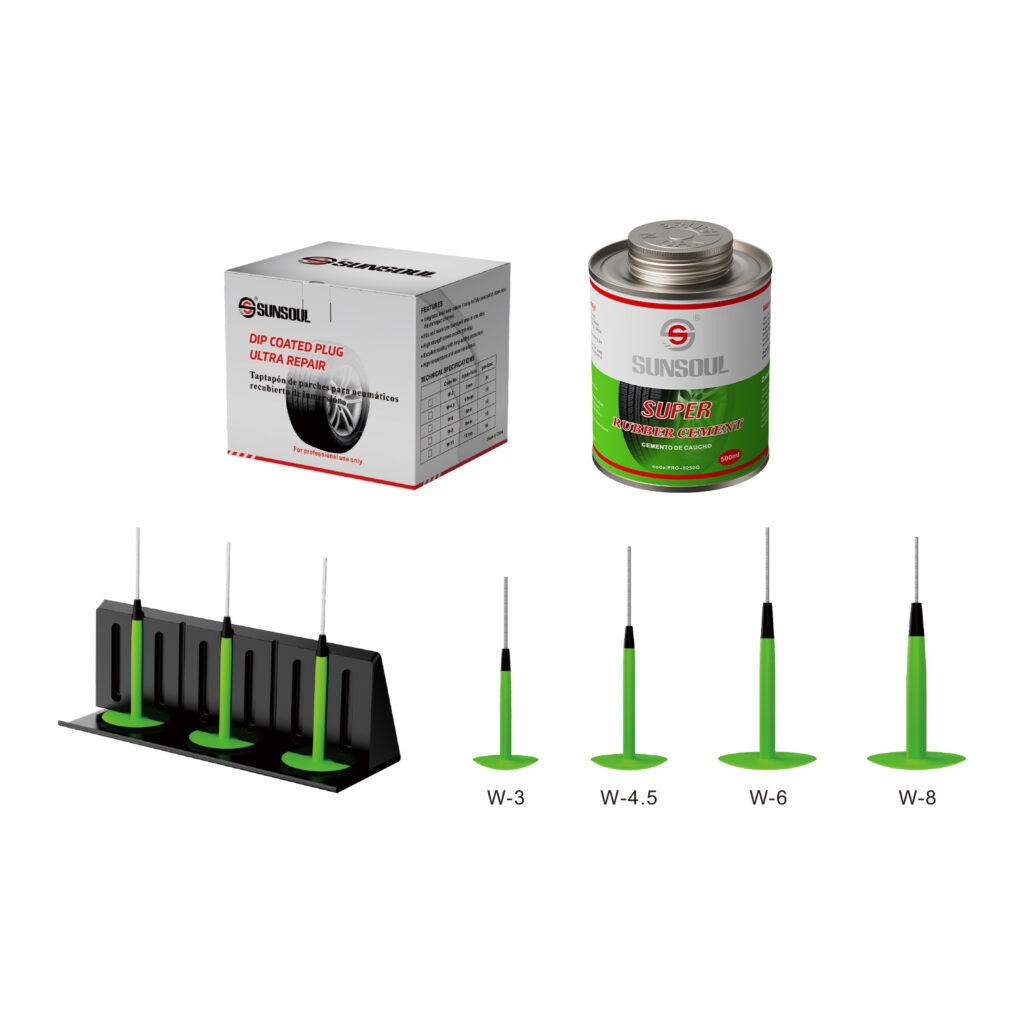
Using the best tire repair kits helps ensure a strong and lasting fix. Follow these steps for a safe repair:
Inspect the tire and make sure the damage is in the tread area.
Jack up the vehicle and remove the tire.
Take out any object causing the puncture.
Clean the hole with a reamer tool.
Insert the patch-plug into the tool and apply rubber cement.
Push the plug through the hole until only a small part remains.
Pull the tool out quickly to set the plug.
Trim any extra plug material.
Refill the tire and check for leaks.
Tools Needed for Installation
A few basic tools help make the repair process easier:
Tire jack and lug wrench
Reamer tool
Patch-plug insertion tool
Rubber cement
Air pump
Tips for a Secure Repair
The National Highway Traffic Safety Administration says the combination patch-plug is the safest way to fix a tire.
Always have a professional check the inside of the tire.
Make sure the puncture is not too large.
Fill the hole and seal the liner completely.
Common Mistakes to Avoid
Do not use a patch-plug on the sidewall or shoulder.
Avoid using tire sealant for large holes or sidewall damage.
Never skip checking for leaks after the repair.
The best tire repair kits give drivers the tools and materials needed for a safe, long-lasting fix. Following these steps helps keep tires strong and reliable.
Combination patch-plugs from trusted brands like Sunsoul are the best for fixing tires. They close the hole and seal the inside of the tire. This makes the tire last longer and keeps you safer. Car experts say this is the safest way to fix a tire. Good patches use strong stuff and special glue to make the tire strong again. Professionals suggest:
Only fix holes in the tread area
Take the tire off the rim to check it
Ask trained workers for help
For more tips on tire care, drivers can look at AAA or the Tire Agent Blog.
FAQ
What is a combination patch-plug?
A combination patch-plug uses both a plug and a patch. The plug fills the hole. The patch seals the inside. This method gives a strong, long-lasting repair.
Can anyone use a Sunsoul tire patch at home?
Yes. Many drivers use Sunsoul tire patches for home repairs. The kit includes clear instructions. Basic tools help make the process simple and safe.
How long does a tire patch repair last?
A quality patch, like Sunsoul’s, can last as long as the tire itself. Most repairs stay strong for 7 to 10 years with proper care.
Are Sunsoul tire patches safe for all weather?
Sunsoul tire patches work in extreme heat and cold. The advanced rubber stays flexible from -40°F to 250°F. This keeps the repair safe in any season.
What should drivers avoid when repairing a tire?
Mistake | Why to Avoid |
|---|---|
Patching sidewalls | Sidewalls flex too much |
Ignoring large holes | Large holes need new tires |
Skipping leak checks | Leaks can cause flat tires |