
Yes, you can repair tubeless bicycle tires. Riders typically use tire repair tools, inner patches, and sealant to repair tubeless bicycle tires. Many people think these repairs can be easily done with simple tools or a kit. The table below lists common tubeless tire repair methods and their uses:
| Repair Method | Description |
|---|---|
| Plug kits | Good for many holes in the tread |
| Internal patches | Work better but you must take off the tire |
| Sealant (bikes) | Great for tiny holes, not as good for big cuts |
In emergencies, people also repair tubeless tires with patches or stitches. High-quality tire repair products, such as SUNSOUL tire sealant, can enhance the repair results. Anyone can learn to repair a tubeless bicycle tire with a little practice.
Key Takeaways
- You can use tire repair tools, patches, or sealant to repair tubeless bicycle tires. Each method is best suited for repairing specific types of damage.
- Be sure to carry a repair kit containing tire repair tools, patches, and a pump. Being prepared will help you repair tires quickly while riding.
- Use sealant to repair small punctures. It seals tiny holes well, allowing you to continue riding without immediately stopping to fix them.
- Know when you need to replace your tires. If you notice uneven tire wear, exposed tread cords, or frequent punctures, it means you need to replace your tires.
- Emergency repairs such as installing an inner tube or stitching can temporarily solve the problem. However, these methods are not permanent and a thorough repair should eventually be performed.
Plugging a Tubeless Bike Tire
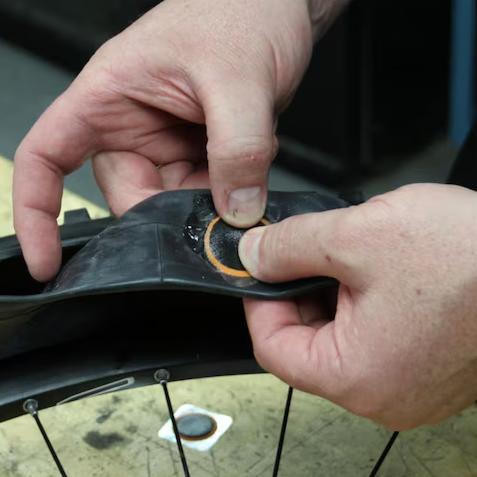
When to Plug a Tubeless Bike Tire
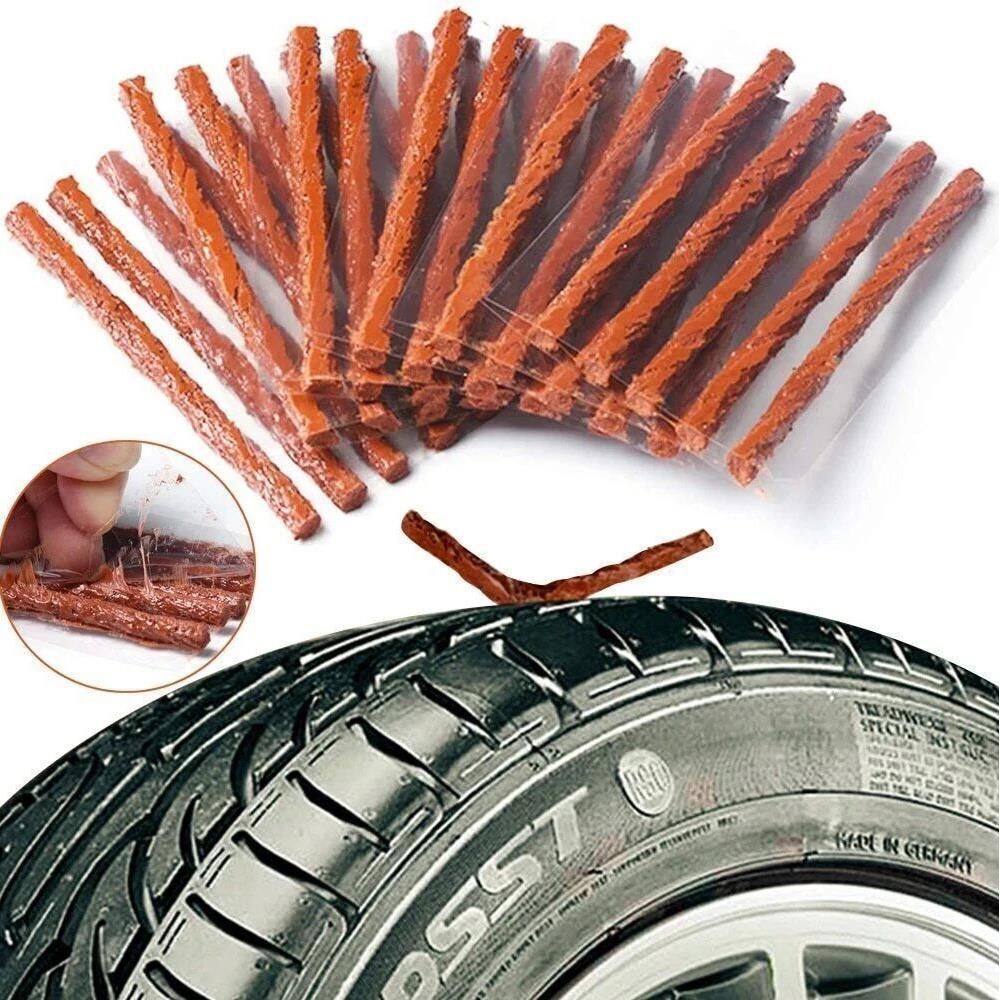
Cyclists often wonder how to quickly repair tubeless bicycle tires while riding. For larger punctures that sealant cannot handle, patching is the best option. Many tubeless bicycle tires can automatically seal small punctures, but sometimes larger punctures require extra help. When a puncture in a tubeless tire occurs in the tread and sealant cannot repair it, a repair kit comes in handy. Riders use patching strips to quickly repair tubeless bicycle tires and get back on the road.
- Tubeless tires reduce punctures and provide a smoother riding experience.
- When sealant fails to repair a puncture, tire patch strips are a good alternative.
- Tire patch strip kits are essential for tubeless cyclists.
Tools for Plugging
Cyclists need the right tubeless tire patching tools to repair tubeless bicycle tires. The following table lists some commonly used tools and how to use them:
| Tool | Description | Effectiveness |
|---|---|---|
| Bacon Strip | Sticky rubber strips for temporary repairs | Good for low pressures, less so for slick surfaces |
| Dynaplug | Brass-tipped plugs for quick, lasting fixes | Reliable and long-lasting, but costs more |
| Stan’s DART | Barbed tip bonds with sealant | Strong plug, but refills are pricier |
| WTB Rocket | Combines strips with a reusable anchor | Good balance between temporary and secure repairs |
Plugging Steps
Many cyclists want to know how to quickly repair tubeless tires. Here are the repair steps:
- Prepare tools: tire pry bar, repair tool, plug, and pump.
- Locate the puncture by looking for sealant or listening for a hissing sound.
- Clear any debris from the puncture.
- Use the repair tool to work the puncture.
- Insert the plug into the tool and gently rotate it into the tire.
- Remove the tool; the plug will remain inside the tire.
- Inflate the tire and rotate the wheel to distribute the sealant evenly.
- Trim off any excess plug.
Using a plug can help cyclists quickly repair tubeless bicycle tires and continue riding.
Plug Repair Limits
Not all punctures in tubeless tires can be repaired with tire patching tools. Riders should not use tire patching tools if the puncture is too large or close to the sidewall. Tire patching tools also cannot repair tubeless bicycle tires with large cuts or structural damage. In such cases, riders may need to use an inner tube or seek professional help. Even when using tubeless tires, always carry an inner tube with you for emergencies.
Tip: Only use tire patching tools if the puncture is located in the tread and is not too large. For sidewall cuts or larger punctures, try other repair methods.
How to Patch a Punctured Tubeless Bike Tyre
Identifying Patchable Damage
Riders often ask how to repair tubeless tires and what damage can be repaired. Not all punctures can be repaired. Small punctures in the tread are usually the best for repair. With proper repair, a tubeless bicycle tire with a small puncture can continue to be ridden many times. Riders should avoid repairing large cuts or sidewall damage. These types of damage require other solutions.
- Small punctures in the tread can be repaired.
- Large cuts or sidewall damage cannot be repaired.
- If the puncture is small and properly positioned, a repaired tubeless tire can be used until the end of its lifespan.
Patch Materials and Kits
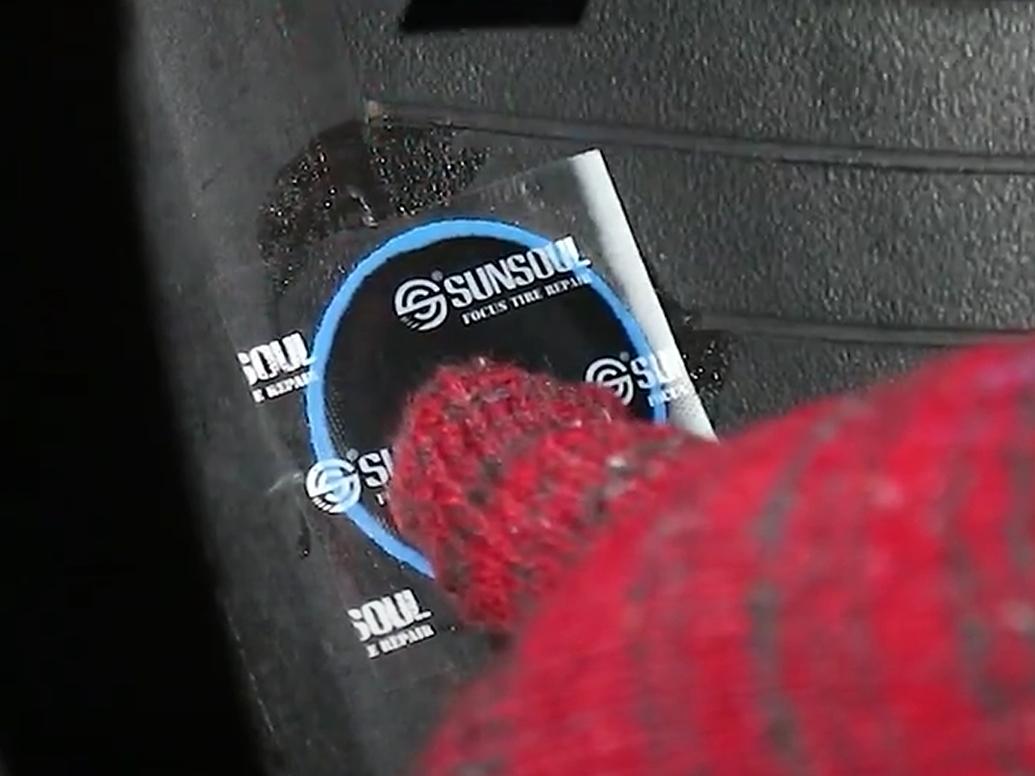
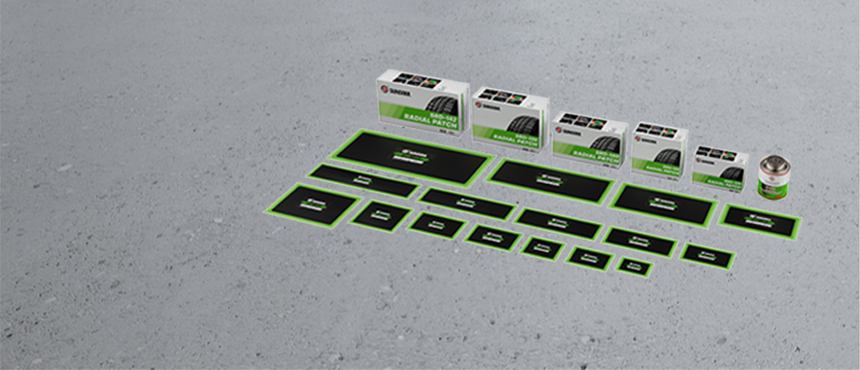
Choosing the right repair kit is crucial. Many riders want to know how to repair tubeless tires and which materials work best. SUNSOUL Tire Patches are a reliable option. Made with natural rubber, they offer high durability and strong adhesion. Riders can choose between chemical vulcanized or double-vulcanized patches.
Here’s a brief overview of commonly used repair kits and their durability:
| Patch Kit | Durability Comparison |
|---|---|
| Rema TT 02 Touring Repair Kit | Outperforms others in leak prevention and strength |
| Park Tool Vulcanizing Patch Kit | Effective but not as durable as Rema |
SUNSOUL Tire Patch offers strong adhesion and long-lasting repairs. Riders trust it for fixing tubeless punctures on bikes, motorcycles, and other vehicles.

How to Fix a Tubeless Bike Tire with a Patch
Many cyclists want to know how to repair a tubeless bicycle tire with a patch. It’s actually quite simple if you follow the correct steps. Here’s how to repair a tubeless tire:
- Use a tire pry bar to remove the tubeless tire from the rim.
- Clean the inside of the tire, ensuring there’s no dirt or sealant residue.
- Locate the puncture and mark it.
- Sand the area around the puncture with sandpaper.
- Apply the patch. You can use a chemical-curing or double-curing patch. SUNSOUL patches with a separate backing make this step easier.
- Press the patch firmly to allow it to adhere.
- Reinstall the tire onto the rim.
- Inject new sealant into the tubeless bicycle tire.
- Inflate the tire and rotate the wheel to distribute the sealant evenly.
Tip: Cleaning the tire before repairing helps the patch adhere better. Injecting sealant after repair seals any small gaps.
Cyclists should always carry a tire repair kit and know how to repair tubeless bicycle tires. Not carrying a spare inner tube or repair kit can leave cyclists in trouble. Checking the tire and rim liner for other punctures can prevent future problems.
Patch Repair Limits
Tire repair is suitable for small holes in the tire tread. Cyclists should avoid repairing larger cuts or sidewall damage. If the damage is too large, tire repair may not be able to fix a tubeless bicycle tire. The cyclist may need to install an inner tube or replace the tire. Knowing how to repair a tubeless tire helps cyclists ensure safety and continue riding.
Note: Tubeless tires can only be repaired when the hole is small and located in the tire tread. For larger damage, look for other methods to repair tubeless bicycle tires.
Using Sealant to Fix a Tubeless Bike Tire
How Sealant Works in Tubeless Tyres
Tire sealant helps keep a tubeless tire working after a puncture. Riders inject this liquid into the tire before riding. Tire sealant contains fibers, rubber granules, and sometimes latex. These components float in water or gel. If the tire is punctured by a sharp object, the sealant spreads into the tire as the wheel rotates. Air pressure pushes the sealant towards the puncture. Upon contact with oxygen, the sealant hardens quickly, forming a soft plug that stops the leak.
- The sealant moves along the tire tread as the wheel rotates.
- When a tire is punctured, air pressure forces the sealant into the puncture.
- The sealant granules and latex bind together, forming a strong seal.
Adding or Refreshing Sealant
To protect tubeless tires, riders must frequently add or replace tire sealant. The frequency of adding or replacing sealant depends on where and how you ride. Here’s a simple guide:
| Riding Condition | Recommended Frequency |
|---|---|
| Regular Road and Gravel | Every 2 to 4 months |
| Hot or Dry Environments | Every 1 to 2 months |
| Infrequent Riders | Check every 3 months |
| Race Preparation | Refresh at least 1 week prior |
Checking sealant levels stops flats and keeps the tubeless system working.
When Sealant Is Enough
If the puncture is small and smooth, sealant can repair a tubeless tire. Most sealants work best for small, smooth punctures. If the sealant seals the puncture and the tire remains inflated, the rider can continue riding. For larger or rougher punctures, sealant may not work properly. In this case, other methods may be needed to repair the tubeless tire.
- Sealant is suitable for small, smooth punctures.
- If the tire remains inflated after a tubeless tire has been punctured, repair is safe.
Sealant Limitations
Sealant is not a panacea. It dries out and becomes ineffective over time. Cyclists should replace the sealant annually and reapply it every 90 days. If a bicycle is left unused for an extended period, the sealant may dry out, so always check it before riding again. Sealant cannot repair large cuts or sidewall damage. Cyclists will need to use tire patches or plugs to address these issues.
Sometimes, a hole is too big for sealant. Riders may need a plug or patch to fix a tubeless bike tire and keep riding.
Emergency Repairs and Replacement
Fitting a Tube in a Tubeless Bike Tire
Sometimes, cyclists encounter punctures that sealant or patches cannot repair. They may wonder how to temporarily repair a tubeless bicycle tire. In this case, installing an inner tube in a tubeless tire can help them ride home. Cyclists should remove the tire from the rim, remove any remaining sealant, and check for sharp objects. Then they can insert the inner tube, inflate it, and ride carefully. This method should only be used as a short-term solution and is not a long-term solution. Tubeless tires are prone to overheating, especially at high speeds or under heavy loads, and may suddenly detach. Replace the tire as soon as possible.
Sewing and Gluing a Tubeless Tyre
If a rider finds a large puncture in a tubeless tire, they can try to sew and glue it for an emergency repair. Dental floss can be used to sew up the puncture. Shoe glue or rubber adhesive can be used to seal the repair to prevent air leakage. This method can help riders repair a punctured tire when there are no other options. The tire should be replaced as soon as possible after using this method.
Tip: Sewing with dental floss and using shoe glue can fix a hole in a tubeless tire for emergencies. Always check the tire for more damage before riding again.
When to Replace a Tubeless Bike Tire
Sometimes, tubeless bicycle tires are beyond repair. Riders should look for signs that indicate the tire is beyond repair. These include uneven tread wear or exposed cords and carcass, tire leaks or frequent blowouts, cracks, dry cracks, severe tread wear, and abnormal wobble. Large sidewall cracks, bulges, or deformation indicate internal tire damage. In these cases, the tire should be replaced.
| Signs to Replace Tubeless Tire | What It Means |
|---|---|
| Uneven tread wear | Tire is worn out |
| Visible cords or casing | Tire structure is damaged |
| Tire won’t hold air | Air leaks cannot be fixed |
| Cracks or dry rot | Rubber is breaking down |
| Bald patches | No grip left |
| Strange wobbles | Tire is unstable |
| Sidewall cracks | Tire integrity is lost |
| Bulges or deformation | Internal damage |
| Excessive tread wear | Tread depth below 1mm |
| Frequent punctures | Tire failure |
| Visible threads | Inner casing exposed |
Riders should replace tubeless tires when they notice any of these signs. New tires ensure riding safety and prevent potential future problems.
Riders have several ways to repair tubeless bicycle tires, such as using patch strips, patches, sealants, or performing emergency repairs. Most tubeless tire problems can be fixed while riding with the right tools. Using high-quality patches, such as SUNSOUL patches, can prolong the repair’s effectiveness. Having a complete tubeless tire repair kit on hand—including patching tape, tire levers, a pump, and a spare inner tube—means riders can handle any flat tire situation. If a tubeless tire requires too many repairs or continues to leak air, it’s time to replace it. Mastering tubeless tire repair techniques can make every ride safer and more enjoyable.