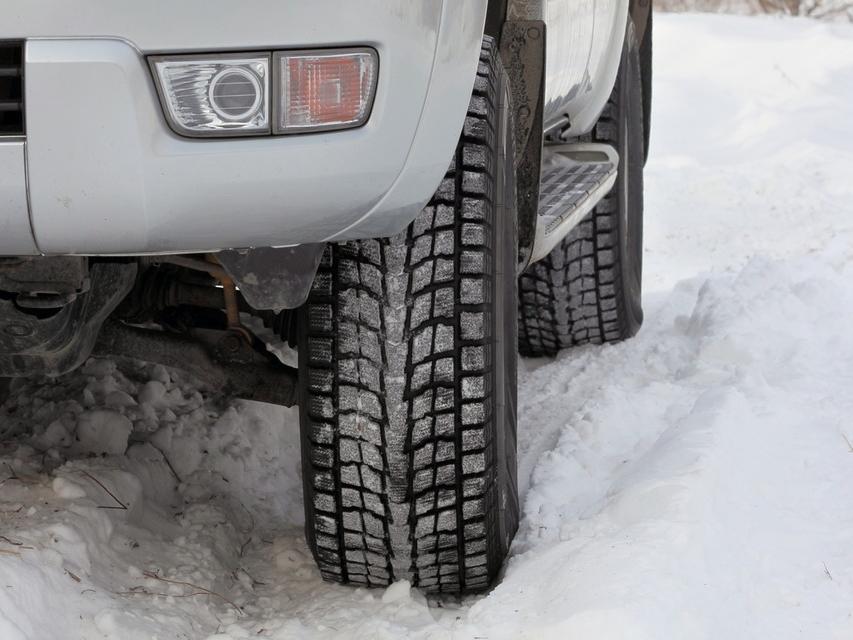

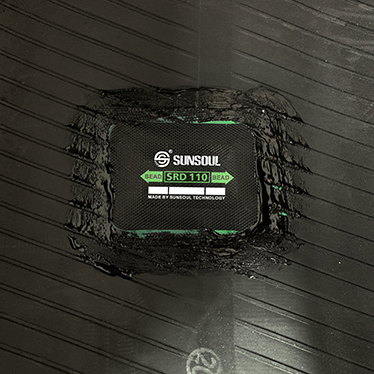
Radial tires can be repaired if performed by a professional using the appropriate tools. For safety, it is essential to choose a patch specifically designed for radial tires. SUNSOUL radial tire patches, using chemical vulcanization technology, are a good option. A wide variety of patch types are available, with EMR radial tire patches and PR-109 radial tire patches being common choices. They can be repaired using either heat or chemical methods.
| Patch Type | Application Method |
|---|---|
| EMR Radial Tire Patches | Heat-curing with a special heat-resistant layer |
| PR-109 Radial Tire Patches, Single Layer | Chemical (cold) vulcanization or hot-press (hot) vulcanization methods |
Key Takeaways
- If the damage to a radial tire is on the tread rather than the sidewall, it can be repaired.
- Using the correct tools and patch, such as SUNSOUL radial tire patches, tires can be effectively repaired.
- Before repairing a tire, always inspect the inside of the tire for any hidden damage to ensure safety.
When to Patch Radial Tires
Patchable Damage Types
If the damage to a radial tire is limited to the tread, it can be repaired. The sidewall and shoulder must be intact. Tire specialists will check for small, straight holes caused by nails or screws. If there are cuts or tears caused by sharp objects on the tire, repair may not be safe. If the tire has many closely spaced small holes, it may not be safe to restore it to its original condition after repair.
Tip: Always check the inside of the tire for hidden damage before repairing.
Puncture Location and Size
The location and size of a puncture are crucial. Most repairs are done on the tread, not near the sidewall. Perforations near the sidewall or tread edge should not be repaired. The table below shows the maximum puncture size and its location:
| Maximum Puncture Size | Location Requirement |
|---|---|
| Less than 1 inch | On tread, at least 1/4 inch from sidewall |
The puncture must be at least 1/2 inch from the tread edge. If a puncture is too close to the sidewall or larger than 1 inch, the tire should be replaced.
The table below shows which parts of a radial tire can be repaired:
| Repair Area | Acceptable for Repair | Reason for Repairability |
|---|---|---|
| Tread Area | Yes | Safe to repair due to structural integrity. |
| Sidewall | No | Unsafe due to lack of reinforcement and high curvature. |
- Punctures on the tread can be repaired.
- Punctures on the sidewall or shoulder are not suitable for repair due to weak structure.
Safety Criteria for Repair
Safety is paramount when repairing radial tires. Experts determine whether a tire can be repaired according to specific rules. They examine the size and location of the puncture, look for hidden problems, and ensure the tire has not been repaired twice. Rules state that the same location can only be repaired once. If a tire has a large cut, sidewall damage, or a puncture diameter larger than 1 inch (approximately 2.5 cm), the tire needs to be replaced.
SUNSOUL Radial Tire Repair uses chemical adhesives to repair truck and heavy-duty tires. This repair compound has strong adhesion and can maintain tire pressure for a long time. Many people report that even if other repair methods fail, radial tire repair compound can ensure that tire life is extended by many years.
Note: Always read the instruction manual and consult an expert before repairing a tire.
Patching a Radial Tire: Process
Step-by-Step Tire Patch Application
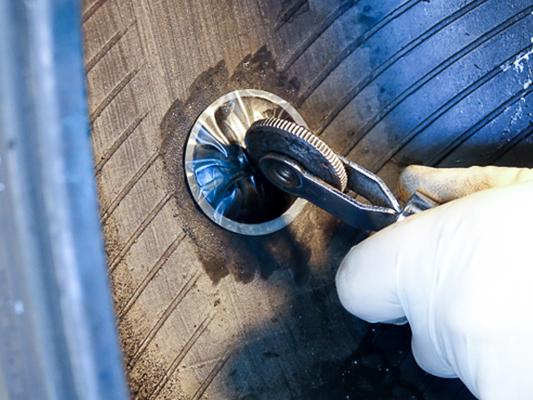
To repair a tire, experts typically use a two-step repair method. First, they insert a tire plug into the puncture from the outside of the tire. This plug fills the hole and prevents air leakage. Next, they remove the tire from the rim and clean the inside of the tire. Then, they apply a patch specifically designed for radial tires (such as SUNSOUL radial tire patches) to the inside of the tire.
Materials and Tools Needed
Proper tire repair requires some tools. The following items are listed:
- Tire plug kit
- Radial tire patch (chemical curing)
- Tire grinder or scraper
- Vulcanizing adhesive
- Air compressor
- Tire pressure gauge
- Safety gloves
The table below lists the advantages of chemical curing tire patches (such as SUNSOUL):
| Benefit | Description |
|---|---|
| Leak-proof sealing | Vulcanizing adhesive forms a tight seal, preventing air leakage. |
| Cost Savings | Repairing a radial tire can save money compared to buying a new tire. |
| Reliable performance | Radial tire patches function effectively in a variety of road conditions. |
| Enhanced safety | A strong seal reduces the risk of sudden leaks and accidents. |
Professional vs. DIY Tire Patch
Professional technicians possess the specialized skills and tools to repair radial tires. They know how to use tire plugs and safely repair tires. Someone attempting to repair a tire at home may not have the appropriate tools. Professionals will inspect the tire for hidden damage and follow the manufacturer’s instructions. This ensures tire safety and extends its lifespan.
- Professionals are more experienced and can choose the best repair method.
- They use advanced tools, while DIY tire repair requires purchasing many tools.
- Proper repair by a professional reduces the risk of leaks or blowouts.
- In the long run, even though DIY tire repair kits may seem cheaper, professional repair is generally more economical.
Regular checks and following relevant guidelines help prevent tire failures. Maintaining proper tire pressure and tread depth also contributes to improved safety. Errors such as poor sealing, using the wrong tools, or improper tire alignment can all lead to driving safety hazards. People should always consider seeking professional help when repairing tires.
Radial Tires Risks and When to Replace a Tire

Limitations of Tire Patching
Sometimes, repairing radial tires is not safe. If the sidewall is damaged, professionals will not repair it because the sidewall strength may be insufficient. Larger punctures or deeper cuts weaken the tire. Bulges or bubbles on the tire are also warning signs.
Note: Always check for hidden problems before repairing tires.
Risks of Improper Repair
Improper repairs can make radial tires unsafe. Mechanics must remove the tire from the rim to inspect for internal damage. Ignoring this step may cause them to miss problems. The National Highway Traffic Safety Administration (NHTSA) states that tire failure is a major cause of many traffic accidents. The Rubber Manufacturers Association (RMA) has found that most tire repairs are done incorrectly, which can endanger driver safety.
| Cause of Blowout/Leak | Description |
|---|---|
| Underinflation | Tires with too low tire pressure will overheat and crack, leading to a blowout. |
| Damage from Road Debris | Impacts with potholes or sharp objects can damage tires, leading to leaks or blowouts. |
| Tread Separations | The tread of a steel-belted radial tire may detach. This can be due to design or manufacturing defects. |
Tread detachment combined with excessive tire weight can also lead to tire failure.
Signs a Radial Tire Needs Replacement
Drivers should look for the following signs to ensure timely tire replacement:
- Cuts, holes, or bulges on the tire
- Exposed cords or belt layers
- Tread wear less than 20%
- Tire slippage exceeding 15%
- Damage caused by high temperatures or sunlight
Hot or humid weather can cause tires to crack or wear out rapidly. If you notice these signs, replace the tires to ensure safe driving.
Having radial tires repaired by a professional is the safest option. High-quality repair products also help extend the life of the patch. SUNSOUL radial tire patches feature a robust, multi-layered construction for a strong and reliable repair.
| Component | Function |
|---|---|
| Reinforcing Layer | Restores tire strength |
| Cushioning Layer | Absorbs shock and vibration |
| Topcoat | Securely bonds the patch |
Choosing a professional tire repair method and regularly inspecting your tires helps extend tire life and ensure driving safety.
FAQ
Can anyone patch a radial tire at home?
Most people can use a tire repair kit to patch small punctures in the tire tread. However, experts recommend having it repaired by a professional to ensure safety and longevity.
How long do SUNSOUL radial tire patches last?
SUNSOUL radial tire patches can last for several years. Their chemical hardener forms a strong bond, effectively preventing leaks and everyday wear.
Is it safe to drive with a repaired radial tire?
Drivers can ensure safety if a professional uses the appropriate patch and follows the repair guidelines. Regularly checking your tires helps maintain safety after a repair.