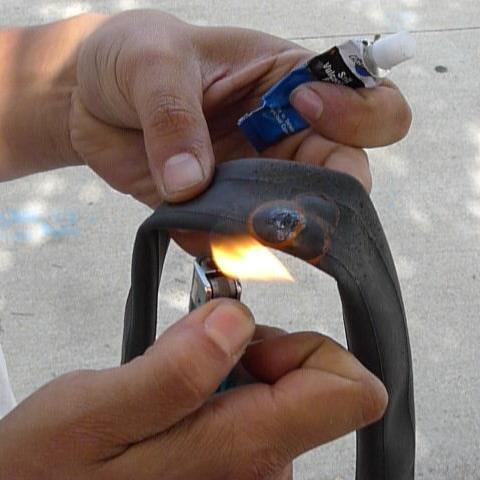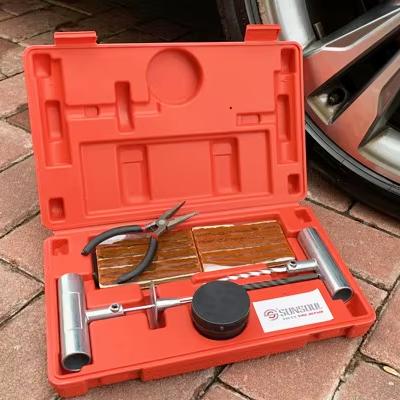


Semi-trailer tires can sometimes be repaired with tire repair tools., but only if certain rules are followed. Safety first. Laws and regulations, as well as the type of tire damage, are crucial. Common problems with semi-truck tires include:
- Punctures
- Cuts
- Impacts
- Cracks
- Bulges
- Irregular wear
Not all problems mean the tire can be repaired. If it can be repaired, using a premium product like SUNSOUL Heavy Duty Tire Patches ensures a strong and safe repair.
Key Takeaways
- Repair only small holes in the tire tread. The hole diameter should not exceed 1/4 inch (approximately 6 mm).
- Tires should always be repaired by a trained mechanic. This ensures both your safety and compliance with regulations.
- Never repair damage to the tire sidewall or shoulder. These problems mean you’ll need to replace the tire for safety.
- Regularly check your tires for any damage. Follow FMCSA (Federal Motor Vehicles Safety Administration) regulations to ensure safe driving.
- Premium products like SUNSOUL Heavy Duty Tire Patches make repairs last longer.
When to Patch Semi-Truck Tires
Safe Repair Conditions
Not all tire problems are suitable for patch repair. The location and size of the damage need to be assessed. Most experts believe patches are best suited for repairing small punctures in the tire tread. If the puncture is too large or improperly located, repair is unsafe.
Tip: Only patch a tire if the hole is in the tread and not bigger than 1/4 inch (6mm) across.
Here are the key points to remember:
- The puncture must be in the tire tread, not on the sidewall or shoulder.
- The puncture diameter should not exceed 1/4 inch (6 mm).
- There should not be multiple repair points in the same area of the tire.
- The tire must not show signs of severe damage, such as large cuts, bulges, or exposed cords.
If the tire meets the following requirements, tire repair can help semi-trailer truck tires operate safely. Always inspect the tire inside and out before making a decision.
Industry Guidelines
The Federal Motor Transportation Safety Administration (FMCSA) has established tire repair rules. These rules help ensure the safety of drivers and trucks on the road. Only trained personnel may repair semi-trailer truck tires, and the correct tools and materials must be used. Repairs must seal the liner and the puncture itself. The patch must be applied in the correct location to ensure tire strength.
The following table lists FMCSA regulations regarding safe tire repair:
| Condition | Requirement |
|---|---|
| Qualified Technicians | Only qualified technicians should perform tire repairs. |
| Approved Methods and Materials | Repairs must be done using approved methods and materials. |
| Inner Liner and Puncture Sealing | The repair must seal both the inner liner and the puncture. |
| Positioning of Repair | The repair must be properly positioned to avoid weakening the tire structure. |
| Repair Location | Repairs should not be made on the sidewall or shoulder area of the tire. |
| Collaboration with Service Providers | Fleet managers should work with reputable tire service providers to ensure compliance with regulations. |
If a tire does not meet these standards, it should not be repaired. Instead, the tire may need to be replaced. Following these guidelines helps ensure the safety and legality of semi-trailer truck tires on the road.
Types of Damage in Semi-Truck Tires
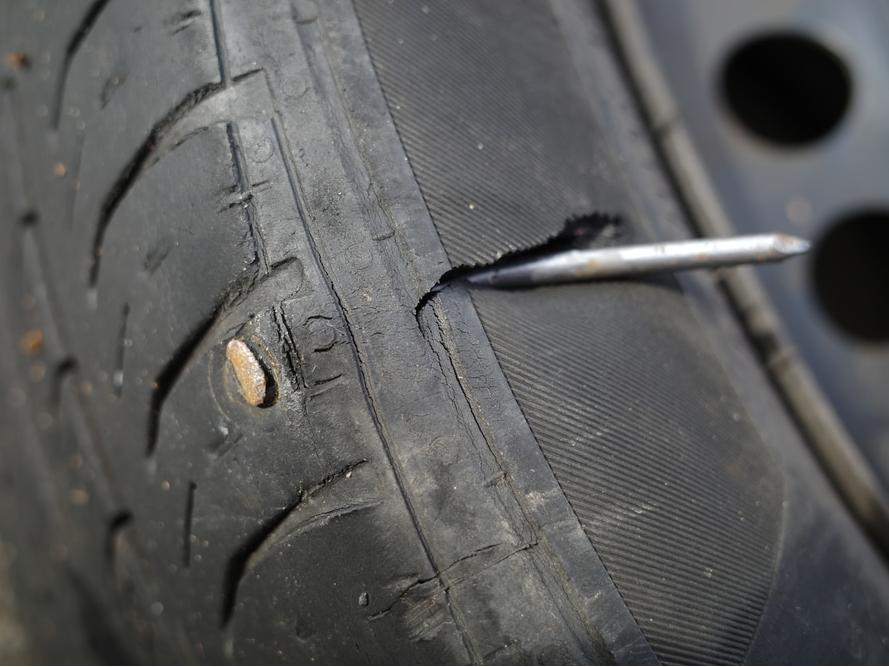
Drivers often find different types of damage when inspecting semi-trailer truck tires. Some problems can be fixed with repairs, while others mean the tire needs to be replaced. Understanding these differences helps ensure the safety of your truck on the road.
Tread Punctures
Most repairs occur in the tread area. The tread is the part of the tire that contacts the road surface. The most common type of damage on a tire is a small perforation. If the hole is small and located in the center of the tread (crown), it can usually be repaired with a patch or plug. Here are the main rules for repairing perforations:
- The perforation must be located in the crown area of the tire.
- For most truck tires, the hole diameter should not exceed 3/8 inch (10 mm).
- Only one repair is allowed at the same location.
- The tire must not have other serious damage.
Note: Patching works best for small holes in the tread. Large gashes or multiple punctures need a professional to check if repair is safe.
The following table lists common types of tread damage and their repairability:
| Damage Type | Repair Option | Repairable? | Recommended Use Case |
|---|---|---|---|
| Small Tread Puncture (≤6mm) | Plug, Patch, or Combo Unit | Yes | All truck types; permanent fix recommended |
| Large Tread Gash | Combo Unit or Vulcanized Repair | Case-by-case | Heavy-duty trucks; needs expert check |
Sidewall and Shoulder Damage
Damage to the tire sidewall and shoulder is more serious. The sidewall refers to the side of the tire, and the shoulder is the junction where the tread connects to the sidewall. These areas undergo significant deformation when the truck is in motion. Most experts and laws advise against repairing these areas.
| Type of Damage | Repairability | Notes |
|---|---|---|
| Deep gashes or tears in sidewall | Irreparable | The sidewall flexes and can fail suddenly. |
| Bubbles or bulges | Irreparable | Shows the tire is weak inside; needs replacement. |
| Shoulder area damage | Marginal | Some repairs possible, but not safe for long-term use. |
| Sidewall damage | Not recommended | Most manufacturers say never repair sidewalls. |
🚫 Warning: Law and tire manufacturers agree—never repair sidewall damage on a semi-trailer truck tire. This could lead to a blowout and an accident.
A quick review of relevant laws and regulations reveals that organizations like the Rubber Manufacturers Association (RMA) and the National Highway Traffic Safety Administration (NHTSA) consider repairing tire sidewalls unsafe. European standards and most tire manufacturers also warn against repairing tire sidewalls. Tires should be replaced when the sidewall or shoulder is severely damaged.
Semi-Truck Tires Legal and Safety Limits
FMCSA Regulations
The FMCSA has strict regulations regarding tire repair and replacement. These regulations help ensure truck driving safety. Only trained personnel are allowed to repair tires, and they must comply with regulations set by organizations like the RMA. Before repairing a tire, the worker must inspect it for repairability. They must use approved materials and make a permanent mark at each repair site. Repair shops are also required to keep records of every tire repair they perform.
Here are some important FMCSA regulations:
- Only trained personnel are allowed to repair tires.
- Repairs must comply with industry regulations.
- Tires must be inspected before repair.
- Only approved materials may be used when repairing tires.
- Mark the repair site with a permanent marker.
- Retreading tires is permitted as long as it complies with regulations.
- Keep all repair records.
The Federal Motor Transportation Safety Administration (FMCSA) has also established rules for handling tires that are severely damaged and cannot be repaired. Some of these rules are listed in the table below:
| Regulation | Description |
|---|---|
| § 393.75(a)(1) | Do not use tires with exposed ply or belt material. |
| § 393.75(a)(2) | Do not use tires with tread or sidewall coming apart. |
| § 393.75(a)(3) | Do not use flat tires or tires with a loud leak. |
| § 393.75(a)(4) | Do not use tires with cuts that show ply or belt material. |
When Replacement Is Required
Sometimes, patching a tire isn’t enough. Some problems necessitate tire replacement. These problems include shallow tread, visible cracks, bulges, or uneven wear. The table below lists when a new tire needs to be replaced:
| Condition | Action Required |
|---|---|
| Tread depth below legal limits | Replace |
| Visible damage (cracks, bulges) | Replace |
| Uneven wear patterns | Replace |
| Age exceeds recommended limit | Replace |
By law, steering tires must have a tread depth of at least 4/32 inch (approximately 1.25 mm). Other tires must have a tread depth of at least 2/32 inch (approximately 1.25 mm). If a tire has cracks, bulges, or abnormal wear, it should be removed from the truck.
Most experts advise against using patched tires on the front axle. A patched steering tire can make a truck difficult to control. Using a repaired tire on the front axle can be dangerous, so most fleets don’t do it.
🚦 Tip: Always check your semi-trailer truck tires for damage and comply with Federal Motor Transportation Safety Administration (FMCSA) regulations to ensure safe and legal driving.
Semi-Truck Tires Patching Process and Product Options

How Patching Works
Repairing a semi-trailer truck tire requires skill and specialized tools. Because safety is paramount, these repairs must be performed by a certified mechanic. First, the mechanic will remove the tire from the rim. This helps them inspect the tire for any hidden damage, both inside and out. Next, they will clean and smooth the area around the puncture. Cleaning helps the patch adhere better.
Then, the mechanic will apply a thin layer of vulcanizing fluid to the puncture and allow it to dry. After that, they will apply the tire patch to the puncture and press it firmly. The patch needs time to cure and adhere firmly to the tire. Finally, the mechanic will inflate the tire and check for leaks by looking for air bubbles.
Here are some common tire repair methods:
| Repair Method | Advantages | Limitations | Best For |
|---|---|---|---|
| Internal Patch Repair | Lasts a long time, seals air, makes tire strong | Tire must come off, not for sidewalls | Tread punctures < 6mm |
| Plug Repair | Quick, saves money, less waiting | Not permanent unless used with a patch | Small, emergency tread repairs |
| Combination Repair | Seals inside and outside, strong fix | Takes more time and money, not for sidewalls | Permanent truck tire repairs |
| Tire Sealant (Liquid) | Fast, seals small holes right away | Not permanent, can hurt sensors | Preventive use, remote areas |
🛠️ Tip: Always let a trained technician fix semi-truck tires. This keeps the repair safe and follows the law.
SUNSOUL Heavy Duty Tire Patch
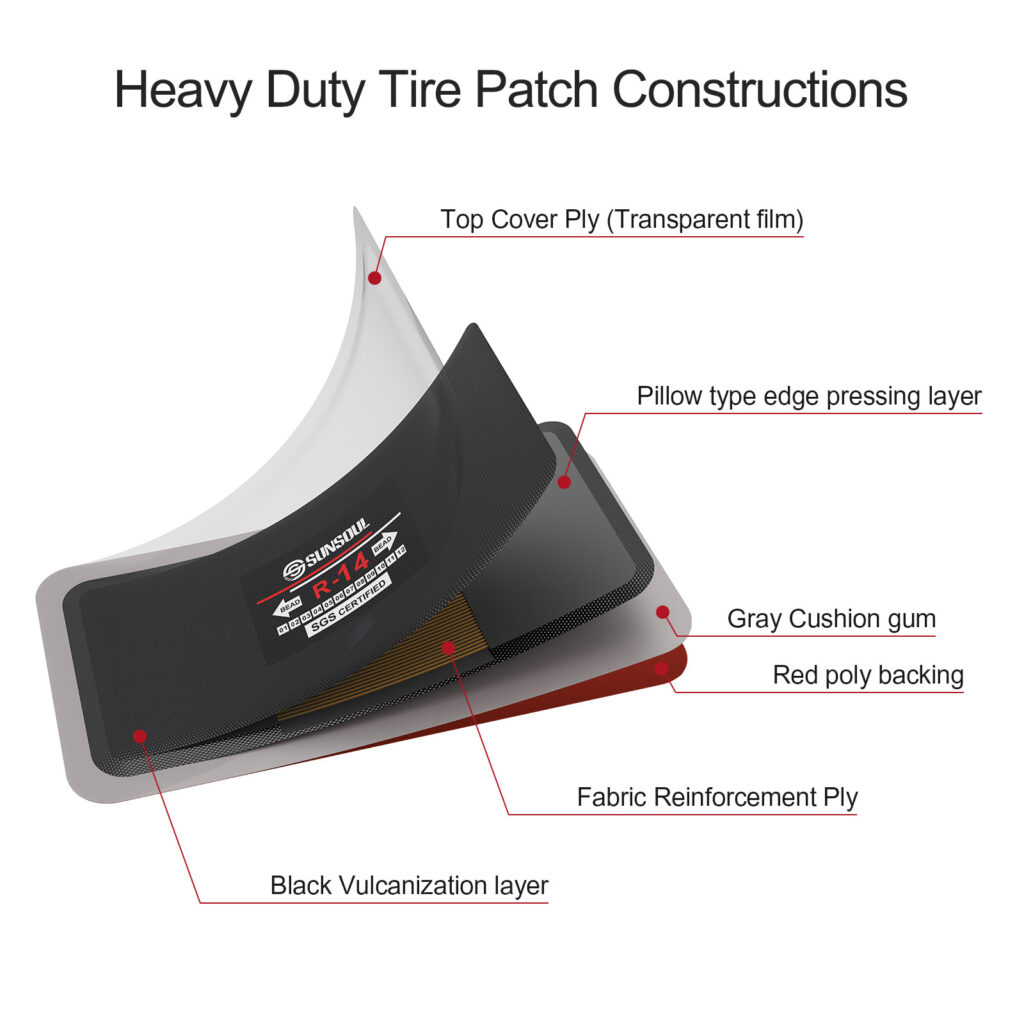
SUNSOUL heavy-duty tire patches are robust, durable, and high-performance. SUNSOUL uses natural rubber, making patches durable and resistant to wear. This patch can repair holes up to 6mm in diameter, suitable for repairing most semi-trailer tires.
SUNSOUL patches are RoHS certified, meaning they are environmentally friendly, safe, and compliant with regulations. Users can easily install them using hand tools, without the need for specialized equipment. Many users appreciate its strong vulcanizing adhesive, which ensures a strong bond and long-lasting durability, even in harsh environments.
Below is a comparison of SUNSOUL patches with other tire repair kits:
| Feature | SUNSOUL Heavy Duty Tire Patch | Competing Products |
|---|---|---|
| Strength | Excellent | Varies |
| Resistance to Rust | High | Lower |
| Adhesion Quality | Strong vulcanizing gum | Varies |
| Durability in Harsh Tests | Confirmed | Not always tested |
Truck owners and fleet managers trust SUNSOUL for major repairs. This easy-to-use and effective patch is the preferred choice to ensure trucks are up and running.
Semi-trailer tires should only be repaired when it is safe to do so. Drivers and fleet managers must comply with laws and safety regulations. High-quality products and professional repairs ensure truck safety and avoid costly repairs.
- Tire replacement costs account for over 25% of a truck’s annual cost.
- Most fleets replace 16 of their 18 tires annually, costing approximately $4,000.
- Regular tire repairs and pressure checks help save money.
Professional repair shops comply with Federal Motor Transportation Safety Administration (FMCSA) regulations, ensuring trucks are always on the road. Safety and compliance are more important than saving money.
FAQ
Can anyone repair a semi-trailer truck tire?
No, only trained mechanics can repair semi-trailer truck tires. They know how to inspect for hidden damage and use the correct tools. This ensures the repair is safe and legal.
How long can a repaired semi-trailer truck tire last?
A properly repaired tire can last until the tread wears out. The repair must be done correctly, and the tire itself must not have any other damage. Regular checks help detect problems early.
Can a repaired tire be used for long-distance driving?
Yes, provided the repair is done according to safety regulations and by a professional. Drivers should still regularly check the tires for leaks or new damage.
What should a driver do if a puncture is found in the tire sidewall?
🚫 Never repair a puncture in the tire sidewall.
The tire needs to be replaced. Sidewall damage can lead to a sudden blowout, and repairing it is extremely dangerous.