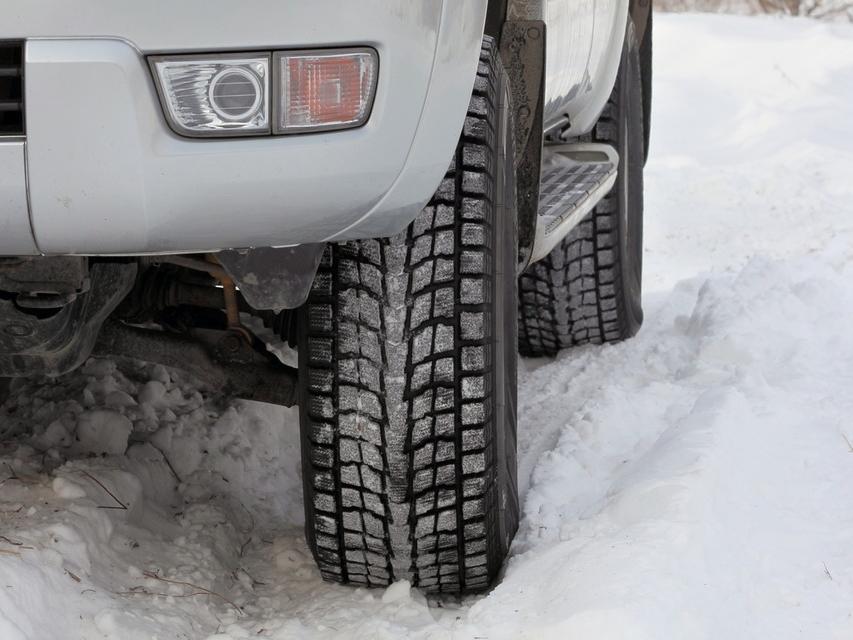


No, tire sealants generally do not permanently repair tires. Some products claim long-lasting results, but tire manufacturers recommend using patches or plugs for repairs to achieve true strength. They recommend using hot or cold vulcanization processes to maintain tire strength. Safety organizations warn against frequent tire repairs and recommend using the correct methods to extend tire life.
Key Takeaways
- Tire sealants only temporarily repair small punctures. They allow drivers to quickly fix a leaking tire, but they do not provide a permanent fix. It is not a permanent repair.
- If you use tire sealants, be sure to inform your mechanic. This will help them check for hidden damage and repair the tire correctly.
- For lasting safety, seek professional tire patch or plug repairs. These repair methods restore tire strength and prevent future leaks.
Limitations of Tire Sealant
How Tire Sealant Works
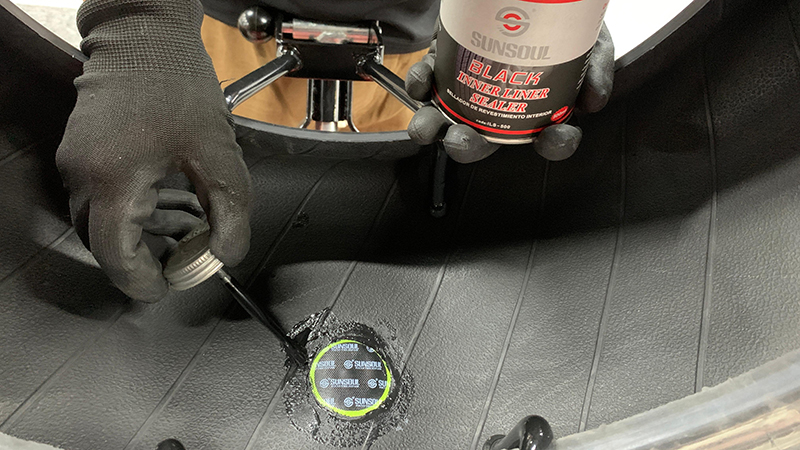
Tire sealants help drivers quickly fix leaking tires. When a tire is punctured, the sealant moves to the puncture and plugs it. Most tire sealants use chemicals to do this. The table below lists the function of each ingredient:
| Component Type | Functionality |
|---|---|
| Natural Rubber Latex (NRL) | Makes the seal stretchy and stick well to the hole. |
| Emulsifiers | Keep the latex mixed together and stable. |
| Antifreeze Agents | Stop the sealant from freezing when it is cold outside. |
| Thickeners | Make the sealant thicker so it covers better. |
| Artificial Resin Powders | Make the seal stronger and work better. |
| Talc | Fills in gaps and keeps the sealant smooth. |
| Carbon Black Particles | Make the sealant stronger and help it last longer. |
| Chitosan Gels | Give the sealant a gel feel for better sealing. |
| Vulcanizing Agents | Make the rubber tougher and stronger. |
Tire sealants are best suited for repairing small holes and slow leaks. They work even better on tubeless tires because tubeless tires only have one layer that needs sealing. In tubed tires, the tiny inner tube is prone to tearing, resulting in a less effective seal compared to tubeless tires. Some sealants use ethylene glycol formulations containing special chemicals, while others use latex. Both types of sealants remain liquid until a puncture occurs, then quickly seal the tire to prevent a blowout.
Why It’s Temporary
Most tire sealants are temporary, not permanent. They can help drivers continue driving, but they are not permanently effective. Many products claim long-lasting results, but tire experts disagree. For example, Fix-A-Flat (a tire repair compound) should not remain in a tire for more than 100 miles or three days. Beyond that, the tire needs a proper repair.
Tire sealants are not a cure-all. They work for small punctures but not for large punctures or sidewall damage. High pressure or numerous punctures can cause the seal to fail. The answer to the question, “How long does a tire sealant last?” is usually a few days or short trips. Car owners should visit a repair shop as soon as possible after using tire sealant.
The following table explains why tire sealant only provides a temporary solution:
| Reason for Temporary Fix | Description |
|---|---|
| Clogs TPMS | Sealant can block tire pressure sensors and hurt them. |
| Corrosion Risk | If left too long, sealant can damage wheels and make tires uneven. |
| Ineffectiveness on Major Leaks | Sealant only works for small leaks, not big holes or many holes. |
| Seasonal Limitations | Sealant can freeze in cold weather, making it unsafe. |
| Difficulty of Removal | Dried sealant is hard to clean out, making repairs harder. |
Risks and Complications
Using tire sealant carries risks. It increases the difficulty of repair and may void the warranty on some tires. When mechanics attempt to repair tires containing sealant, they may encounter the following problems:
- Sealant can damage tire pressure sensors.
- It can cause severe vibrations, making driving unsafe.
- Removing sticky sealant requires time and effort.
- Some chemicals in tire sealants can react with tire materials, causing permanent damage.
- Tire imbalance may occur, increasing driving hazards.
Tip: Always tell your mechanic if you used tire sealant. This helps them protect sensors and makes repairs safer.
Continuing to drive with sealant instead of a permanent repair can lead to more problems. The tire may become uneven, and the sealant may clog important systems. Furthermore, hidden damage may exist inside the tire. For safety, drivers should have a permanent repair done as soon as possible.
Tire Sealant Important Safety Tips
Inform Your Mechanic
The vehicle owner must inform the mechanic whether tire sealant was used. This helps the mechanic prepare for safe repairs. Once the mechanic understands the sealant usage, they can take the following steps:
- Remove the tire and inspect for hidden damage.
- Remove all sealant to prevent wheel imbalance issues.
- Apply a patch and plug, ensuring it’s secure.
- Protect the tire pressure sensor from damage.
- Check for signs of vibration or tire imbalance.
A professional inspection is crucial because sealant cannot repair sidewall tears or internal damage. After repairing the tire with sealant, the mechanic can decide whether a tire patch, tire plug, or replacement tire is necessary.
Check Your Warranty
Tire warranties typically cover the use of sealant. Some brands cover small holes caused by properly applied sealant. Most warranties do not cover damage caused by sidewall cuts, craters, or large holes. Vehicle owners should retain proof of purchase and adhere to rules regarding tire rotation and maintaining proper tire pressure.
Using tire sealant may void your tire warranty. You may be required to pay for new tires. Residual sealant can affect wheel alignment and tire sensors, leading to tire performance problems.
Non-Car Exceptions
Some sealants are also suitable for bicycles and motorcycles. Specially formulated sealants can last as long as bicycle tires. These products are designed for small tires and can seal small holes. However, even for bicycles, larger holes or sidewall damage require patching or replacement of the tire.
| Repair Method | Description |
|---|---|
| Sealant | Temporary fix for small holes under 1/4″; not a long-term solution. |
| Patch | Best for bigger holes or inside damage; makes the tire strong again. |
| Replacement | Needed for cuts, bulges, or holes over 1/4″. |
After using sealant, riders should check for leftover sealant. They should get help from a pro if the tire feels unbalanced.
Permanent Tire Repair Solutions
Professional Patch and Plug
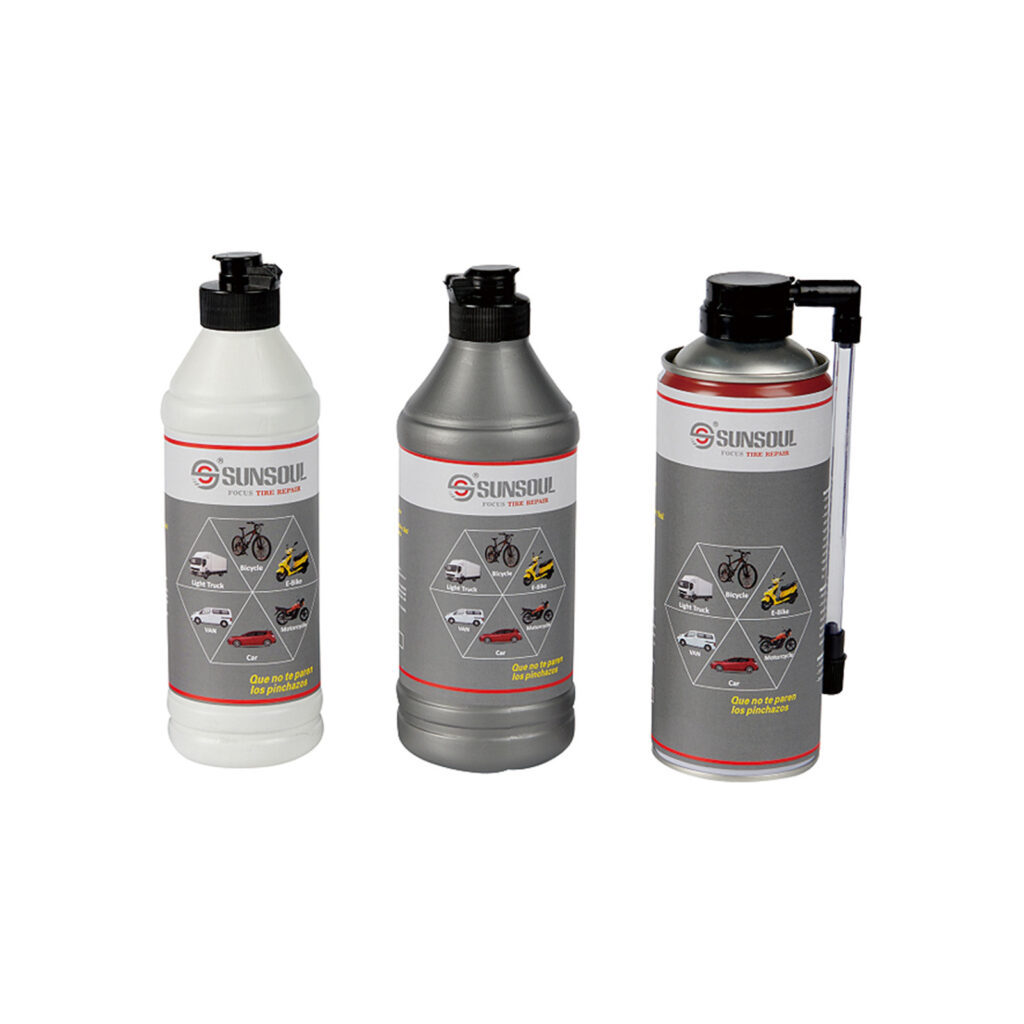
Tire patching and plugging are the best methods for repairing tires. Experts say these methods can restore tire strength and help prevent future blowouts. Mechanics use tire patches and plugs to repair small holes in the center of the tire. They will not repair sidewall damage or large holes because it is unsafe.
The table below lists the types of tire damage that can be repaired:
| Damage Type | Repairability Criteria and Definition |
|---|---|
| Small punctures in tread | Repairs are okay if the hole is 6 mm or less. It must be in the middle 75% of the tread. There should be no inside damage. |
| Large punctures (> 6 mm) | These cannot be fixed. The tire needs to be replaced. |
| Sidewall punctures or cuts | These cannot be fixed. The tire must be replaced. |
| Tread cuts exposing cords | These cannot be fixed. The tire must be replaced. |
Patch and plug repairs use vulcanization to make a strong seal. Patches last longer than plugs. Plugs can leak after some time. Using both patch and plug works best.
- Plugs alone can leak about 10% of the time.
- Patch and plug together make a stronger fix.
- Doing patch or plug repairs without training is not a good idea.
SUNSOUL Tire Patch Benefits
SUNSOUL tire patches provide a secure tire repair. The patch adheres tightly to the tire, ensuring a good seal. Suitable for all weather conditions. Its tear resistance is 20% higher than other tire patches. SUNSOUL tire patches are DOT and ECE R109 certified, contributing to driver peace of mind.
The following table lists the key features:
| Feature | Description |
|---|---|
| Strong Adhesion | Sticks tightly for a strong seal |
| Durability | Works in hot and cold weather |
| Tear Resistance | 20% tougher than other patches |
| Certification | DOT and ECE R109 certified |
| Warranty | 1-year warranty for peace of mind |
SUNSOUL patches last 7-10 years and make a permanent seal. Good patches keep tires working well and let mechanics check them. Patches fix bigger holes and keep tires safe for a long time.
Picking a patch instead of sealant gives better safety, longer tire life, and steady performance.
Tire sealants are not a permanent solution; they only temporarily relieve problems. Drivers should look for bulges, large holes, or exposed wires in tires. These signs indicate the tire needs genuine repair. Using a tire patch or seeking professional help ensures your safety. Regularly checking your tires helps prevent blowouts. After applying tire sealant, drive slowly and cautiously. Schedule a tire inspection at a tire shop as soon as possible. Inspect your tires regularly to detect problems early.
- Signs that mean you need a pro:
- Big cuts or bulges
- More than one hole or a big hole
- Damage inside the tire
- Be careful when driving after using sealant.
- Get a pro to check your tire soon.
- Fix or change your tire if needed.
Keeping your tires safe means checking them and fixing them on time.
FAQ
Can tire sealant repair large punctures?
Tire sealant is only effective for small punctures. Large punctures or sidewall damage require professional repair or tire replacement.
How long can I drive after applying tire sealant?
Most experts recommend driving no more than 100 miles (approximately 160 kilometers) or three days after applying sealant. After that, a permanent repair should be performed as soon as possible.
Will tire sealant affect tire pressure sensors?
Yes. Tire sealant can clog tire pressure sensors. After applying sealant, a mechanic may need to clean or replace the sensor.