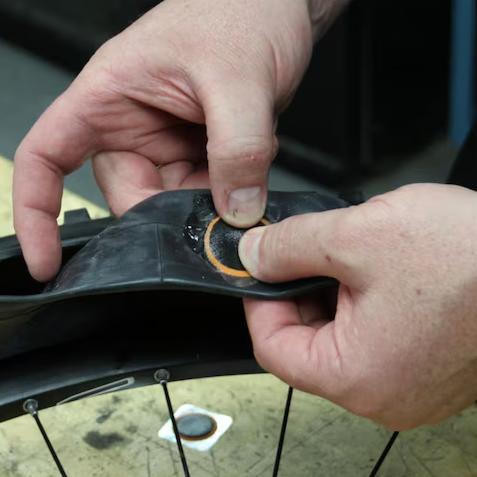

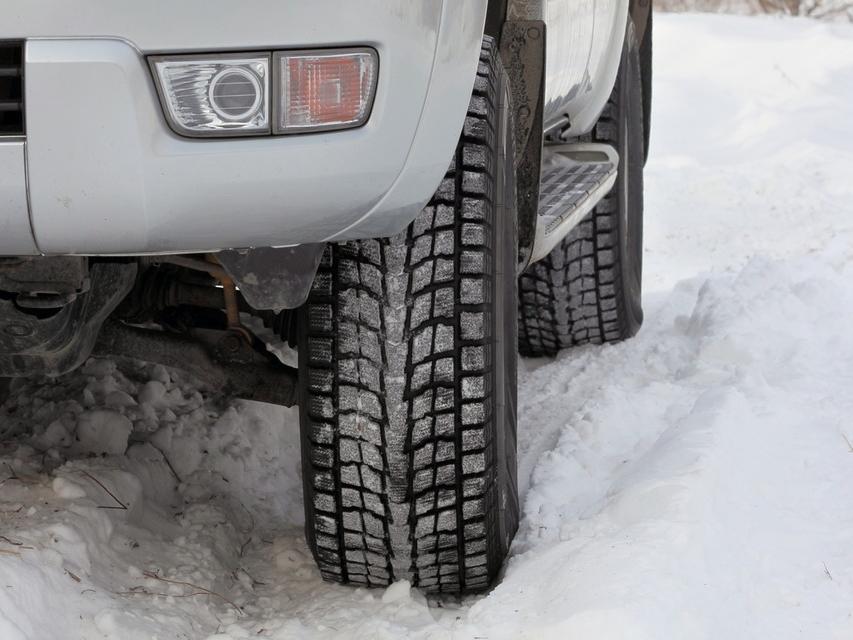
Yes, tires can be both patched and plugged, and this method provides the most reliable repair results. A tire patch involves filling the puncture with a rubber tire plug. A sealant, on the other hand, requires removing the tire from the rim and sealing the inner liner with a patch. Many experts recommend using both methods in combination for optimal safety and durability. Reputable brands like SUNSOUL offer high-quality patching pads to help ensure a strong repair.
Key Takeaways
- Combining patching and tire sealant is the best repair method. A patch is quick and easy, while a sealant provides a more lasting effect.
- For small punctures, always use a tire patching tool; for punctures requiring a more durable repair, use a tire patching kit that includes a high-quality patch.
- Combining both methods creates a strong seal, preventing leaks and ensuring tire safety.
- Inspect the tire condition before repairing. If the damage is on the sidewall or too extensive, seek professional help.
- Use reliable products like SUNSOUL tire patches for reliable, long-lasting repairs.
Plug a Tire vs. Patch a Tire
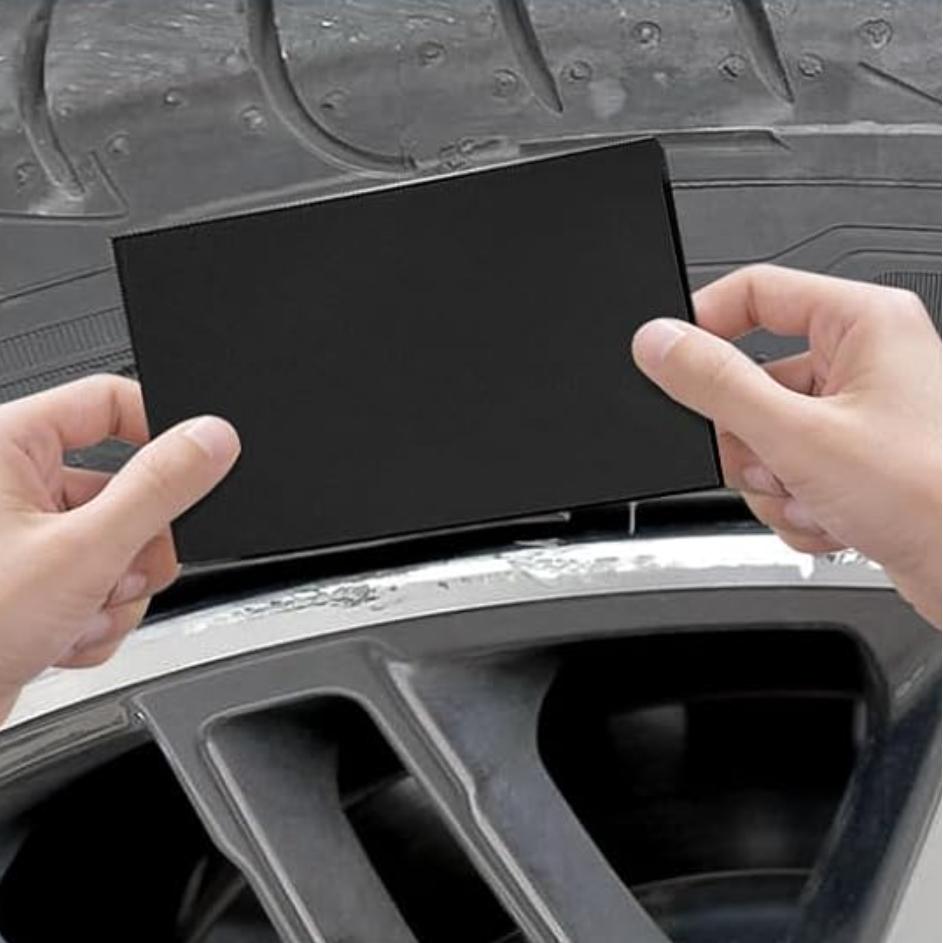
What Does It Mean to Plug a Tire?
When patching a tire, you insert a rubber plug into a small hole in the tire. This hole is usually caused by a sharp object, such as a nail. You don’t need to remove the tire from the rim. Many people like tire patching because it’s quick and easy. You can use a tire patching kit at home or on the road. Tire patching works for small holes in the tire tread, but not for sidewall damage or large holes. Tire patching is usually a short-term solution. It allows you to get back on the road quickly, but experts recommend a more thorough repair for safety reasons.
What Does It Mean to Patch a Tire?
When repairing a tire, the technician removes the tire from the rim. Then, they apply a patch to the tire’s inner liner. The patch stops the air leak. Tire repair takes longer and requires specialized tools. Tire repair is more durable than tire patching. If repaired properly, a patch can last for years. It’s best suited for repairing holes in the tire tread, not the sidewall. SUNSOUL tire sealant boasts high strength and excellent repair results. Tire manufacturers rigorously control materials and factory conditions to ensure product quality. A strong reputation and numerous repeat customers attest to the superior performance of SUNSOUL tire sealant.
Tip: Use a patch if you want a repair that lasts. Plugging by itself is not a long-term fix.
Why Combine Plug and Patch?
Using tire plugs and patches together yields the best results. Tire plugs prevent air from escaping, while patches cover the punctures inside the tire. This maintains the tire’s strength and safety. The U.S. Tire Manufacturers Association (USTMA) recommends using both methods simultaneously for safe and durable repairs. Many people and workers trust this method because it is truly effective.
| Repair Method | Installation Process | Durability | Cost | Suitability |
|---|---|---|---|---|
| Tire Plug | Easy to do, no need to remove the tire | Not as strong | Costs less | Good for short-term fixes |
| Tire Patch | Must take off the tire, harder to do | Lasts longer if done right | Costs more | Best for tread holes, not for sidewall damage |
How to Plug and Patch a Tire
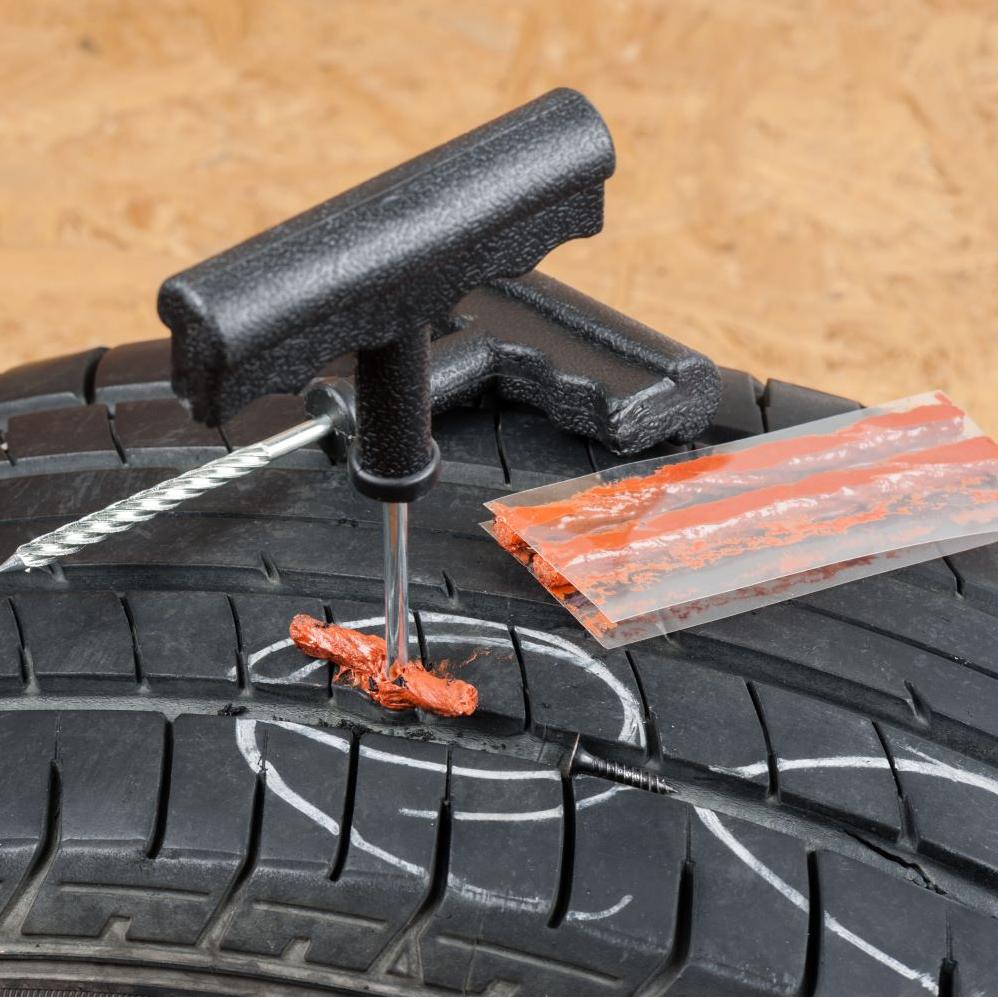
What You Need: Tire Plug Kit and Patch
Pluging tires requires appropriate tools. Tire plug kits can quickly repair small holes. Kits typically include a plug insertion tool, rubber plug, rubber glue, and a reamer. For tire repair, using a tire repair kit containing a high-quality patch (such as SUNSOUL tire patches) yields the best results. SUNSOUL patches offer strong adhesion and ease of use. The kit should also include a scraper, vulcanizing fluid, and a roller. Gloves and safety goggles protect your hands and eyes during the repair process.
| Tool | Purpose |
|---|---|
| Tire plug kit | Plug a tire quickly |
| Tire repair kit | Patch a tire for lasting repair |
| SUNSOUL Tire Patch | Reliable patch for inner liner |
| Gloves | Protect hands |
| Safety glasses | Shield eyes |
| Air compressor | Inflate tire after repair |
Tip: Always check the tire plug kit and patch supplies before starting. Quality tools make the repair safer and easier.
How to Plug a Tire: Step-by-Step
Tire patching can help drivers quickly get back on the road. Here are the steps to patch a tire using a tire patching kit:
- Assess the damage. Locate the puncture and check if it can be safely repaired.
- Lift the vehicle and remove the tire. This step makes the process easier.
- Remove any foreign objects causing the puncture, such as nails or screws.
- Prepare the puncture using the reamer from the tire patching kit. Clean and enlarge the puncture to allow the tire patch to fit.
- Insert the tire patch into the reamer.
- Apply rubber adhesive to the tire patch to enhance the seal.
- Push the tire patch into the puncture to complete the patch.
- Remove the reamer, leaving the tire patch inside the hole.
- Trim off any excess patch and wipe away any excess adhesive.
- Reinflate the tire and check for leaks.
Be sure to follow these steps carefully. Tire patching is best suited for small holes in the tire tread. A tire patching kit makes the process simple and quick.
How to Patch a Tire: Step-by-Step
Tire patches provide lasting durability. SUNSOUL tire patches offer strong and reliable repairs. Here are the steps:
- Remove the tire from the rim. This step allows you to access the liner.
- Locate the puncture inside the tire.
- Clean the area around the puncture. Remove dirt and debris with a scraper.
- Roughen the surface of the puncture by sanding it. This helps the patch adhere better.
- Apply vulcanizing fluid to the puncture.
- Tear off the backing of the tire patch. Cover the puncture with the patch.
- Press the patch firmly. Use a roller to remove air bubbles and ensure a strong bond.
- Wait for the patch to cure. Follow the instructions on the patch.
- Reinstall the tire onto the rim.
- Inflate the tire and check for leaks.
SUNSOUL tire patches make tire repair easier. The patch seals the puncture from the inside, preventing leaks and maintaining tire strength.
Final Checks and Safety Tips
After patching a tire, it is essential to check for leaks and ensure the tire pressure is correct. Safety is paramount during tire repairs. Experts warn against the following common mistakes:
- Improper tire sealing can cause leaks. Use appropriate tools to ensure a tight seal.
- Using unauthorized tools can cause structural damage, weakening the tire. Always use a professional tire repair kit and patch.
- Incorrect tire pressure affects handling and accelerates wear. Check tire pressure after each repair.
- Incorrect post-repair alignment can lead to uneven tire wear. Perform tire balancing and alignment if necessary.
Note: Never repair a flat tire with sidewall damage. Seek professional help if unsure about the repair.
For best results, always use high-quality products, such as SUNSOUL tire patches. Following these steps and tips will ensure safe and lasting repair results.
Is Plugging and Patching Safe?
Durability and Reliability
Combining tire patching and tack repair methods results in a strong and durable tire repair. The National Highway Traffic Safety Administration (NHTSA) states that only by using both methods simultaneously can tires be repaired safely and effectively. This prevents leaks and helps prevent further problems. The tack is tough and durable, helping to seal the inside of the tire and restore it to normal use.
When to Use Both Methods
Drivers should use both patching and tack repair methods to repair punctures in the tread area. Repairs are most effective if the puncture is less than a quarter inch (0.6 cm) wide and at least half an inch (1.3 cm) from the sidewall. Tires with sidewall damage, angled punctures, or punctures larger than a quarter inch need to be replaced. Old tires that are damaged or have severely worn tread should not be repaired. If a tire has bubbles, cracks, or a tread thickness less than 2/32 inch (approximately 1.6 mm), the tire is unsafe. In this case, the tire should be inspected by a professional.
Tip: Always look at where the hole is and how big it is before fixing a tire. If you are not sure, ask a tire expert for help.
Common Mistakes to Avoid
Many people make mistakes when plugging and patching tires. Not checking the damage right can make the tire unsafe. Putting the plug in wrong can mess up the balance and cause uneven wear. Not knowing when to get help can lead to blowouts and cancel the tire warranty.
| Error Type | Consequence |
|---|---|
| Improper assessment of damage | Tire may not be safe and could fail. |
| Incorrect insertion of the plug | Tire may wear unevenly and not last as long. |
| Failure to recognize need for help | Higher chance of blowouts and losing the tire warranty. |
Good products like SUNSOUL Tire Patch follow strict rules. They use natural rubber and special glue. They also meet certifications like ISO 9001 and DOT. These things help make sure the repair is strong and help the tire last longer.
Plugging and patching a tire together makes the repair strong and lasts a long time. Car experts say each way helps in different situations:
| Method | Benefits | Ideal Use Case |
|---|---|---|
| Tire Plug | Quick and simple for small issues; you do not need to take off the tire. | Good for emergencies or fast repairs. |
| Radial Patch | Makes a tight seal, stops air from leaking, and lasts longer. | Best for bigger or strange-shaped holes. |
Using high-quality products like SUNSOUL tire patches ensures a safe and secure repair. SUNSOUL patches are suitable for a variety of tires, easy to use, and help reduce waste. Tire mechanics recommend inspecting the inside of the tire after repair, removing debris, and balancing the tire. If the hole is large or located on the tire sidewall, the owner should seek professional help to ensure vehicle safety.
FAQ
Can I drive long distances after a tire repair?
Yes, you can drive long distances after a tire repair. This repair method provides a strong seal. Experts recommend checking tire pressure regularly for safety.
What types of tires can SUNSOUL Tire Patch repair?
SUNSOUL Tire Patch works on many tire types.
- Bikes
- Motorcycles
- Cars
- Trucks
- Agricultural machinery
How long does a plug and patch repair last?
A plug and patch repair can last for years. The patch seals the inside. The plug fills the hole. Quality products like SUNSOUL Tire Patch help extend the life of the repair.
Is it safe to repair a tire with a plug and patch near the sidewall?
| Location | Safe to Repair? |
|---|---|
| Tread area | Yes |
| Near sidewall | No |
Repairs near the sidewall are not safe. Tire experts suggest replacing the tire.
Do you need special tools to use SUNSOUL Tire Patch?
SUNSOUL Tire Patch requires a tire repair kit. The kit should include a scraper, vulcanizing fluid, and a roller. These tools help ensure a strong and lasting repair.