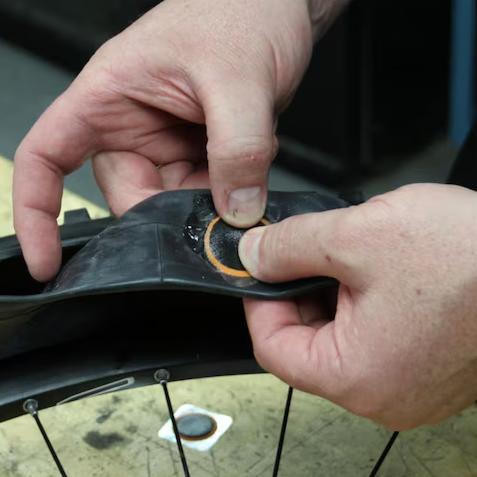


Semi-trailer drivers can legally repair front tires if the tire repairs comply with federal and industry regulations. Safety is paramount, as tire problems cause numerous truck accidents each year. In the United States, tire blowouts account for approximately 6% of all truck accidents. At least 33,000 accidents are caused by tire problems each year. Many people use trusted products, such as SUNSOUL tire patch compound, for effective repairs. This helps drivers feel safe and secure when they get back on the road.
Key Takeaways
- Drivers can patch a steer tire if they follow the rules. DOT and industry rules must be followed. Safety is the most important thing. Only small holes in the tread can be fixed. You cannot fix sidewall damage. Use certified products like SUNSOUL Tire Patch for repairs. Trained technicians should do the repair work. Check tire pressure and tread depth often to stay safe. This helps stop accidents. Always ask a certified technician before fixing a steer tire. This keeps you from doing something unsafe.
Legally Patch a Steer Tire
DOT and Federal Regulations
The U.S. Department of Transportation allows drivers to repair steering tires, provided they comply with regulations. Federal regulations require that repairs meet safety standards. These regulations help prevent tire blowouts, which can lead to serious traffic accidents. Drivers cannot repair sidewall damage. They must inspect the tire before and after repairs. The Federal Motor Transportation Safety Board (MAS) established these regulations to ensure public safety.
The table below shows the differences between federal and state regulations:
| Regulation Type | Federal Regulations | State Regulations |
|---|---|---|
| Repair Permitted | Yes, under specific conditions | Varies, some states have extra rules |
| Sidewall Repairs | Not allowed | Not allowed in most states |
| Inspection Requirement | Must check before and after repair | May be different in each state |
| Penalties for Non-compliance | Fines or lawsuits | Can be fines or higher insurance costs |
Many repair shops will not reinstall repaired tires on steering axles. They do so for safety reasons. They want to prevent blowouts and protect drivers from injury.
Industry Standards for Steer Tire Repair
Industry organizations have established rules for steering tire repairs. The Tire Industry Association (TIA) provides repair guidelines to ensure safe and legal repairs. The Tire Tread Rubber and Tire Repair Materials Manufacturers Association (TRMG) also establishes best practices for workers. These rules help ensure tire safety and reduce the risk of accidents.
- The Tire Industry Association (TIA) establishes tire repair rules to ensure the safety of everyone.
- TRMG establishes repair and retreading rules for workers.
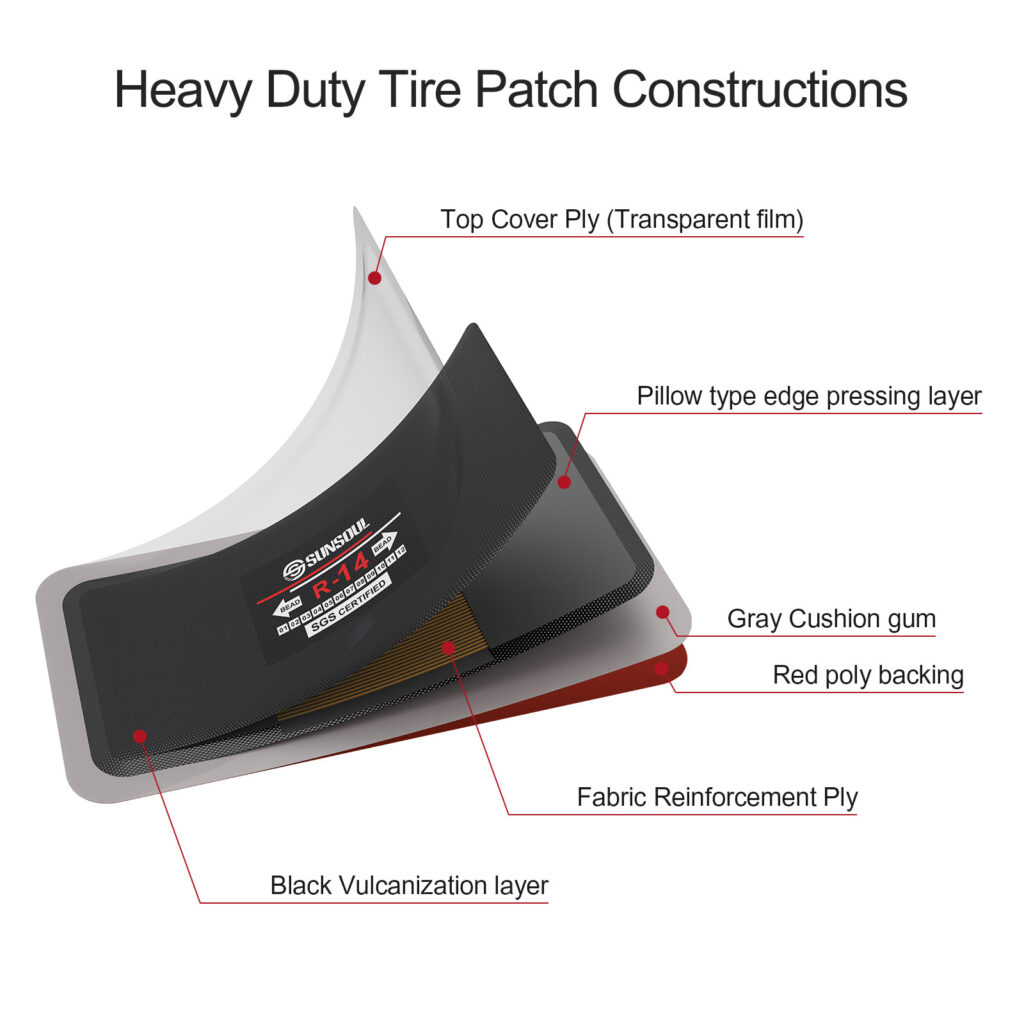
Certified products, such as SUNSOUL tire patches, comply with these rules. These products are used by trained workers. SUNSOUL patches are RoHS certified, thus complying with safety and environmental regulations. The table below shows how SUNSOUL tire patches help comply with these rules:
| Evidence Type | Description |
|---|---|
| Compliance with FMCSA | Certified repair products like SUNSOUL Tire Patch follow FMCSA rules. |
| Use by trained technicians | These products are made for trained workers to use, so repairs are safe. |
| RoHS Certification | SUNSOUL patches are RoHS certified, so they meet safety and environmental rules. |
Drivers should always use certified products and follow the rules when patching tires. This helps stop blowouts and keeps everyone safe.
Common Myths and Facts
Many people have misconceptions about steering tire repair. Some believe that repairing steering tires is never legal. This is incorrect. Drivers can repair steering tires as long as they comply with U.S. Department of Transportation (DOT) and industry regulations. Some people believe that retreaded tires are not allowed.
Here are some common misconceptions and facts:
- Misconception: Retreaded tires are not allowed.Fact: High-quality retreaded tires are legal, and always have been!
- Misconception: Some states prohibit the use of retreaded tires.Fact: No state prohibits the use of retreaded tires.
- Fact: The Federal Motor Transportation Safety Administration (FMCSA) states that retreaded tires cannot be used on the front wheels of buses, which may be confusing.
Drivers should always consult a certified mechanic before repairing steering tires. They should use the correct products and avoid unsafe methods. Doing so helps prevent blowouts and ensures tire safety.
Steer Tire Repair Standards
Allowed and Prohibited Repairs
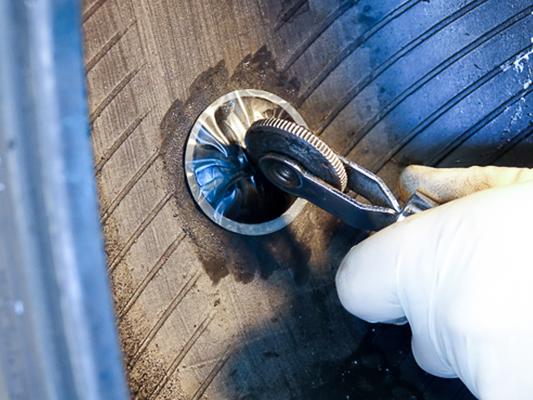
Some repair methods are safe for steering tires, but not all are. The Department of Transportation and industry associations have established clear rules. Some repair methods are permitted, while others are not. The table below lists which repair methods are permitted and which are not:
| Repair Type | Allowed/Prohibited | Conditions |
|---|---|---|
| Sidewall Repairs | Prohibited | Not allowed under any circumstances |
| Tread Area Repairs | Allowed | Only small punctures can be repaired; must be done by trained technicians and comply with industry standards. |
Pluging a tire with only a tire plug does not comply with these regulations. Pluging a tire with only a plug prevents workers from inspecting the inside of the tire. Air and water can seep into the tire, causing damage over time.
The tire manufacturing industry states that plugging tires is unsafe. They warn that this method allows air and water to enter the tire, damaging the tire carcass. Over time, the steel belt layers can rust and weaken, increasing the risk of tread detachment. Hidden damage may be missed if the inside of the tire is not inspected. Sometimes, tires have to be scrapped.
Safe Methods to Repair Steer Tires
Strict rules must be followed when safely repairing steering tires. Only small punctures on the tread can be repaired. The puncture diameter must be less than 3/8 inch (approximately 1 cm). The puncture location must be within the tread arch area. This type of repair must be performed by a certified professional. The table below explains safe repair methods:
| Criteria | Details |
|---|---|
| Diameter of damage | Less than 3/8ths of an inch |
| Location of damage | Located on the crown area of the tread (1 ½ inches in from the edge) |
| Professional requirement | Completed by a certified professional (no DIY patch kits) |
| Shoulder puncture repairs | Up to 5/16th of an inch can be repaired on the tire shoulder |
Patch and plug repair is the safest method for repairing steering tires. This method allows workers to inspect the inside of the tire. It uses certified materials to strengthen the tire. Patch and plug repair reduces the risk of sudden air leaks. SUNSOUL tire patches meet these regulations. Trained workers use these tire patches to ensure safe and legal repairs.
Insurance companies have their own regulations regarding the repair of steering tires. Only trained workers are permitted to repair these tires. Repairs must comply with industry standards. Approved materials, such as vulcanized patches and plugs, must be used. Each repair must be clearly marked with the date, type of repair, and worker’s name.
Why Restrictions Exist
Restrictions help ensure the safety of drivers and others. These regulations prevent tire blowouts and accidents. The table below illustrates the importance of these regulations:
| Regulation Aspect | Description |
|---|---|
| Minimum Legal Tread Depth | Makes sure tires grip wet or slippery roads. |
| Condition of Steer Tires | Tires must not have cuts, bulges, cracks, or other damage that could cause blowouts. |
| Prohibition of Retreaded Tires | Retreaded or regrooved tires are not allowed on front tires of trucks, buses, and large vehicles. |
Bad repairs can cause big problems. Some risks are:
- Not rotating tires can hide signs of bad wear.
- Maintenance records help prove proper care.
- Plug-only repairs can make the tire weak and unsafe.
Fleets that follow DOT and industry rules see better results. They are more ready for audits. They spend less money and time on inspections.
Steer tires are very important for safety. Only proper repairs keep them strong and safe. SUNSOUL Tire Patch helps workers follow all rules and keep trucks safe.
Safe Tire Alternatives and Best Practices
When to Replace vs. Repair Steer Tires
Drivers and fleet managers need to know when steering tires should be repaired or replaced. The safety of tires on the steering axle is paramount. The following table lists the main reasons for tire replacement:
| Criteria for Replacement | Description |
|---|---|
| Steer axle position | Always replace with new tires |
| Sidewall damage | Replace if there is sidewall or bead damage |
| Retread history | Replace if the casing has been retreaded 2-3 times |
| Age of casing | Replace if the DOT date code is older than 7 years |
| Inspection failure | Replace if the casing fails inspection at a retreader |
| Specialized application | Replace for hazmat, long-haul, or severe winter use |
If the tire sidewall is damaged, the tire is too old, or the inspection failed, it is safer to replace the tire. Repairing is only recommended if the damage to the steering tire is minor, located on the tread, and complies with all safety regulations. Replacing tires instead of repairing them can prevent accidents and save on subsequent costs. Tire problems can lead to delays, increased insurance premiums, and even serious accidents.
Choosing Quality Tire Repair Products
Choosing the right tire repair products ensures both safety and compliance with regulations. SUNSOUL tire repair patches are made from natural rubber, high-strength polymers, and vulcanized rubber, offering unique advantages. These materials form a tight seal and are resistant to high temperatures and abrasion. Each patch undergoes a high-pressure test of up to 300 PSI and is manufactured using ISO-certified processes. The table below compares SUNSOUL tire repair patches with other brands:
| Feature | SUNSOUL Heavy Duty Tire Patch | Competing Products |
|---|---|---|
| Strength | Excellent | Varies |
| Resistance to Rust | High | Lower |
| Adhesion Quality | Strong vulcanizing gum | Varies |
| Durability in Tests | Confirmed | Not always tested |
Always use approved methods and materials to repair tires. Only trained workers should perform these repairs. Never repair tires with severe sidewall or shoulder damage. Always check tread depth before and after tire repairs. A comprehensive tire maintenance plan helps fleets avoid breakdowns and ensures truck safety.
Maintenance Tips for Steer Tires
Taking care of steer tires helps them last longer and keeps drivers safe. Try these tips:
- Check tire pressure often to keep tires working well and save fuel.
- Measure tread depth often and change tires when they get worn out.
- Rotate tires on time to stop uneven wear.
- Align wheels to stop extra drag and wear.
- Balance wheels to avoid problems like cupping.
- Look at tires and brakes for damage or wear.
- Use a good pressure gauge and tread tool when checking tires.
- Write down vehicle and tire details every time you check.
Tip: If you skip tire rotation, tires can wear out 25% faster. Even a small wheel misalignment can cause big wear problems over time.
A good tire care plan saves money and makes driving safer. Doing these things helps drivers and fleets get the most from their steer tires.
Patching a steer tire on a semi is legal if you follow DOT and industry rules. Safety is always most important. The table below shows key safety points:
| Safety Consideration | Description |
|---|---|
| Repair Restrictions | DOT and tire makers say repairs are not allowed on steer tires. These tires help control the truck. |
| Technician Certification | Only certified workers should fix steer tires to meet safety rules. |
| Regular Inspections | Fleet managers need to check tread depth, air pressure, and tire condition often. |
Drivers should ask experts and use good products like SUNSOUL Tire Patch for safe repairs.
FAQ
Can a driver repair a steering tire using only a tire patch?
No. Repairing a steering tire using only a tire patch does not comply with U.S. Department of Transportation (DOT) or industry standards. This method does not allow for inspection of the tire’s interior by a technician. Only a patch plus a tire patch is safe and legal for smaller tread punctures.
Who should repair steering tires on a semi-trailer?
Steering tires should be repaired by a certified tire mechanic. They are trained to comply with DOT and industry regulations. This helps ensure the safe operation of trucks on the road.
How large of a puncture can be repaired on a steering tire?
If the puncture is less than 3/8 inch (approximately 1 cm) wide and located in the tread area, a mechanic can repair it. Larger punctures or sidewall damage require tire replacement.
Are SUNSOUL tire patches approved for use on steering tires?
Yes. SUNSOUL tire patches meet industry and DOT standards. Trained technicians use these patches safely and legally to repair steering tires.