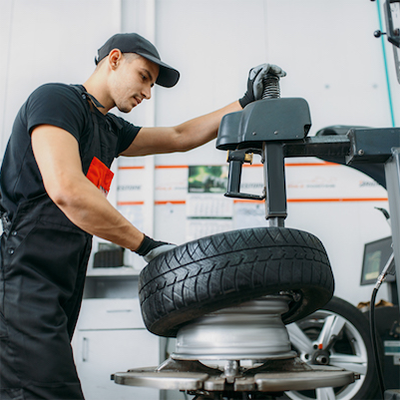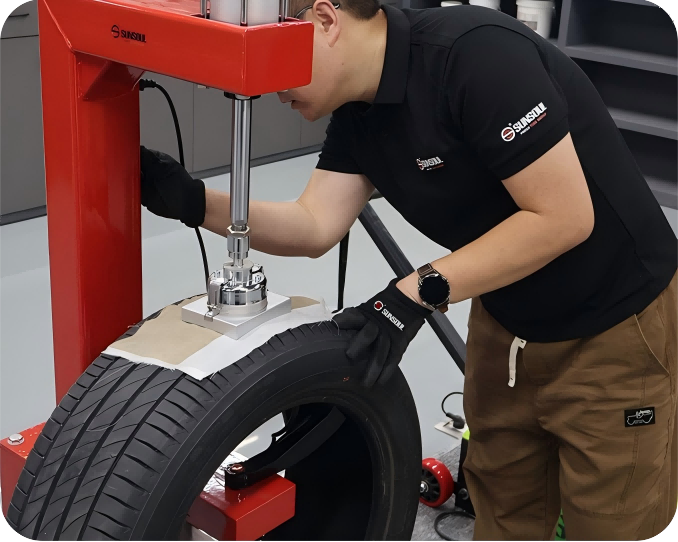

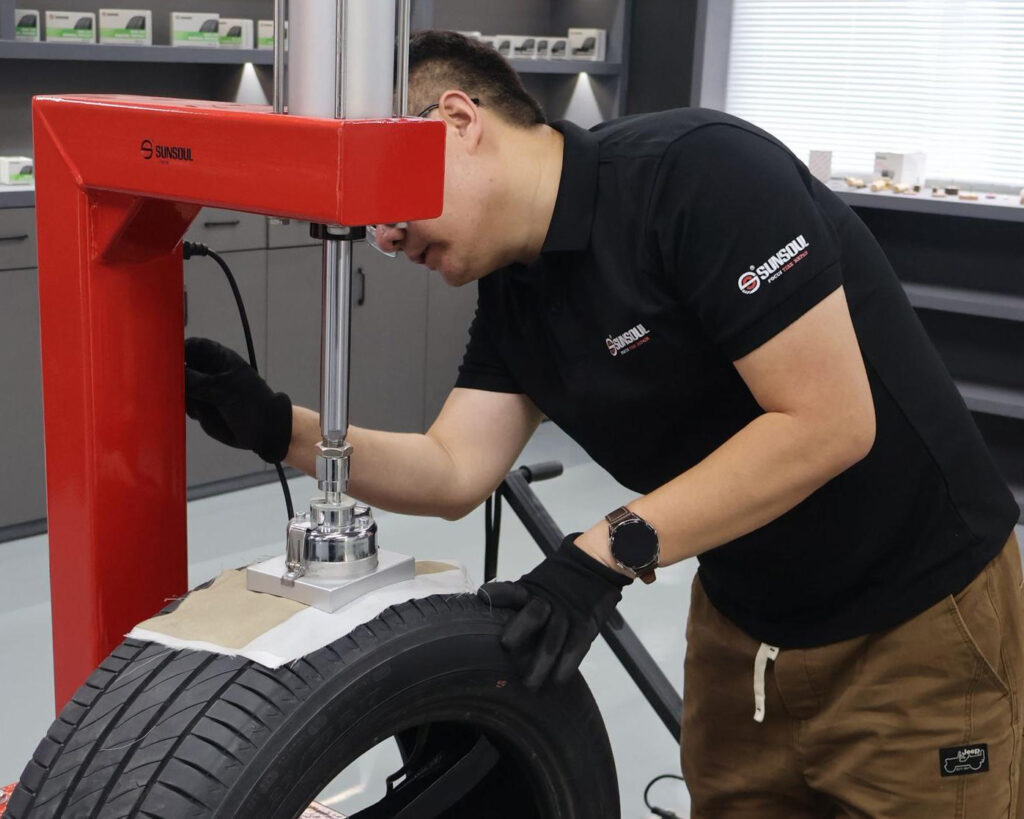
While repairing a tractor tire sidewall is technically feasible, experts point out that it should not be considered a standard practice. They recommend that high-quality repair tools—such as SUNSOUL tire repair patches—be used for emergency, temporary fixes only when an urgent situation arises.
🚜 Tip: After performing any emergency repair, it is crucial to have the tire inspected by a professional to ensure it remains safe for use during field operations.
Replacing the tire with a new one, or entrusting it to professionals for a thorough, permanent repair, is the best way to ensure the long-term safety of both the operator and the equipment.
Key Takeaways
- Repairing a tractor tire sidewall carries inherent risks. This procedure should be attempted only in emergency situations. Always prioritize safety above all else.
- Emergency repairs serve to facilitate moving the tractor to a safe location. Never treat such temporary fixes as a permanent solution; seek professional assistance as soon as possible.
- Experts suggest that, rather than repairing a damaged sidewall, it is often preferable to simply replace the tire with a new one. New tires offer superior safety and contribute to the tractor’s overall operational performance.
- When performing a quick emergency repair, opt for high-quality tools—such as those offered by SUNSOUL. Remember that these repair patches are not intended as permanent solutions.
- Regularly inspect your tires for damage and strictly adhere to the manufacturer’s usage guidelines. This proactive approach helps prevent sidewall damage and ensures your safety.
Tractor tire sidewall damage
Why sidewall damage is unique
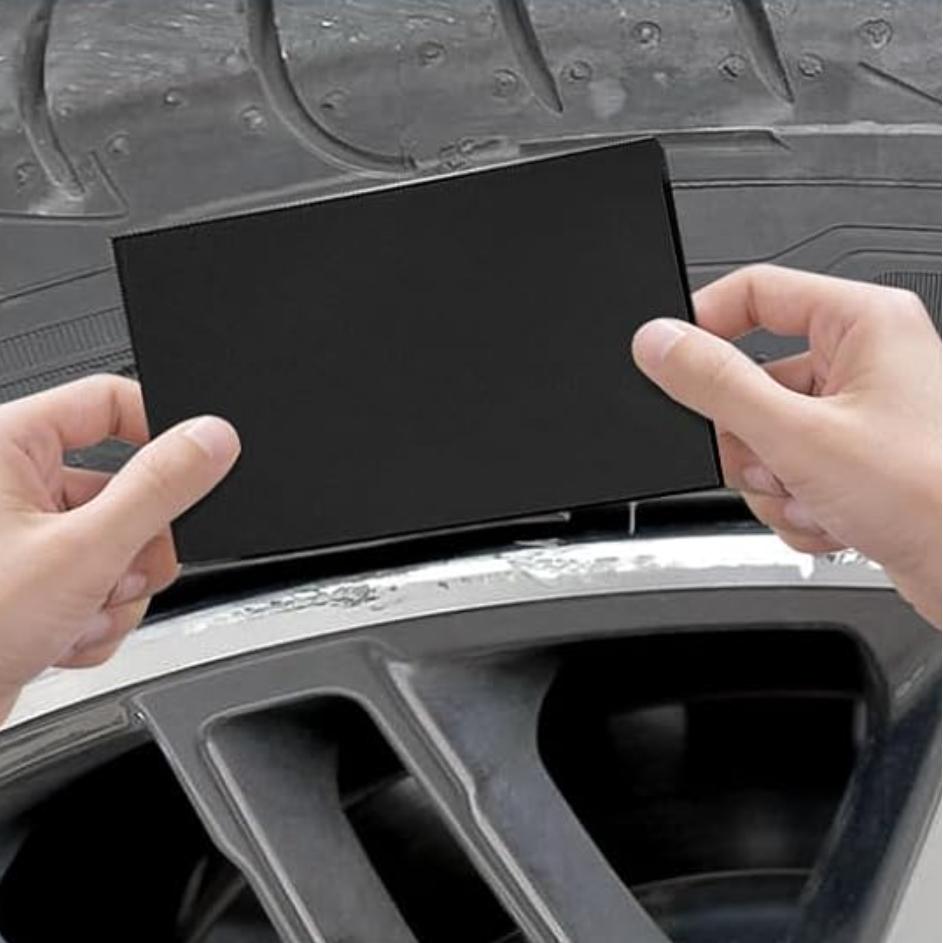
Sidewall damage on a tractor tire is a big problem for farmers and workers. The sidewall helps hold up the tractor’s weight. It also helps soften bumps from rough ground. If there is a cut on the sidewall, the tire can get weak fast. Many things can hurt the sidewall in farming or building work:
- Stubble from crops can poke or cut the tire.
- Sunlight can make the rubber weaker over time.
- Hitting rocks or trash can cut the sidewall.
- Not enough air makes the tire bend too much and get hot.
- Too much air can make flat spots and less grip.
- Weak spots can cause bulges or even a tear.
One person said many tire shops would not fix a sidewall cut. This shows that fixing sidewall damage is risky and most experts do not want to do it. The sidewall must stay strong to keep the tire safe. If the bead area is hurt, it is even harder to fix.
“Sidewall damage makes a tractor tire much weaker than tread damage. If the sidewall is not strong, the whole tire can fail. This means the tire could blow out more easily. It can also make the tractor less steady, especially if you turn fast or drive in bad weather. Tread damage mostly affects how well the tire grips the ground. It does not make the tire as unsafe as sidewall damage does.”
The way the sidewall is made also changes how you can fix it:
| Property | Value |
|---|---|
| Young’s modulus | 5.5 MPa |
| Poisson’s ratio | 0.45 |
Risks of sidewall repairs
Attempting to repair sidewall damage entails extremely high risks. The sidewall is the region of the tire that undergoes the greatest degree of deformation (flexing). This repetitive flexing generates heat, particularly when the tractor is carrying heavy loads. If one attempts to repair a sidewall cut using a patch, the patch often fails to adhere securely. The damaged area may deteriorate further due to tensile stress, potentially culminating in a tire blowout.
- The patching process itself may exacerbate sidewall flexing and lead to elevated temperatures, thereby accelerating the aging of the rubber material and the degradation of its structural strength.
- The inherent structural strength of the sidewall is lower than that of the tread; consequently, repair patches applied to the sidewall area often lack long-term durability.
- The damaged tear may gradually propagate, rendering the tire completely unfit for safe use.
Most experts strongly advise against attempting repairs on any area of the tire other than the tread. Given that the sidewall is the area of the tire subject to the most extreme deformation, it is not a suitable zone for repairs. When addressing issues with tractor tire sidewalls, ensuring operational safety must always remain the primary consideration.
When Is tractor tire sidewall Patching Okay?
Emergency repairs only
Farmers and workers operating in the fields sometimes encounter unexpected situations. For instance, a tractor’s tire sidewall might sustain damage while far removed from any assistance. In such critical moments, a quick repair can help move the tractor to a safe location. People typically use patches to seal the leak point. However, this method of repair is not permanent; it serves merely as an emergency measure to be utilized only when no other options are available.
⚠️ Note: Emergency repairs should never replace a full inspection by a tire expert. Safety comes first.
Many experts warn against relying on temporary repairs for extended periods. They point out that hasty emergency fixes often lead to more extensive and arduous rework later on. High-quality rubber materials are crucial for ensuring road safety. Some users have shared their experiences, noting that while a patch may work effectively for a short time, neglecting it over the long term can trigger more serious malfunctions. Others point out that if potential risks are not fully assessed, vehicle failure becomes an almost inevitable consequence.
- Temporary repairs can provide emergency assistance in a pinch.
- Such repairs should be applied only as a transitional measure to allow the tractor to be driven to a repair shop.
- Relying on temporary repair solutions for the long term will, in fact, exacerbate the damage to the tire.
Temporary vs. permanent fixes
Not all tire repair methods are equally effective. Some patches merely cover the puncture from the outside of the tire; these are referred to as “temporary repairs.” They lack durability—particularly when applied to the tire sidewall—and often do not hold up for very long. In contrast, a “permanent repair” involves adhering a specialized, high-strength patch to the *interior* of the tire. This method provides superior airtightness and offers a significantly longer service life.
The table below outlines the key differences between temporary and permanent repairs:
| Repair Type | Description | Durability |
|---|---|---|
| Temporary Repair | A simple, external fix for small holes, not suitable for sidewalls. | Short-term only |
| Permanent Repair | An internal patch designed for strength and flexibility in high-flex areas. | Long-lasting seal |
A permanent repair works best when the damage is small and not deep. The sidewall moves a lot when the tractor works. This makes it hard for any patch to stay in place. Most experts say that a new tire is the safest choice if the sidewall is cut or torn.
🛠️ Tip: Always ask a professional if a repair is safe. Never use a patched sidewall for heavy work or high speeds.
A good repair can help in an emergency, but it cannot replace the strength of a new tire. Farmers should think about the risks and rewards before choosing to patch a sidewall.
Tractor tire sidewall repair kit options
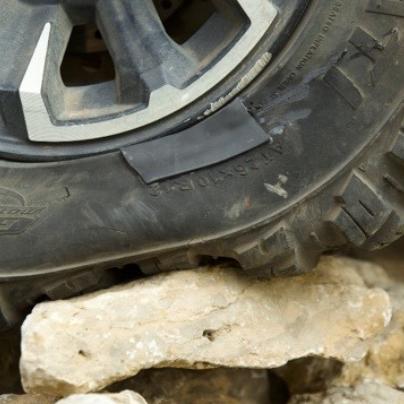
Using a tractor sidewall tire repair kit
Farmers and field workers frequently utilize repair kits to perform quick fixes. These kits are invaluable for rapidly repairing tractor tires in emergency situations. Two popular options include the GlueTread Tractor Tire Sidewall tire patch and the SUNSOUL Heavy-Duty Tractor Tire Repair Kit. The table below highlights the differences between these two kits:
| Feature/Aspect | GlueTread Kit | SUNSOUL Kit |
|---|---|---|
| Tire removal | No, repair on tire while mounted | No, designed for fast field repairs |
| Repair method | Glue-based patching | Vulcanizing gum and patches |
| Suitable tire types | Many, focused on sidewall punctures | All, including heavy-duty tractor tires |
| Ease of use | Easy for beginners | Easy with clear instructions |
| Repair speed | Fast, minimal downtime | Fast, can patch in minutes |
| Warranty/support | N/A | Lifetime maintenance consultation |
| Pros | Quick fixes, easy to use | High-quality, reliable, multi-vehicle use |
By using a tractor tire sidewall repair kit, you can complete a tire repair in less than ten minutes. This helps save time and ensures your tractor remains operational. These repair kits are commonly used during field operations, for roadside emergency repairs, and even on All-Terrain Vehicles (ATVs) or trucks.
To use the repair kit safely, please follow these steps: First, inspect the interior and surface of the tire for any sharp foreign objects. Turn off the tractor’s engine and carefully search for the source of the air leak. Apply soapy water to the tire’s surface; observe for bubbles to pinpoint the exact location of the puncture. For smaller punctures, a sealant may suffice; for larger punctures, a patch or mushroom plug will be required. Finally, inflate the tire to the recommended pressure and perform a final check to ensure there are no remaining leaks.
⚠️ Safety Tip: Never stand in front of the tire when filling it with air. Always stand to the side and make sure the tire is safe.
SUNSOUL Tire Patch features
SUNSOUL tire repair patches are an excellent choice for sidewall repair kits. Constructed from robust and durable materials, they are capable of handling a wide range of heavy-duty applications. The table below highlights the unique features of these repair patches:
| Material Type | Description |
|---|---|
| Butyl Rubber | Keeps air inside, good for heavy-duty patches. |
| Vulcanized Rubber | Strong and bends easily, good for permanent repairs. |
| Composite Materials | Mixes rubber and fabric for more strength and flexibility. |
SUNSOUL repair patches are suitable for use on a variety of vehicles, including tractors, trucks, and bicycles. They utilize vulcanizing cement to create a secure, airtight seal. Many users have reported that these patches continue to perform exceptionally well, even after prolonged use. The repair kit comes with clear, easy-to-follow instructions and includes lifetime technical support. This makes the task of repairing tractor tires easier and safer for everyone.
Tractor tire sidewall Risks and alternatives
Potential failures
Repair patches applied to a tractor tire’s sidewall may fail for a variety of reasons. As a tractor moves, the tire’s sidewall undergoes significant deformation—constantly flexing and stretching. This continuous movement can cause the patch to detach or lead to air leaks. Many tire repair shops refuse to repair punctures in the sidewall precisely because they are acutely aware of these inherent risks. There have been instances where individuals faced legal action after a sidewall repair patch failed, resulting in a traffic accident. These risks underscore the critical importance of the principle: “Safety First.”
- Due to the constant flexing and stretching of the sidewall, the long-term durability of the repair patch cannot always be guaranteed.
- If the repair patch fails to form a completely airtight seal, it may result in air loss.
- Tire repair shops often inform customers that punctures in the sidewall are unrepairable.
- Patch failure can trigger traffic accidents and lead to personal injury.
A small puncture in the sidewall can often quickly escalate into a major problem. During operation, a tractor tire could burst at any moment. This not only risks damaging the tractor itself but also places the driver in grave danger.
Replacement and professional repair
Farmers have several choices when they need to fix a damaged tire. Some methods work better than others. Professional repair shops use special patches inside the tire. They may use hot or chemical vulcanizing to make a strong bond. Large farm patches and boots can also help. Sometimes, workers add a new tube or patch the old one. For bigger holes, they may lace the tire with wire before patching. Bead sealer can keep dirt out and help the patch stick.
- Hot or chemical vulcanizing patch from the inside
- Large farm patch on the inside
- Booting the tire
- Installing a new tube or patching the old one
- Lacing up with bailing wire and applying a patch over it
- Using bead sealer to keep debris out
Many experts say that replacing the tire is the safest choice. The cost depends on the type of repair or replacement. The table below shows common prices:
| Repair Type | Cost Range |
|---|---|
| Basic Flat Repair | $30–$80 |
| Tube Replacement | $75–$150 |
| Tire Replacement | $200–$400 (compact)$400–$700 (mid-sized)$800–$2,000+ (large) |
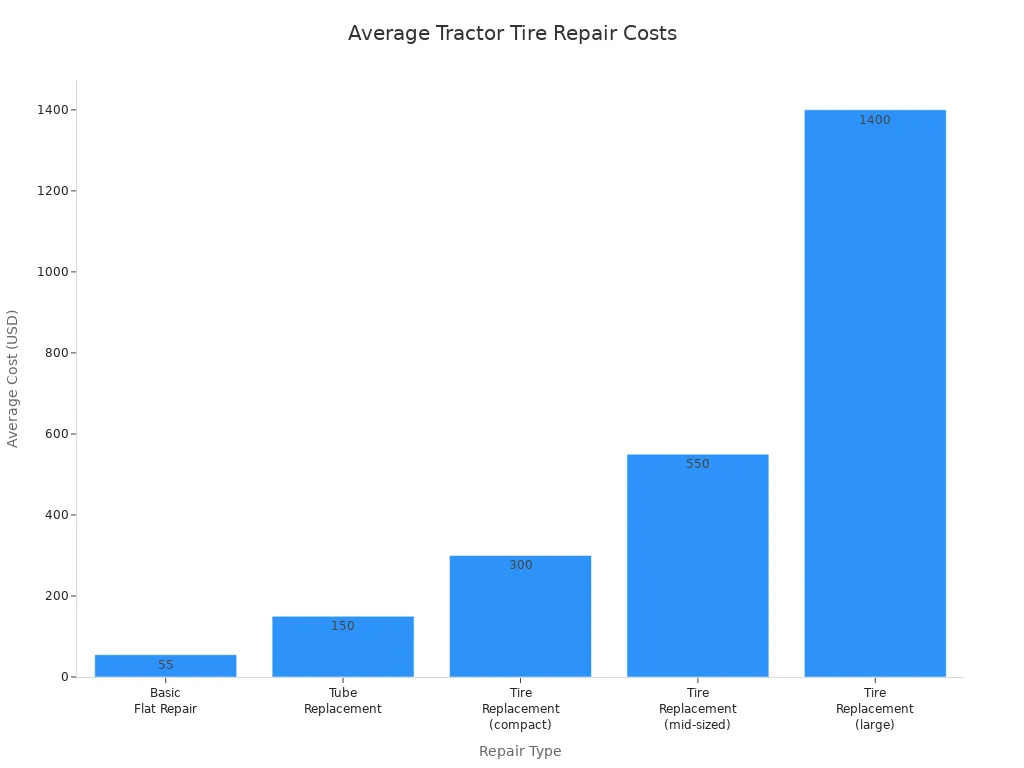
A new tire costs more, but it gives the best safety and performance. Professional repair also helps keep the tractor running longer and reduces the risk of sudden failure.
Patching a tractor tire sidewall should only be done in emergencies. This kind of repair is risky and not for normal use. Products like SUNSOUL Tire Patch can help for a short time because they are trusted and well-known:
| Evidence Description | Supporting Detail |
|---|---|
| Commitment to Quality | SUNSOUL products follow tough USA rules and get tested a lot. |
| Superior Patch Quality | These patches have safety awards from around the world. |
Experts say it is better to have a pro check the tire or get a new one instead of patching. Here are some important things to remember:
- A bump on the sidewall could mean the inside is hurt, so it needs a close look.
- Big cracks or tears mean you need a new tire, not just a patch.
- Checking your tires often and doing what the maker says can stop problems.
After any repair, always check if the tire is still strong. Cold repairs are good for small holes. Hot repairs are better for bigger cuts if the tire is still tough.
FAQ
Can anyone repair a tractor tire sidewall?
Only professionally trained personnel should attempt to repair a tractor tire sidewall. They possess the knowledge to safely and correctly utilize tire repair kits. Untrained individuals risk causing tire failure due to improper handling.
How long does a sidewall repair last?
A sidewall repair is typically a short-term solution. It is primarily intended for emergency situations. Therefore, farmers should replace the tire with a new one as soon as possible.
What tools are required to repair a sidewall?
Basic tools include a tire repair kit, a scraper, and an air pump. Some repair kits (such as those from the SUNSOUL brand) contain everything needed to perform a quick repair.
Is a repaired sidewall suitable for field work?
A repaired sidewall is not suitable for heavy-duty field operations. Under high-stress conditions, the repaired area may fail. Experts recommend using a new tire to ensure maximum safety.