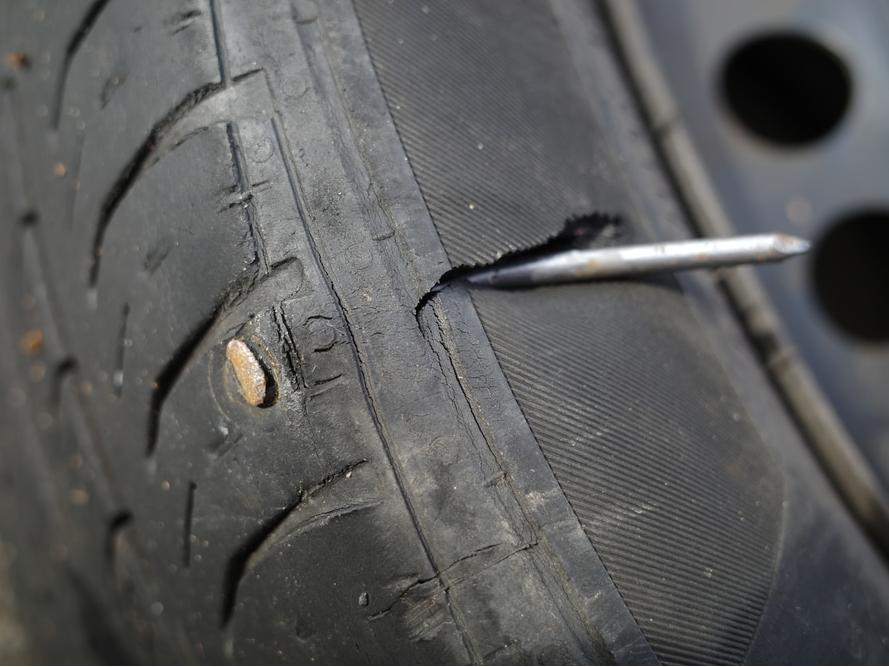

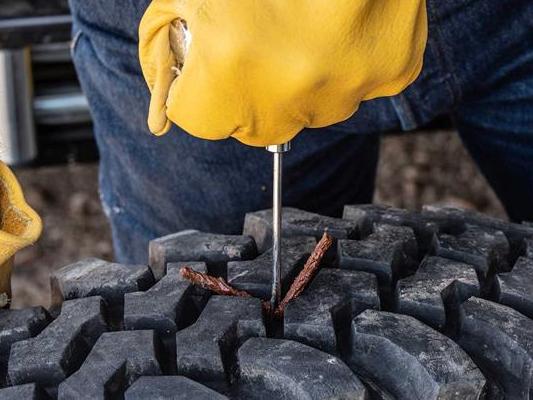
Many tire manufacturers advise caution when repairing UTV tire sidewalls. Repairing sidewalls can lead to numerous safety hazards, such as tire blowouts, uneven tire wear, and increased fuel consumption. While some specialized products can temporarily repair UTV tire sidewalls, experts point out that these repair methods may not restore the tire to its previous strength. Some users have found that certain repair methods are only temporarily effective. While using appropriate repair methods and strong materials can improve repair results, drivers still need to understand the risks involved.
Key Takeaways
- Repairing UTV tire sidewalls is very dangerous. Experts recommend replacing the tire if the sidewall is damaged.
- Before attempting a repair, assess the type and size of the damage. Small holes in the tread can be repaired, but sidewall damage is often irreparable.
- Use a high-quality repair kit for short-term repairs. Repair kits from brands like SUNSOUL and GlueTread are popular and effective.
- Always follow safety rules after a repair. Regularly check tire pressure and inspect the repair area for leaks or other damage.
- If the tire damage is severe, seek professional help. A well-trained technician can ensure safe and lasting repairs.
Can You Patch UTV Tire Sidewalls?
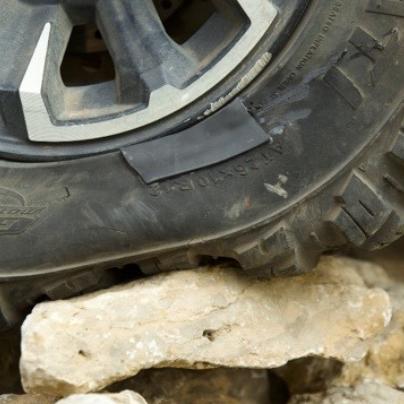
Industry Guidelines
Many experts have strict guidelines for tire repair. The Tire Industry Association (TIA) also provides advice on sidewall damage.
If you find cuts, holes, or bulges in the sidewall, you need to replace the tire. This is a major rule for off-road tires.
Most rules state that sidewall damage cannot be repaired. Off-road tires have a high degree of flex, so the sidewalls must remain strong. Even a small hole can lead to a dangerous blowout.
- Sidewall damage cannot be repaired; you need to replace the tire.
- Off-road tires have a high degree of flex, so the sidewalls must remain strong.
- Even a small hole can lead to a very serious blowout.
These rules help ensure driver safety. They indicate that repairing the sidewalls of UTV tires is not always safe or permissible.
Types of Sidewall Damage
Sidewall damage can manifest in many forms. Common types include cuts, punctures, and bubbles. Cuts are usually caused by sharp stones or debris hitting the tire. Punctures are likely caused by nails or branches. Bubbles are formed when air is forced out of the tire after a rupture inside.
The severity of sidewall damage is crucial. This helps determine if a UTV tire can be repaired. If the damage is in the middle of the tread, it is usually not repairable because it weakens the tire and can lead to a dangerous blowout. However, if the puncture is in the middle of the tread, it can usually be safely repaired.
Drivers should check the type and size of the damage before attempting to repair a UTV tire. If the damage is deep or wide, it cannot be repaired. If the damage is small and located on the tread, it can be repaired.
Risks and Limitations
Repairing the sidewall of a UTV tire carries several risks. The severity and location of the damage are critical. Incorrect repairs can lead to serious safety problems such as blowouts and tread detachment. Not all sidewall punctures can be repaired; punctures too close to the sidewall can reduce tire strength.
Experts say that punctures in the tread can be repaired, but damage to the sidewall or shoulder cannot be safely repaired. The location of the puncture is crucial to whether the tire can be repaired.
Drivers must understand these risks before attempting to repair a UTV tire. Safety first. If the damage is on the sidewall, it is generally best to replace the tire.
Patch UTV Tire: Methods and Products
External Patch Kits
Many people use external tire repair kits to patch tire sidewall damage. These kits can help you quickly repair UTV tires while off-roading. SUNSOUL heavy-duty tire patches are robust, durable, and easy to use. Made from natural and synthetic rubber, they offer excellent flexibility and durability. SUNSOUL is trusted by users in over 60 countries worldwide. They appreciate the convenience and excellent seal of these patches.
Other kits, such as GlueTread and Stop & Go, are also popular. GlueTread offers flexible patches for small cuts. Stop & Go uses self-adhesive cord-like patches, making them easy even for beginners. Both kits have received positive reviews from off-road teams. The Sidewall Slug kit is suitable for larger sidewall damage. User feedback indicates that these patches last for a long mileage, even on rough roads.
| Kit Name | Patch Types & Sizes | Ease of Use | Repair Strength | Portability | User Ratings / Endorsements |
|---|---|---|---|---|---|
| SUNSOUL Off-Road Kit | Multiple, round/varied | Simple steps | High, vulcanizing | Compact case | Trusted in 60+ countries |
| GlueTread SxS UTV Kit | Multiple, flexible sizes | Very easy | Good for small cuts | Small pouch | ⭐ 4.5 stars, 1,000+ reviews |
| Stop & Go SW1000 | Self-vulcanizing cords | Beginner-friendly | Strong, flexible | High-vis case | Used by off-road recovery groups |
| GlueTread External Patch Kit | Large, external patches | No tire removal | Durable, field-tested | Lightweight | Endorsed by Discover Off-Road Adventures |
| Sidewall Slug | Rubber slugs, patches | Quick fix | Lasts for miles | Trail bag size | Popular for big sidewall damage |
Sealants and Plugs
Tire sealants and plugs are another way to repair the sidewalls of UTV tires. Sealants fill small holes to prevent leaks. Plugs are best for patching holes in the tread, but some people also use them to repair sidewall damage. These repairs are not permanent, but they can help you get out of trouble safely. GlueTread and Stop & Go kits include sealant and plugs for quick repairs.
Tip: Sealants and plugs are best for patching small holes. They do not restore the tire to its original strength.
Temporary vs. Permanent Fixes
Drivers need to choose between short-term and long-term repairs. Most UTV tire repair kits are only for short-term use. SUNSOUL heavy-duty tire patches provide a good seal, but experts recommend replacing the tire for safety. GlueTread and Stop & Go tire repair kits can help you finish the rest of your trip, but the tire will be less strong than before.
Choosing the right tire repair kit depends on the extent of the damage, the strength of the repair, and ease of use. SUNSOUL is suitable for those who want strong, easy-to-use patches. GlueTread is ideal for small cuts and quick repairs. Stop & Go is suitable for beginners who want easy tire repair. Drivers should review the kit’s features and read user reviews before making a selection.
How to Patch UTV Tire Sidewall
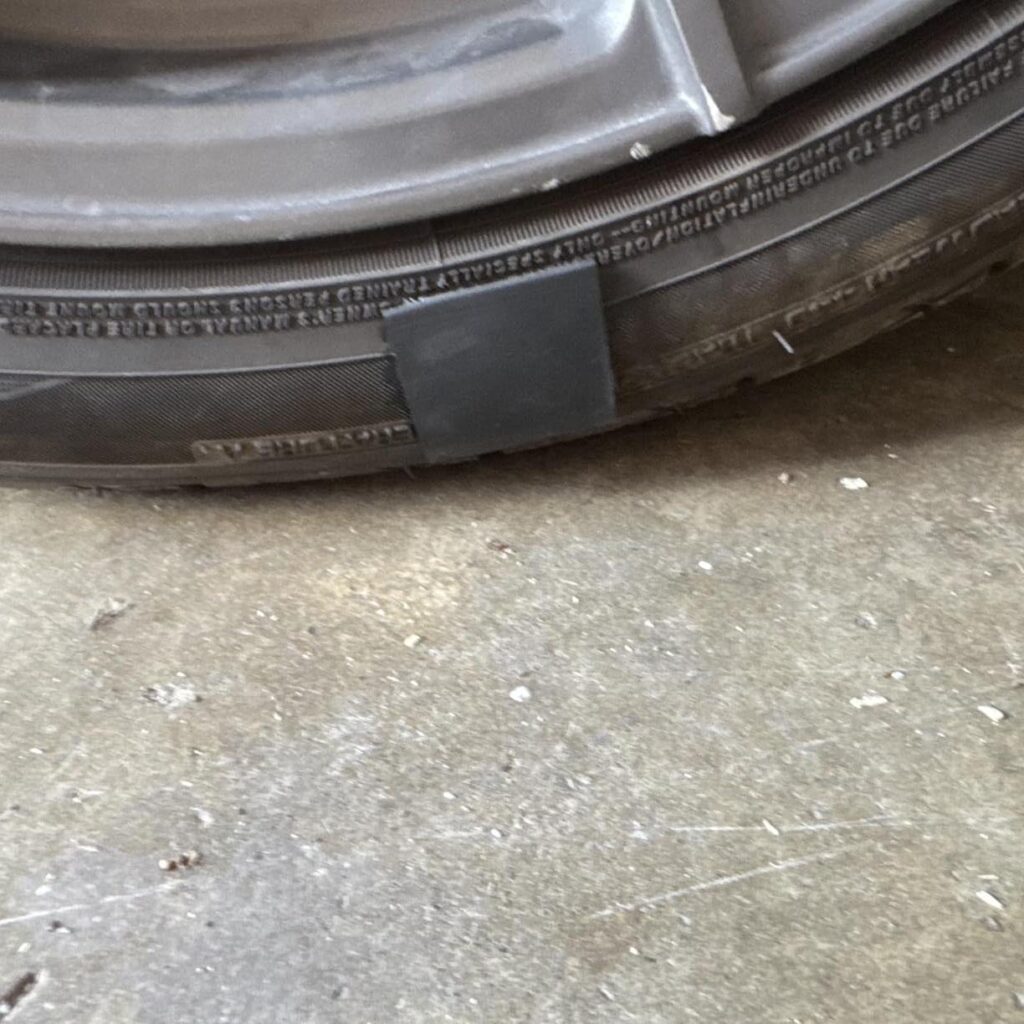
Tools and Materials
You will need the right tools and materials to repair a UTV tire sidewall. Experts recommend using a kit that includes a strong patch, glue, and cleaning tools. The table below lists the items typically included in a repair kit:
| Tool/Material | Description |
|---|---|
| Rugged ballistic nylon case | Tough and small, easy to grab and store. |
| Metal tools | Includes reamer, needle tool, pliers, and knife, all made of metal. |
| 30 brown plugs | Top recovery experts suggest these for fixing tires. |
| Tire pressure gauge | Needed to check tire pressure after you fix it. |
| Bottle of lube | Helps put plugs in the tire more easily. |
| Rubber valve stem | Extra part for replacing the valve stem. |
| Dual-purpose valve core tool | Lets you take out valve cores and let air out fast. |
| Power Tank Rescue Valve | Lets you quickly swap out broken valve stems. |
| Steel wire | Used to sew up big tears in the sidewall. |
| Illustrated instructions | Shows you how to use the kit step by step. |
A good patch kit helps drivers fix tires fast and safely. Most kits have pictures to show beginners what to do.
Preparing the Area
Before repairing a tire, the driver must prepare the damaged area. Proper preparation helps the patch adhere better and extends its lifespan. Experts recommend following these steps:
- Carefully inspect the puncture to assess its extent.
- Clean the puncture so the patch can adhere firmly.
- Insert the patch or sealant according to the kit instructions.
Cleaning removes dirt and debris. Inspecting the puncture helps you understand its location and size. Following these steps will improve the repair’s effectiveness.
Applying the Patch
The manufacturer provides clear steps for repairing the sidewall of a UTV tire. The process involves several steps to ensure a strong patch adhesion:
- Prepare your repair kit, which includes glue, sandpaper, the patch, and a marker.
- Locate the puncture on the sidewall. Remove any foreign objects stuck inside. Clean the puncture with a cloth and cleaning agent.
- Sand the area around the puncture with sandpaper.
- Apply glue to the edges of the puncture. Press for 30 seconds to close it. Sand away any excess glue.
- Apply the patch to the crack. Mark the edges of the patch on the tire with a marker.
- Apply adhesive to the area where the patch will be applied, ensuring complete coverage.
- Press the patch firmly onto the adhesive-covered area and the crack. Press for 30 seconds to allow the adhesive to bond firmly.
- Wait a few minutes for the adhesive to dry. Inflate the tire. Check for leaks by using water or by hand.
These steps help drivers better repair UTV tire sidewalls. Following these steps can make the repair last longer.
Safety Tips
Safety is the most important part of tire repair. Drivers should follow these tips to keep the patch secure and avoid problems:
Tip: Always check tire pressure after fixing. Use a tire pressure gauge to make sure the tire is safe.
- Do not drive at high speeds after sidewall repair.
- Regularly check the patch for damage or leaks.
- If the damage worsens or the patch fails, replace the tire.
- For larger cracks, a temporary repair can be made using wire, but this should only be done temporarily.
- For best results, follow the diagrams in the kit.
Drivers repairing UTV tire sidewalls should closely monitor the tire’s condition. If the repair fails or the damage worsens, replacing the tire is the safest course of action.
When to Patch or Replace UTV Tire
Patch Longevity
Applying a patch to the sidewall of a UTV tire can help in emergencies. Most patch pieces don’t last as long as new tires. Inclement weather, rough roads, and heavy loads accelerate patch wear. Drivers should regularly check the patch for leaks or damage. If the patch comes off or the tire leaks air, its lifespan may be short. Experts say patch pieces are best suited for short-term use. For long trips or rough roads, replacing the tire is safer and provides better performance.
Replacement Criteria
Not all tire damage can be repaired. Experts have clear guidelines on when to replace UTV tires. The following table lists the key points:
| Criteria for Replacement | Explanation |
|---|---|
| Location of Damage | Damage in the sidewall or shoulder area cannot be repaired safely. |
| Size of Puncture | Punctures larger than ¼ inch (6 mm) compromise the tire’s integrity. |
| Previous Repairs | Multiple repairs in close proximity weaken the tire, necessitating replacement. |
| Internal Damage | If the tire has been driven while flat, internal damage prohibits repair. |
Many drivers visit tire shops for repairs. Professionals inspect for hidden problems, such as internal sidewall damage. They use specialized tools and high-quality materials for robust repairs. Many tire shops offer warranties for peace of mind.
Professional Help
Many drivers visit tire shops for repairs. Professionals inspect for hidden problems, such as internal sidewall damage. They use specialized tools and high-quality materials for robust repairs. Many tire shops offer warranties for peace of mind.
“We follow industry-standard repair procedures to ensure your safety. This includes inspecting the tire, using the correct repair techniques, and performing tire balancing after repair.”
For small punctures, you can repair them yourself, but for larger damage, it’s safer to go to a professional repair shop. Experts recommend seeking help from a professional mechanic if there are tears or deep cuts in the tire sidewall.
Experts say that repairing UTV tire sidewalls is not easy. They advise owners to check the extent and location of the damage. Most experts recommend replacing the tire if the sidewall is punctured. Some professional mechanics may be able to repair certain situations, but this is not always the case. People often make mistakes, such as using tread patches or inferior materials on the sidewall. These mistakes can lead to leaks or blowouts.
- High-quality repair kits like TECH Permacure® can completely repair tires.
- Relevant guidelines can help owners determine whether to repair or replace the tire.
- You can seek help from a professional or try it yourself.
UTV owners should read the tire manufacturer’s instructions and consult an expert to ensure safe repairs.
FAQ
Can a repaired UTV tire sidewall be used for long-distance driving?
A repaired sidewall is best suited for short-term emergency use. Drivers should not use repaired tires for long-distance driving. Experts recommend replacing the tire as soon as possible for safety reasons.
What tools are needed to repair a UTV sidewall?
Most tool kits include a patch, glue, sandpaper, and a cleaning cloth. Some kits also include metal tools and diagrams. Drivers should check the tool kit before starting the repair.
Will a sidewall patch be as strong as a new tire?
A patch cannot restore the original strength of a tire. The strength of a repaired sidewall will be reduced. Tire manufacturers recommend replacing the tire for safety reasons.
How can I tell if a sidewall patch has failed?
Drivers should check for leaks, bulges, or patch detachment. If the tire is leaking air or new damage appears, caution is needed. If a problem is found, replace the tire.