
Applying tire patches to the outside of a tire is unsafe. Experts say this method does not strengthen the tire or effectively seal leaks.
The Rubber Manufacturers Association recommends:
- Do not apply patches only to the outside of the tire.
- Tire repairs require the use of both a patch and a plug.
- Repair only small holes in the tread area.
SUNSOUL gives trusted tire patch solutions. They follow these important rules.
Key Takeaways
- Do not repair from the outside of the tire. This method is unsafe and does not effectively seal leaks.
- Always use both a patch and a plug when repairing a tire. This combination ensures a strong and durable repair.
- Repair only small holes in the tread area. The hole diameter must be less than 1/4 inch (approximately 0.6 cm) and away from the tire sidewall.
- Choose a trusted tire patch brand like SUNSOUL. High-quality products help maintain tire safety and extend tire life.
- Consult a tire expert before repairing a tire. They can assess the damage and recommend the best solution.
Outside Tire Patch Risks
Tire Construction and Repair Standards
Tires consist of many parts. The tread, in contact with the road surface, wears the most. The shoulder lies between the tread and the sidewall. The sidewall helps the tire maintain its shape and absorbs road bumps. Tire manufacturers have established tire repair rules. They stipulate that only the tread area can be repaired. The sidewall and shoulder are not strong enough for safe repairs. If these areas are damaged, the tire needs to be replaced.
Experts recommend that any repair should be inspected by a professional. A professional will check the damaged area for safety and ensure the repair is done correctly. The U.S. Tire Manufacturers Association (USTMA) and the National Highway Traffic Safety Administration (NHTSA) require that both patches and plugs be used when repairing punctures on the tread. They do not allow the use of patches or plugs alone.
Note: USTMA stipulates that punctures or cuts on the sidewall or shoulder cannot be repaired. These areas do not have the same strong support as the tread, so repairing them is not safe.
Safety Concerns
There are risks associated with patching only on the outer side of the tire. Patches cannot prevent air or water from seeping in, which can cause the steel belts inside the tire to rust. Over time, the tire may burst without warning.
Here are some of the main safety risks:
- The U.S. Tire Manufacturers Association (USTMA) does not endorse repairs using patches alone.
- Repairs with patches alone or plugs alone are not durable.
- Sidewall damage cannot be safely repaired.
- Do not repair holes larger than 1/4 inch (approximately 0.6 cm).
| Risk | Description |
|---|---|
| Patch alone not permanent | The U.S. Tire Manufacturers Association says a patch alone does not last. |
| Sidewall damage | You cannot safely fix sidewall damage, which is very dangerous. |
| Puncture size limit | Do not fix holes bigger than 1/4 inch. |
Court cases demonstrate that improper repairs can be dangerous. On one occasion, a tire was repaired with only a patch, resulting in another puncture and a serious accident. Courts and security organizations recommend that, for safety reasons, both tire patches and tire repair strips should be used for repairs.
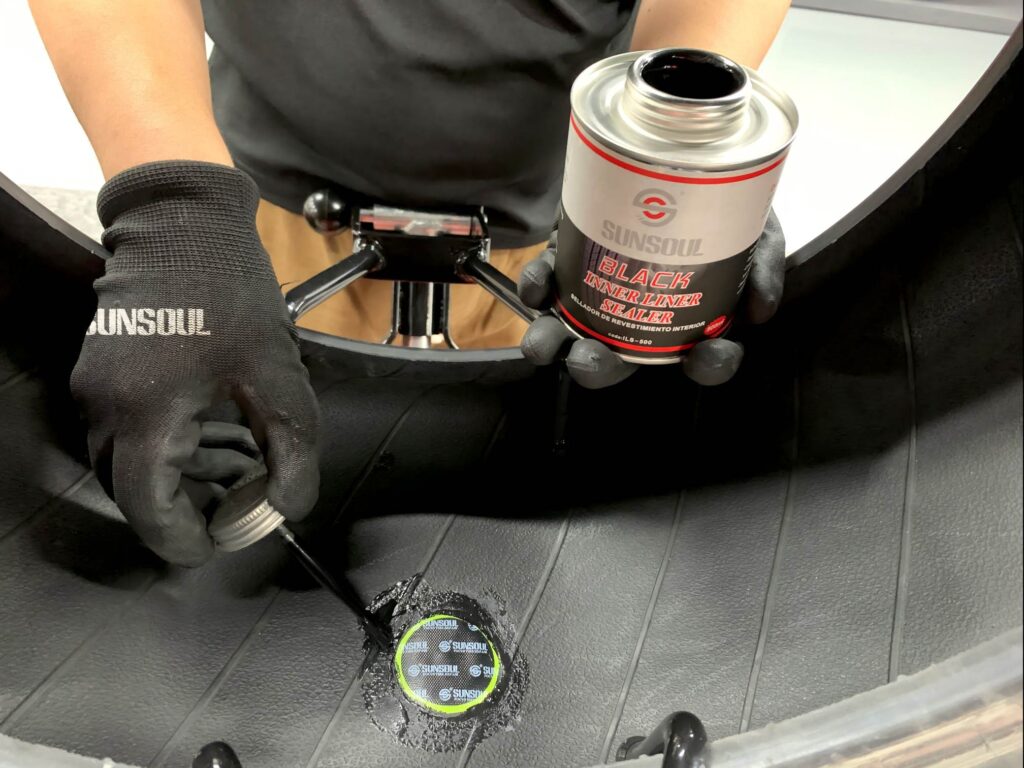
Tire patches are best applied to the inside of the tire tread. This creates a strong seal and helps extend the tire’s lifespan. Patches applied to the outside of the tread are less secure and stronger than those applied to the inside.
Outside Tire Patch Safety and Effectiveness
Proper Application Areas
Tire repair specialists strictly adhere to regulations regarding tire repair location. They only permit repairs to be made in the tread area. The tread is the thick section in contact with the road surface, supported by a robust, layered structure, ensuring the patch effectively supports the tire and protects it.
- The tread area is the only safe area for tire repair.
- The repair location must be at least half an inch (approximately 1.3 cm) from the edge of the tread.
- A puncture near the sidewall or shoulder means the tire needs to be replaced.
- For safe repair, the puncture must be less than a quarter inch (approximately 6 cm).
The sidewall and shoulder undergo significant deformation during driving. These areas are not as strong as the tread. Any damage located in these areas cannot be repaired with a patch. Bulges or cuts on the sidewall indicate a serious problem. These problems could cause the tire to blow out without warning. Tire shops always inspect the location of the damage before beginning repairs.
Note: A tire with a sidewall puncture must be replaced immediately. There are no exceptions to this rule.
Plug vs. Patch vs. Mushroom Patch
Different methods are used to repair tires. Each method has its own advantages and disadvantages. The most common methods are plugs, patches, and mushroom-head patches.
| Repair Method | Advantages | Disadvantages |
|---|---|---|
| Plug | Quick, good for small punctures | Temporary, not for large or long-term repairs |
| Patch | Durable, reliable for long-term use | Takes more time and effort |
| Mushroom Patch | Strong, neat, good for many situations | Costs more, needs careful application |
A plug is a rubber strip that seals the puncture from the outside. It is quick and effective, but not as durable as other methods. A patch covers the puncture from the inside of the tire. It forms a strong seal and is suitable for larger punctures. A mushroom-head patch combines the advantages of both methods. It seals the puncture from the inside and fills the gap in the puncture. This method is the best in terms of safety and durability.
The Rubber Manufacturers Association states that the best way to repair a tire is to use a tire patch or patch. This method ensures tire safety and extends its lifespan.
Tire repair experts report that patches and mushroom-shaped patches have a higher success rate than tire repair strips. Patches are better suited for long-term use. While tire repair strips are more convenient and faster, they may not last as long as patches. Mushroom-shaped patches are commonly used for emergency roadside repairs, off-road trips, and long-distance driving.
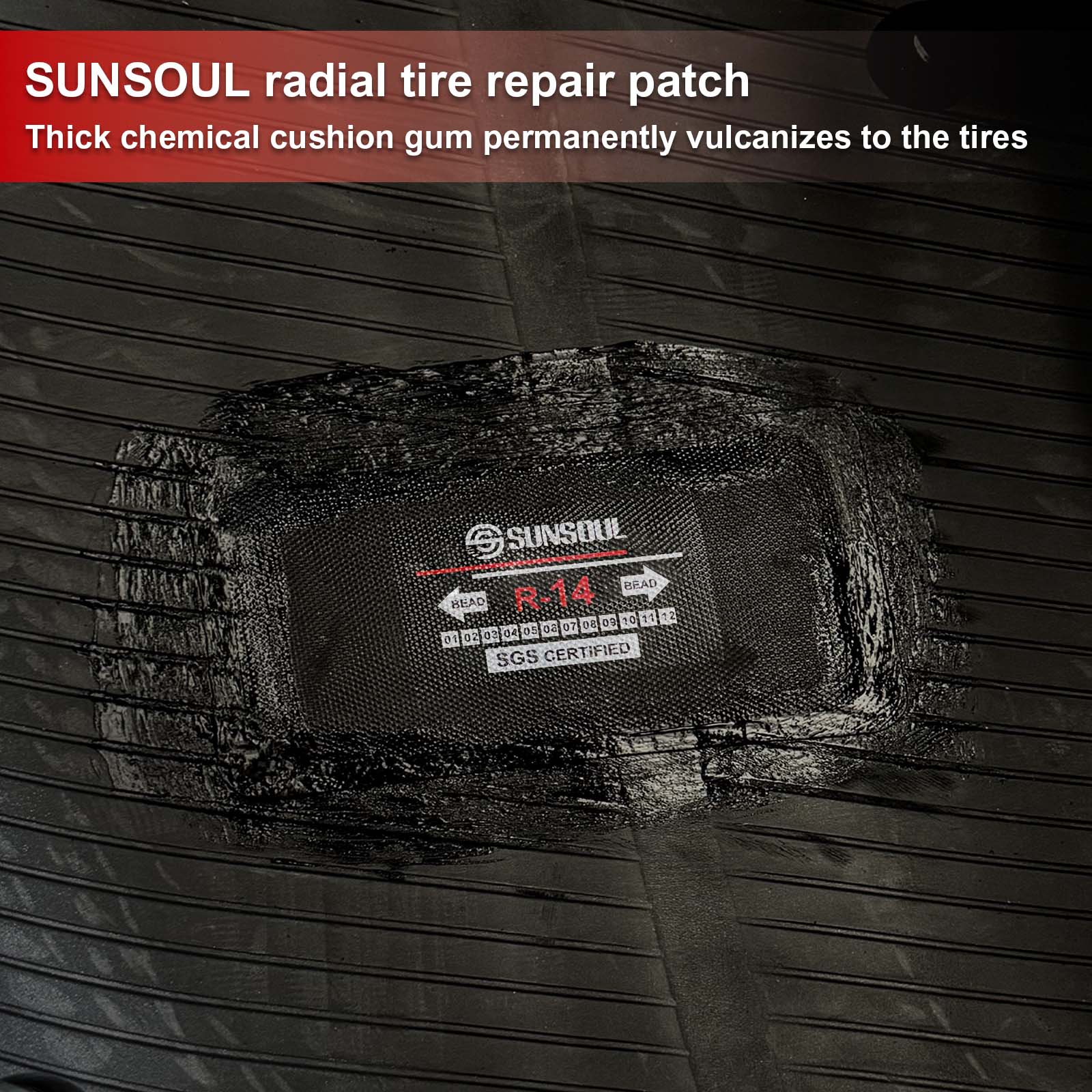
SUNSOUL tire patch products are known for their advanced sealant technology. They form a strong, leak-proof seal. The thick yet flexible formula covers the puncture and prevents leaks. SUNSOUL patches are suitable for all sizes and types of tires. Their user-friendly design makes repairs easy and safe even for beginners. Each kit includes gloves, clear instructions, and reflective material for roadside safety. Many customers appreciate the separate backing, which makes patch application easier.
SUNSOUL tire patches give drivers greater peace of mind on the road. They help them quickly and safely repair small punctures in the tire tread. With proper technique and a high-quality product, drivers can keep their tires in good condition for a long time.
Outside Tire Repair Alternatives
When to Repair or Replace
Tire damage doesn’t always mean you need to replace it. You should check the location, size, and type of damage. Small holes in the center of the tread can be repaired. The hole must be less than 1/4 inch (about 6 mm) wide.
The following table lists the main tire repair methods:
| Method | Description | Best Use Cases |
|---|---|---|
| Tire Patch | Seals holes from inside. Makes a strong bond. You must take the tire off. | Bigger holes, careful check of tire damage. |
| Tire Plug | Goes into holes from outside. Quick to use but not as strong. | Small holes in tread, emergency fixes, temporary repairs. |
Repairing a tire is more economical than buying a new one. Most repairs cost between $20 and $75. New tires can cost as much as $90 or more. Repairing tires helps protect the environment. It reduces the number of tires ending up in landfills, saving resources. Every tire repaired means one less waste.
Tip: Always consult a tire expert before deciding whether to repair a tire yourself. This saves money and protects the environment.
Choosing the Right Tire Patch
Select the appropriate repair method based on the extent of the tire damage. Tire patches are only suitable for small holes in the tire tread. The hole diameter must be less than 1/4 inch (approximately 0.6 cm). The tire sidewall must not have damage or large cuts. The tire should be inspected by a professional to ensure it can be safely repaired.
SUNSOUL tire patches have good adhesion and are easy to bend. They are made with natural rubber and a two-component system for fast curing. These patches meet RoHS safety standards. They are widely used in many repair shops. SUNSOUL tire patches have received a perfect 5.0 customer rating, indicating that people trust and love them.
Note: Using high-quality products to repair tires can extend tire life and help protect the environment.
Tire experts recommend not applying tire patches to the outside of the tire. Safety is the most important factor in tire repair. They advise drivers to take the correct steps and choose reputable brands. Using high-quality materials from companies like SUNSOUL can prevent tire patches from falling off, prevent leaks, and help prevent blowouts.
- Proper tire repair ensures pedestrian safety.
- Reputable brands like SUNSOUL help extend tire life.
Drivers need to use reliable products and listen to expert advice. Doing so ensures road safety for everyone.
FAQ
Can someone patch a tire from the outside?
Experts do not recommend patching a tire from the outside. This method does not seal the hole well. It also does not restore the tire’s strength. Safe repairs require a patch and plug from the inside.
Is it safe to drive on a tire with an outside patch?
No, it is not safe. An outside patch can fail without warning. Air and water may leak into the tire. This can cause a blowout or sudden loss of control.
What types of tire damage can SUNSOUL patches repair?
SUNSOUL patches work best for small punctures in the tread area. They do not repair sidewall or shoulder damage. Always check the tire’s location and size of the hole before using a patch.
How long does a proper tire patch last?
A proper patch, installed inside the tread, can last for the life of the tire. The patch must cover only small holes. The repair must follow industry standards.
Do tire patches affect tire balance?
A quality patch like SUNSOUL’s has little effect on tire balance. Technicians can rebalance the tire after repair if needed. Most drivers do not notice any change.