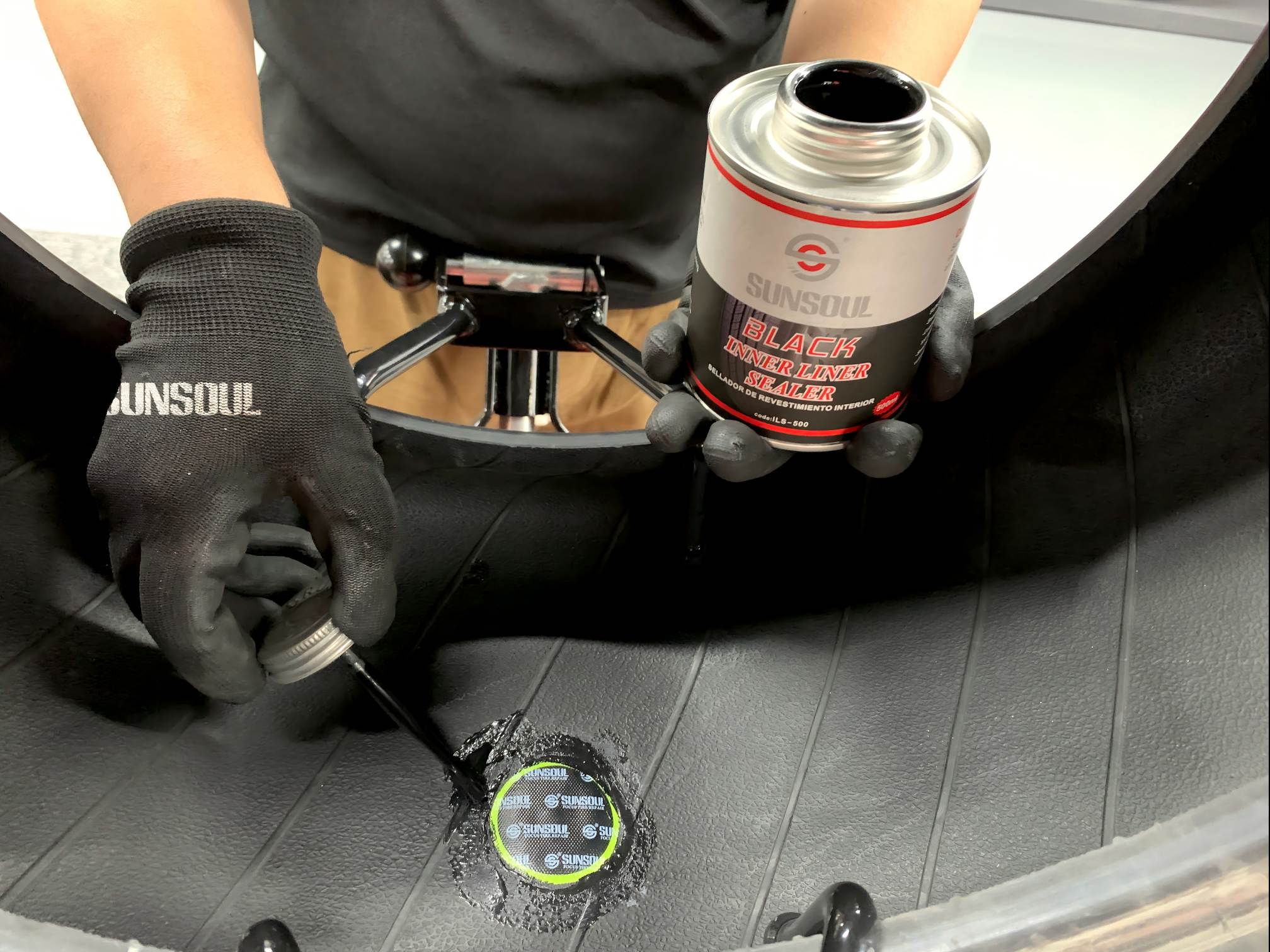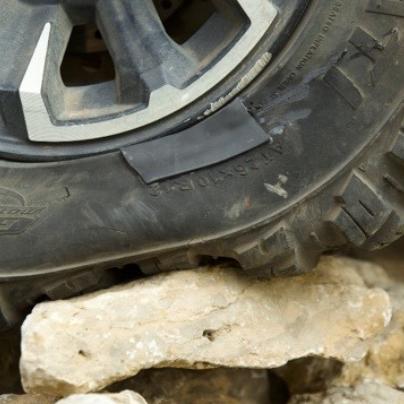

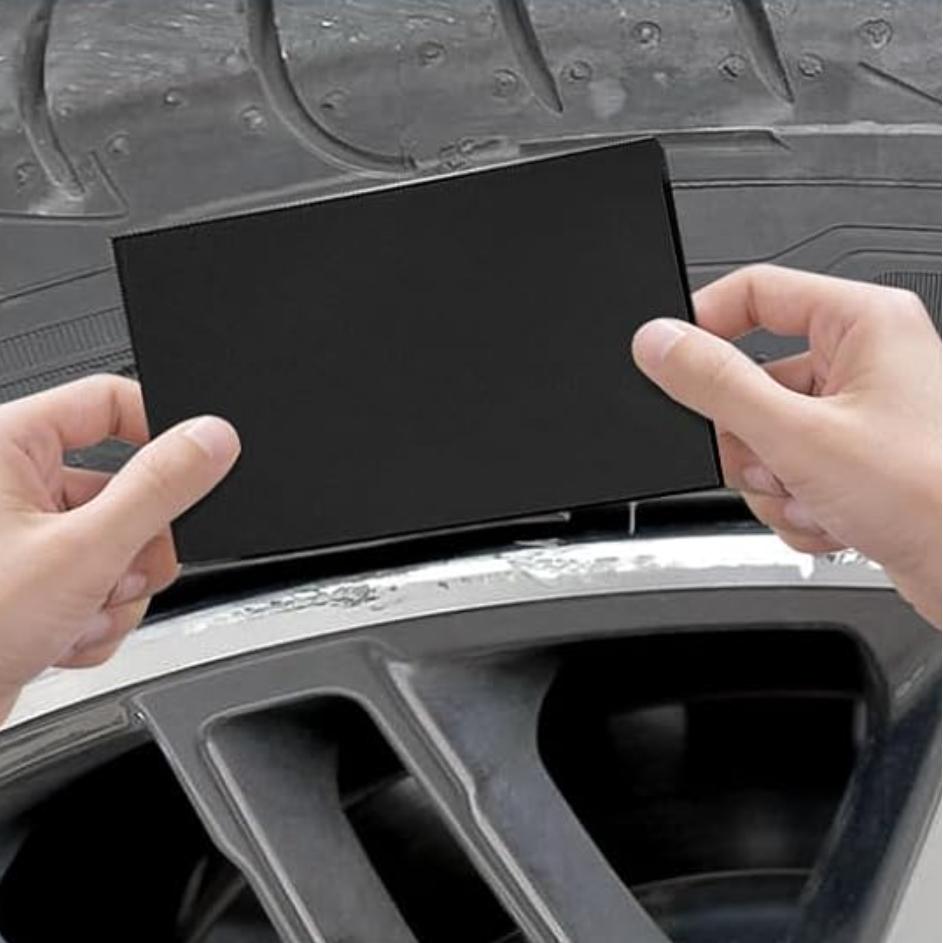
No one should attempt to repair a nail hole in the sidewall of a tire. The tire sidewall bends with every rotation, and any repair creates a safety hazard. Major tire companies and safety agencies agree that a nail hole in the sidewall means the tire must be replaced. The table below lists expert opinions:
| Source | Evidence |
|---|---|
| Gearhead Grove | Damage on the sidewall means you must get a new tire. There is no argument about this. |
| Old Ox Tire | Trying to patch or plug the sidewall can cause dangerous blowouts. You must replace the tire. |
| USTMA | Sidewall damage cannot be fixed because it has no extra support and keeps bending. This is not safe. |
Tire patches are designed for the tread and cannot be used to repair nail holes in the sidewall. In this case, only tire replacement ensures driver safety.
Key Takeaways
- Do not attempt to repair a nail hole in the tire sidewall. For safety, you should always replace the tire.
- Tire sidewall damage can lead to a blowout. The sidewall bends during driving, so repairs are not durable.
- If you find a nail in the sidewall, remain calm and do not touch it. Stop safely and seek professional help.
- Using quick fixes such as tire patches or tire sealants will not repair a hole in the sidewall. These methods will only make the situation worse and may lead to an accident.
- Always follow expert advice: If your tire sidewall is damaged, replace the tire immediately to avoid serious danger.
Why You Should Not Repair a Nail Hole in the Sidewall

Safety Risks Explained
Repairing a hole in the tire sidewall is extremely dangerous. During driving, the sidewall bends significantly. This bending puts pressure on any patch or sealant. This weakens the repair, making it unsafe. If you attempt to repair a hole in the sidewall, it could cause a blowout. A blowout can happen very quickly, causing you to lose control of the vehicle. This can lead to an accident. A tire sidewall blowout is one of the worst things that can happen on the road.
- Repairing a sidewall puncture actually increases the risk of a blowout.
- The sidewall bends and puts pressure on any patch or plug.
A leak can cause the tire to suddenly blow out. The sidewall helps the tire maintain its shape and withstands all bending during driving. The sidewall has fewer layers than the tread, making it more susceptible to damage. If a hole or tear develops in the sidewall, it can cause serious damage. Air will continue to leak, widening the weak point and increasing the risk of a blowout. On the other hand, tread damage primarily affects grip and causes less damage to the tire’s main structure.
Driving a tire with a damaged sidewall is extremely dangerous. The damage will worsen and eventually lead to a blowout. Tire experts recommend replacing tires with damaged sidewalls immediately. This is more important than repairing tread damage, as tread damage can sometimes be repaired.
Ignoring sidewall damage can lead to a complete tire blowout. The tread may detach, and the sidewall may crack. Therefore, sidewall problems must be repaired quickly. Sidewall damage is more serious than tread damage.
A sidewall blowout can happen without warning. To avoid this, you need to understand that sidewall punctures cannot be safely repaired. Tire shops usually recommend replacing the tire with a new one to prevent a blowout.
Industry Standards on Sidewall Repair
Industry regulations prohibit repairing sidewall punctures. The American Tire Manufacturers Association states that repairs are only safe when performed on the top of the tire tread. The sidewall itself cannot be repaired. Sidewall blowouts are concerning because the sidewall constantly bends. Due to this bending, repairs often don’t last. Patches or plugs may fail, leading to leaks and reduced tire strength.
- The sidewall bears a large portion of the vehicle’s weight and impacts, so repairs can fail.
- A good tire repair requires sealing both the tread and the puncture site simultaneously, something the sidewall itself cannot do.
Tire shops follow these rules to ensure driver safety. Tire patches like SUNSOUL are only for the tread, not for sidewall punctures. There is currently no safe way to repair a sidewall puncture. The sidewall cannot withstand the pressure of a patch or plug.
Some rules mention rare exceptions, but these are uncommon. For example:
| Condition | Exception | Notes |
|---|---|---|
| Bulge from repair | Up to 3/8 inch (≈9.5 mm) | Must be marked with a blue triangular label |
Even in these rare cases, a tire sidewall blowout remains a significant risk. Most experts recommend always replacing tires with new ones. Ignoring this advice can lead to tire blowouts, endangering the safety of others.
What to Do If You Find a Nail in the Sidewall
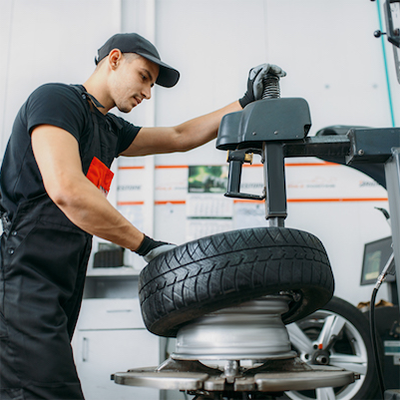
Immediate Actions
If you find a nail in the sidewall of your tire, safety first. Don’t panic. Take steps to ensure your safety and the safety of your vehicle. Here’s a simple guide:
- Stay calm and check the tire pressure. See if the tire is flat or if the vehicle feels unusual.
- Pull over to a safe location. Use your turn signal. Drive slowly and park on a level surface. If it’s dark, try to park in a well-lit area.
- Inspect the tire, but do not pull out the nail. Check the tire for damage and note the location of the nail in the sidewall.
Tip: Do not pull out the nail by yourself. Taking it out can make air come out fast and make things worse.
Driving a vehicle with a damaged sidewall can cause serious problems. Some dangers include:
- A flat tire can cause loss of vehicle control.
- The tire may blow out, especially at high speeds.
- If the damage worsens, repair costs may be higher.
- The vehicle’s handling and braking performance may decrease, which is extremely dangerous in cornering or emergency situations.
When to Replace the Tire
Tires with punctures in the sidewall almost always need to be replaced. Minor scratches or abrasions may not require repair, but deeper cuts, bulges, or protrusions mean you need to replace your tires. A mechanic will check for the following:
- Cuts, bulges, or cracks in the sidewall.
- Any visible damage that weakens the tire.
- Sidewall damage from impacts with curbs, potholes, or improper tire mounting.
Sidewall problems are different from tread damage. They weaken the tire. Damaged sidewalls can lead to a blowout, especially when the tire is overheated or carrying heavy loads. Mechanics say that repairing sidewalls is not safe. If you find any sidewall damage, the safest course of action is to replace the tire.
Alternatives to Sidewall Repair
Tire Replacement
The only safe way to fix a nail hole in the sidewall is to get a new tire. The sidewall bends every time you drive. This bending makes any weak spot worse. Experts say that no repair can make the sidewall as strong as before. If the sidewall gets a hole, the chance of a blowout goes up. Air can leak out fast, and the tire might break without warning.
You should get a new tire right away if you see a hole in the sidewall. Mechanics and safety groups say this is the best way to stop accidents. The sidewall does not have as many thick layers as the tread. Because of this, it cannot hold a patch or plug. Getting a new tire keeps you safe on the road.
Note: Experts say fixing a tire near the sidewall is very dangerous. The sidewall bends and stretches, so repairs do not last and can fail.
Why Patches and Plugs Don’t Work Here
Some people ask if tire patches or tire plugs can be used to repair punctures on the tire sidewall. The answer is no. The material and thickness of the sidewall are insufficient to support patches or plugs. Products like SUNSOUL tire patches are designed for the tread, not the sidewall. Attempting to repair the sidewall may result in internal leaks and weak points in the tire.
Here is a brief explanation of common repair methods:
| Repair Method | Description | Effectiveness |
|---|---|---|
| Plugging | A plug fills a hole in the tread. | Works for small tread punctures, not for sidewall damage. |
| Patching | A patch seals the inside of the tread. | Durable for tread, not safe for sidewall punctures. |
- You cannot fix sidewall holes because blowouts can happen.
- If the sidewall is damaged, you need a new tire right away.
- Holes must be at least ½ inch from the edge of the tread to be fixed.
The sidewall helps the tire stay strong and bend. Any damage here makes the tire unsafe. No repair can make the sidewall strong again. Getting a new tire is the only safe choice.
Myths About Repairing Sidewall Damage
DIY Fixes and Plugs
Many drivers believe they can patch a tire sidewall puncture with plugs or sealant. This idea is common but unsafe. When a vehicle is driven, the tire sidewall deforms. Plugs or sealants cannot withstand this continuous deformation. These quick fixes do not restore the strength of the sidewall; they only temporarily cover the damage.
- Using a tire plug to patch a sidewall puncture can lead to a sudden tire blowout. The deformation of the sidewall puts pressure on the plug.
- Plugs do not restore the tire’s strength. A tire needs to maintain its full strength to ensure safety.
- Moisture can seep through the plug, causing rust and further weakening the tire.
In the case of Falco v. Copeland, the court highlighted the dangers of using rope-like tire plugs to patch sidewall punctures. Experts say this method can cause the tire’s internal structure to separate, posing a significant risk.
The National Transportation Safety Board reports that tire problems cause approximately 33,000 traffic accidents annually in the United States. Many of these accidents are caused by improper repairs or DIY attempts.
Temporary Solutions Misconceptions
Some people believe that if a tire can maintain its pressure after a quick patch, it’s safe to use. This is a misconception. The sidewall may appear intact, but hidden damage can worsen over time. Here are some common misconceptions:
- “As long as it maintains pressure, it’s fine.” A tire may temporarily maintain pressure, but damage may still exist inside the sidewall.
- “All leaky tires can be fixed.” In reality, about 30% of leaky tires have irreparable damage, especially if you continue driving while the tire is leaking.
- “Small punctures in the sidewall are okay.” Even small punctures in the sidewall are dangerous because the sidewall doesn’t have the robust ply layer of the tread.
Temporary repairs, such as using a tire plug or rope, are only meant to help the driver get to a repair center. They are not permanent. Even if a tire plug maintains pressure, it doesn’t mean the tire is safe. Air and moisture can still seep in, leading to a blowout. Emergency roadside repairs should never be considered a final solution for sidewall damage.
Tire makers all say fixing the sidewall is not safe. They do not recommend it. The table below shows what they say:
| Recommendation | Details |
|---|---|
| Sidewall Damage | Any puncture near the sidewall requires tire replacement. |
| Repairable Size | Only punctures smaller than 1/4 inch in the tread can be fixed. |
If you do not follow this advice, the tire can fail. This can cause bad accidents. SUNSOUL Tire Patch is only good for fixing the tread. If your tire has sidewall damage, you should get a new tire right away to stay safe.
FAQ
Can tire shops repair nail holes in tire sidewalls?
No, tire shops do not repair nail holes in tire sidewalls. Tire experts always recommend replacing the tire. This ensures driver safety and prevents a blowout.
Why are sidewall punctures more dangerous than tread punctures?
The tire sidewall has some flexibility, supporting the tire’s shape. A sidewall puncture weakens the tire, leading to a blowout. Tread punctures have less impact on the tire’s structure.
Are there any products that can safely repair sidewall punctures?
No product can safely repair sidewall punctures. Products like SUNSOUL tire repair compound are only for tread repair. If the tire sidewall is damaged, always replace the tire.
What should a driver do if they find a nail in the tire sidewall?
- Stop the vehicle immediately.
- Do not pull out the nail.
- Contact a professional for assistance.
- Replace the tire before continuing to drive.
Can temporary repairs work in an emergency?
A temporary repair might get you to a service center, but it doesn’t guarantee the tire’s safety under normal driving conditions. To avoid accidents, replace the tire as soon as possible.