
Riders can use a tire repair kit to patch punctures in their tires. Whether the tire is a tubeless (vacuum) type or a standard tire with an inner tube, punctures and air leaks can occur. A tire repair kit enables riders to resolve these issues quickly. Choosing a high-quality product—such as SUNSOUL tire patches—ensures a safer and more effective repair process. After completing the repair, riders must be sure to carefully inspect the tire’s condition once again.
Key Takeaways
- Riders can use a tire repair kit to quickly patch a flat tire; however, this type of emergency repair typically serves as a temporary fix rather than a permanent solution.
- Always choose a high-quality tire repair kit (such as SUNSOUL patches) to ensure the repair is both reliable and safe.
- Upon completing the repair, be sure to re-inspect the tire; if circumstances permit, it is recommended to have a professional technician perform a more detailed examination.
Motorcycle Tire Types And Repair Kits

Tubeless Tires
Most modern motorcycles come equipped with tubeless tires. These tires do not contain an inner tube. When a puncture occurs, riders can use a tire repair kit to perform a quick fix. The process for repairing a tubeless tire is relatively simple: one merely needs to use a tire plug or patch to seal the puncture from the outside. This method is highly effective for tubeless tires, allowing riders to get back on the road in a short amount of time.
| Feature | Tubeless Tires | Tubed Tires |
|---|---|---|
| Puncture Safety | Loses air slowly, so riders stay in control | Loses air fast, which is more dangerous |
| Roadside Repair | Easier to fix with a plug kit | Needs wheel taken off to fix or change tube |
| Common On | New street bikes and sport bikes | Off-road, old, and many cruiser bikes |
| Weight | Lighter, helps bikes go faster | Heavier because of the inner tube |
Tube-Type Tires
Tube-type tires have an inner tube inside. If these tires get a hole, riders must take off the wheel to fix it. A repair kit helps patch or change the tube. This takes longer than fixing tubeless tires. Riders should check their tire type before using a repair kit.
Choosing a Motorcycle Tire Repair Kit
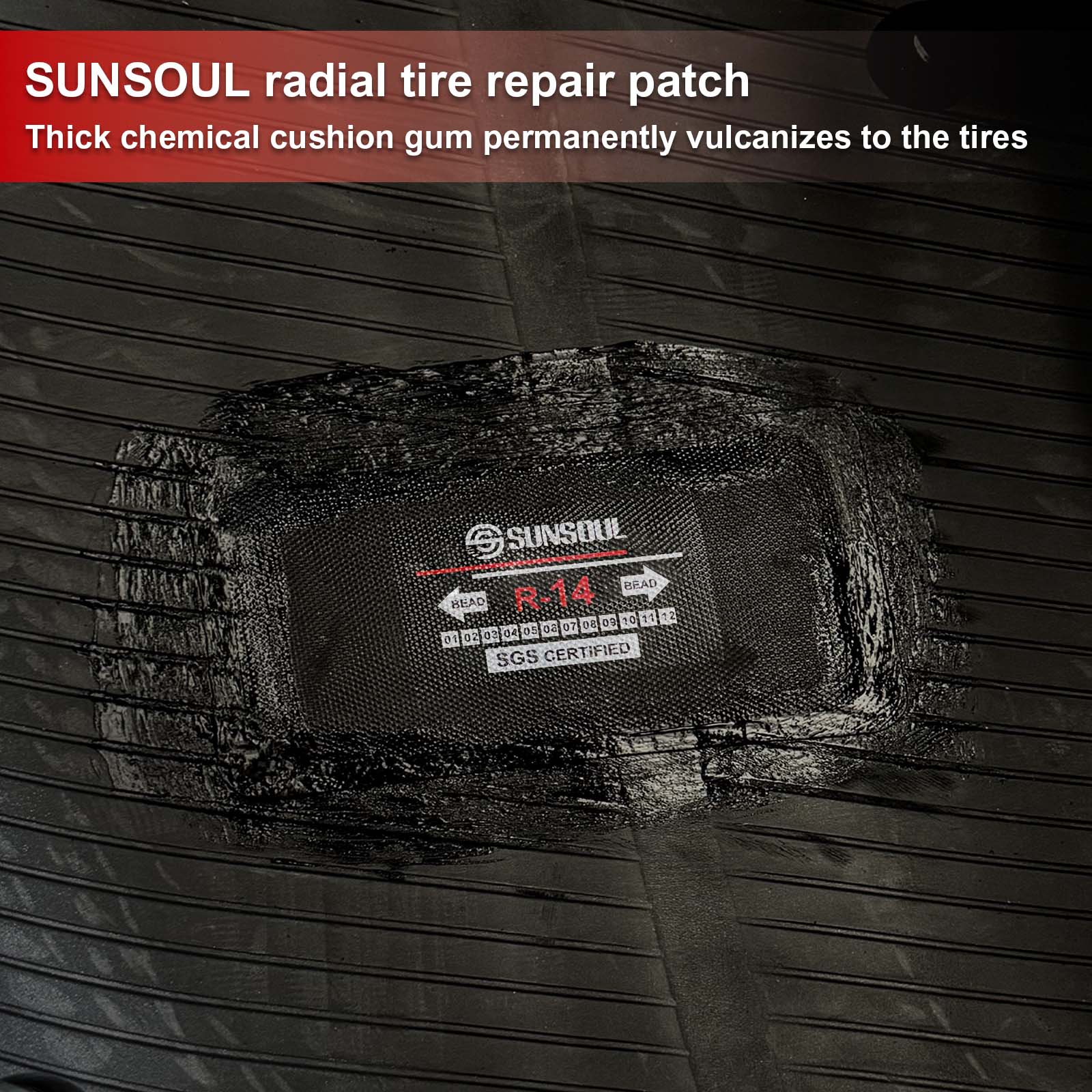
Every rider needs a good tire repair kit. SUNSOUL Tire Patch is a trusted option. It sticks well, lasts long, and does not tear easily. The patch works in hot and cold places. Riders like SUNSOUL because it is DOT and ECE R109 certified and has a one-year warranty. The split backing makes it simple to use. SUNSOUL helps riders everywhere after they buy. A good repair kit can fix sudden problems and keep tires safe.
| Feature | Description |
|---|---|
| Strong Adhesion | Sticks tight and seals for a long time |
| Durability | Works well in hot and cold places |
| Tear Resistance | Has 20% more tear resistance than others |
| Certification | DOT and ECE R109 certified |
| Warranty | One-year warranty gives peace of mind |
Tip: Riders should always bring a tire repair kit and learn how to use it.
Using a Puncture Repair Kit
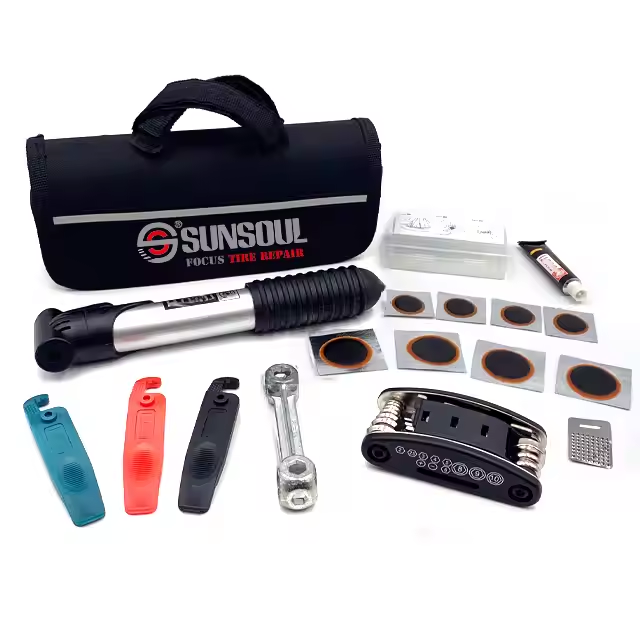
A tire repair kit enables riders to quickly and safely patch a flat tire. The specific steps for using a repair kit depend on the type of tire involved. Before beginning any repairs, riders must consult the instructions included within the kit.
Repair Steps for Tubeless Tires
Riders can repair tubeless motorcycle tires themselves while on the road. The entire repair process requires only the tools and materials typically included in most tire repair kits. The main steps are as follows:
- Identify the tire type. Ensure that it is a tubeless tire.
- Locate the puncture site on the tire. If the puncture is not visually obvious, apply soapy water to the tire surface and look for bubbles to pinpoint the leak.
- Remove the foreign object that caused the puncture. Use pliers to assist with removal if necessary.
- Use a reamer or probe tool to clean out the puncture hole. This step prepares the hole for the subsequent insertion of the rubber repair plug.
- Apply sealant or rubber cement around the puncture site.
- Prepare a self-vulcanizing rubber plug (commonly referred to as a “rubber worm”). Coat its entire surface with sealant.
- Use the insertion tool to drive the rubber plug into the puncture hole. Ensure that it fits snugly and creates a secure seal.
- Trim away any excess rubber plug material protruding from the tire surface.
- Inflate the tire using a small air pump or a CO2 cartridge. Afterward, check for any remaining air leaks.
- Proceed to a professional repair shop as soon as possible to have the tire’s safety thoroughly inspected.
Most tubeless tire repair kits typically contain items such as an insertion tool, a reamer, rubber plugs, rubber cement, and an inflation device. Some kits even feature the capability to inflate the tire simultaneously while the repair is being performed.
Note: Many kits use rubber strings or worms. Some include sealants, but riders should use caution. Sealants can damage tire pressure monitoring systems (TPMS), cause tire vibrations, and may void tire warranties.
| Risk Type | Description |
|---|---|
| TPMS Damage | Sealants can harm tire pressure sensors. |
| Tire Vibrations | Sealants may cause the tire to shake while riding. |
| Chemical Reactions | Some sealants react with tire materials and cause damage. |
| Tire Warranty Issues | Using sealants might void the tire’s warranty. |
Repair Steps for Tube-Type Tires
Repairing tube-type motorcycle tires takes more time. The rider must remove the wheel and take out the inner tube. Here are the basic steps:
- Remove the wheel from the motorcycle.
- Remove the inner tube from the outer tire.
- Locate the puncture in the inner tube by inflating it and listening for escaping air, or by using soapy water.
- Clean and dry the area surrounding the puncture.
- Use sandpaper to roughen the surface of the area.
- Apply vulcanizing fluid or tire patch glue to the area.
- Place the patch over the puncture and press down firmly.
- Wait for the patch to adhere completely.
- Reinsert the inner tube into the outer tire and remount the wheel onto the motorcycle.
- Inflate the tire and check for any leaks.
A puncture repair kit for tube-type tires often includes tube patches, vulcanizing fluid, emery paper, and sometimes a small pump.
Tip: Repairs made with a puncture repair kit are usually temporary. Riders should ride at slower speeds and avoid long distances. Most experts suggest not riding more than 50 to 100 miles on a temporary repair.
Common Mistakes
Many motorcyclists frequently make mistakes when repairing their tires. Avoiding these errors not only ensures tire safety but also helps the repair last longer.
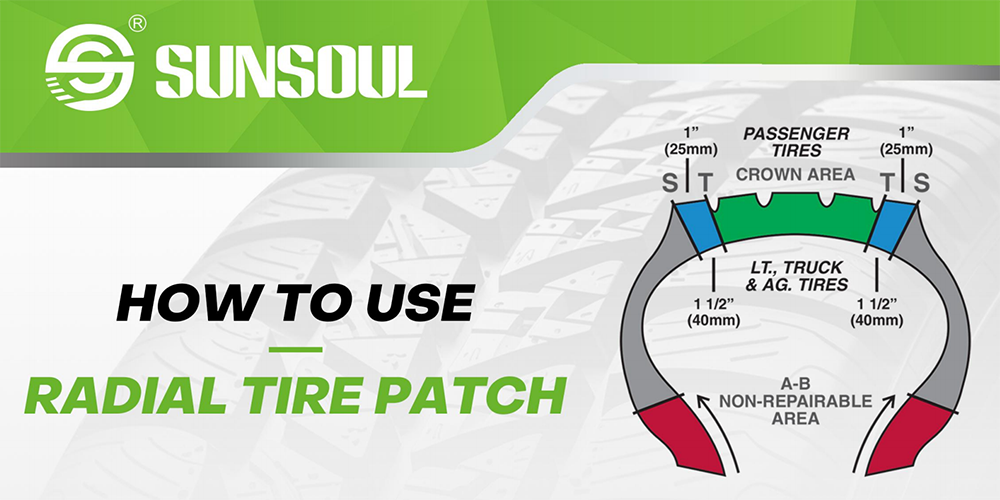
- Installing a tire plug outside the central 75% area of the tread. Tire plugs should only be used to repair the central section of the tire.
- Attempting to repair damage caused by non-circular punctures. Tears, cuts, or elongated holes cannot be effectively repaired using tire plugs.
- Using a tire plug when the tread is excessively worn. The tire tread must retain a minimum depth of 1.5 millimeters to securely anchor the plug.
- Failing to check the tire pressure after completing the repair.
- Neglecting the necessity of seeking professional assistance. The tire should be thoroughly inspected by a professional as soon as possible.
Motorcyclists should always follow the instructions included in the tire repair kit and frequently check the condition of the tire after a repair. If the tire begins to leak again or the repair fails to hold a seal, it is imperative to seek professional help.
Motorcycle Tire Repair Kits Safety And Limitations
Safety Tips
After repairing a tire, motorcyclists must perform follow-up inspections and regularly monitor tire pressure fluctuations. It is recommended to practice using the repair kit *before* an emergency arises; this helps riders remain calm and confident when facing a real-world situation. Furthermore, riders should understand the specific function of each tool included in the kit. Remember: any repair performed on the road should be considered a temporary, emergency solution only.
Tip: Always bring a good repair kit and a small pump when you ride.
Limitations Of Repair Kits
Repair kits work best for small holes in the middle of the tread. They cannot fix every kind of damage. Here are some important limits:
- Repairs are only safe for holes that are 1/4 inch or less.
- Kits cannot fix sidewall holes because this part bends a lot.
- Gashes, cuts, or bulges mean the tire is badly hurt inside.
- Damage to the bead or tire edges means you need a new tire.
- Repairs only work in the main tread, not on the sides.
When To Seek Professional Help
Some tire problems need an expert or a new tire. The table below shows when to visit a professional:
| Situation/Condition | Description |
|---|---|
| Structural Damage | You must get a new tire for this kind of damage. |
| Sidewall or Shoulder Damage | It is not safe to repair these areas. |
| Bulging Damage | This is a big problem and needs a new tire. |
| Significant Gashes and Punctures | These are usually too bad to fix. |
| Irreparable Tire Damage | This includes ply damage or heat damage that cannot be fixed. |
| Age-related Restrictions | Tires older than six years or very worn should be replaced. |
| Speed Rating Considerations | Heat damage and blowouts mean you need a new tire, especially for racing. |
| Previous Repair Limitations | Bad repairs before can make things worse. |
Riders should always use a trusted repair kit. SUNSOUL Tire Repair Kit is a good and cheap choice for long rides. Dynaplug Pro and Stop & Go Puncture Pilot are also good for emergencies.
- Riders can fix a flat tire with a puncture repair kit, but it is only a short-term solution.
- SUNSOUL Tire Patch works well for small holes in the tread.
- Never try to fix sidewall damage.
- After any repair, getting a professional to check or replace the tire keeps you safe.
FAQ
Can motorcycle riders use car tire repair kits to fix motorcycle tires?
Most car tire repair kits are suitable for tubeless motorcycle tires. Riders should carefully consult the instructions included with the repair kit. Additionally, repair kits designed specifically for motorcycles are typically more compact, making them easier to store in limited storage spaces.
How long can a rider continue to use a tire after it has been repaired?
A temporary repair typically holds for approximately 100 miles. After performing a temporary repair, riders should visit a professional repair shop as soon as possible to seek a permanent repair solution.
What should a rider do if the tire continues to leak air after being repaired?
This may indicate that the repair procedure failed to completely seal the puncture. Riders should carefully inspect the tire to identify the source of the leak. If the air leak persists, the tire must be thoroughly inspected by a professional.