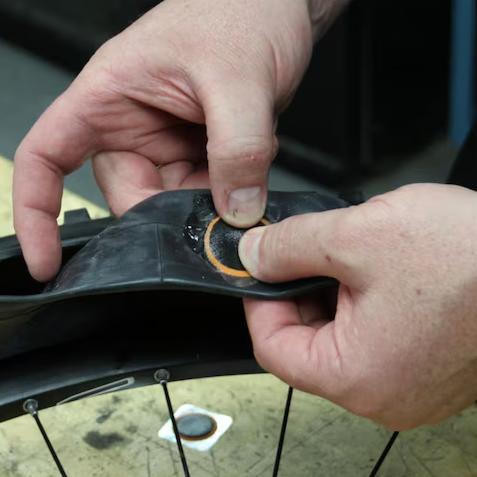

You get a flat tire. Your first thought might be a costly replacement. However, professional car tire repair patches offer a smart alternative. Industry data shows that 70-90% of punctures are repairable, so a quality tire patch is often the perfect fix. Unlike temporary tire plugs, a proper tire repair ensures safety and saves you money.
For a simple flat tire, professionally applied tire patches are a reliable choice. They are much better than temporary tire plugs.
The Real Cost: Patch Repair vs. New Tyre
When you face a flat tire, your wallet feels the pressure. You have a choice to make: a quick, affordable repair or a costly full replacement. Choosing a professional patch is a smart financial move that saves you money in more ways than one. Let’s break down the real cost difference and show you why a repair is often the best decision for your budget.
Direct Price Comparison
The most obvious saving comes from the direct price. A professional tire repair service typically costs between $10 and $50. This small fee gets you back on the road safely. A new tire, however, is a much larger expense. The price of a single new tire can easily be ten times the cost of a simple repair.
You can see the dramatic difference for yourself. Here’s how the costs stack up against buying a new passenger car tire:
| Tire Category | Average Price Range Per Tire |
|---|---|
| Economy/Budget | $65 – $100 |
| Mid-range | $100 – $160 |
| Premium | $160 – $350 |
For a common mid-range tire, like a Continental TrueContact Tour or Kumho Solus TA31, you could pay over $100 before any fees. A simple patch saves you a significant amount of cash right away, making it the clear winner for a repairable flat tire.
Avoiding Hidden Replacement Fees
The sticker price on a new tire is just the beginning. A full tire replacement comes with a list of extra charges that quickly inflate the final bill. A patch repair, on the other hand, is usually an all-inclusive price.
Note: The price you see for a new tire is almost never the price you pay. Be prepared for several additional service fees.
When you buy a new tire, you should expect to pay for several other services. These often include:
- Mounting and Balancing: Labor fees to put the new tire on the wheel and ensure it spins smoothly.
- TPMS Service: A fee for servicing or replacing the Tire Pressure Monitoring System sensor.
- Disposal and Environmental Fees: State-mandated charges to cover the cost of recycling your old tire.
- Sales Tax: Standard tax applied to the total cost of the tire and services.
These extra costs add up, turning a $120 tire into a $150+ expense. By choosing to repair your flat tire, you avoid these hidden fees entirely.
Extending Your Tyre’s Lifespan
A professional tire repair does more than just fix a flat tire; it helps you get the full value out of your initial investment. Your tires are designed to last for tens of thousands of miles. Replacing one prematurely means you are throwing away perfectly good tread and wasting money.
A properly installed patch is a permanent solution. It is designed to last for the remaining life of the tire. If your tire has 40,000 miles of tread left, a quality patch will last for those 40,000 miles. This repair can reliably extend your tire’s service life for another 7 to 10 years, depending on its condition. Opting for a patch instead of a premature tire replacement allows you to maximize the lifespan of all four tires, ensuring they wear down evenly and saving you from an unnecessary purchase.
Are Car Tyre Repair Patches a Safe Solution?
When you get a flat tire, safety is your top priority. You might wonder if a repair can truly be as safe as a new tire. The answer is a resounding yes, but only when the repair is done correctly. A professionally installed patch is a permanent, reliable solution that keeps you safe on the road. Let’s clear up some confusion and show you why you can trust a proper repair.
Debunking Common Repair Myths
Many myths surround tire repairs, causing drivers to spend money unnecessarily. Understanding the facts helps you make a confident and safe choice.
-
Myth: DIY tire plugs are a good permanent fix. Fact: DIY tire plugs are only temporary. Air pressure constantly pushes against them, which can cause leaks or even failure at high speeds. Thousands of accidents happen each year from faulty repairs, often involving temporary tire plugs. They do not seal the tire’s inner liner, leaving it vulnerable.
-
Myth: Any puncture can be repaired. Fact: Location is everything. A repair is only safe if the puncture is in the tire’s central tread area. Damage to the sidewall or shoulder cannot be repaired because these areas flex too much. A professional will tell you a new tire is needed for this kind of damage.
-
Myth: Tire sealant is a reliable repair. Fact: Sealants are for emergencies only. They get you to a repair shop but are not a long-term solution. The chemicals can damage the inside of your tire and make a future professional repair impossible. After using a sealant, you must have a technician inspect the tire.
-
Myth: A repaired tire performs exactly like a new one. Fact: A proper repair restores the tire’s safety, but its original speed rating is voided. However, a correctly patched tire is still safe for all normal highway speeds. The key is a professional job that ensures the tire remains balanced and structurally sound.
Why Professional Installation is Crucial
You should never trust the safety of your flat tire to just anyone. A professional technician has the training and tools to do the job right. They do much more than just plug a hole. A proper repair involves removing the tire from the wheel to inspect for hidden internal damage. This step is impossible with DIY tire plugs and is critical for your safety.
A professional uses a two-piece system: a rubber stem to fill the puncture hole and one of the tire patches to seal the inner liner. This combination creates a permanent, airtight bond that lasts for the life of the tire. In contrast, simple tire plugs can fail at any time.
Technicians receive extensive training to ensure they follow strict safety protocols. Many earn certifications from respected organizations like the Tire Industry Association (TIA). These programs cover every aspect of tire service.
Did You Know? Certified technicians are trained in over a dozen critical areas, including:
- Proper Puncture Repair Procedures
- Tire/Wheel Assembly and Balancing
- Tire Pressure Monitoring System (TPMS) Service
- Detailed Tire Condition Analysis
When you choose a certified professional, you are paying for expertise that keeps you and your family safe. Their knowledge of car tire repair patches ensures a dependable fix for your flat tire.
Understanding Industry Safety Standards
Your safety is not left to chance. The U.S. Tire Manufacturers Association (USTMA) sets clear, strict standards for passenger tire repair. A professional repair must follow these rules to be considered safe. When you take your flat tire to a reputable shop, they will adhere to these guidelines.
Here are the key industry requirements for a safe repair:
- Damage Location: The puncture must be within the tread area, away from the sidewalls.
- Puncture Size: The injury cannot be larger than 1/4 inch (6mm) in diameter.
- Internal Inspection: The technician must remove the tire from the wheel to inspect the inner liner for damage.
- No Overlapping Repairs: A new repair cannot overlap a previous one.
- Proper Sealing: The repair must use both a plug to fill the hole and a patch to seal the liner. Using only tire plugs is not a complete or safe repair.
Following these standards ensures the integrity of your tire. High-quality tire patches, like those from leading manufacturers such as SUNSOUL, are designed to create a strong, leak-proof seal that meets these rigorous demands. By insisting on a professional repair that uses quality car tire repair patches, you are choosing a solution that is proven to be safe, reliable, and economical.
When Can a Tyre Be Patched?
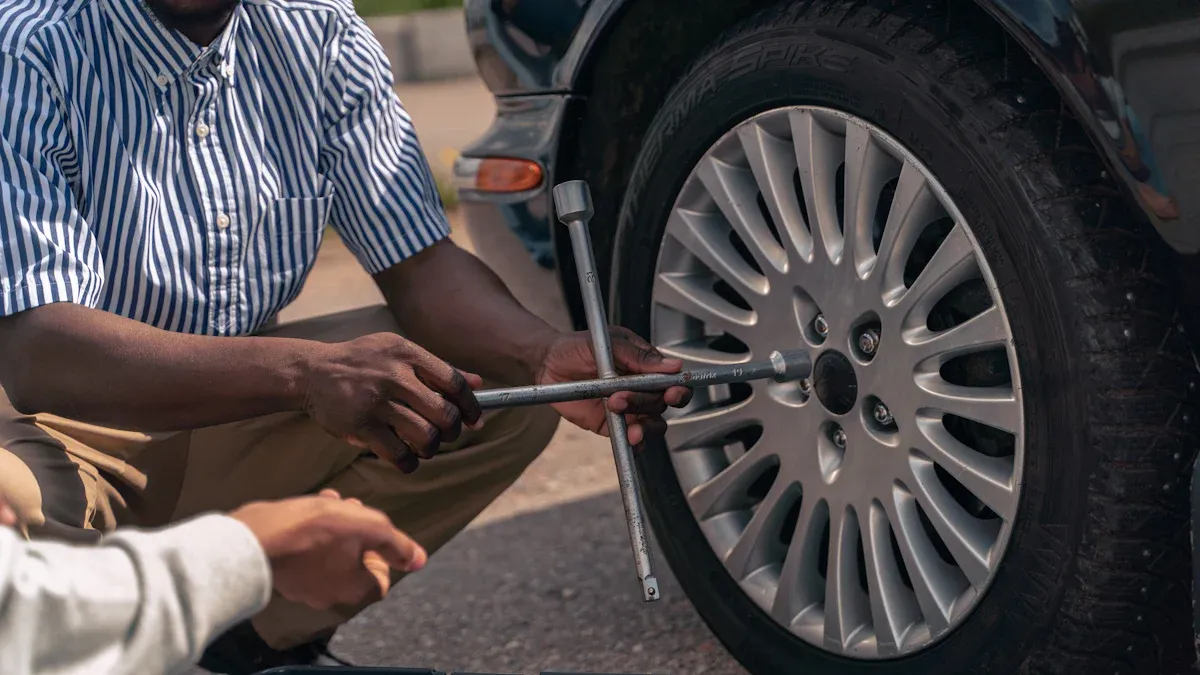
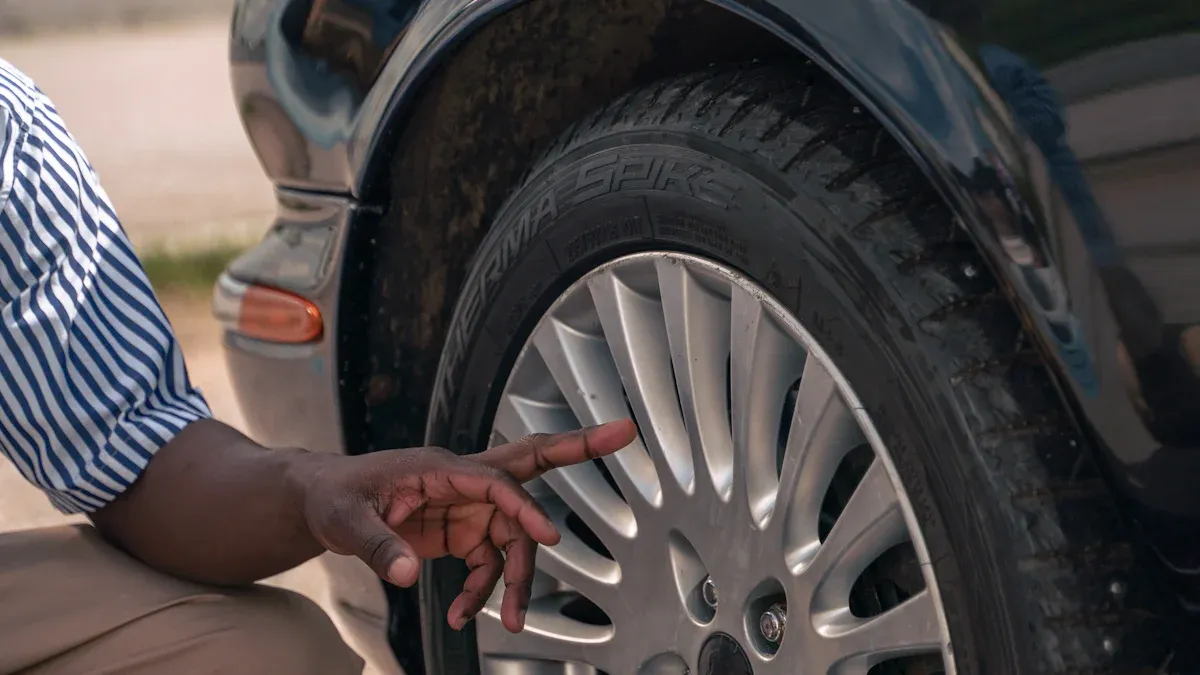
You have a flat tire, but you cannot always repair it. A safe repair depends entirely on the location and size of the damage. Knowing the rules helps you avoid unsafe fixes and make smart decisions. You can save money when you understand what makes a flat tire repairable.
Identifying Repairable Punctures
A professional can only repair a puncture under specific conditions. The damage must be in the right spot and be small enough for a secure seal.
- Location is Key: The puncture must be in the tire’s central tread area. This is the grooved part that contacts the road. Reputable shops will not repair damage on the tire’s shoulder or sidewall because these areas flex too much.
- Size Matters: The puncture hole cannot be larger than 1/4 inch (6mm) in diameter. Major manufacturers like Continental and Michelin agree on this safety standard. Anything bigger compromises the tire’s structure, making a repair unsafe. This is a major reason why professional repairs are superior to temporary tire plugs.
Damage That Cannot Be Repaired
Some types of damage automatically mean you need a new tire. You should never attempt to repair these issues, as it puts your safety at risk. A professional will refuse to fix them.
Warning: Sidewall damage is a major red flag. Any puncture, cut, or bulge on the sidewall makes the tire unrepairable and dangerous.
Your tire cannot be saved if it has:
- Sidewall or Shoulder Punctures: These areas are not designed to hold a repair.
- Large Gashes or Cuts: Any damage larger than 1/4 inch is too severe.
- Internal Damage: Driving on a flat tire can shred its inner structure. This damage is often invisible from the outside, which is why DIY tire plugs are so risky.
- Multiple, Close Punctures: You cannot have repairs that overlap or are too close together.
A Quick Damage Assessment Checklist
You can do a quick check before heading to the shop. This helps you understand the situation with your flat tire. Remember, this is not a substitute for a professional inspection.
- Find the Object: Look for the nail, screw, or other object that caused the puncture.
- Check the Location: Is the object in the central tread? Or is it on the shoulder or sidewall?
- Measure the Tread: Your tire needs enough tread depth to be safely repaired. A professional will measure this for you.
- Avoid DIY Fixes: Do not use temporary tire plugs. These cheap fixes can fail and do not seal the tire’s inner liner like a proper tire patch does. Using a tire plug is not a permanent solution. Many people mistakenly believe tire plugs are a safe, long-term answer for a flat tire, but they are not.
The Professional Patching Process
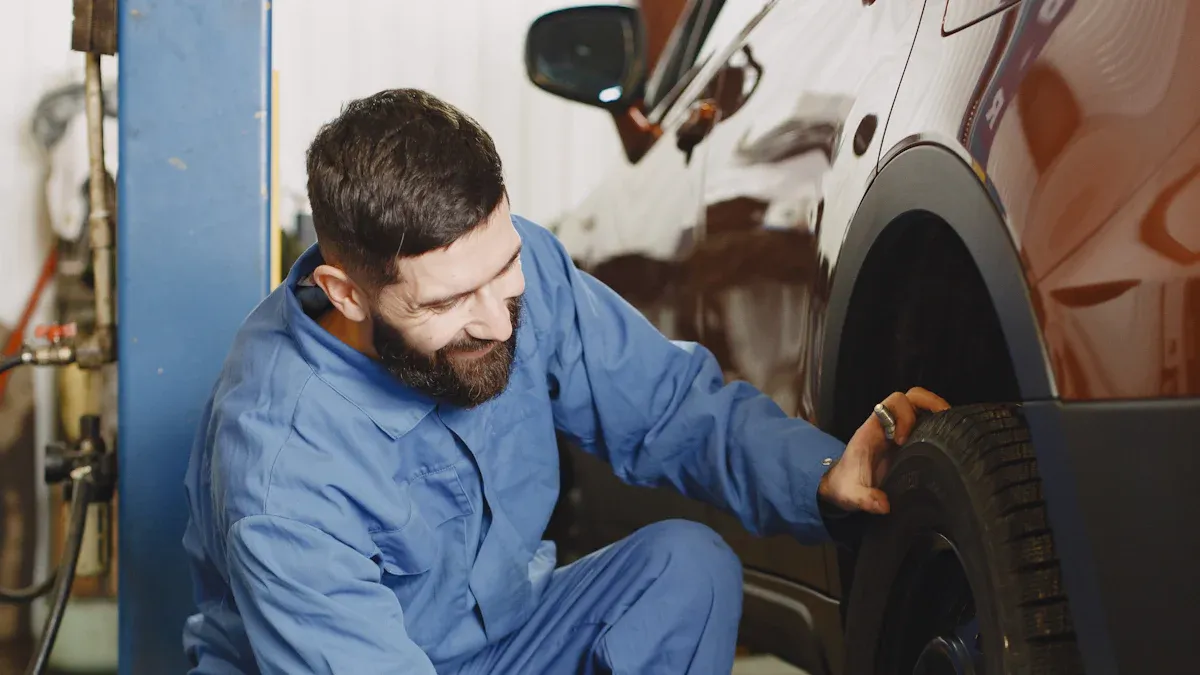
A professional tire repair is a detailed, multi-step process that guarantees your safety. Unlike risky DIY tire plugs, a technician follows strict procedures to create a permanent, airtight seal. You can trust this method to restore your tire’s integrity. Here is what you should expect at a reputable repair shop.
Step 1: Inspection and Assessment
First, a technician performs a complete inspection. They do not just look at the puncture. They assess the tire’s overall health to ensure a repair is safe. This initial check is critical and something you cannot do yourself.
A professional never skips the internal inspection. This step is the biggest difference between a safe repair and a dangerous shortcut using tire plugs.
The technician will:
- Check for wear: They measure tread depth and look for uneven wear patterns, which could signal alignment problems.
- Dismount the tire: They remove the tire from the wheel. This allows them to see inside.
- Inspect the inner liner: They check for hidden damage caused by driving on a flat. This internal damage can make a tire unsafe, even if the puncture is small.
Step 2: Preparing and Applying the Patch
Once your tire passes inspection, the technician begins the repair. They prepare the puncture area to ensure the tire patch creates a perfect bond. The technician carefully drills the puncture channel to a uniform size, cleaning it of debris. Then, they buff the inner liner around the hole to create a textured surface for the adhesive.
Next, they apply a special rubber cement. They then pull a combination plug-patch unit through the hole from inside the tire. The plug fills the hole, and the patch seals the inner liner. This two-part system is far superior to simple tire plugs, which can leak or fail under pressure. High-quality tire patches create a permanent, vulcanized bond.
Step 3: Sealing and Final Safety Checks
The final steps lock in the repair and get you back on the road safely. The technician applies a chemical sealant over the repair area inside the tire. This sealant creates a final, airtight barrier and prevents moisture from getting into the tire’s structure. It ensures the repair lasts for the life of the tire.
Finally, the technician remounts the tire on the wheel, inflates it to the correct pressure, and balances the entire assembly. A proper balance is essential for a smooth, safe ride. This comprehensive process shows why you should always choose a professional over temporary tire plugs.
For a repairable puncture, a professional tire repair is a proven, safe, and economical choice. The quality of the car tire repair patches is critical for a lasting fix. Leading manufacturers like SUNSOUL provide reliable, high-adhesion tire patches that ensure a durable, leak-proof seal. You must have a professional assess the damage to guarantee safety and maximize your savings with these tire patches.
Before you consider a costly tire replacement, ask a trusted mechanic if a professional tire patch using quality car tire repair patches is the right option for you.
FAQ
How long does a professional patch last?
A professional patch gives you a permanent fix. It is designed to last for the rest of your tire’s life, helping you get the full value from your investment. You can count on the repair to hold for tens of thousands of miles.
Is a patched tire safe for highway driving?
Yes, a professionally patched tire is safe for all normal highway speeds. The repair voids the original speed rating, but the tire remains structurally sound for everyday driving. You can drive with complete confidence after a proper repair.
Why can’t you patch a tire’s sidewall?
The sidewall flexes constantly while you drive. A patch cannot hold a secure seal in this high-flex area. Repairing a sidewall is extremely dangerous. All reputable shops will refuse to perform this unsafe repair and will recommend a replacement.
What makes a quality tire patch?
A quality patch creates a permanent, leak-proof seal. You should look for patches with strong adhesion and excellent thickness. Leading brands like SUNSOUL produce reliable patches that ensure a durable, safe repair, giving you peace of mind on the road.