

You hear that dreaded thumping sound and pull over to find a flat tire. Your first thought might be about getting a quick tire repair. A professional car wheel patch can be a safe and correct choice for a small puncture. This applies only if the damage is in the central tread of your tire. Your tire must also be in good overall condition. However, a full tire replacement is the only safe option for certain situations. Any damage to the tire sidewall, a large puncture, or a long cut requires a new tire. An old or worn-out tire also needs replacement.
Proper tire care is a critical safety issue. Faulty tires contribute to thousands of accidents annually.
| Statistic | Value | Year/Context |
|---|---|---|
| Annual tire-related crashes | 11,000 | United States |
| Fatalities from tire-related crashes | 563 | 2022 |
| Car crashes involving pre-crash tire problems | 9% | Of 5,470 crashes |
Making the right choice for your damaged tire protects you and others on the road.
Is Your Tire a Candidate for a Patch?
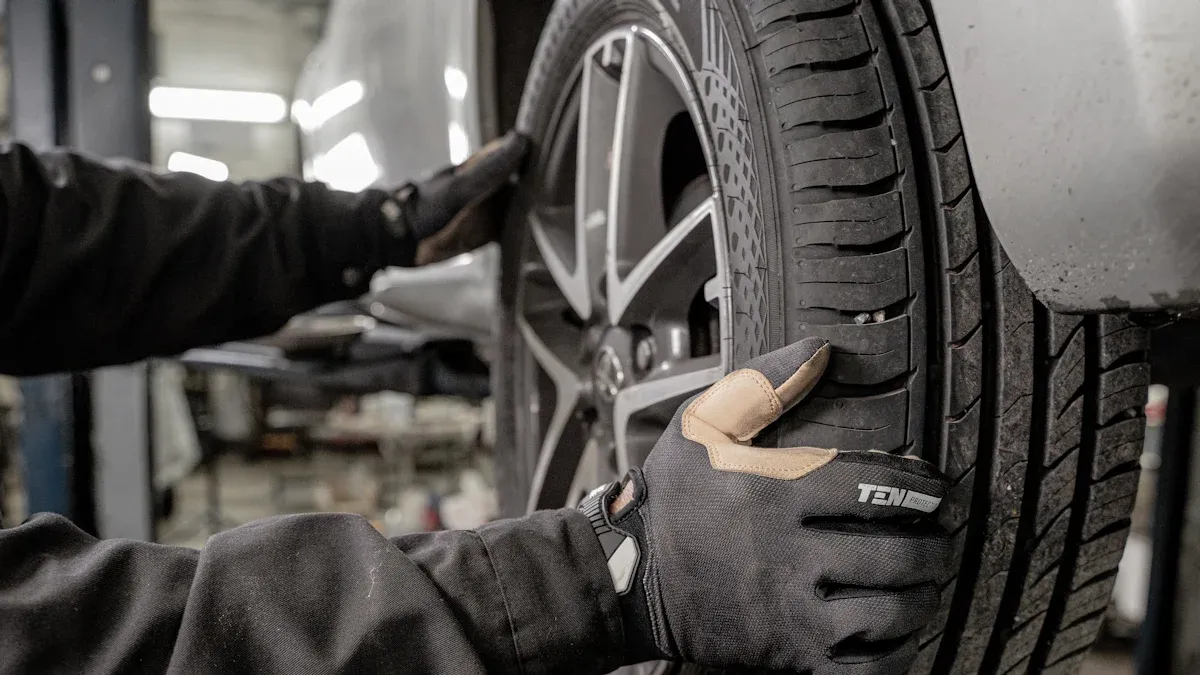
Before you decide on a repair, you must carefully inspect the damage. Not every flat tire can be saved. A proper car wheel patch is only an option if your tire meets strict safety criteria. Answering the following questions will help you determine if a repair is a safe choice.
The Golden Rule of Puncture Size
The size of the hole is the first major factor. A fundamental rule for tire repair states that you should never repair punctures larger than 1/4 inch (or 6 mm) in diameter. A hole bigger than this suggests the internal steel belts of the tire are damaged. Repairing this kind of damage is impossible and unsafe.
You can use a simple visual check. If the object that punctured your tire is wider than a standard pencil, the tire likely needs replacement. The U.S. Tire Manufacturers Association (USTMA) sets this 1/4-inch limit for a reason. It ensures the structural integrity of the tire is not compromised.
According to the USTMA, repair is only safe if the tire is removed and inspected from the inside before the patch is installed.
This internal check is critical. A professional can see hidden damage that you might miss from the outside. While the 1/4-inch rule is standard for most cars, size limits can vary for larger vehicles.
| Tire Type | Maximum Puncture Size |
|---|---|
| Fabric-ply passenger or light truck | 1/4” (6mm) |
| Steel-belted LT, medium, heavy-duty truck | 3/8” (10mm) |
Location is Everything: Tread vs. Sidewall
Where the puncture occurred is just as important as its size. A safe repair is only possible in a specific area of the tire.
✅ The Safe Zone: The Crown/Tread Area The central tread is the thick, grooved part of the tire that contacts the road. This area is thick enough to hold a tire patch securely without weakening the tire’s structure. If you have a small puncture here, a repair is generally possible.
❌ The No-Go Zones: Sidewall and Shoulder You must never repair damage in these critical areas. A tire patch will not hold, creating a serious risk of a blowout. Industry standards from groups like the Tire Industry Association (TIA) forbid these repairs. Watch out for punctures in these locations:
- Sidewall: This is the smooth side of your tire between the tread and the wheel rim. The sidewall flexes constantly as you drive. This flexing action prevents a patch from sealing properly and severely weakens the tire.
- Shoulder Area: This is the curved edge where the tread transitions to the sidewall. You should not repair any puncture less than 1/2 inch from this edge. This zone also flexes too much for a safe, permanent repair.
- Beyond the Crown: Any damage more than 1 to 1.5 inches from the edge of the main tread pattern is considered too close to the shoulder and is not repairable.
Assessing Your Tire’s Overall Health
A brand-new tire with a small nail in the tread is a great candidate for repair. An old, worn-out tire is not. Before you consider a repair, check the tire’s general condition.
First, look at the tread depth. Your tire needs enough tread to grip the road safely, especially in wet conditions. The legal minimum tread depth is very low, so it is best to replace your tire sooner.
| Region | Minimum Tread Depth |
|---|---|
| Europe | 1.6 mm (2/32 inches) |
| North America | 1.6 mm (2/32 inches) |
💡 Pro Tip: You can use a penny to check your tread. Place a penny upside down in a tread groove. If you can see all of Abraham Lincoln’s head, your tread is worn below 2/32 inches, and you need a new tire immediately.
Next, check for signs of aging, often called “dry rot.” Rubber degrades over time from exposure to sun and weather. An aging tire is brittle and unsafe to repair. Look for these warning signs:
- Sidewall Cracking: You may see a network of fine, spiderweb-like cracks. Deeper splits or a chalky, faded appearance also indicate the rubber is losing its flexibility.
- Cracking Between Tread Blocks: Inspect the grooves for small cracks or signs of chipping. This shows the tread itself is drying out.
- Hard Rubber Texture: Press your fingernail into the rubber. If it feels hard and glassy like stiff plastic instead of pliable, the tire is too old.
If your tire shows any of these signs, you must replace it, even if the puncture is small and in the right location.
When a Full Tire Replacement is Non-Negotiable

While a patch can save a good tire with a minor puncture, some situations leave no room for debate. In these cases, attempting a tire repair is dangerous. You must replace the tire to ensure your safety on the road. Understanding these non-negotiable rules is crucial for every driver.
The Dangers of Sidewall Damage
The sidewall of your tire is fundamentally different from the tread. The tread is a thick, tough layer of rubber. It is designed to resist shocks and protect the tire’s internal structure. In contrast, the sidewall is thinner and more flexible. This flexibility is necessary to absorb bumps and provide a comfortable ride. However, this same quality makes it unable to hold a repair.
Any puncture, cut, or bulge on the sidewall makes the tire unsafe. The constant flexing will quickly cause a patch to fail. Industry standards are clear: damage to the sidewall is not repairable. Ignoring this rule puts you at extreme risk of a blowout.
A weakened sidewall compromises the entire tire’s structural integrity. Even a small issue can grow, leading to sudden failure while you are driving.
A catastrophic tire failure, or blowout, often happens at high speeds without any warning. The consequences can be severe:
- Loss of Control: You may struggle to keep your vehicle stable, leading to a collision or rollover.
- Chain-Reaction Accidents: A sudden blowout on a busy highway can cause multi-vehicle crashes as other drivers react.
- Increased Impact Force: A blowout on a heavier vehicle like a truck or SUV can result in a much more severe accident.
Punctures Too Large to Repair
You already know the golden rule: a puncture must be 1/4 inch or smaller to be considered for repair. Any damage larger than this automatically requires a new tire. This includes long cuts, gashes, or any hole where you can see internal belts or cords.
Look for these clear signs that your tire is beyond saving:
- Large Punctures: Any hole wider than a pencil (1/4 inch) is too big.
- Long Cuts or Slices: A cut in the rubber from glass or metal cannot be safely repaired.
- Tread Separation: If you see the tread peeling away from the body of the tire.
- Large Bubbles or Bulges: These indicate the internal structure of the tire has failed.
If you find a cut on your tire’s surface, you should have an expert inspect it immediately. Do not drive on a tire with this type of damage.
Multiple Repairs and Tire Age
Even if a puncture is small and in the right place, the tire’s history and age matter. A single tire can only handle so much damage before it becomes unreliable.
While some industry guidelines for commercial trucks are flexible, the rule for passenger cars is more conservative. For your safety, you should not repair a tire more than twice. Additionally, if a tire has two punctures, they must be at least 16 inches apart. If you have more than two previous repairs or the new damage is too close to an old patch, you should get a new tire.
Finally, every tire has an expiration date. Rubber degrades over time due to exposure to heat, sunlight, and oxygen. An old tire becomes brittle and unsafe, regardless of its tread depth.
🗓️ The 10-Year Rule Major manufacturers like Bridgestone state that a tire should be removed from service 10 years after its manufacturing date. You can find this date on the tire’s sidewall as a four-digit code (e.g., “3221” means the 32nd week of 2021). An old tire is a risk you should not take.
Signs of Internal Tire Damage
Sometimes, the most dangerous damage to a tire is not what you see on the outside. Driving on a flat tire, even for a short distance, can cause severe internal harm. The weight of your car puts immense stress on the deflated tire structure. This pressure crushes the tire’s inner layers and sidewalls, causing permanent damage that makes a repair unsafe.
A visible protrusion on the sidewall of a tire is an air bubble. This is a clear sign of internal damage. A tire with this issue requires immediate attention and replacement.
When the internal structure of a tire fails, air escapes the inner liner and gets trapped between the rubber layers. This creates a noticeable bulge or bubble on the sidewall. You should never ignore this symptom. It means the tire is structurally compromised and could lead to a blowout.
Look for these prominent indicators of internal tire damage:
- Bubbling and Bulging: These are the most obvious signs. A bulge shows that the internal fabric cords of the tire have broken.
- Causes of Bulges: These can result from hitting a pothole, an unseen manufacturing defect, or simply the tire’s age.
- Under-inflation Damage: Driving with low air pressure also puts extra stress on the sidewalls, which can lead to bulging.
Any bulge or bubble is a serious problem. You cannot repair this type of damage. You must get a new tire immediately to ensure your safety. Driving on a deflated tire can also expand the original puncture, making a once-repairable tire completely useless.
The Professional Standard for Tire Repair
When you get a flat tire, you might hear about a quick fix called a tire plug. However, a professional tire repair follows a much higher standard to ensure your safety. Understanding this standard helps you make the right choice for your tire.
Why a Simple Plug Isn’t Enough
A simple tire plug is only a temporary solution. You should not rely on it for long-term safety. Industry experts like the U.S. Tire Manufacturers Association (USTMA) do not consider a tire plug a proper repair. A tire plug is inserted from the outside, which creates several risks.
- Hidden Damage: A technician cannot inspect the inside of the tire. Driving on a flat tire can cause internal damage that a simple tire plug repair will miss.
- Imperfect Seal: A tire plug does not completely seal the tire’s inner liner. This allows air and moisture to seep into the tire’s steel belts, causing them to rust and weaken over time.
- Failure Risk: The air pressure inside your tire constantly pushes against the tire plug. This can cause the tire plug to leak or fail completely, often without warning.
A tire plug is a temporary fix that can create serious safety risks. Many tire manufacturers will even void your tire warranty if you use a tire plug for a repair.
The Essential Plug-and-Patch Combo
The only correct way to perform a tire repair is with a plug-and-patch combination. This method seals the tire from the inside out, creating a permanent and safe repair. A professional follows several critical steps.
- The technician removes the tire from the wheel for a full inspection.
- They prepare the puncture area from inside the tire.
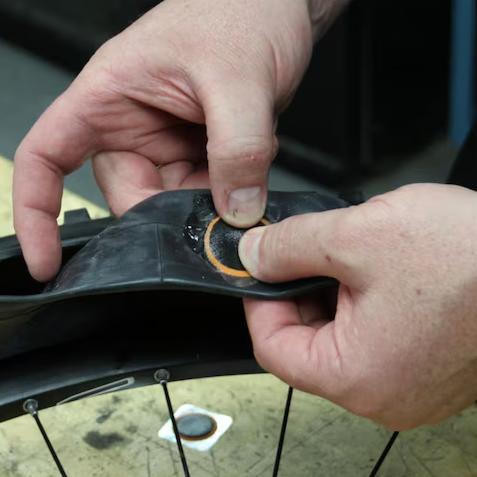
- They install a special unit that combines a tire patch and a tire plug.
- The tire patch portion seals the inner liner, preventing air loss.
- The tire plug stem fills the puncture hole, blocking out moisture and debris.
This two-part system restores the tire’s integrity. The risk of failure with a proper car wheel patch and plug combo is incredibly low.
Quality Materials from SUNSOUL
The quality of the repair materials is just as important as the method. SUNSOUL is a leading manufacturer of high-quality tire repair products. Their materials ensure a durable, long-lasting seal. SUNSOUL tire patch products use advanced technology for a powerful bond.
SUNSOUL uses natural rubber and special polymers in its patches. This allows the repair to flex with the tire and resist heat. A vulcanizing gum creates a permanent, leak-proof seal. Their products undergo rigorous testing, including pressure resistance up to 300 PSI, to guarantee dependability. Using quality materials from a trusted supplier like SUNSOUL ensures your tire repair is reliable and safe for the road ahead.
Making the Final Call: Cost vs. Safety
You face a choice between a quick fix and a new purchase. While cost is a factor, your safety must always come first. Understanding the real differences between these options helps you make the responsible decision for your vehicle.
Comparing Repair and Replacement Costs
A professional tire repair is significantly less expensive than buying a new tire. This initial saving is very tempting. However, you must consider the potential long-term costs of an improper repair. A failed tire can lead to a serious accident. The financial consequences of a crash can be devastating.
The Hidden Costs of a Bad Repair Accident victims often face enormous expenses far beyond the cost of a new tire. These can include:
- Emergency and long-term medical care
- Lost income and reduced earning ability
- Costs for rehabilitation or home adaptations
Why Safety Is the Top Priority
You cannot put a price on your well-being. A faulty tire compromises your vehicle’s most critical safety feature. According to the National Highway Traffic Safety Administration (NHTSA), tire-related issues caused 664 deaths in 2020 alone. A failing tire can cause you to lose control, leading to a high-speed spinout or rollover. Case studies show that even overlooked issues, like an old tire or improper placement of a worn tire, can result in fatal accidents. The small amount of money you save is not worth this risk. A new tire is the only safe choice when a repair is questionable.
Trusting a Professional Inspection
When you have any doubt, let a certified professional make the final call. A qualified technician does more than just look at the puncture. They perform a complete inspection to ensure the tire is safe to repair.
A technician will remove the tire from the wheel to check for hidden internal damage. Their inspection includes:
- Checking inflation pressure
- Measuring tread depth
- A visual search for cuts, bulges, or scrapes
- Looking for uneven wear patterns that signal other problems
Look for repair shops with technicians who hold certifications from organizations like the ASE (Automotive Service Excellence) or the TIA (Tire Industry Association). These credentials show they have the expert training to properly assess your tire and protect your safety.
A professional car wheel patch is a smart choice for a minor puncture on a healthy tire. However, you must replace your tire for any sidewall damage or large punctures. A worn-out tire also needs replacement. Your safety is the top priority.
Remember these key facts:
- Major brands like Michelin state a single, proper tire patch is acceptable for one repair per tire.
- Worn-out tires are three times more likely to be in a crash.
If you are unsure, always have a professional inspect your tire. A proper car wheel patch can save a good tire, but a new tire is the only safe choice when there is any doubt.
FAQ
How long does a professional tire patch last?
A professional plug-and-patch combo is a permanent fix. It should last for the remaining life of your tire. This method properly seals the tire’s inner liner and fills the puncture path. The repair restores the tire’s integrity, making it a safe and long-term solution.
Why can’t you repair a tire near the sidewall?
Your tire’s sidewall constantly flexes as you drive. This movement prevents a patch from holding a secure seal. A repair in this flexible zone is extremely unsafe and can lead to a sudden blowout. For this reason, industry standards forbid any repairs on the tire’s shoulder or sidewall.
Is it okay to patch a run-flat tire?
You must be very cautious with run-flat tires. Many manufacturers advise against repairs because driving on them after a puncture can cause hidden internal damage. Always check your specific tire manufacturer’s policy. A professional must inspect the tire thoroughly to see if a repair is safe.
What makes a quality tire patch?
A quality patch ensures a durable repair. Top manufacturers like SUNSOUL use strong, flexible materials like natural rubber and special polymers.
💡 Key Feature: A strong vulcanizing gum creates a permanent, leak-proof chemical bond with the tire. This ensures the patch can withstand heat and pressure for a safe, reliable seal.