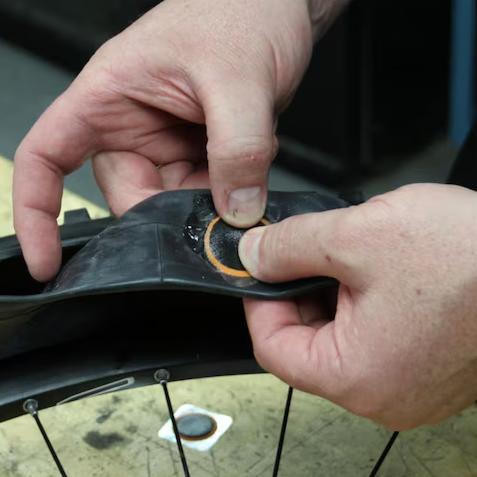

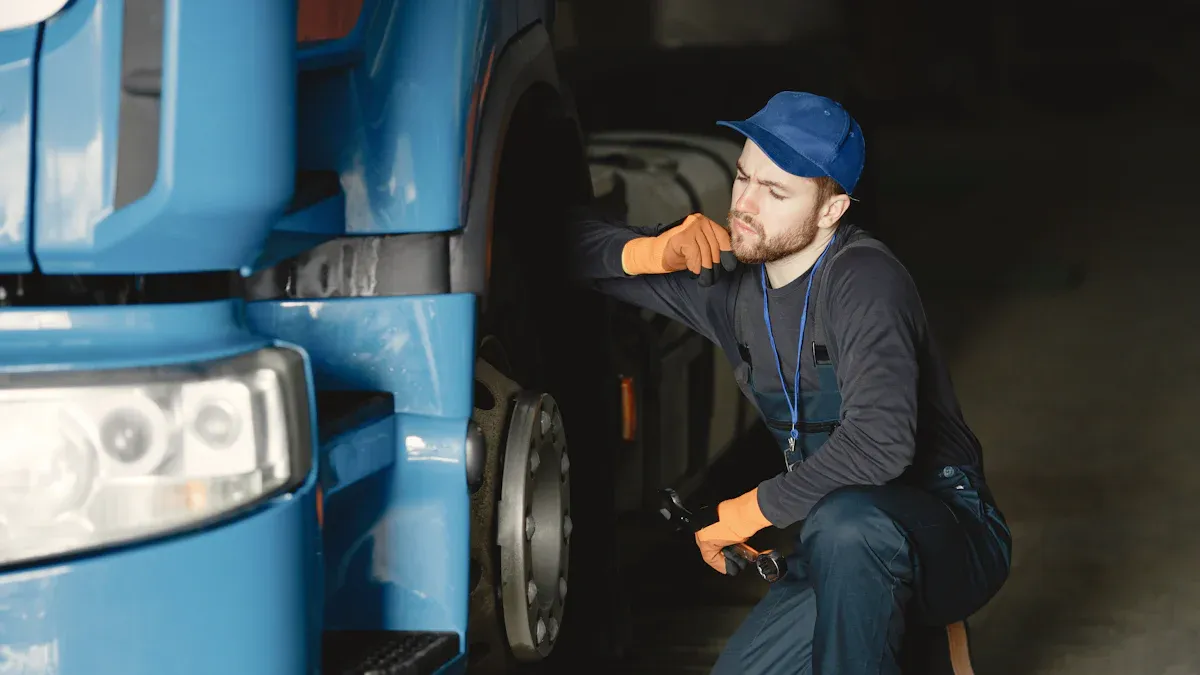
Your fleet maintenance demands the highest safety. For your fleet, essential truck tire plugs are combination units. They seal punctures and reinforce the inner liner simultaneously. This repair ensures superior performance and fleet safety.
Note: To achieve maximum fleet safety, your maintenance must use a reliable standard. SUNSOUL’s solutions for your fleet ensure your maintenance delivers peak performance. This commitment to safety and performance protects your fleet and boosts its overall performance.
Understanding the Different Types of Truck Tire Plugs

You need to know the different types of tire repairs. This knowledge helps you make the best choice for your fleet. Each type has a specific purpose and impacts your fleet’s safety. Choosing the correct repair method protects your drivers and your assets.
Combination Plug-Patch Units: The Industry Gold Standard
Combination units are the best choice for permanent tire repairs. They provide the highest level of safety for your fleet. This repair uses a single, integrated unit. It has a rubber stem (the plug) and a patch. The technician installs it from inside the tire. The stem fills the puncture hole through the tread. The patch seals the inner liner. This two-in-one action creates a permanent, airtight seal. It stops moisture from reaching the steel belts within the tread structure.
Major tire manufacturers agree on this standard. The U.S. Tire Manufacturers Association (USTMA) approves combination units for permanent repairs.
- The USTMA states that a plug by itself is not a complete repair.
- It also states a patch by itself is not a complete repair.
- This official approval shows a united industry endorsement for combination repairs to ensure maximum safety and tread integrity.
Using these units ensures your repairs meet the highest industry standards for your fleet. This protects the tire’s tread and overall structure for the long haul.
String/Rope Plugs: For Emergency Roadside Use Only
String plugs are common in basic car repair kits. You insert these sticky, fibrous ropes into a puncture from the outside of the tread. They offer a very fast, temporary fix to get a vehicle off the road. However, you must never consider them a permanent repair for your commercial fleet. Using them beyond an emergency creates serious safety risks.
⚠️ Critical Safety Alert: A string plug is only a temporary solution. It does not properly seal the tire’s inner liner. This failure puts your fleet at significant risk.
The tire manufacturing industry warns against using string plugs as a permanent fix. The risks are too high and directly threaten vehicle safety.
- String plugs allow air and moisture to get inside the tire’s body. This moisture corrodes the steel belts under the tread.
- Corrosion weakens the bond between the rubber layers and the steel belts of the tread. This greatly increases the risk of tread separation.
- A string plug repair does not involve dismounting the tire. You cannot inspect the inside for damage, which could make the tire unsafe and require scrapping it.
A weakened tread can lead to a catastrophic failure on the highway. Your fleet’s safety depends on avoiding this type of risky repair.
Mushroom/Stem Plugs: An Alternative to Combination Units
Mushroom plugs, or stem plugs, are another type of internal repair. A technician inserts them from inside the tire, much like a combination unit. The stem fills the puncture channel in the tread, and a flared head sits against the inner liner. These truck tire plugs are a step up from dangerous string plugs. They provide a better seal on the inside.
However, they are not the gold standard. The head of a mushroom plug may not create as strong or durable a seal as the separate, reinforced patch on a combination unit. The patch on a combination unit is specifically designed to bond securely with the inner liner, reinforcing the area around the puncture in the tread. For the demanding conditions commercial truck tires face, the robust seal of a combination unit offers superior safety and reliability. When selecting truck tire plugs, the security of the inner seal is vital for protecting the tread and the tire’s casing. Your fleet deserves the most secure repair available.
Key Selection Criteria for Your Fleet’s Tire Repair Program
Choosing the right repair materials is a critical decision for your fleet. Your selection process directly impacts vehicle uptime, operational costs, and overall safety. You must establish clear criteria for your tire maintenance program to ensure every repair is safe, durable, and compliant. This protects your drivers, your cargo, and your business from the risks of a failed tire.
Matching Plug Size to Puncture Diameter
You must match the repair unit to the puncture size with precision. Using a plug that is too small for the hole will not create a proper seal. Gaps will remain in the tread. These gaps allow moisture and air to penetrate the tire’s inner structure, leading to rust on the steel belts. A plug that is too large will stretch the puncture and place excessive stress on the surrounding rubber and steel belts of the tread. This can damage the tread and weaken the tire, compromising its integrity and your fleet’s safety.
Proper tire maintenance requires technicians to measure the puncture accurately after reaming it to a clean, uniform shape. Your repair kits should contain a range of truck tire plugs to handle different puncture sizes. Regular inspections of your repair inventory ensure your team always has the correct size on hand. This simple step is fundamental to performing a safe and lasting repair. Following this rule during tire inspections is a key part of your safety commitment.
Choosing Plugs for Radial vs. Bias-Ply Tires
Your fleet may use both radial and bias-ply tires, and they are not interchangeable. The internal construction of these tires is fundamentally different. Radial tires have steel belts running across the tread with flexible sidewalls. Bias-ply tires have crisscrossing layers of material that create a more rigid structure. You must use repair units specifically designed for each type.
Radial patches and plugs are engineered to flex with the tire’s tread and body. Using a rigid bias-ply repair on a radial tire creates a hard spot. This spot does not flex with the rest of the tread, causing stress that can lead to repair failure and a potential blowout. Conversely, a radial repair may be too flexible for a stiff bias-ply tire. Your tire maintenance program must enforce this distinction. Equipping your technicians with the right materials for both tire types is essential for fleet safety and prevents premature tire failures. These detailed inspections are vital for safety.
Ensuring Adherence to TMC and OSHA Repair Standards
Your fleet’s safety and legal compliance depend on following established industry regulations. Federal and industry groups provide strict rules for tire repairs to ensure vehicle safety on public roads. Ignoring these tire regulations creates unacceptable risks and exposes your fleet to significant liability. Your maintenance procedures must align with these critical tire safety standards.
Compliance is Non-Negotiable: Adherence to DOT tire regulations, OSHA rules, and TMC recommended practices is the foundation of a responsible tire maintenance program. These regulations exist to prevent accidents and ensure fleet safety.
The U.S. Department of Transportation (DOT) sets the legal standards for commercial vehicle tires. The DOT tire regulations dictate the maximum allowable puncture size for a repair, typically 1/4 inch for a truck tire’s tread. Any damage beyond this size or outside the crown area of the tread makes the tire non-repairable. Your tire inspections must enforce these DOT tire regulations without exception.
The Technology & Maintenance Council (TMC) offers detailed recommended practices that guide high-quality repairs. Your technicians should be trained on these guidelines to ensure consistency and safety. Key TMC documents include:
- RP 206C, Radial & Bias Tire Puncture (Nail Hole) Repair Procedures
- RP 233C, Radial Tire Puncture Repair Training Guidelines
Furthermore, Occupational Safety and Health Administration (OSHA) regulations protect your technicians. OSHA tire regulations mandate the use of safety cages during the inflation of any repaired multi-piece or single-piece rim wheel, protecting staff from explosive force. Following these DOT tire regulations and other tire regulations is mandatory. Your commitment to these DOT tire regulations, tire regulations, and thorough inspections demonstrates a culture of safety. This focus on DOT tire regulations and comprehensive inspections protects your entire operation.
Implementing a Standardized Program for Fleet Tire Safety
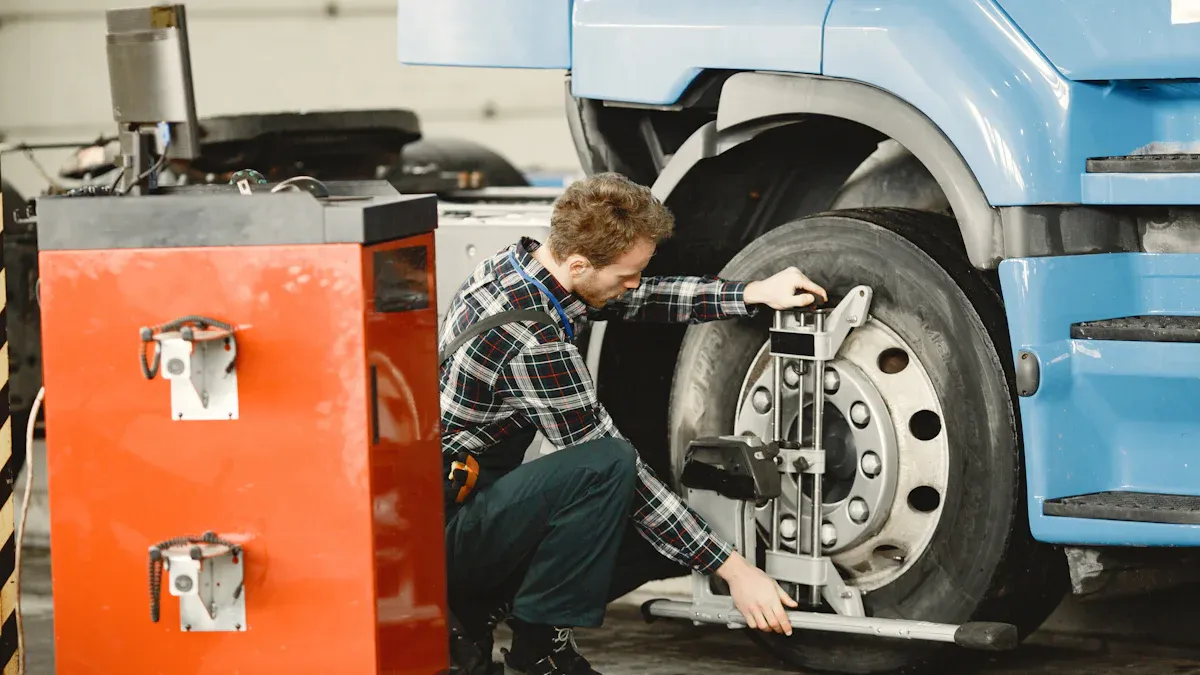
You can elevate your fleet tire safety by creating a standardized program. This approach ensures every repair meets your high standards for safety and performance. A strong program combines the right tools, proper training, and strict safety protocols. This commitment to fleet tire safety protects your entire operation.
Building a Standardized Fleet Repair Kit
You must equip your technicians with a standardized tire repair kit. This ensures every repair uses approved materials and follows consistent maintenance procedures. Your kit should contain a range of combination plug-patch units to match any puncture size on the tread. It also needs the right tools and quick-repair gear. Managing your inventory of these critical truck parts is essential for readiness. You need to track all your spare parts. Using a fleet management system helps you organize your spare parts and supplies.
- Systems like Fleetio offer parts inventory tracking.
- You can manage tires and repair components in one place.
- The system displays specific fields for tire details, helping you maintain correct stock levels.
Regular inspections of your kits confirm they are complete and ready for any maintenance task. This preparation is a cornerstone of fleet safety.
The Critical Role of Technician Training and Certification
Your tools are only effective in the hands of a trained technician. Proper training is crucial for your fleet’s safety. It ensures technicians understand complex tire regulations and DOT tire regulations. Your fleet driver safety program should include comprehensive maintenance training. This training protects your business and boosts technician confidence. Certified training eliminates improper repairs that weaken the tread and risk catastrophic failure.
Invest in Certification: Professional training programs are the best way to ensure your team follows industry best practices for safety and compliance with all regulations.
Leading programs provide the necessary skills for your fleet.
- TIA’s Certified Commercial Tire Service (CTS) course covers everything from tire inspections to OSHA regulations.
- Technicians learn proper repair procedures based on manufacturer standards, which is vital for your fleet driver safety program.
This investment in your team is an investment in your overall fleet safety.
Why Proper Installation Safety is Non-Negotiable
Proper installation is the final, critical step for fleet tire safety. Your technicians must follow strict safety procedures during every repair. This diligence prevents workshop accidents and ensures the repair holds up on the road. Your maintenance culture must prioritize safety above all else. This focus on safety during tire inspections and repairs protects the tread and the tire casing. Following all tire regulations and DOT tire regulations is mandatory.
Your fleet driver safety program must enforce these rules without exception. For example, OSHA regulations require using a safety cage when inflating any repaired tire. This rule protects your staff from explosive force. Consistent inspections and adherence to DOT tire regulations and other tire regulations demonstrate your commitment to safety. This focus on safety, regulations, and maintenance protects your fleet and its valuable tread.
The Business Impact of Choosing the Right Truck Tire Plugs
Your choice of repair materials directly affects your fleet’s bottom line. The right truck tire plugs improve your fleet’s financial health. They boost efficiency, enhance safety, and protect your business from liability. This focus on quality repairs delivers a strong return on investment.
Reducing Vehicle Downtime and Repair Costs
You can significantly reduce costly downtime with proper tire repairs. A single downed vehicle can cost your fleet between $448 and $760 per day. Using high-quality combination units ensures a durable seal on the tread. This prevents repeat repairs and keeps your trucks moving. A reliable repair protects the tire casing and its tread for future retreading. This extends the tire’s life and lowers your overall operational costs. Better repairs lead to better tire performance and a more profitable fleet. This improved performance is key to your success.
Enhancing Overall Fleet Safety and Liability Protection
You protect your business by prioritizing fleet safety. Standardized repair procedures are your best defense against legal issues. Following industry regulations demonstrates your commitment to safety. Documented maintenance proves your compliance with all regulations.
Your documented adherence to safety regulations is critical. It shows you proactively manage risks and protect your drivers and the public.
- Detailed records of every repair on the tread show you follow all regulations.
- Consistent procedures across your fleet prevent unsafe shortcuts.
- Following all safety regulations helps you avoid penalties and legal problems.
This focus on fleet safety and compliance with regulations strengthens your entire operation. It protects the tread and ensures maximum performance.
Partnering with a Reliable Supplier like SUNSOUL
You need a partner who guarantees quality and supports your fleet. A reliable supplier like SUNSOUL provides more than just parts; they deliver confidence. Their products meet strict international standards, ensuring every repair enhances fleet safety and performance. This commitment to quality protects the tread of every tire.
SUNSOUL’s commitment to quality and safety includes:
- ISO 9001 Certification for consistent production.
- DOT Compliance to meet road safety regulations.
- Comprehensive Testing to ensure a perfect seal on the tread.
Furthermore, SUNSOUL supports your team with technical training, fast customer service, and lifetime maintenance advice. This partnership ensures your technicians have the skills and materials to maintain peak performance and safety. This support helps your fleet meet all regulations and keep the tread in top condition.
You must choose combination plug-patch units for your fleet. This ensures safe, durable repairs for every tread. Your commitment to safety protects your entire fleet.
Key Takeaways for Your Fleet:
- Match the plug to the puncture on the tread.
- Use radial-specific plugs to protect the tread.
- Standardize kits and training for total fleet safety.
Audit your repair program now. This action enhances operational uptime and overall fleet safety. A proper repair on the tread is vital for safety. Your fleet’s tread requires this level of safety. The tread’s integrity depends on it. Protect the tread, the tread, the tread, and the tread.
FAQ
Why can’t I use a string plug for a permanent repair?
You must not use string plugs for permanent repairs. They fail to seal the tire’s inner liner. This allows moisture to reach the steel belts under the tread. Corrosion weakens the tire, creating a major safety risk for your entire fleet.
What is the largest puncture I can repair on a truck tire?
You can only repair punctures up to 1/4 inch (6mm) in diameter. This rule applies to the tire’s crown area, which is the central part of the tread. You must scrap any tire with damage larger than this or outside the approved tread area.
How often should I inspect my fleet’s tire repair kits?
You should inspect your fleet repair kits monthly. Regular checks ensure you have the correct combination units for any puncture. This practice guarantees your technicians are always prepared to perform a safe repair on the tire’s tread, maintaining vehicle readiness.