

Hot patches for tires use heat to bond the tire patch securely to the tire, creating a strong and lasting seal. In contrast, cold patch tire repair relies on chemical adhesives to attach the patch, eliminating the need for heat. Choosing between these methods can impact tire safety and overall performance. A tire patch with superior adhesion reduces the risk of blowouts and enhances durability. Fast repairs, especially with dual cure options, save valuable time and contribute to safer driving. Many drivers and repair shops seek out a reliable cold patch tire wholesaler in China for quick and effective solutions. Selecting the right tire patch method not only extends tire life but also promotes safer roads for everyone.
Key Takeaways
Hot patch repairs use heat and pressure. This makes a strong and lasting bond. They are best for permanent fixes on big tire damage.
Cold patch repairs are fast and simple. They are great for emergencies. They work well for small holes. Cold patches do not need heat.
Picking the right patch method can make tires safer. It can also help tires work better. Hot patches are best for big damage. Cold patches are good for small problems.
Sunsoul Tire Patch products are made to last. They work well and are safe. You can use them in many types of weather.
Checking and taking care of tire repairs is important. It can stop blowouts and help tires last longer. This keeps driving safer.
Hot Patch Tire Repair
What is Hot Patch?
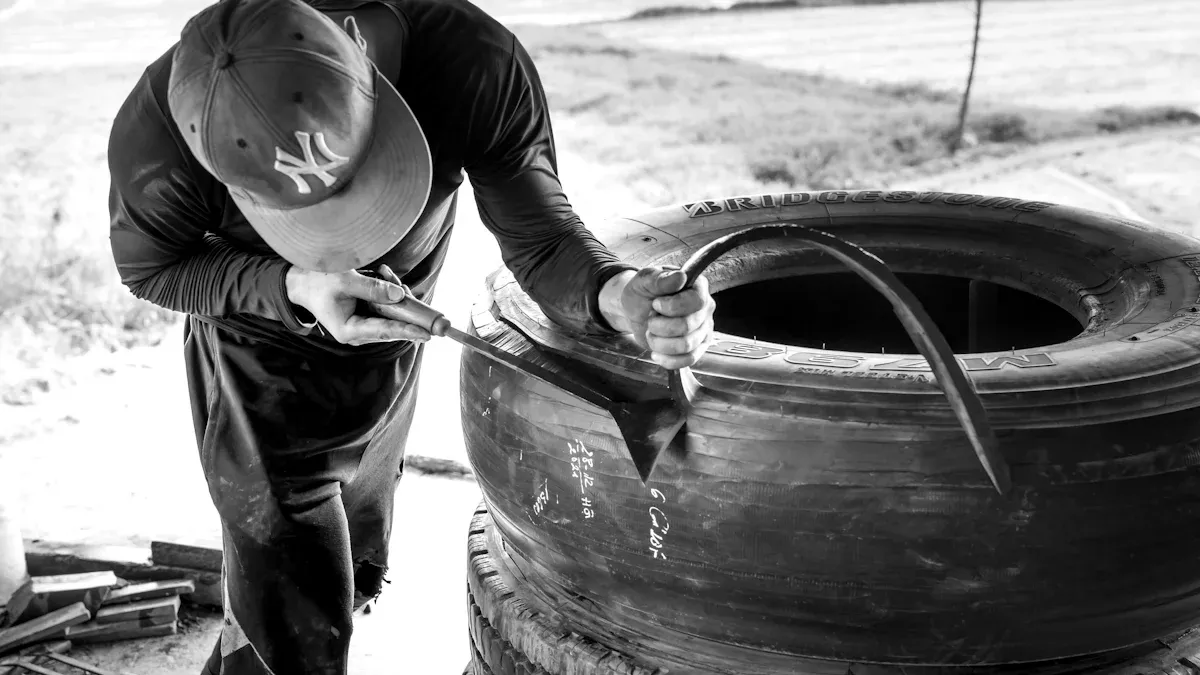
Hot patching fixes tires using heat and pressure. This sticks a patch to the damaged spot. The seal is strong and keeps the tire safe. Sunsoul makes vulcanizing patches for this job. These patches use special rubber and polymers. Both mechanics and people at home can use them. Hot patching is known for making a tough, bendy bond that lasts a long time.
Hot Patch Process
First, the damaged area gets cleaned and ready. Technicians put vulcanizing fluid on the rubber to make it soft. The patch goes over the hole. Heat and pressure start the vulcanization. This reaction joins the patch and tire together. The repair is strong and lasts a long time. The table below lists the main chemicals and materials used:
Component | Description |
|---|---|
Elastic Polymers | Materials like gum arabic or natural rubber help the patch stick. |
Solvents | Toluene, acetone, or heptane help dissolve the polymers. |
Vulcanizing Fluid | Makes the rubber soft so the patch can stick better. |
Bonding Process | When the solvent dries, the patch bonds tightly to the tire. |
This method makes a chemical bond. It is stronger than rubber cement. The repair can handle very hot or cold weather and heavy loads.
Hot Patch Features
Sunsoul Tire Patch products use new technology. The table below shows important features:
Feature | Description |
|---|---|
Precision | Vulcanized fluid helps make repairs exact. |
Versatility | Works with both cold and hot cure systems. |
Customization | Good for many different repair needs. |
Strong & Flexible Bond | High-quality patches make repairs that last. |
Air-Tight Seal | Stops slow leaks and keeps air in the tire. |
Cost-Effective Solution | Makes tires last longer and saves money. |
Quick & Easy Application | Kits have all the tools needed for fast repairs. |
Patches give a strong and dependable fix for many tire holes.
Repairs last longer than plugs, so they are safer for a long time.
Radial tire patches use vulcanization for a strong, lasting bond.
Sunsoul patches work in very hot or cold weather and are 20% tougher than many others.
Products have DOT and ECE R109 certification and come with a 1-year warranty.
Hot patching with Sunsoul Tire Patch gives a repair that lasts. The new technology and strong sticking power help keep tires safe and working well.
Cold Patch Tire Repair
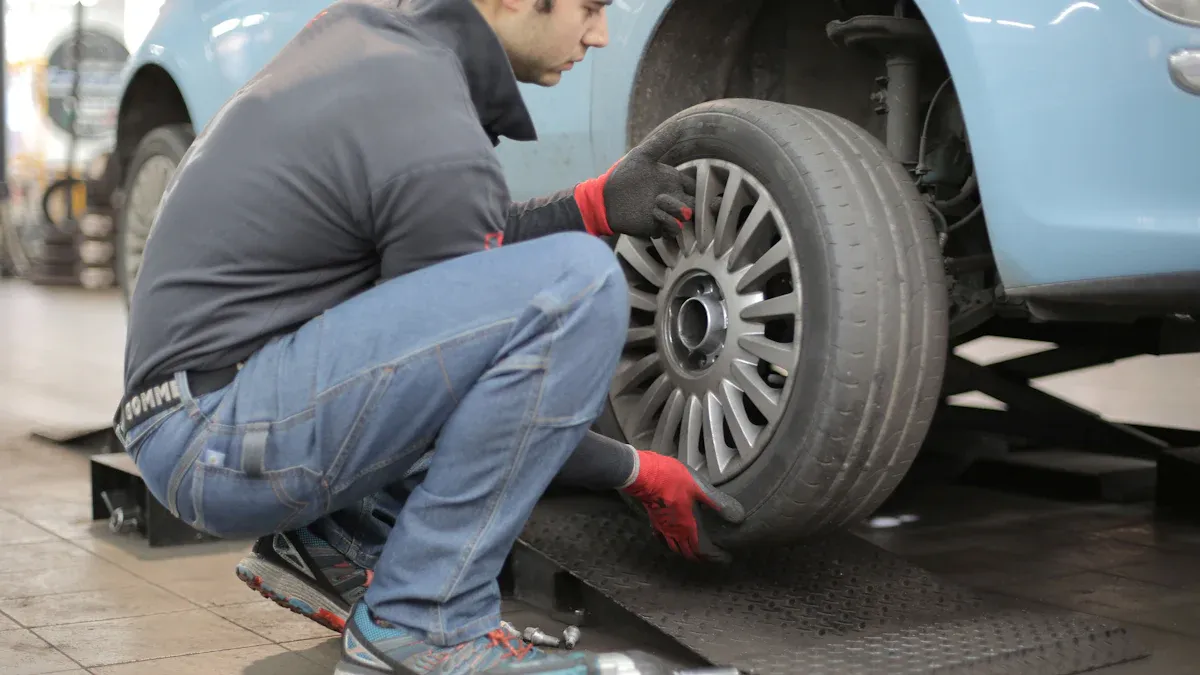
What is Cold Patch?
Cold patch repair uses glue to fix tire damage. It does not need heat. This method is good for quick and short-term fixes. Sunsoul sells cold patches with special rubber and polymers. These patches have chemical cure and dual cure choices. Chemical cure patches work when they touch the tire’s rubber. Dual cure patches help make repairs faster. They let cars get back on the road quickly. Cold patches help keep tires strong and cars safe.
Cold Patch Process
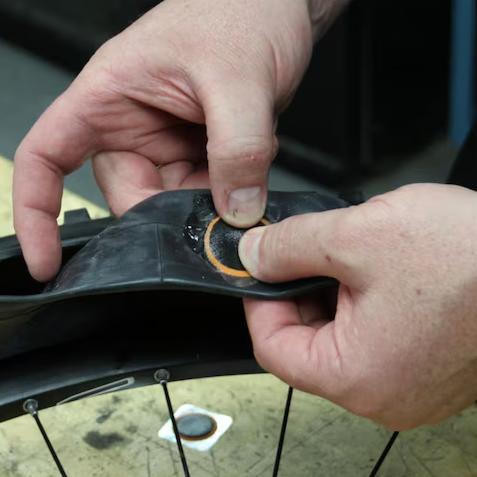
First, workers clean the damaged part inside the tire. They put vulcanizing fluid on the patch and tire surface. The sulfur in the fluid reacts with the rubber. This makes strong links between the patch and tire. No heat is needed for this repair. This makes cold patching easy for emergencies or busy shops. Dual cure patches can finish in 5 to 15 minutes. Drivers can get back on the road fast.
Process Step | Description |
|---|---|
Application of Vulcanizing Fluid | Fluid goes on both the patch and tire surface. |
Reaction with Rubber Molecules | Sulfur reacts with rubber to form cross-links. |
Formation of Cross-Links | Cross-links make a strong, lasting bond. |
Cold Patch Features
Sunsoul cold patches have many good points for fixing tires. Chemical cure and dual cure patches stick well and last long. Dual cure patches use fabric for extra strength in radial tires. They can fix spots like the shoulder or over-injury areas. Each patch has a 24-month warranty. Patches can last 3 to 5 years, depending on use.
Chemical cure patches use lots of vulcanized cushion gum for strong sticking.
Dual cure patches finish fast and work for many tire types.
Both patch types are good for general and special repairs.
Cold patches give quick and easy fixes for drivers and shops.
Cold patch repair is a simple and trustworthy way to fix tires. Sunsoul’s patches help tires last longer and keep drivers safe.
Hot vs. Cold Patch Comparison
Materials & Tools
Hot patch and cold patch repairs need different things. Hot patch repairs use vulcanizing patches, heat, and special tools. Cold patch repairs use chemical cure or dual cure patches, vulcanizing fluid, and simple hand tools. Sunsoul sells both types. Their patches have strong rubber and glue. Each kit has all the tools you need for each repair.
Material/Tool | Hot Patch Repair | Cold Patch Repair |
|---|---|---|
Patch Type | Vulcanizing patch | Chemical cure or dual cure patch |
Adhesive | Vulcanizing fluid | Vulcanizing fluid |
Application Tool | Heat press or vulcanizer | Roller or hand tool |
Additional Equipment | Heat source, pressure applicator | None required |
Application Steps
Hot and cold patch repairs follow similar steps. The curing process is what makes them different. Hot patch repairs use heat to stick the patch. Cold patch repairs use chemicals instead.
Method | Steps |
|---|---|
Cold Patch | 1. Find the damage. 2. Clean the area. 3. Put on vulcanizing cement. 4. Place the patch. 5. Let chemicals cure the patch. 6. Check the repair. |
Hot Patch | 1. Find the damage. 2. Clean the area. 3. Put on vulcanizing cement. 4. Place the patch. 5. Use heat to cure the patch. 6. Check the repair. |
Tip: Always check your repair when you finish to stay safe.
Time & Convenience
Cold patch repairs are fast and easy. You can fix a tire in just a few minutes. This is great for emergencies. Hot patch repairs take more time. They need heat and pressure. You need special equipment for hot patching, so it works best in a shop.
Sunsoul kits have all the tools and easy instructions.
Self-vulcanizing patches make repairs simple for anyone.
Fixing a tire costs less than buying a new one, so drivers save money.
Durability & Effectiveness
Hot patch repairs make a strong bond that lasts a long time. They can handle tough weather and hard use. Cold patch repairs are good for quick fixes. How long they last depends on the patch and how well you fix the tire.
Repair Type | Durability (Service Life) |
|---|---|
Hot Patch | Many years |
Conventional Cold Patch | Months (may fail after one season) |
High-Performance Cold Patch | Many years (if installed correctly) |
Hot patch repairs are best for big cuts or serious damage. They give a permanent fix. Cold patch repairs work well for small holes and minor problems. They are quick but may not last as long.
Repair Type | Best For | Pros | Cons |
|---|---|---|---|
Hot Patch | Permanent repairs in high-performance tires | Lasts a long time | Needs special tools |
Cold Patch | Emergency or quick repairs | Easy and fast | Not as strong for long-term use |
Cost Factors
The price depends on what you need for each repair. Hot patch repairs usually cost $15 to $30. Cold patch repairs cost $20 to $50. Special repairs can cost more. Replacing a tire costs even more money.
Repair Method | Cost Range |
|---|---|
Hot Patch | $15 – $30 |
Cold Patch | $20 – $50 |
Specialized Fixes | $100 or more |
Tire Replacement | $50 – $150 |
Note: Patching a tire saves money compared to buying a new one.
Summary
Sunsoul has many tire patch products for hot and cold patching. Hot patch repairs use heat and pressure for a strong fix. They are best for big damage and permanent repairs. Cold patch repairs use glue for quick and easy fixes. They work well for small damage and emergencies. Both ways help tires last longer and keep people safe. Pick the right repair based on the damage, tools, and how fast you need the fix.
Choosing the Right Tire Patch
When to Use Hot Patch
Hot patch tire repair is best for permanent fixes. Experts say hot patching works well for holes in the middle of the tread. This method uses heat and pressure to make a strong bond. Hot patching cannot fix damage in the sidewall or shoulder. Big holes and slanted cuts in the tread area can be fixed with hot patch patches. The process fills tiny gaps, so the repair lasts longer.
Common Hot Patch Scenarios:
Scenario | Repairable | Notes |
|---|---|---|
Puncture in tread area | Yes | Best for permanent repairs |
Damage in shoulder or sidewall | No | Tire replacement needed for safety |
Sunsoul makes vulcanizing patches that blend into the tire. These patches stick very well and look like they came from the factory. Hot patching is good for shops and drivers who want a fix that lasts a long time.
When to Use Cold Patch
Cold patch tire repair is great for quick fixes and emergencies. Professionals say cold patch works for small holes in the tread under 1/4 inch. Cold patching does not need heat, so drivers can use it anywhere. Cleaning and roughening the hole helps the patch stick better. Plug-patch kits seal the hole from inside and meet DOT rules.
Cold Patch Tips:
Use only for tread area holes under 1/4 inch.
Clean and roughen the spot before putting on the patch.
Check the repair with soapy water and watch tire pressure.
Sunsoul’s chemical cure and dual cure patches are flexible. These patches cure at room temperature or with heat. The soft gum sticks well and holds tight until the patch is fully cured.
Environmental Compliance Table:
Certification | Description |
|---|---|
RoHS | No hazardous materials present |
REACH | Meets chemical safety standards |
Sunsoul tire patches follow strict environmental rules. Their products work for many repairs and help keep roads safe.
Hot patch repairs need heat to make a strong bond. Cold patch repairs use glue for fast fixes. Dual cure patches help tires last longer and stay safe. People should think about how big the damage is and where it is. Patch quality and having a pro fix the tire are important too. Sunsoul Tire Patch products help tires last longer. They use safe materials and help with recycling. Cold patch repairs are becoming more popular because they are quick and cheap. Sunsoul gives safe, green, and trusted ways to fix any tire.