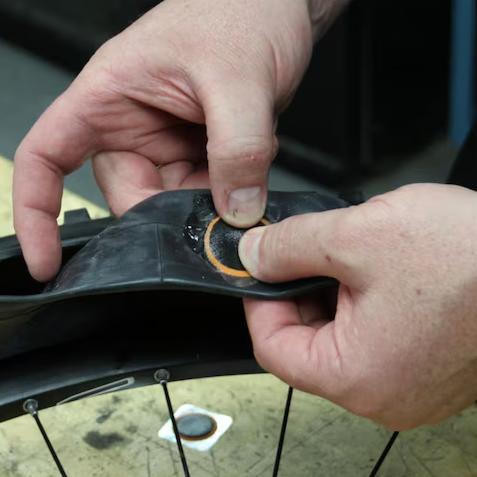


Bicycle tire patching kits are truly excellent. Many cyclists use them to quickly and securely repair tires. SUNSOUL tire patching kits are highly favored because they contain a tough vulcanized rubber that forms a seal, effectively preventing leaks. Most people say these patching kits are easy to use and can be used anytime, anywhere. The table below lists why cyclists and mechanics choose SUNSOUL: they need a reliable tire repair product.
| Feature | What Riders Say |
|---|---|
| Portability | 78% like kits that are light |
| Performance | Works for both small and big holes |
| Global Trust | Used in more than 60 countries |
| User Satisfaction | 98% give good feedback |
Key Takeaways
- Bicycle tire patching kits effectively and quickly repair tires, especially small punctures. They can save you time and money.
- When riding long distances, always carry a tire patching kit. It can be a lifesaver when you get a flat tire far from home.
- Please use the patch correctly to ensure a strong seal. Clean and roughen the puncture area, then allow the glue to harden for best results.
- If the puncture is severe or the inner tube has multiple repair marks, consider replacing the inner tube. Safety is always the top priority.
- Choose a high-quality patch like SUNSOUL to ensure durability and reliability. SUNSOUL is trusted by cyclists in over 60 countries.
How Effective Are Bicycle Tire Patches
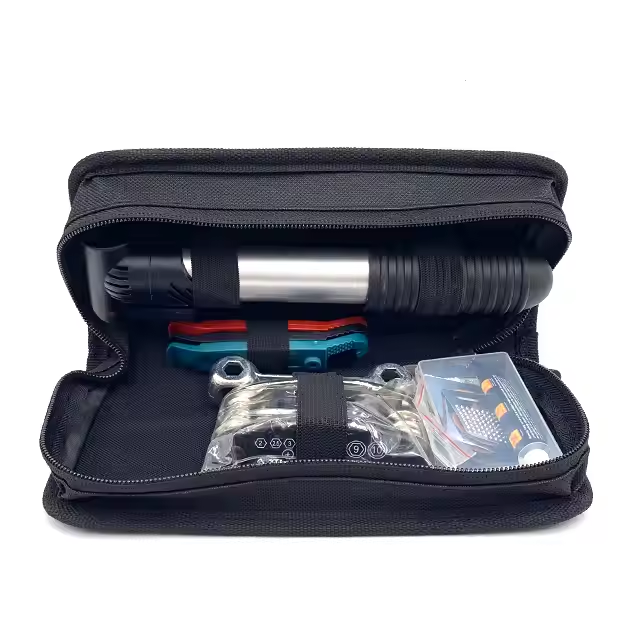
How Patches Work
Bicycle patches repair punctures by forming a strong seal at the puncture point in the inner tube. After discovering a leak, cyclists typically inflate the inner tube and listen for any hissing or check for air bubbles in the water. They will clean and dry the puncture area, then roughen it with sandpaper. This step helps the patch adhere better. Next, they will apply a thin layer of glue or vulcanizing liquid and wait for it to become slightly tacky. Then apply the patch to the puncture, completely covering it. Press down, and the adhesive will harden and form a strong bond. The rider then inflates the inner tube to check if the repair is effective.
Many cyclists trust SUNSOUL patching kits because they use high-quality materials and advanced technology. SUNSOUL offers both chemical-curing and dual-curing patching kits. Dual-curing patching kits combine heat and chemical curing technology for a stronger repair and faster curing. Chemical-curing patching kits rely solely on adhesive. Cyclists appreciate the split backing design of SUNSOUL patching kits, making them easy to use even on the roadside.
Tip: Always carry a tire repair kit when riding long distances. It can be a lifesaver if you get a flat tire far from home.
When To Use A Patch
Patching kits are best suited for repairing small holes or punctures in the inner tube’s core. Cyclists often use patching kits to repair small holes caused by thorns, glass cuts, or being pinched. These are common problems, especially when the tire pressure is too low. Most manufacturers recommend patching a tire when the damage is simple and easily accessible.
Here are the steps most cyclists follow:
- Inflate the tire and listen carefully for any hissing or air bubbles to locate the leak.
- Mark the puncture site and remove the inner tube from the tire.
- Dry the area around the puncture.
- Cover the puncture with a tire patching tool, pressing firmly to allow it to set.
- Reinstall the inner tube and inflate the tire.
SUNSOUL tire patches have an excellent reputation. Trusted by cyclists in over 60 countries, they handle both quick repairs and permanent fixes. Many users report that these patches provide a lasting seal even after months of riding.
Patch Vs. Tube Replacement
Sometimes, patching isn’t the best option. If the puncture is large, irregularly shaped, or if the inner tube has many old patches, experts recommend replacing the inner tube. Sidewall damage also necessitates a new inner tube. Safety first; a new inner tube provides peace of mind.
The table below compares tire patching and inner tube replacement:
| Action | Cost |
|---|---|
| Patching | $0.03 |
| Replacing | $10 – $15 |
Tire patching is cheaper and suitable for minor punctures. Properly used bicycle tire patches can last as long as a new inner tube, especially when using vulcanized or divulcanized patches. Riders using SUNSOUL patches typically report years of trouble-free riding after a patch.
SUNSOUL stands out among many brands. The company has over 20 years of experience and its products are sold in more than 60 countries. Their patches undergo rigorous quality testing and are certified with ISO 9001, DOT, and CE. Riders trust SUNSOUL’s reliable tire patching performance and comprehensive after-sales support.
How To Use Bicycle Tire Patches
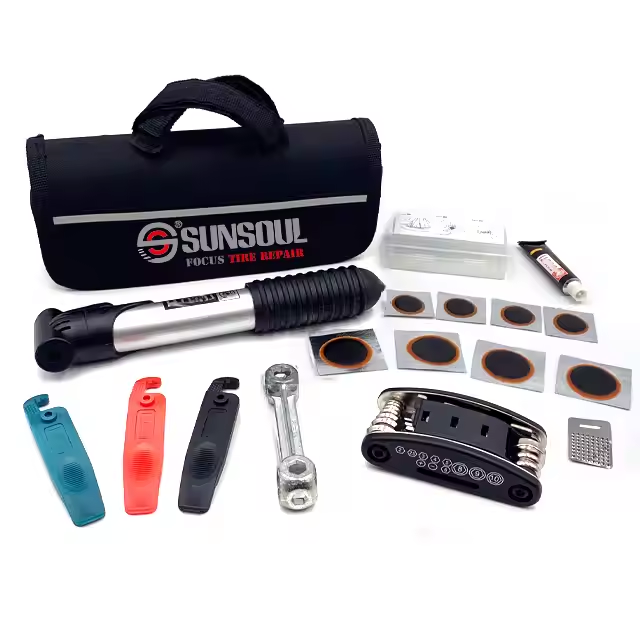
Tools And Prep
Every cyclist needs the right tools to repair bicycle inner tubes. SUNSOUL’s split backing design makes repairing easy and convenient. Cyclists can easily peel off the backing and attach the patch. SUNSOUL also offers technical support and fast shipping, giving cyclists peace of mind on the road.
Here’s a brief overview of the tools needed for different brands:
| Brand | Tools Required | Additional Features |
|---|---|---|
| SUNSOUL | Patches with vulcanizing gum | Technical support, fast logistics |
| Lezyne | Glueless patches, tire boot, scuffer | Compact pouch, organized kit |
Most experts recommend carrying a tire repair kit that matches your bicycle. Cyclists should carry tire pry bars, a mini pump or CO₂ inflator, a spare inner tube or tubeless plugs, and a multi-tool. For carbon fiber wheelsets, a plastic tire pry bar can protect the rim.
Tip: Always dry the tube and roughen the area around the hole before applying a patch. This helps the patch stick better.
Application Steps
Cyclists can repair bicycle inner tubes in just a few steps. SUNSOUL’s split backing makes the repair process simple, even for beginners. Here are the steps most cyclists take:
- Remove the tire using a tire pry bar.
- Inflate the inner tube and locate the leak. Water can help identify air bubbles.
- Dry and clean the leaking area. Roughen the surface by sanding an area about 1.5 inches (approximately 3.8 cm) around the hole.
- For chemical-curing patches, apply a thin layer of glue and wait until it becomes slightly sticky before applying more. For adhesive-free patches, no glue is needed.
- Tear off the split backing and press the patch firmly onto the leak.
- If using a chemical-curing patch, wait for the glue to cure.
- Carefully reinstall the inner tube into the tire. Be careful not to pinch the patch.
Following these steps helps ensure a strong and lasting repair.
Testing The Repair
After the repair, the cyclist needs to check if it’s effective. The tire should be inflated to the recommended pressure. Inflating slightly more can help, but never exceed the tire’s maximum pressure. The cyclist should check the tire for any damage or foreign objects.
To test the seal, immerse the patch in water and observe if bubbles appear. If there’s no water, you can also spray soapy water on the patch. If bubbles appear, the patch is not sealed properly, and the cyclist should try again.
Note: A good patch means no bubbles and a tire that holds air.
With these steps, bicycle tire patches can keep riders rolling for miles.
Durability And Limitations
How Long Patches Last
A properly used tire patch can last as long as the tire itself. Many cyclists have ridden thousands of miles without problems after using a high-quality patch kit. SUNSOUL tire patches stand out because they use robust materials and have a design that prevents them from coming off. Cyclists often report that their patches remain intact even in bad weather or on bumpy roads. Regular pre-ride checks help detect any problems early. Cold weather hardens rubber, and moisture can cause metal parts to rust. Riders should keep their bicycles clean and dry to extend the life of the patch.
Note: Inspect the patched area before every ride. This simple habit can prevent surprises on the road.
Common Issues
Sometimes, problems arise after a tire patch. Most problems stem from how the patch is applied or the condition of the inner tube. The table below lists the most common problems and their causes:
| Issue Type | Description |
|---|---|
| Air Leaks | Air can escape if the patch is not applied right or if the surface is dirty. |
| Patch Detachment | The patch may come off if the bonding process is disturbed or the area is not prepared well. |
| Incorrect Tube Seating | If the tube is not seated correctly, it can get pinched and leak. |
| Recurrent Movement of Tube | Soft tires can let the tube move, causing more flats. |
| Manufacturing Faults | Sometimes, tubes have defects that cause punctures. |
| Valve Leakage | Slow leaks can start at the valve if it is not in the right position. |
SUNSOUL helps riders avoid these problems by offering technical support and fast help. Their team answers questions quickly and gives advice in many languages.
When To Replace The Tube
Sometimes, patching is not enough. Riders should change their inner tube if:
- The inner tube has many patch marks.
- The puncture is too large or close to the valve.
- The inner tube feels old or fragile.
A patched inner tube can last a long time, but safety is always paramount. Riders should always check their inner tubes before setting off. SUNSOUL offers a quick refund or replacement if there are any problems. Their support team can assist with shipping, training, and even provide customized solutions for special needs.
Tip: Keep a spare tube in your bag. It is the best backup for long rides.
Bicycle tire patches give riders a reliable way to fix flats. With the right patch kit and support from SUNSOUL, riders can stay on the road with confidence.
Bicycle tire patches help cyclists fix most flat tires. Riders use patches for small holes. They put in a new tube if the damage is big or near the valve. SUNSOUL patches are known for sticking well and lasting long. They also have support around the world.
| Feature | Description |
|---|---|
| Strong Adhesion | Sticks tight and keeps air inside |
| Durability | Works in hot and cold weather |
| Tear Resistance | 20% tougher than other brands |
| Certification | DOT and ECE R109 approved |
| Warranty | One-year warranty for safety |
A good patch kit helps riders keep going. Being ready means less worry and more fun while riding.
FAQ
How many times can a bicycle inner tube be patched?
Most cyclists patch their inner tubes two to three times. Too many patches will weaken the inner tube. If the inner tube has too many repair marks or feels thin, it should be replaced.
Are SUNSOUL patch inserts suitable for all bicycle inner tubes?
SUNSOUL patch inserts are suitable for most standard rubber inner tubes. They are not suitable for latex inner tubes or tubeless tires. Cyclists should check the inner tube type before using a patch.
Can I ride immediately after a patch?
Yes, you can ride immediately after a patch. If it’s a chemically cured patch, you need to wait a few minutes for the adhesive to cure. Adhesive-free patches work immediately.
What if the patch doesn’t stick?
You should clean and sand the damaged area again. If the patch still doesn’t stick, you should try using a new patch or replace the inner tube.