
Mushroom-shaped tire plugs offer drivers a quick and effective way to repair punctures in tires. Experts say the advantages of mushroom-shaped tire plug repair kits are their excellent sealing and durability. Many drivers use these plugs to stop leaks and continue driving. While mushroom-shaped tire plugs don’t always provide a permanent solution, they are generally superior to rope-type tire plugs in terms of strength and price. This repair method works on a variety of tires, such as bicycle and truck tires.
Key Takeaways
- Mushroom-shaped tire plugs can repair small holes in tires. They are suitable for holes no larger than 1/4 inch (approximately 6 mm) in diameter. These plugs provide a quick and secure seal. They are best suited for emergency situations. Do not use them to repair sidewall damage or larger holes. How to use: First, clean the hole, then insert the tire plug. After the glue dries, ensure it adheres firmly. Handle with care, especially at high speeds.
How mushroom tire plugs work

Design and function
The special shape of the mushroom-shaped tire plug helps seal tire holes. It has a wide, flat top connected to a sturdy rod. A wide cap sits inside the tire, covering the puncture. A rod passes through the puncture and fills it. Air inside the tire pushes the cap downwards, making the seal even tighter.
The table below shows the advantages of mushroom-shaped tire plugs:
| Aspect | Description |
|---|---|
| Shape | The wide cap and stem close the hole from inside. |
| Mechanical Anchoring | The stem fills the hole and keeps out water and dirt. |
| Chemical Adhesion | Vulcanizing cement glues the plug to the tire for a tight seal. |
| Internal Pressure | Air in the tire pushes the cap down, making the seal stronger. |
No expertise is required to use these plugs. Most people can repair a tire in just a few simple steps. Clean the puncture, insert the plug with a tool, and then wait for the glue to dry. Therefore, mushroom-shaped tire plugs are ideal for quick tire repair.
What punctures they fix
Mushroom-shaped tire plugs are best suited for repairing small to medium-sized tire punctures. They can repair punctures no wider than 1/4 inch (approximately 6 mm). For holes between 1/4 inch and 1/2 inch (approximately 6 mm to 13 mm), a patch with a plug is recommended. Larger holes (over 1/2 inch, approximately 13 mm) cannot be repaired using this method.
- Mushroom tire plugs can fix:
- Small holes (up to 1/4 inch)
- Medium holes (1/4 to 1/2 inch) if you add a patch
- Most holes in the tread area
Mushroom-shaped tire plugs have a long lifespan but are not permanently effective. Their repair effect may be poor for tires driven at high speeds. It is recommended that you check your tires frequently and use a permanent patch if you require greater safety.
Mushroom tire plugs Effectiveness and reliability
Leak prevention
Mushroom-shaped tire plugs help many drivers prevent tire leaks. The patch kit creates a tight seal inside the tire. The wide plug can be inserted inside the tire and cover the hole. The plug fills the hole in the tire, helping to retain air. This design prevents air leaks. Many people trust these tire repair kits because they use high-quality parts. When installed correctly, the plug effectively blocks water and dust. It is both strong and adhesive. This combination helps the tire maintain pressure until you find a suitable permanent repair method.
Durability over time
The lifespan of mushroom-shaped tire plugs depends on several factors. Studies show that if installed correctly, they can last for months or even years. Normal driving helps prolong the repair’s effectiveness. The quality of the plug installation is crucial. Cleaning the hole and using adhesive helps the plug stay in place. Weather and road conditions also affect the duration of the repair’s effectiveness. Bumpy roads or alternating hot and cold weather will accelerate the wear and tear of the repair. Remember, mushroom-shaped tire plugs are not a permanent repair solution. They are best suited for emergencies or short-term use. For a longer-lasting repair, experts recommend using a patch with the plug, or having a professional tire repair done. Check your tires regularly to ensure they are in good condition.
Safety notes
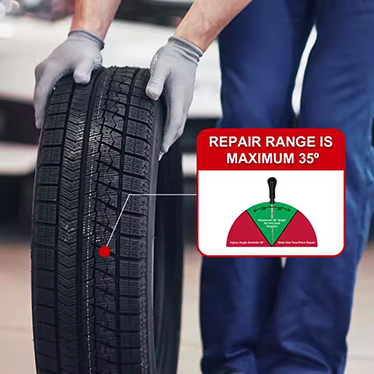
Safety is paramount when using these tire repair kits. Tire manufacturers have established safe tire repair rules. The patch should only be inserted into the center of the tire tread, i.e., the crown. Never repair the sidewall or shoulder of the tire, as these areas have greater curvature. Generally, the maximum repairable hole diameter is 3mm to 7mm, but the specific size depends on the tire brand. Do not use mushroom-shaped tire repair strips to repair tears, cuts, or long holes. After repairing a tire, reduce your speed. Some brands recommend not exceeding 75 mph (approximately 120 km/h) after a tire repair. Mushroom-shaped tire repair strips are best suited for repairing small, round holes in the tire tread. They are not a universal solution. For safety, get a permanent repair as soon as possible.
Tip: Mushroom-shaped tire repair strips are suitable for emergencies or when a quick visit to a repair shop is necessary. Always check your tires regularly and replace them with permanent repair strips if necessary.
Common reasons for mushroom-shaped tire plug failure include:
- Not a permanent repair
- Not as durable as a true repair
- Should be replaced with a better repair method as soon as possible
- Best for quick repairs, emergencies, or going to a repair shop
- Not suitable for sidewall or shoulder damage
Mushroom-shaped tire plugs can effectively repair tires in many situations. They can help drivers quickly repair a blowout and continue driving. For best results, follow the kit instructions and perform a permanent repair when conditions permit.
Mushroom tire plugs vs regular plugs
Design differences
Manufacturers state that there are significant differences between mushroom-shaped and regular tire plugs. Mushroom-shaped tire plugs have a wider head, allowing them to be inserted into the tire. This shape helps form a strong seal and covers a larger area. Regular tire plugs rely on friction and glue for fixation. They have a smaller contact area with the tire and are easier to move. The table below lists their differences:
| Feature | Mushroom Tire Plugs | Regular Tire Plugs |
|---|---|---|
| Design | Wide cap-like head for superior anchoring | Relies on friction and sealant |
| Sealing Capability | Creates a tight mechanical seal | May not provide the same level of durability |
| Resistance to Pull-Through | Reduces risk during high-speed or heavy-load operation | Less resistant to pull-through |
| Surface Area Contact | Larger surface area for better air-tight seal | Smaller contact area, less effective seal |
| Resistance to Movement | Anchored securely, resists vibration and pressure changes | Sits loosely, more prone to movement and deformation |
Performance comparison
Mushroom-shaped tire plugs are generally more suitable for tire repair. Mushroom-shaped plugs are installed by securing the plug inside the tire to prevent air leakage. Regular tire plugs are prone to falling off, especially during high-speed driving or when carrying heavy loads. Mushroom-shaped tire plugs are firmly attached to the tire and less prone to movement, thus extending the tire’s seal time. Many car owners prefer to use mushroom-shaped tire repair kits because they feel it’s safer. Regular tire plugs may not last as long as mushroom-shaped tire plugs, and they may fail if the tire is used heavily. Both types of tire plugs can repair small punctures, but mushroom-shaped tire plugs generally provide a better seal.
Pros and cons
Automotive repair experts believe that both types of tire plugs have their advantages and disadvantages:
- Mushroom-shaped tire plugs provide peace of mind for car owners, preventing slow leaks.
- Tire shops make higher profits selling mushroom-shaped tire plugs, leading some to question whether they are truly necessary.
- Some people report that regular tire plugs are prone to falling off, causing them concern.
- Mushroom-shaped tire plugs are not permanently effective and leaks can still occur.
- Regular tire plugs are cheaper, but their seal may not be as strong as mushroom-shaped tire plugs.
Note: Mushroom tire plugs are good for quick repairs. They help you drive again fast. For a fix that lasts, experts say to patch the tire or get a pro to repair it.
Mushroom tire plugs cost vs value
Price comparison
Mushroom-shaped tire plugs are generally more expensive than regular tire plugs. Many stores sell mushroom-shaped tire repair kits at a higher price because they include specialized tools and glue. The best tire repair kits often include extra parts that help improve the repair results. Regular tire plugs are cheaper, but the repair effect may not be as professional. The price of a mushroom-shaped tire repair kit depends on the brand and the number of tire plugs included in the package. Some kits cost between $15 and $30, while basic tire repair kits may cost less than $10. Car owners are willing to pay more for mushroom-shaped tire plugs because they provide a tighter seal and longer lifespan.
Is the extra cost worth it?
Car owners often ask whether it’s worth spending more money on mushroom-shaped tire plugs. Mushroom-shaped tire repair kit brands claim their products provide a better seal and effectively prevent leaks. The wide plug cap and sturdy plug stem help the tire plug stay firmly in place on the tire. Many car owners report that mushroom-shaped tire plugs provide a more durable repair than regular tire plugs. Mushroom-shaped tire plugs can help avoid the need for an immediate replacement of the tire or permanent repairs. Tire plugs don’t always provide a permanent solution, but they are very effective for emergencies and everyday use.
Note: Mushroom-shaped tire plugs can help car owners save on the cost of replacing tires or going to a repair shop. They firmly repair small holes in the tire tread.
When to choose mushroom plugs
Tire repair experts recommend mushroom tire plugs for certain repairs. The table below shows when to use them:
| Criteria for Using Mushroom Tire Plugs | Description |
|---|---|
| Damage Location | Center tread area only |
| Puncture Size | No larger than 1/4 inch |
| Repair Zone | Not in the sidewall or shoulder |
Drivers should use mushroom tire plugs for small holes in the center of the tire. Mushroom tire repair kit instructions say not to fix sidewall or shoulder damage. Mushroom tire plugs work best for quick fixes and emergencies. They help drivers get back on the road fast. For a permanent repair, drivers should visit a shop or use a patch. Mushroom tire plugs are a good choice when the damage fits the criteria above and a permanent solution is not needed right away.
Alternatives to mushroom tire plugs
SUNSOUL Tire Patch overview
Many car owners seek the highest quality tire repair kits for secure tire repair. SUNSOUL tire patches are ideal for those who prioritize quality and safety. These patches utilize advanced material technology; the rubber and special polymers allow them to maintain flexibility in extremely cold or hot weather. SUNSOUL tire patches also offer exceptional adhesion to the tire, remaining firmly in place even under heavy loads or at high speeds.
SUNSOUL conducts pressure, water resistance, and adhesion tests on each patch to ensure its durability. The company strictly adheres to environmental regulations, and SUNSOUL tire patches are free of hazardous chemicals and heavy metals. Car owners in over 60 countries worldwide trust SUNSOUL tire patches.
| Feature | Description |
|---|---|
| Advanced Material Technology | High-quality rubber compounds with specialized polymers for heat and friction resistance, flexible in extreme temperatures from -40°F to 250°F. |
| Leading Adhesion Properties | Bonding strength exceeds industry standards, preventing separation under heavy loads and high-speed conditions. |
| Comprehensive Product Testing | Includes pressure resistance testing up to 300 PSI, water immersion tests for 72 hours, peel strength measurements, and long-term durability simulations. |
| Environmental Compliance | Meets international standards like RoHS and REACH, free from hazardous chemicals or heavy metals. |
Patch vs plug repairs
Car owners compare patch repairs and mushroom plug repairs to find the best option. Patch repairs are more durable. A high-quality patch can ensure tire safety for many years. Mushroom plugs are easier to use, but may loosen over time. This can lead to tire leaks or blowouts. Patches are better suited for long-term use, especially on new tires.
The two repair methods have different procedures. Patch repairs require removing the tire from the rim. Clean the inside of the tire, locate the leak, and then glue the patch on. For mushroom plug repairs, simply remove the foreign object, enlarge the hole, and then insert the mushroom plug using a tool. Repair Types
| Repair Type | Application Process | Required Tools |
|---|---|---|
| Patch Repair | Dismount the tire, remove the innerliner, locate the leak, apply patch with vulcanizing solution. | Standard patch, liquid vulcanizing solution, tools for dismounting tire. |
| Mushroom Plug Repair | Remove foreign object, enlarge hole, insert mushroom plug, apply cold vulcanization solution. | Mushroom plug repair kit, reamer, insertion tool, cold vulcanization solution. |
Drivers who want a quick repair can choose mushroom plug repair. Drivers who want a more durable repair usually choose patch repair. Both methods protect tires, but patch repair is more effective and has a longer lifespan.
Mushroom tire plugs real-world experiences
User reviews
Many car owners have shared their experiences using mushroom-shaped tire plugs. Some say this repair method helps them get back on the road quickly. They like how the plugs seal punctures and prevent tire leaks. Others mention that even those who don’t frequently repair tires can easily use this repair kit. Some car owners rely on mushroom-shaped tire plugs as a daily repair tool, while others only use them as a temporary fix. Generally, these plugs are considered reliable for repairing small holes in the tire tread.
Common issues
Car owners sometimes encounter problems when using mushroom-shaped tire plugs. The following table lists the most common problems:
| Issue Type | Description |
|---|---|
| Improper Fit | A plug that is not seated right may let air escape, causing pressure to change. |
| Physical Contact | Long plugs can touch the TPMS sensor or block its signal. |
| Installation Tools | Using tools too hard can move the sensor inside the wheel. |
| Skill Level | Inexperience can cause a poor seal or even damage inside the tire. |
| Safety First | Risks include sudden air loss; always follow safety steps. |
| Limitations Awareness | Mushroom plugs only work for small holes in the tread, not for sidewall damage. |
Drivers should read the repair kit instructions and inspect the tire after repair. Safety is always paramount when performing any tire repair.
Expert opinions
Tire repair experts frequently discuss the advantages and limitations of mushroom-shaped tire plugs.
- Many professionals have expressed concerns about the safety and reliability of these plugs.
- They point out that mushroom-shaped tire plugs can temporarily seal a tire, but cannot repair damage inside the tire.
- Experts warn that incorrect repair methods can allow air and water to enter the tire, potentially leading to tire damage or tread separation.
- Most experts recommend using patches for permanent repairs.
- They agree that mushroom-shaped tire plugs are best suited as a quick repair solution, not a long-term solution.
Note: Drivers should always check the tire after any repair and visit a professional if they have doubts about the repair’s reliability.
Mushroom-shaped tire plugs are suitable for small holes in the tire tread, allowing drivers to continue driving after a blowout. Experts recommend using these types of tire plugs only in emergency situations. Drivers need to understand the limitations of mushroom-shaped tire plugs. They are not suitable for larger punctures or sidewall damage. Professionals advise that you always inspect your tires after repairing them.
- Use only in emergency situations
- Understand their limitations
- Consult a professional if in doubt
FAQ
How long do mushroom-shaped tire plugs last?
Most mushroom-shaped tire plugs last for several months. Some owners report that they can maintain tire pressure for up to a year. The lifespan of a tire plug depends on driving habits and road conditions.
Can mushroom-shaped tire plugs repair sidewall punctures?
Mushroom-shaped tire plugs cannot repair sidewall punctures. Tire experts recommend using tire plugs only for punctures in the tread area. Sidewall repairs require professional assistance.
Are mushroom-shaped tire plugs suitable for high-speed driving?
Mushroom-shaped tire plugs are best suited for city driving. Many brands recommend avoiding speeds exceeding 75 mph (approximately 120 km/h) after using tire plugs. Regular checks help prevent sudden leaks.
Do mushroom-shaped tire plugs require special tools?
Most mushroom-shaped tire plug kits include all the necessary tools. Owners use a reamer and insertion tool to install the tire plugs. The instruction manual guides users through each step.
What is the difference between tire patches and tire plugs?
| Repair Type | Lifespan | Application |
|---|---|---|
| Patch | Years | Inside tire |
| Plug | Months | From outside |
Tip: Choose a patch for long-lasting repairs. Use a plug for quick, temporary fixes.