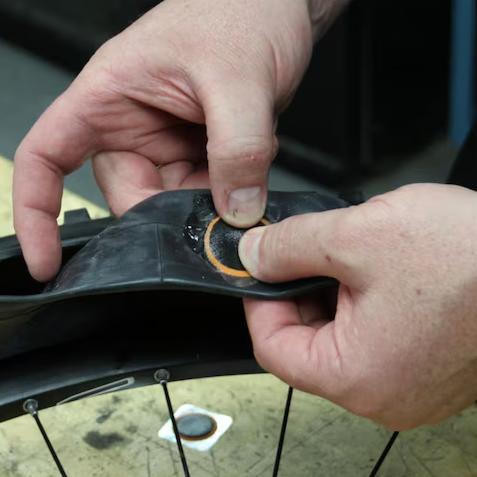


Yes, radial tires need special patches. Using a good product like the SUNSOUL radial tire patch is important. These patches are often sold by a radial patch wholesaler. They help keep the tire strong and safe. Truck tire patches made for radial tires last a long time. They give drivers a safe fix.
Radial tires have steel belts and soft sidewalls. This makes them different from bias ply tires. Because of this, you need a special patch for radial tires. This helps make the repair strong and safe. Most tire repairs today are for radial tires. Radial tires make up more than 98% of all tire sales:
Radial tires are used in most cars, trucks, and big vehicles.
Key Takeaways
Radial tires need special patches because they are built differently. The right patch makes the repair strong and safe.
Always follow the rules for fixing tires. You should take off the tire to check it. Use the right materials to stop accidents from happening.
Pick a radial tire patch instead of a normal patch or plug. Radial patches last longer and keep you safer with big holes.
Getting ready is very important for fixing a tire well. Clean and scratch the damaged spot before you put on the patch. This helps the patch stick better.
Ask a professional for help with hard repairs. Trained workers make sure repairs are safe. They help keep your car safe to drive.
Why Radial Tires Need Special Patches
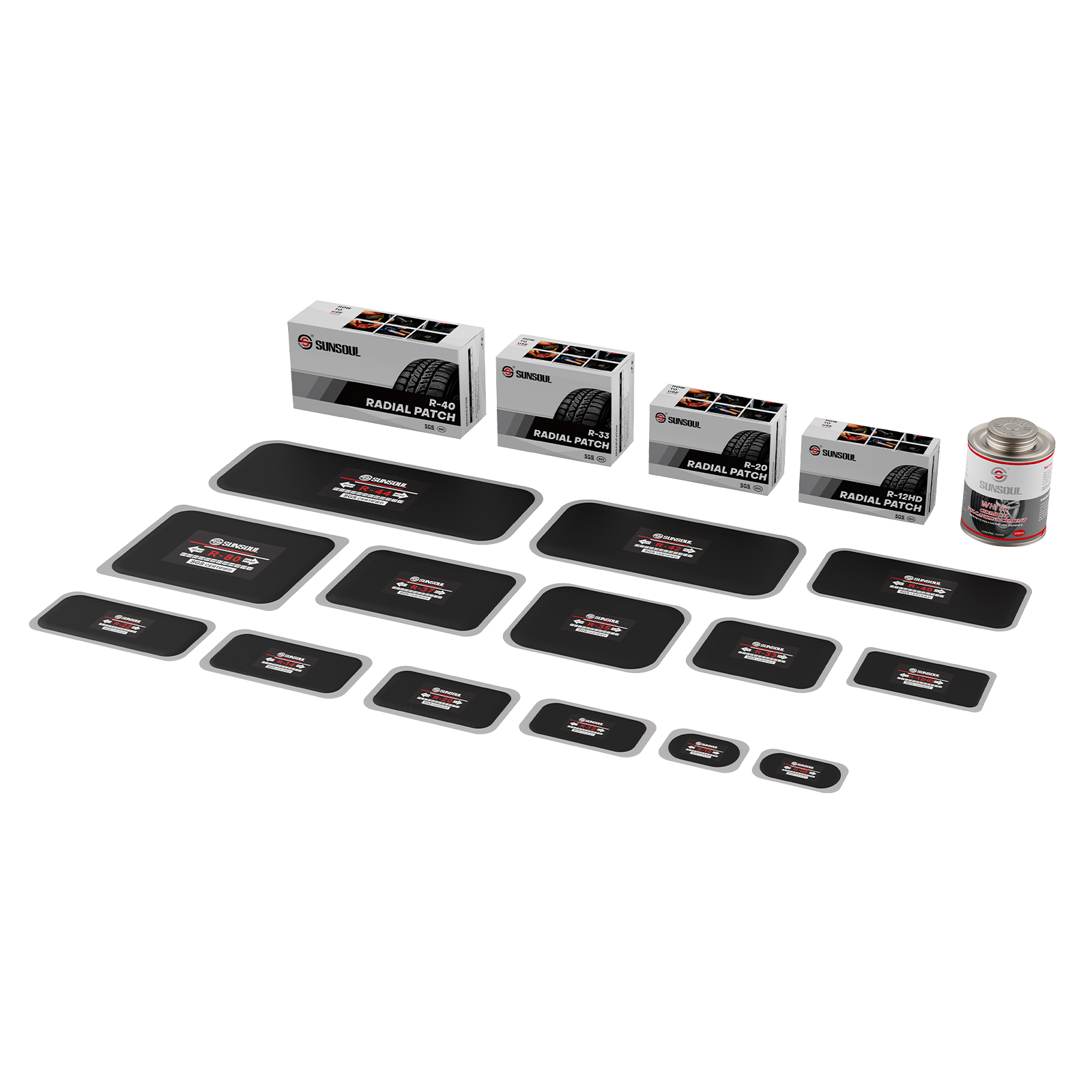
Radial Tire Construction and Repair Challenges
Radial tires are built differently than bias ply tires. This makes fixing them a bit harder for technicians. Here are some main ways they are not the same:
Radial tires have steel belts that go straight across the tire. This gives the tire a strong base.
Bias ply tires use fabric layers that cross over each other. These layers sit at an angle inside the tire.
In radial tires, the sidewalls and tread work on their own. This helps the tire grip the road better and gives a smoother ride.
In bias ply tires, the sidewall and tread are joined together. This can make the tire support uneven.
Radial tires bend more when they roll. This puts more stress on any spot that gets fixed. Regular patches might not work well with this movement. Radial tire patches are made to move and bend with the tire. Using the right patch keeps the tire strong and safe.
How a Radial Tire Patch Works
A radial tire patch is made for the way radial tires are built. The patch needs to stay strong and bendy as the tire moves. The table below shows what these patches do:
Feature | Description |
|---|---|
Flexibility | Made from good rubber that bends with the tire. |
Shock Absorption | Has a layer to soak up bumps and handle bending. |
Compatibility | Works with tube and tubeless tires. |
Structural Integrity | Uses tough fabric to help the tire stay strong. |
Protection | Top layer keeps the patch safe and in place. |
Permanent Bonding | Has a chemical layer to stick tight to the tire. |
Radial repair patches, like the SUNSOUL patch, use these things to make a strong fix. They cover the hole and help the tire stay strong. This stops air from leaking and keeps the tire safe to use.
Industry Standards for Radial Tire Repair
Groups like the Tire Industry Association make rules for fixing tires. These rules help keep people safe and make sure repairs last. Here are some important rules:
Only trained people should fix tires.
The tire must come off the wheel so it can be checked inside.
Quick fixes like string plugs are not safe for radial tires.
A good repair takes out damaged parts and seals the inside.
Repairs should only be done on the tread, not the sidewall.
If a hole is bigger than 1/4 inch, the tire should not be fixed.
Tires with very worn tread (less than 2/32 inch) should not be fixed.
Groups like the National Highway Traffic Safety Administration also say to use the right repair method. They suggest using both a plug and a patch for the best fix. Bad repairs can make tires fail and cause crashes.
Note: Following these rules helps make sure every tire fix is safe and works well. Using a radial tire patch made for radial tires meets these rules and helps tires last longer.
Comparing Radial Tire Patch Types and Alternatives
SUNSOUL Radial Tire Patch Features
SUNSOUL is a top brand in tire repair. The SUNSOUL Radial Tire Patch uses strong natural rubber. This rubber helps the patch stick well and seal tightly. Many people say the patch is simple to use. The instructions are clear and easy to follow. The patch comes in many sizes and types. Some patches even stick by themselves. This means you can fix both small and big holes. The SUNSOUL Radial Tire Patch helps keep tires safe. It also helps tires last longer.
Radial Tire Patch vs. Standard Patch
Radial tire patches and standard patches are not the same. They are different in how they are made and used. The table below shows these differences:
Feature | Radial Patches | Standard Patches |
|---|---|---|
Design | Specifically for radial tires | General design |
Durability | Strong and long-lasting | Varies |
Installation | Requires professional installation | May not require professional installation |
Radial tire patches are made for radial tires. They last longer and keep drivers safer. Standard patches may not work as well. They might not last under daily driving. Picking the right patch helps stop future tire problems.
Radial Tire Patch vs. Tire Plug Solutions
Radial tire patches and tire plugs are different. Here are some main points:
Benefits of Tire Patches:
They last a long time and fix the tire well.
They work for bigger holes in the tread.
They let you check the tire inside before fixing.
Drawbacks of Tire Patches:
They take more time to put in than plugs.
They cost more because of work and materials.
They cannot fix sidewall damage or very big holes.
Feature | Tire Patch | Tire Plug |
|---|---|---|
Application Method | Applied to the inside of the tire | Inserted from the outside |
Effectiveness | More permanent and reliable for larger punctures | Temporary solution for smaller punctures |
Durability | Offers better durability and safety over time | Less durable, may loosen over time |
Installation Requirement | Requires professional installation | Can be done quickly without removing the tire |
Recommended Use | Best for larger punctures and specific areas | Suitable for quick fixes in emergencies |
Cost | Generally higher due to labor and materials | Usually lower due to simpler installation |
Inspection Opportunity | Allows for thorough inspection of tire damage | Limited inspection, may miss hidden issues |
Experts say a radial tire patch is safer for long-term use. Patches bond to the tire and stop air leaks. Plugs are only for short-term fixes. To patch a tire, a pro should take off the tire and check for hidden damage. This careful work gives the best tire repair.
Note: Most experts say to use a radial tire patch for bigger holes. Use tire plugs only if it is an emergency.
Risks of Using Incorrect Patches on Radial Tires
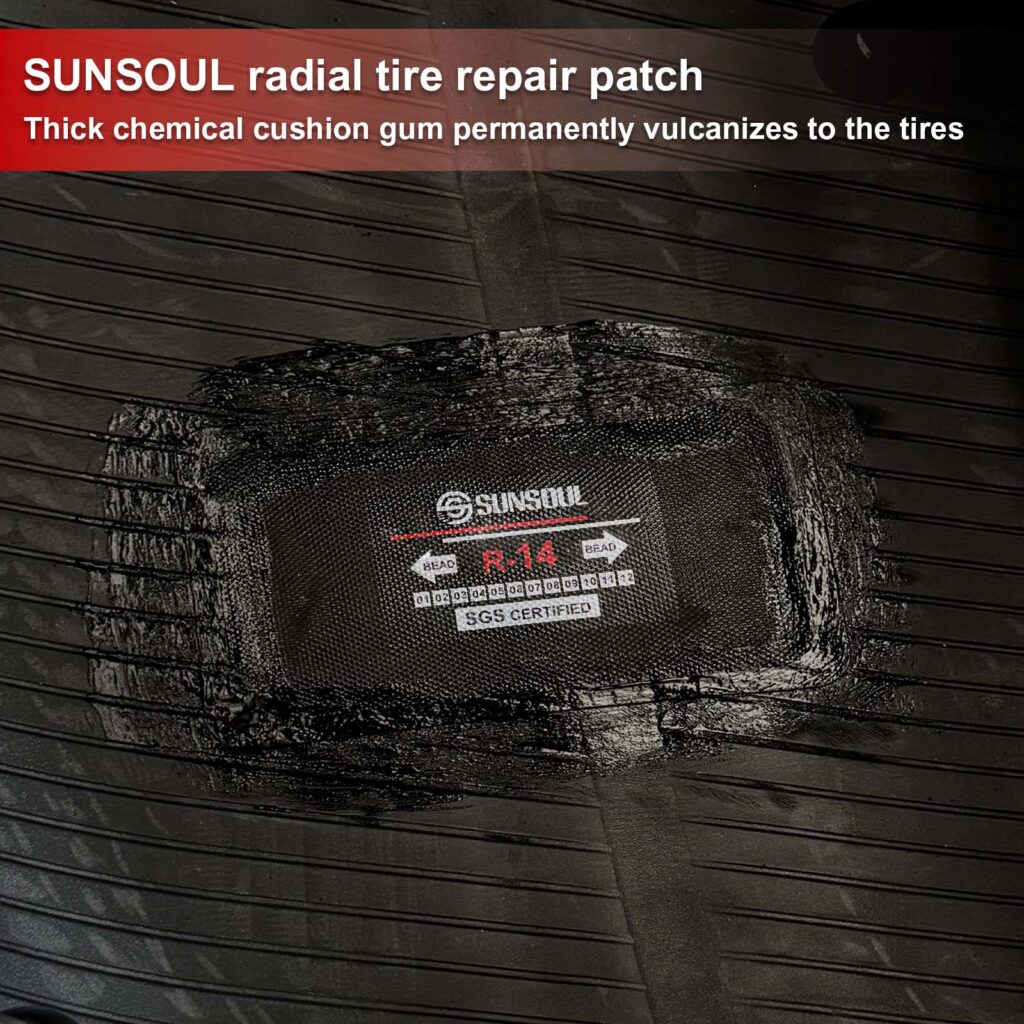
Safety Hazards and Tire Damage
If you use the wrong patch on a radial tire, it can be dangerous. Radial tires have steel belts inside them. A regular patch or plug might not seal the tire well. This can let air and water get inside the tire. Water can make the steel belts rust over time. Rust makes the tire weak and can cause it to break while you drive.
Moisture is a big problem for tires. Did you fix your tire with a plug or a patch? If you used a plug, water might get inside the tire. Radial tires have steel belts for strength. If the plug was not put in right, or if it lets water in, air can also get inside. This causes the steel belts to rust. Rust can make the belts come apart and the tire can fail.
Many accidents happen because of bad tire repairs. Studies show that the wrong patch or just a plug does not seal the tire well. This can make the tire break and cause accidents.
Using the wrong patch or just a plug can be very risky. It can make the tire break and cause accidents.
These repairs do not seal the tire well. Air and water can get in and make the tire weak.
Every year, many accidents happen because of bad tire repairs. This shows why plug repairs are not safe.
Impact on Tire Longevity and Performance
If you use the wrong patch, the tire might not last as long. A patch that does not stick well can let air out slowly. This makes the tire wear out faster. The tire might not grip the road well, which is not safe.
Patches can fail for many reasons. The tire might be too heavy, have a hole, or the glue might not work well. Over time, glue can get old and weak. When this happens, the patch can fall off. The tire can get bumps or even break.
If you fix a tire with the wrong patch, you might lose your warranty. Many companies will not cover tires fixed with the wrong patch or glue.
Tires fixed the wrong way are not covered by the warranty.
Warranties say that tires fixed, retreaded, or sold as scrap are not covered.
Using the wrong patch can make you lose your warranty on radial tires.
Fixing tires the right way keeps drivers safe and tires strong. Always use the right patch for radial tires.
Best Practices for Radial Tire Patch Application
Proper Tire Demounting and Preparation
Proper preparation is the first step in any tire repair. Technicians always remove the tire from the wheel before starting. This step allows them to check the inside for hidden damage. They use a tire lever to remove the tire safely. Next, they clean the damaged area with detergent and dry it well. Cleaning removes dirt and oil that could stop the patch from sticking. After cleaning, they gently roughen the surface. This step helps the patch grip the rubber better. Good preparation makes the repair last longer and keeps the tire safe.
Applying the SUNSOUL Radial Tire Patch
Applying a radial tire patch like the SUNSOUL model follows clear steps. The process starts with checking that the damage is in the tread area, not the sidewall. Here is a simple guide:
Remove the tire from the wheel.
Clean and dry the damaged area.
Roughen the surface with a special tool.
Apply glue evenly and wait until it feels tacky.
Place the patch over the glue, pressing out any bubbles.
Let the patch cure as the glue instructions say.
Reinstall the tire and inflate it to the right pressure.
Check for leaks with soapy water.
Take a short test drive to make sure the repair holds.
These steps help anyone who wants to patch a tire, including those interested in diy tire repair. Following the manufacturer’s guidelines ensures a strong and safe repair.
When to Seek Professional Tire Repair
Some repairs need a trained technician. Tire shops offer comprehensive educational services for the tire industry. Technicians receive hands-on training and certification. They use reference charts, videos, and on-site lessons to learn proper repair methods. The table below shows key parts of their training:
Training Component | Description |
|---|---|
Specialized Training | Skills for tire repairs, including radial tire patches. |
Materials Provided | Guides and materials for correct procedures. |
Training Formats | Charts, videos, and on-site training for different tire types. |
Drivers should seek professional help if the damage is near the sidewall, the hole is too large, or if they feel unsure about the repair. A professional ensures the tire repair meets safety standards and keeps the vehicle safe on the road.
Picking the right radial tire patch keeps cars safe. It also helps tires last longer. Many people make mistakes when fixing tires. Studies say about 85% of repairs are not done right. Doing repairs the right way makes driving safer. It also lets tires last as long as they should. Recycling old tires and using green materials helps the planet. It cuts down on trash in landfills and protects nature.
Aspect | Description |
|---|---|
Safety Regulations | Rules make sure products are safe and work well. |
Material Composition | Makers must use green materials to meet rules for the environment. |
Environmental Impact | Rules try to lower how much tire patches hurt the planet. |
Chemical Usage | Limits on bad chemicals change how products are made. |
Recyclability and Disposal | There is more focus on using materials that can be recycled in tire patches. |
FAQ
What makes a radial tire patch different from a regular patch?
A radial tire patch uses special materials that flex with the tire. This helps the patch stay strong as the tire moves. Regular patches may not last as long on radial tires.
Can anyone repair a radial tire at home?
Many people can repair a tire at home with the right tools. However, a professional repair gives the best safety. Some repairs need special skills and equipment.
Is a radial tire plug the same as a patch?
A radial tire plug fills a hole from the outside. A patch covers the damage from inside the tire. Experts recommend using a patch for a stronger and safer repair.
How long does a radial tire patch last?
A radial tire patch can last for the life of the tire if installed correctly. Proper preparation and following instructions help the patch work well.
Are all tire punctures repairable with a patch?
Not all punctures can be fixed with a patch. Large holes, sidewall damage, or old tires may need replacement. Always check the tire before repairing.