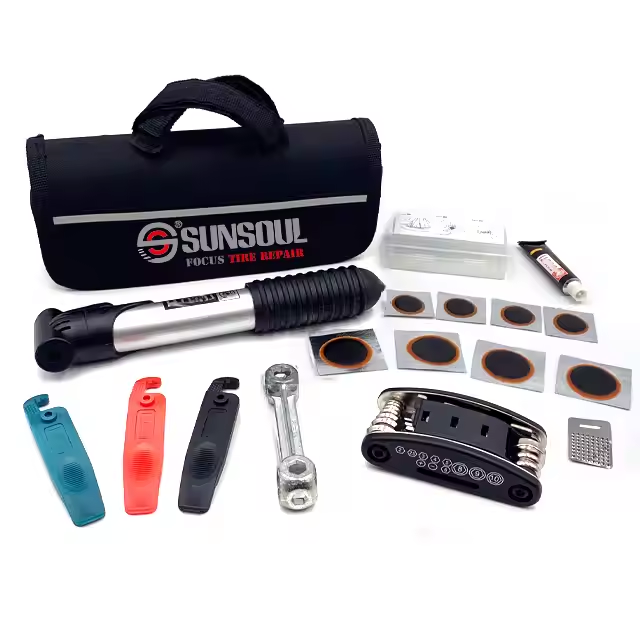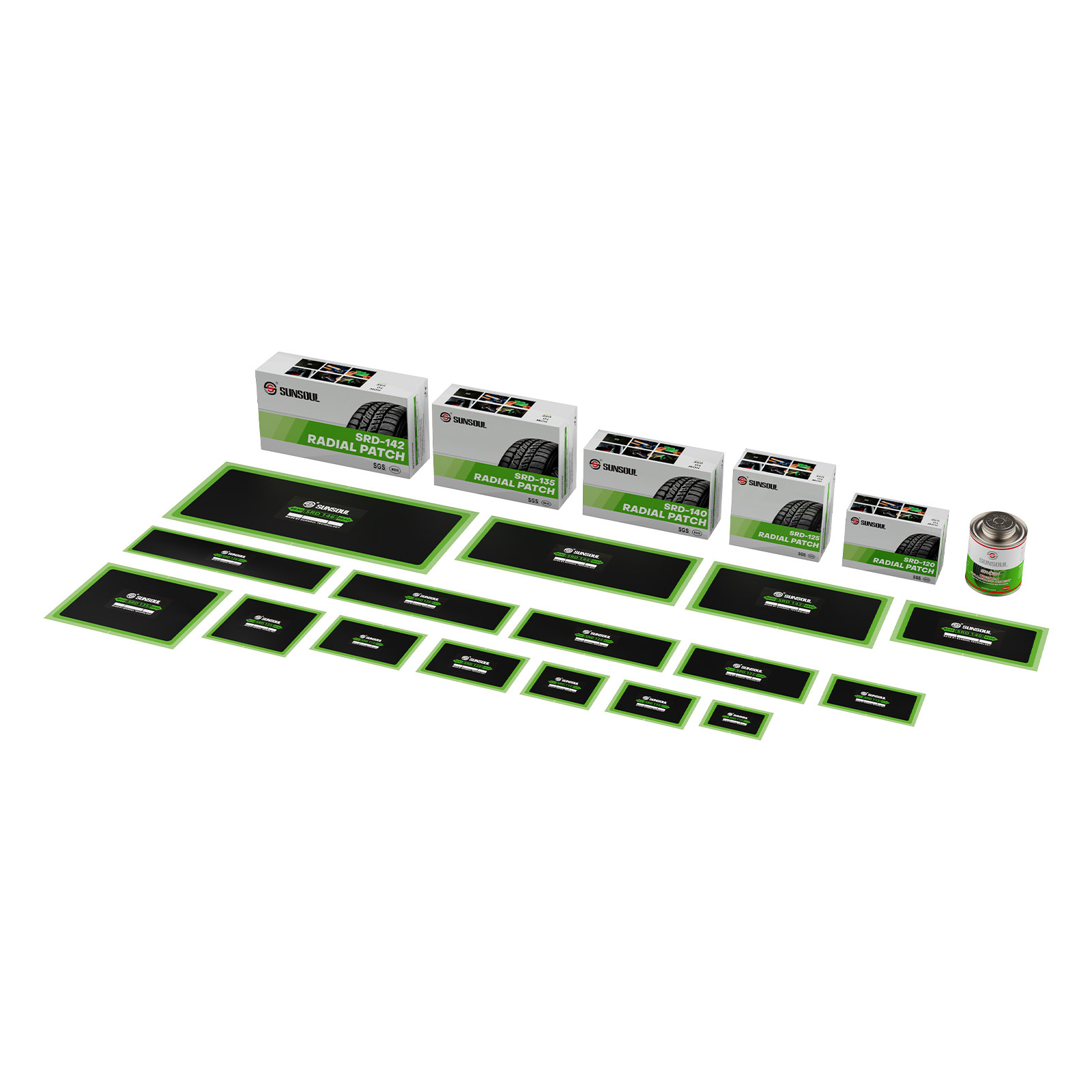

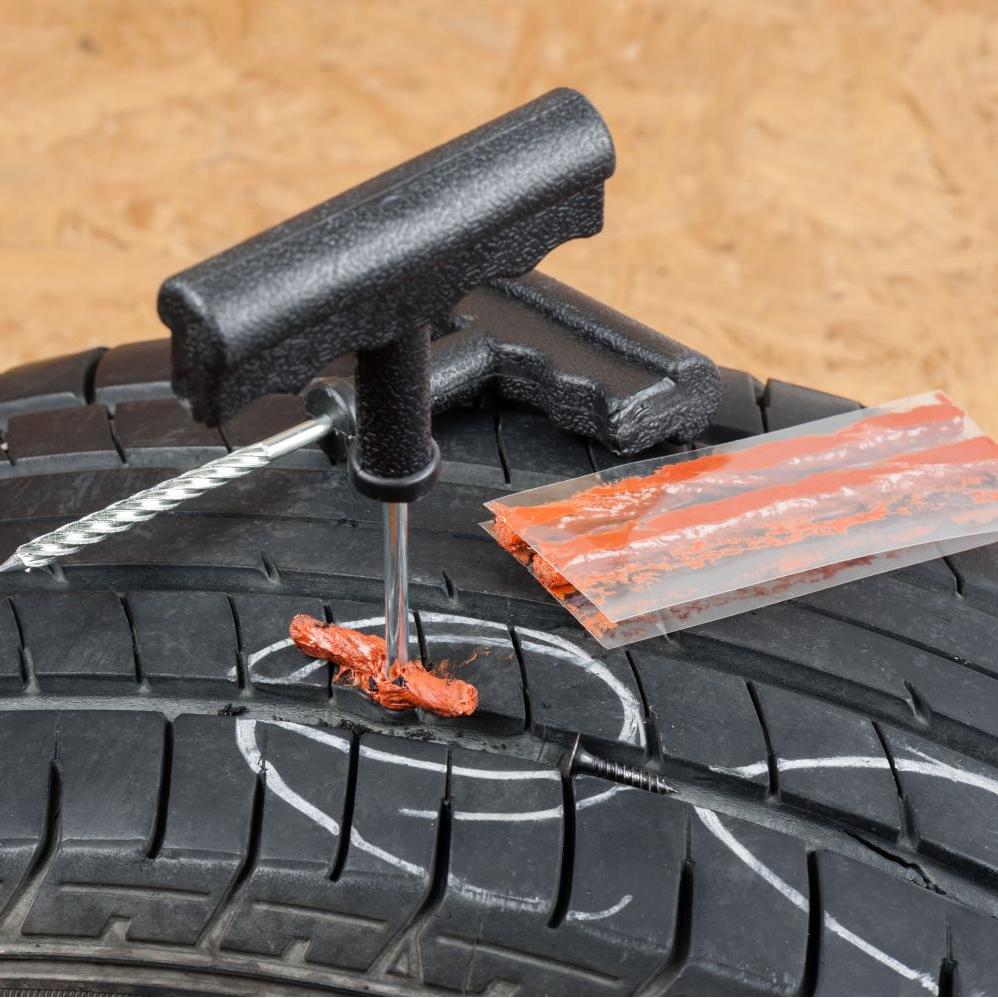
Rubber screw-type tire repair plugs are a quick way to repair flat tires. Many drivers use these plugs to repair punctures caused by nails, screws, or sharp stones. They can also help repair minor damage caused by potholes or curbs. Rubber screw-type tire repair plugs can quickly seal small holes. However, they may not be the safest option in the long run. Those who want to safely repair a flat tire should choose the safest method. Tire patches, such as SUNSOUL tire patches, generally provide a stronger and more durable repair than rubber screw-type tire repair plugs.
There are many reasons for flat tires, and rubber screw-type tire repair plugs attempt to address these issues:
- Punctures caused by objects on the road (such as nails, screws, and sharp stones)
- Damage caused by hitting potholes or curbs
- Underinflated tires can also lead to flat tires
Rubber screw-type tire repair plugs are still widely used. But wise drivers should consider patch options before choosing how to repair a flat tire.
Key Takeaways
- Rubber screw-type tire repair plugs can quickly repair small holes. They are helpful in emergency situations.
- For greater safety, use a rubber tire patch. Patches provide a stronger repair than plugs.
- Always inspect your tire after using a repair plug. If the tire is leaking air or appears damaged, seek help immediately.
- Only use repair plugs for holes smaller than ¼ inch. The hole must be in the tread, not the sidewall.
- Experts recommend using both a plug and a patch. This makes the repair safer and more durable.
How rubber screw tire plugs work

Quick tire repair method
When a tire goes flat, drivers often opt for a repair plug for a quick fix. Tire repair kits make the repair process simple and fast. The following steps show how to repair a tire using a repair plug:
- Assess the situation. Check the tire for damage and determine if a repair plug can be used.
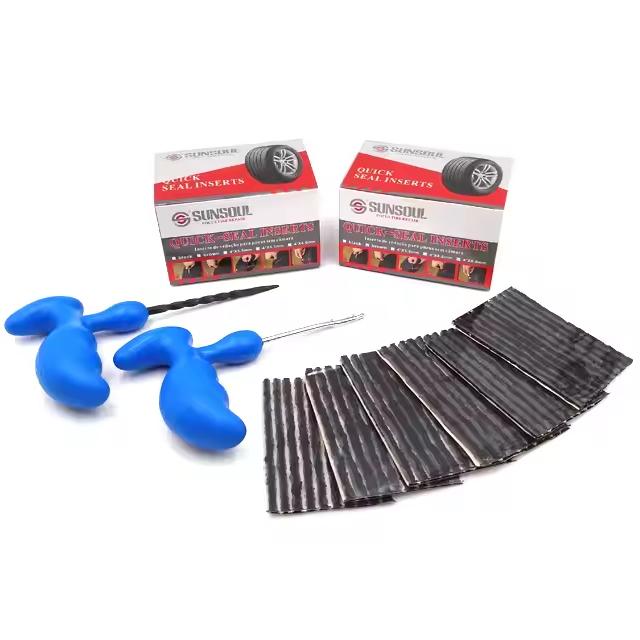
- Prepare the tools. Most repair kits include a reamer tool, a plug insertion tool, and repair plugs.
- Remove the foreign object. Remove the nail or screw from the tire.
- Ream the hole. Use the tool to clean and enlarge the puncture hole to allow for plug insertion.
- Prepare the tire repair plug. Take out a tire repair plug and prepare to insert it.
- Insert the tire repair plug. Use the insertion tool to push the plug into the hole.
- Trim the excess plug. Cut off any part of the plug that is sticking out of the tire.
- Apply rubber cement (optional). Some people add glue for a better seal.
- Inflate the tire. Inflate the tire to the correct pressure.
- Check for leaks. Ensure the tire is not leaking and that the plug is sealing the leak.
This method can help drivers get back on the road quickly. Tire repair plugs can quickly fix small punctures, saving time compared to other repair methods.
Tip: Always check your tire after using a tire plug. If the tire is still leaking or the plug is not sealing properly, seek professional help.
Where tire plugs are most effective
Tire plugs are best suited for small, straight punctures on the tire tread. Nails and screws often cause this type of damage. The plug can seal the leak and restore tire pressure. Experts agree that tire plugs are not suitable for larger holes or punctures near the sidewall. In these cases, the plug will not provide a secure repair. Drivers should only use tire plugs for small punctures on the tread. For other types of damage, using a patch or getting a professional repair is safer.
Tire plugs offer a quick solution for many drivers. They are very useful when time is of the essence and the puncture meets the criteria for use. Tire plug kits make the process simple, but knowing when to use a tire plug ensures tire safety.
Effectiveness of rubber screw tire plugs
Results for small tire punctures
Rubber screw-type tire repair plugs offer a quick solution for drivers experiencing a flat tire. Many people choose this method because it helps them get back on the road quickly. When a small puncture occurs in the tire tread, the repair plug can seal the hole and restore tire pressure. Drivers typically use a tire repair kit to fix the punctured tire without having to remove the tire from the rim. This method saves time and money, especially in emergency situations.
Tire repair plugs work best when the tire damage is small and linear. Nails or screws often cause this type of damage. The repair plug fills the hole and prevents air from leaking out. Many drivers report that their tires maintain pressure after using a repair plug. They can drive to work, school, or home without waiting for a tow truck. Tire repair kits make it easy for anyone to perform the repair with just a few basic tools.
Some drivers use tire repair plugs as a temporary solution and then seek professional repair services. They know that a quick fix can help them safely reach a repair center. The repair plug can handle small punctures and allow the tire to continue driving for short distances. This method provides peace of mind when time is of the essence.
Note: Tire plugs are best suited for repairing small punctures in the tread. Larger damage or sidewall issues require different repair methods.
Limitations and risks
Rubber screw-in tire plugs do not solve all tire problems. Automotive safety organizations warn that there are risks associated with using tire plugs for tire repair. Improper installation can lead to serious problems. Drivers must understand these limitations before choosing to use tire plugs.
- Improper installation can lead to air pressure loss and tread separation.
- Repairs performed on the wheel, such as with string plugs, are only temporary and not recommended for long-term use.
- Proper repair requires removing the tire from the rim for a thorough inspection.
- Using a tire plug or patch alone does not create a permanent seal. Water can enter and corrode the internal structure of the tire.
- Repairs are limited to the tread area. Sidewall damage cannot be repaired with tire plugs.
- Tires with punctures larger than ¼ inch in diameter should not be repaired with tire plugs.
- Worn tires or tires with overlapping damage must be scrapped.
- Not all tires can be repaired. Drivers should follow the manufacturer’s guidelines.
Tire plugs may not last as long as the lifespan of the tire. If the seal fails, water and dirt can enter the hole. This weakens the tire and can lead to future leaks. Drivers who use tire plugs for tire repair should frequently check their tires for leaks. If a tire is leaking or shows signs of damage, professional repair is needed.
Tire plugs are not suitable for all situations. Drivers must know when to use a tire plug and when to opt for a patch or replace the entire tire. Safety is paramount. A secure repair ensures tire safety and keeps the vehicle running properly.
Safety of rubber screw tire plugs
Long-term reliability
Rubber screw-in tire plugs can quickly repair a flat tire, but they may not be long-lasting. Many drivers choose tire plugs because they are easy to use and allow them to get back on the road quickly. However, automotive safety experts say these plugs are only for short-term use. They do not provide the same level of protection as other tire repair methods.
- Tire plugs typically only last a few weeks or months, not years.
- If installed correctly, tire patches can make a tire safe for a longer period.
- Using both a plug and a patch can make the repair more durable.
Driving for extended periods with only a plug can be dangerous. If the tire plug fails, water and dirt can enter the tire and cause damage. Therefore, it’s crucial to regularly check the tire plug to ensure it remains effective. For greater safety, drivers should use more reliable methods to repair their tires.
Note: Tire plugs are fast and easy, but they are not the best way to fix a tire for good.
Manufacturer and expert advice
Major tire companies and safety organizations do not consider rubber screw-in tire plugs to be a good long-term solution. The U.S. Tire Manufacturers Association (USTMA) advises against using tire plugs alone to repair tires. They state that the best method is to use both a patch and a plug.
- Tire repair kits can help in emergencies, but they are not a permanent solution.
- Tire manufacturers recommend replacing the tire or using both a plug and a patch for increased safety.
- Experts warn that using only a tire plug may cause problems later.
Automotive safety experts also state that choosing the correct tire repair method is crucial. They believe that rubber screw-in tire plugs are only suitable for short-term use. For a safe and reliable repair, it’s best to use both a plug and a patch. Drivers who want to ensure safety should heed expert advice and seek professional help when needed.
Tip: When repairing a tire, always follow expert advice to ensure your car runs safely and reliably.
Pros and cons of rubber screw tire plugs
Advantages for emergency tire repair
When a tire is leaking air, rubber screw-in tire plugs can provide a quick solution. Many drivers choose this method because it saves time and allows them to get back on the road quickly. Tire plugs are very effective for small punctures in the tread. People can use tire repair kits almost anywhere, even on the side of the road. The entire process doesn’t require special skills or bulky tools.
“I like what they call the plug/patch combination. They combine the advantages of both methods. The plug partsecures the cord layers inside the tire and prevents water from entering, making it the best repair method.”
“I like unvulcanized rubber tire plugs and have never had a problem.”
The speed of repair is one of its main advantages. The table below shows the time required to repair a tire leak using tire plugs compared to other methods:
| Repair Method | Time to Perform |
|---|---|
| Tire Plug | 5 to 10 minutes |
| Tire Patch | 20 to 30 minutes |
Drivers who need a quick fix often choose tire plugs. They can continue their journey without waiting for a tow truck or spending extra time at a repair shop. Tire plugs are also less expensive than many other repair options.
Disadvantages and safety concerns
Tire plugs don’t solve all problems. They are best suited for repairing small punctures in the tread, but they may not be a permanent solution. If tire plugs are used for extended periods, the tire may leak air or suffer further damage. If the tire plug fails, water and dirt can enter the tire. This risk can lead to more serious problems and unsafe driving conditions.
Safety experts warn that tire plugs should only be used as a temporary solution. Drivers must regularly check their tires to ensure the plug is still effective. If the tire is leaking air or shows signs of damage, professional repair is necessary. Tire plugs are not suitable for sidewall damage or larger punctures. Using tire plugs in these situations can endanger the driver’s safety.
Drivers should weigh the pros and cons before choosing tire plugs. A quick fix helps in emergencies, but long-term safety is paramount.
Best way to fix tires: plugs vs. patches
Tire plugs vs. tire patches
Drivers often wonder what the best repair method is after a tire puncture. Rubber screw-in tire plugs can quickly repair small punctures. Many people use tire repair kits on the roadside because they are simple and fast. However, tire patches offer a more robust and long-lasting solution. Professionals recommend using tire patches for permanent repairs.
SUNSOUL tire patches are a reliable solution for many vehicles. They use advanced materials and are more durable than rubber screw-in tire plugs. Tests show that SUNSOUL tire patches can withstand high pressure up to 300 PSI and remain secure even after 72 hours of immersion in water. The patch remains flexible in extreme temperatures (-40°F to 250°F). These characteristics help extend the lifespan of the patch and ensure tire safety.
- SUNSOUL tire patches use advanced materials for better durability.
- They can withstand high pressure and water immersion.
- The patch remains flexible in extremely hot or cold weather.
Rubber screw-in tire plugs are suitable for temporary repairs. They can seal small holes and help drivers reach a repair shop. Tire patches, especially SUNSOUL tire patches, provide a permanent solution. They bond tightly to the tire and prevent leaks for a long time.
Choosing the right solution depends on the extent of the damage and the required repair time.
Professional tire repair options
Professional tire repair technicians will examine the size and location of the puncture before selecting a solution. When drivers need a quick fix, they use tire plugs to repair small punctures in the tread. For larger punctures or when safety is paramount, they use patches. The table below shows the best use case for each repair method:
| Repair Type | Situations Recommended | Description |
|---|---|---|
| Tire Plug | Temporary roadside repair | Used to repair small punctures in the tread, no larger than 1/4 inch in diameter, to allow driving to a repair shop. |
| Tire Patch | Permanent repair | Suitable for larger punctures and provides a long-lasting solution, requiring professional equipment. |
Cost is also an important factor in choosing the best tire repair method. Tire plug kits are less expensive, but patches offer better protection. The table below compares the cost of each solution:
| Repair Type | Cost Range |
|---|---|
| Tire Plug | $10 to $20 |
| Tire Patch | $20 to $40 |
| Plug-Patch Combo | $25 to $60 |
Tire plugs help in emergencies and save money. Tire patches are more expensive but keep tires safe for longer. Many professionals use a combination of plugs and patches for the strongest solution.
Drivers should choose tire plugs for quick, temporary repairs. They should choose patches for permanent repairs. SUNSOUL tire patches provide peace of mind because they work for bicycles, motorcycles, cars, trucks, and agricultural equipment. They help drivers get back on the road and stay safe.
For long-term safety, tire patches are the best way to repair a tire. Drivers who want a lasting solution should seek professional patch repair services.
Practical advice for safe tire repair
When to use rubber screw tire plugs
Drivers sometimes experience flat tires in remote locations far from assistance. Rubber screw tire plugs are best suited for small, straight holes in the tire tread. Repair guidelines indicate that tire plugs are only suitable for holes less than ¼ inch in diameter. The hole must be located in the tread and at least 1.5 inches from the sidewall. Tire plugs cannot repair sidewall damage or larger tears. The table below shows when to use tire plugs:
| Condition | Description |
|---|---|
| Hole Size | Under ¼-inch or 6 mm in diameter |
| Location | Within the crown, 1.5–2 inches from sidewalls |
| Overlapping Repairs | No overlap with previous repairs |
| Sidewall Damage | Not repairable with plugs |
Drivers should use tire plugs in emergency situations when help is unavailable. Tire plugs can quickly repair small holes in the correct location.
How to use tire plugs safely
Safety is paramount when repairing tires. Drivers need to follow these steps to avoid future problems:
- Inspect the tire to ensure the hole is less than ¼ inch and located in the tread.
- Do not attempt to repair holes near or on the sidewall.
- For added safety, use both a patch and a tire plug. Using a tire plug alone is not a permanent solution.
Tip: Always check the tire after repair. If it leaks or the tire plug doesn’t work, seek professional help.
When to choose patches or professional help
Some tire problems require more professional solutions than tire plugs. Drivers should be aware of the following signs before choosing how to repair their tires:
| Criteria | Description |
|---|---|
| Puncture Location | Sidewall or shoulder damage means you need a new tire |
| Puncture Angle | If the hole is at a significant angle, replace the tire |
| Hole Size | Larger than ¼ inch means you need a new tire |
| Tire condition | Old tires with wear or low tread should be replaced |
Professional repair services provide drivers with peace of mind. Experts will inspect the tire and use high-quality patches and specialized tools for a secure repair. Many repair shops offer warranties, so drivers can trust the quality of their repairs.
Choosing the right repair method ensures driver safety and extends tire life. For a lasting repair, patches and professional services are the best options.
Rubber screw tire plugs can help drivers quickly repair flat tires. However, they are not as safe or durable as tire patches. Most experts agree that tire patches are better suited for long-term use. If a tire plug fails, the insurance company may not cover the damage. Some serious accidents have occurred when only tire plugs were used. The table below shows the main differences:
| Factor | Tire Plug | Tire Patch |
|---|---|---|
| Durability | Temporary | Long-lasting |
| Repair Type | Quick fix | Permanent repair |
| Safety | Lower | Higher |
Drivers should always choose the safest tire repair method. Tire patches provide safety and extend the lifespan of the tire.
FAQ
Can rubber screw-type tire repair plugs fix all types of flat tires?
Rubber screw-type tire repair plugs are best suited for repairing small, straight punctures in the tire tread. They cannot repair sidewall damage or larger holes. For more serious problems, drivers should opt for tire patches or seek professional repair.
How long can you drive after using a tire repair plug?
Tire repair plugs only provide a temporary fix. Most experts recommend only driving short distances after using a tire repair plug. For long-term safety, drivers should replace the tire repair plug with a tire patch or seek professional repair.
Are tire patches safer than tire repair plugs?
Tire patches provide a stronger, more durable repair. They adhere tightly to the tire, effectively preventing leaks. Drivers seeking maximum safety should choose tire patches over tire repair plugs.
Why do professionals recommend SUNSOUL tire patches?
Professionals trust SUNSOUL tire patches because they are durable and easy to use. These patches are suitable for a variety of vehicle types and create a reliable seal. With SUNSOUL tire patches, drivers can have peace of mind and long-term safety.