
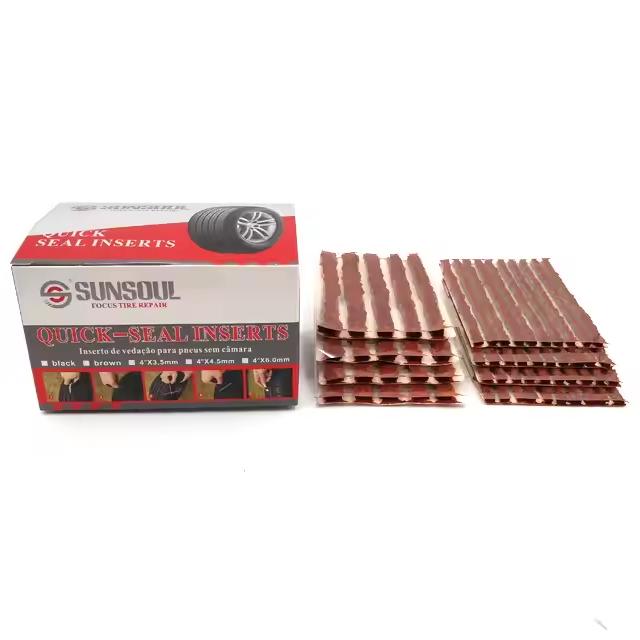
Rubber screw tire plugs allow for the rapid repair of flat tires in emergency situations. Many drivers utilize these plugs as a short-term solution when they need to get back on the road as quickly as possible. While these plugs are often effective at sealing small punctures, they do not always address deeper, underlying issues within the tire’s internal structure. The use of tire plugs also carries certain risks; for instance, it can be difficult to verify whether the plug has completely sealed the puncture, or whether moisture has become trapped inside the hole. If a plug remains in use for an extended period, it may even lead to more extensive damage. Consequently, drivers should exercise caution when using these plugs and seek a permanent repair solution as soon as possible.
Key Takeaways
- Rubber screw tire plugs offer a quick method for repairing small punctures in tires, making them ideal for emergency use. These plugs are most effective for punctures less than 1/4 inch (approximately 6 mm) in width and should be applied exclusively to the tire tread area; they must never be used to repair damage to the tire sidewall. After inserting a plug, it is imperative to check the tire pressure and proceed with a permanent repair as soon as possible. Combining a tire patch with a tire plug enhances the strength and safety of the repair—a superior approach compared to using a plug alone. For long-term safety, it is recommended to opt for a professional patch repair, which offers greater reliability than the temporary use of a tire plug.
How rubber screw tire plugs work
What are rubber screw tire plugs
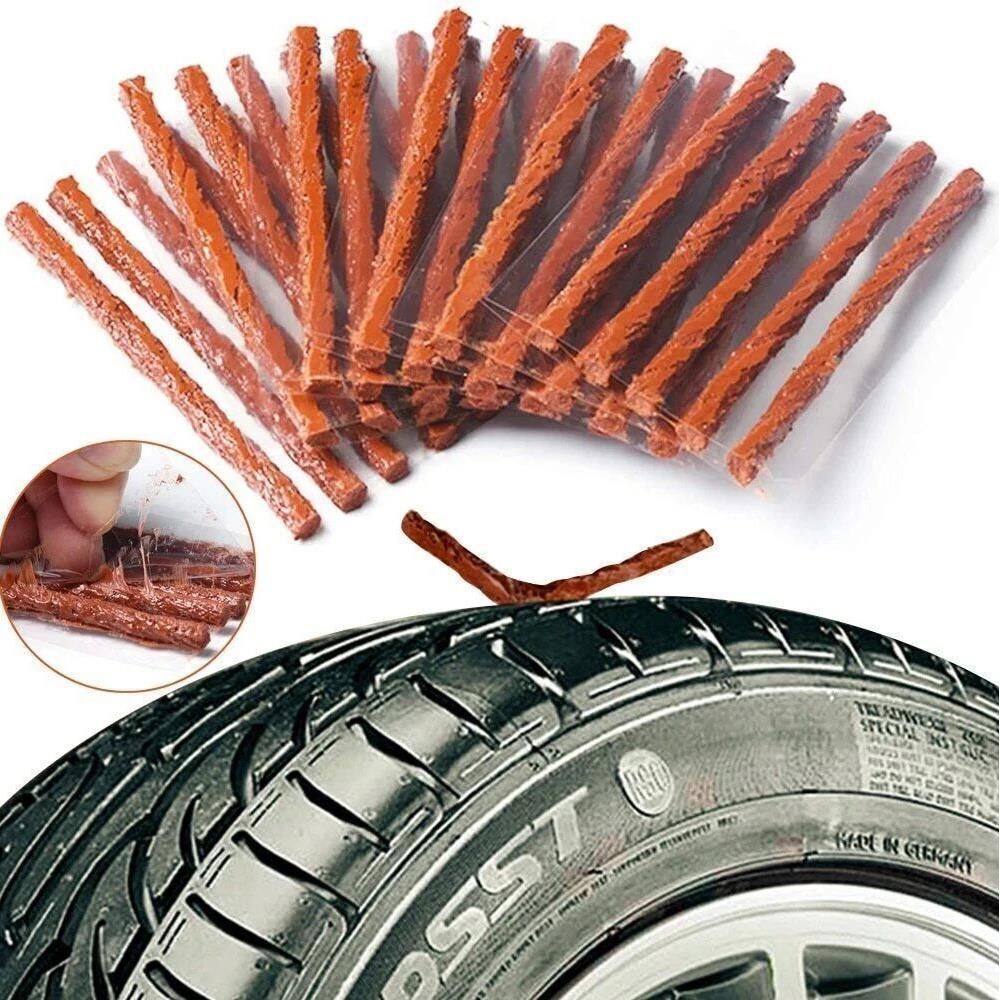
A rubber screw tire plug is a small, threaded device made from flexible rubber. They are used to quickly repair small punctures in tires. The screw-like shape of the plug helps it firmly grip the inner walls of the puncture channel. Many drivers keep a spare tire plug in their emergency kit, as it provides a rapid means of stopping an air leak. This specific design allows the plug to fit snugly into the puncture, effectively sealing it against both air and moisture.
How they seal punctures
The material used to manufacture rubber screw tire plugs plays a crucial role in their effectiveness. The table below illustrates how each specific characteristic contributes to the formation of a secure seal:
| Feature | Contribution to Sealing Effectiveness |
|---|---|
| Airtight and Weatherproof | Creates an immediate seal that blocks the entry of air, moisture, and debris, thereby maintaining the tire’s internal air pressure. |
| Corrosion Resistance | Prevents rust and corrosion, ensuring the long-term integrity of the repair. |
| High Flexibility | Adapts to the movement of the tire, ensuring the seal remains intact under pressure and vibration. |
| Vibration-Damping Properties | Absorbs road vibrations, prevents the plug from loosening, and maintains a secure repair. |
These characteristics help the rubber screw tire plug maintain tire pressure until a more permanent repair method can be found. The plug expands to fill the puncture, remaining securely in place even as the tire flexes or moves.
Installation steps
Anyone can install a tire plug using a few basic tools. The following steps outline the specific process:
- Locate the puncture site. Remove any debris from the hole, such as nails or glass shards.
- Prepare the hole using a reaming tool. This step cleans and slightly enlarges the puncture to ensure a better fit for the plug.
- Secure the rubber screw plug onto the insertion tool, then push the plug into the hole so that approximately half of the plug remains inside the tire and half remains outside.
- Trim away the excess plug material so that it sits flush with the tire surface.
- Reinflate the tire to the recommended pressure. Apply soapy water around the repair site to check for any air leaks.
- Drive carefully to a repair shop for a professional inspection.
These steps enable drivers to safely and effectively use rubber screw tire plugs for temporary tire repairs.
Rubber screw tire plugs effectiveness

Sealing punctures
Rubber screw-in tire plugs can quickly repair small punctures in tires. These plugs fill the puncture site, preventing air from leaking out. Many drivers use these screw-in plugs when they need to perform a quick roadside tire repair. The rubber material of the plug expands inside the hole, creating a tight seal. This method is most effective for small punctures located within the tire tread area.
The lifespan of a tire plug depends on various factors. Some manufacturers claim that, if installed correctly, a tire plug can last for 7 to 10 years or 25,000 miles. Feedback from car owners and repair technicians suggests that a properly installed plug can remain effective until the tire itself wears out. However, under normal driving conditions, most tire plugs only last for a few weeks or months. Using both a tire plug and an internal patch simultaneously can result in a more robust and secure repair.
- Tire plugs typically last only for a few weeks or months, rather than for several years.
- If installed correctly, a tire patch can extend the overall lifespan of the tire.
- Some manufacturers claim that, under ideal conditions, a plug can last for 7 to 10 years or 25,000 miles.
- Reports from drivers and mechanics indicate that, if installed correctly, a plugged tire can be driven for several years without issues.
- A properly installed tire plug can remain effective until the tire eventually wears out through normal use.
- The lifespan of a plug will vary depending on a variety of factors.
User experiences
Many car owners have shared positive experiences regarding the use of rubber screw-in tire plugs. They typically report that the plugs successfully stopped the air leak, allowing them to drive safely to a repair shop. Some owners have noted that the plugs remained effective for several months without any issues. Mechanics also point out that properly installed plugs can effectively maintain tire pressure for extended periods.
However, not all experiences are perfect. Some users found that if the plug was not inserted correctly, air would continue to leak. Others observed that while the plug worked initially, it began to fail after driving on rough or uneven terrain. Most users agree that rubber screw-in tire plugs are best suited as a temporary repair solution.
Tip: Always check your tire pressure after installing a tire plug. If the tire continues to leak air, seek professional repair assistance as soon as possible.
Limitations
Rubber screw-in tire repair tools have several significant limitations. They cannot repair all types of tire damage. The table below lists the most common limitations:
| Limitation | Description |
|---|---|
| Size of the puncture | Plugs can only seal small holes, usually not larger than 1/4 inch in diameter. |
| Location of the puncture | Plugs should not be used if the hole is near the sidewall, as this area flexes too much. |
| Condition of the tire | If the sidewalls are damaged or if the tire has been run flat for too long, it should be replaced. |
Other limiting factors include the requirement for proper installation. The plug must be inserted correctly to form a secure seal. The puncture hole must be cleaned and prepared; otherwise, the plug may leak. It is also difficult to verify the quality of the repair without removing the tire.
Driving habits can also affect the performance of tire plugs. High-speed driving increases the stress on the plug, potentially leading to its failure. Sharp turns and high speeds increase the forces exerted on the tire. Off-road terrain can cause the tire to flex and deform, potentially loosening the plug’s seal.
Rubber screw tire plugs Safety and reliability
Temporary vs permanent repair
Rubber screw tire plugs allow for the quick repair of punctures. Many drivers use this method when they need to get back on the road as quickly as possible. While these plugs work well in emergencies, they are not as durable as permanent repair methods. Automotive safety experts recommend using screw-in plugs only for short trips to a repair shop. Permanent repair methods—such as tire patches—offer superior protection and reliability. Tire patches seal the tire from the inside, helping to prevent future leaks. For long-term safety, drivers should always opt for permanent repair methods.
Note: Tire plugs can help in a pinch, but a patch or professional repair keeps tires safe for much longer.
Driving conditions
The safety of a rubber screw tire repair depends on driving habits and road conditions. Smooth urban roads place relatively little stress on the plug. However, rough terrain, high-speed driving, or carrying heavy loads can cause the plug to loosen or leak. Drivers who frequently travel on highways or off-road terrain should not rely on temporary plugs for the long term. Wet or icy road surfaces can also increase the risk of plug failure. While a plug may suffice for short-distance driving, its performance in handling adverse road conditions is far inferior to that of a permanent repair.
Risks
The long-term use of tire patches can lead to problems. These patches are not 100% reliable and may begin to leak air after a period of use. Sometimes, the foreign object that caused the puncture remains inside the tire, leading to further damage. If the repair process is performed incorrectly, it may even result in new punctures. Over time, the patch may loosen, causing an air leak. Without a patch, the tire’s inner liner will fail to seal, thereby increasing the risk of a blowout. Although a patch can fill a puncture, it does not repair all of the internal damage within the tire.
- Plugs may eventually leak.
- The penetrating foreign object may remain inside and cause further damage.
- The repair process itself may create new punctures.
- The plug may loosen, resulting in an air leak.
- Without a patch, the inner liner will fail to seal.
Drivers should always inspect their tires after using a tire repair kit and seek a permanent repair as soon as possible.
When to use rubber screw tire plugs
Suitable punctures
Rubber screw tire plugs work best for small holes in the tread area of tires. These holes often come from nails or screws picked up on the road. The plug fits tightly and stops air from leaking out. Drivers should only use a tire repair screw for punctures smaller than ¼ inch in diameter. The location of the hole matters. The tread area handles these repairs well, but the sidewall does not. Large gashes or cuts need a different solution.
- Small punctures in the tread area
- Holes caused by nails or screws
- Punctures less than ¼ inch wide
Tire condition
The condition of the tire affects how well tire plugs work. Tires with small, straight punctures in the tread respond best to this repair. If a tire has a large hole or damage near the sidewall, the plug may not seal properly. Worn tires or those with overlapping damage should not be repaired with plugs. These tires need replacement for safety. A good tire with a clean puncture gives the best results.
Tip: Always check the tread and sidewall for extra damage before using a plug.
When not to use
Some situations make rubber screw tire plugs a poor choice. Drivers should not use them for holes larger than ¼ inch. Plugs do not work for sidewall punctures or big gashes. If the damage is near the edge of the tread or on the sidewall, the repair will not last. Sidewall damage weakens the tire and cannot be fixed with a plug. Large holes or tears also need professional attention.
- Holes larger than ¼ inch
- Punctures near or on the sidewall
- Large gashes or overlapping damage
Drivers should always choose the safest option for their tires. When in doubt, seek help from a tire professional.
Rubber screw tire plugs Limitations and risks
Potential failures
Rubber screw tire plugs can help in emergencies, but they do not solve every problem. Sometimes, the plug does not seal the hole completely. Air can leak out slowly, which causes the tire to lose pressure. Drivers may not notice this right away. Over time, a loose plug can fall out, especially on bumpy roads. Water and dirt can also enter the tire through a poor seal. This can damage the steel belts inside the tire.
If the puncture is too large or located near the sidewall, tire sealant may not be effective. As the vehicle travels, the sidewall undergoes significant flexing; this deformation can cause the sealant to shift out of place. Furthermore, if the tire has multiple punctures, the sealant cannot repair every point of damage. Occasionally, the foreign object that caused the puncture remains embedded within the tire, which may lead to further complications in the future.
Note: Drivers should check their tires often after using a plug. If the tire loses air or feels soft, they should visit a repair shop soon.
Legal and industry standards
Tire repair standards play a crucial role in ensuring driver safety. Many experts and regulatory bodies point out that using tire repair plugs (strings) alone is insufficient to provide a complete and permanent solution. They recommend removing the tire from the rim to inspect the interior for any hidden damage. The optimal repair method involves using both a patch and a repair plug simultaneously: the patch seals the inner liner, while the plug fills the puncture channel. This combined approach delivers the most durable and secure repair result.
The table below compares the advantages and disadvantages of various repair methods:
| Repair Method | Description | Safety Rating |
|---|---|---|
| Patch + Plug | The tire is removed, the inner liner is sealed with a patch, and the hole is filled with a plug. | Safe & Durable |
| Plug-only | A rubber cord is pushed into the hole without checking the inside. | Temporary Only |
| Patch-only | The inner liner is patched, but the hole is not filled. | Not Recommended |
The tire is removed; a patch is applied to seal the inner liner, and a plug is inserted to fill the puncture hole.
Alternatives to rubber screw tire plugs
Tire patches
Tire patches are an effective means of repairing damaged tires. Experts consider patches to be the best option for permanent repairs. These patches adhere to the interior surface of the tire, effectively sealing the puncture and preventing air loss. Tire patches are particularly well-suited for repairing small punctures located on the tire tread. They are capable of withstanding high internal pressures and perform reliably in both high- and low-temperature environments, making them a trustworthy solution in a wide range of situations.
SUNSOUL Tire Patches are a trusted brand in the industry. For over 20 years, SUNSOUL has been dedicated to the field of tire repair. The company’s products are sold in more than 60 countries worldwide. Customers consistently express high satisfaction with SUNSOUL tire patches. SUNSOUL produces over 2 million patches per month, ensuring that vehicle owners and repair shops always have an ample supply in stock. Many users appreciate SUNSOUL patches for their ease of use, featuring a split-back liner and a strong adhesive. Furthermore, SUNSOUL offers a variety of types—such as chemical-cure and dual-cure options—to meet diverse repair requirements.
Tire patches are more durable than rubber plug inserts, ensuring that a tire remains safe and secure throughout its entire service life. Most experts recommend that anyone seeking a robust and lasting tire repair should opt for a patch.
Professional repair
Professional tire repair shops utilize tire patches to mend small punctures in tires. Trained technicians remove the tire to inspect it for any hidden damage. They then employ specialized tools to apply the patch, ensuring a secure and safe repair. Professional-grade patches can effectively repair larger or angled punctures that cannot be fixed using plugs alone. Vehicle owners who opt for a professional repair can enjoy long-term peace of mind while driving.
A professional repair service also includes a comprehensive inspection of the entire tire. Technicians check for sidewall damage and other potential issues. This meticulous examination helps prevent future tire failures.
Comparing options
The table below compares tire patches with rubber plug inserts:
| Feature | Tire Patches | Rubber Screw Tire Plugs |
|---|---|---|
| Durability | More robust and long-lasting | Temporary fix suitable for small punctures |
| Installation | Requires professional installation | Can be installed by the driver |
| Pressure Resistance | Withstands up to 300 PSI | Limited effectiveness under high pressure |
| Temperature Flexibility | Flexible from -40°F to 250°F | Less effective in extreme temperatures |
| Repair Longevity | Permanent solution, prevents leaks | Short-term solution, may require replacement |
Tire patches provide a more effective seal than tire plugs. They bond securely and offer long-lasting durability. Rubber screw-type tire plugs are suitable for emergency situations but are not intended for permanent repairs. Experts state that tire patches represent the optimal choice in terms of both safety and durability.
Tip: For long-term safety, drivers should opt for tire patches and professional repair services rather than relying on temporary tire plugs.
Rubber screw-type tire plugs allow drivers to quickly repair a tire. They are suitable for small punctures located on the tire tread. These plugs are best suited for rapid, temporary fixes. Tire manufacturers and safety experts agree that patches offer a longer service life. Many drivers choose patch repairs because they are safer. The best tire repair kits should include both plugs and patches. SUNSOUL tire patches are a trusted product for permanent tire repairs.
- Tire plugs are intended for short-term use only.
- Repairs performed by professionals are more durable and safer.
- Following the repair, a technician should inspect the tire.
| Repair Type | Cost Range | Recommended Use |
|---|---|---|
| Rubber Screw Tire Plug (DIY) | $10–$20 | Temporary, up to 100 miles |
| Professional Patch Repair | $20–$45 | Permanent, full lifespan |
For the safest results, drivers should get a patch repair from a trusted brand.
FAQ
How far can you drive using a rubber screw-in tire plug?
Most experts recommend driving only short distances after repairing a tire with a rubber screw-in plug. Drivers should proceed to a repair shop as soon as possible. This type of screw-in plug serves merely as a temporary fix, not a permanent solution.
Can rubber screw-in tire plugs repair punctures in the sidewall?
Rubber screw-in plugs cannot repair punctures in the tire sidewall. The excessive flexing of the sidewall places undue stress on the plug. Tire experts recommend replacing any tire with damage to its sidewall.
Is it safe to drive on a highway with a rubber screw-in tire plug?
A rubber screw-in plug may not remain securely seated during high-speed driving. High speeds increase the risk of the plug dislodging. Drivers should use such plugs only for short, low-speed trips to a repair shop.
What is the difference between a tire plug and a tire patch?
| Feature | Tire Plug | Tire Patch |
|---|---|---|
| Use | Temporary repair | Permanent repair |
| Placement | From outside the tire | Inside the tire |
| Durability | Short-term | Long-lasting |