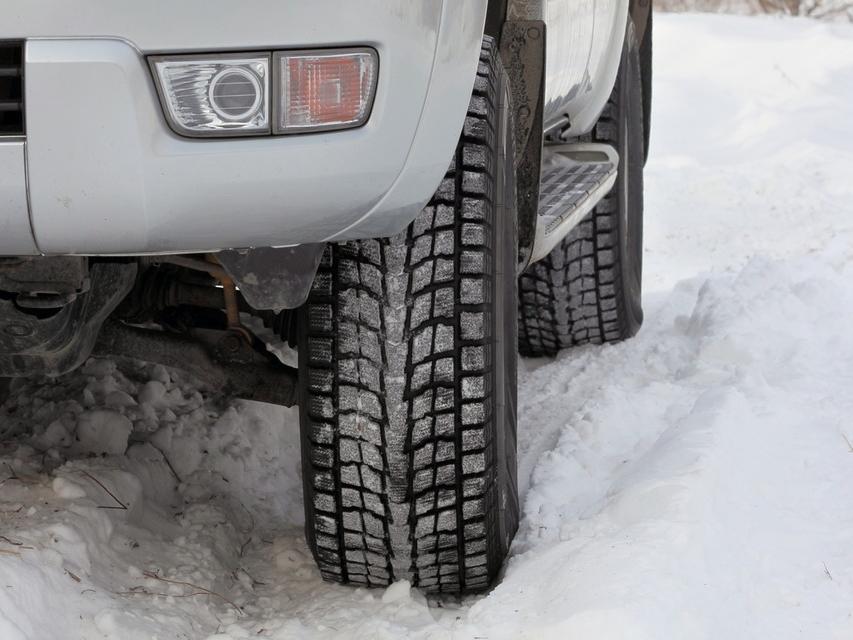

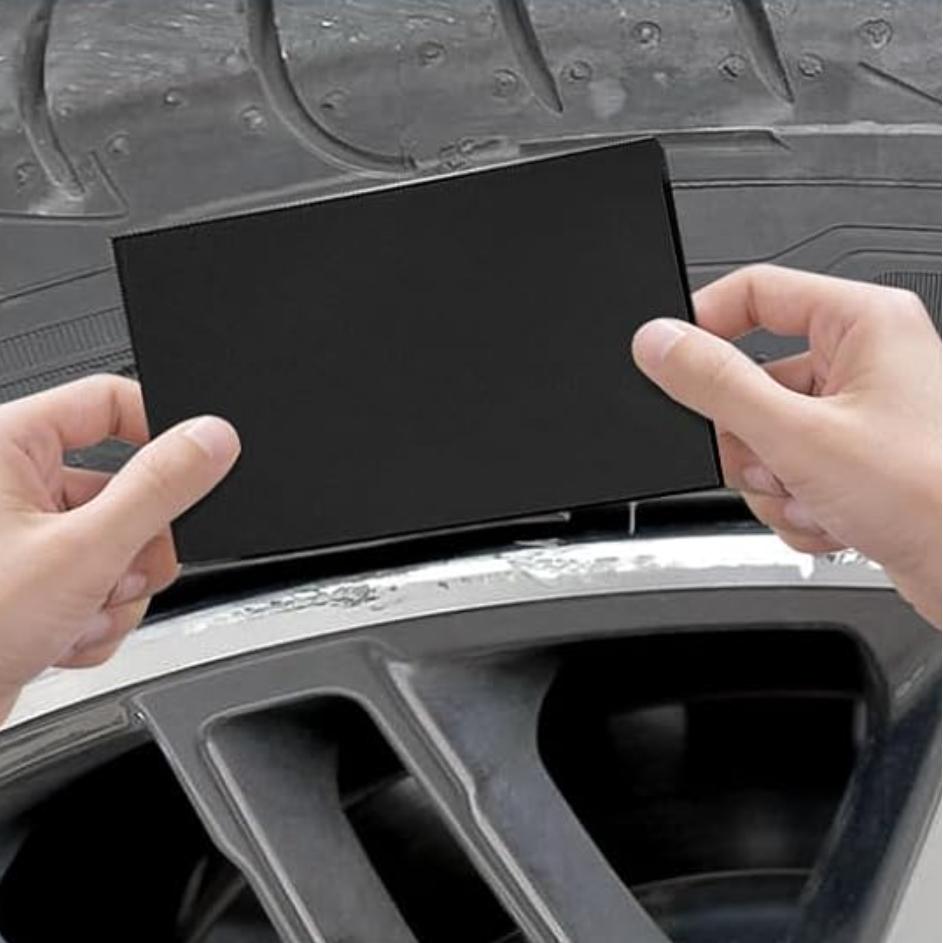
Tire repair patches should not be used on tire sidewalls because safety is paramount. Even the best products, like SUNSOUL tire patches, cannot repair sidewall damage. Some people believe that any puncture can be repaired, but this is a misconception.
- Not all tire problems can be fixed, especially sidewall damage.
- A repaired tire may not be as durable or perform as well as a new tire.
Always follow expert advice and manufacturer instructions to ensure safety.
Key Takeaways
- Tire repair patches cannot repair sidewall damage. If the sidewall is damaged, you should replace the tire for safety reasons.
- The sidewall moves and flexes frequently, so a patch cannot adhere securely. This can lead to a tire blowout and loss of control.
- You should only use repair patches for tread damage. Always follow the manufacturer’s instructions and avoid unsafe repairs.
- Regularly inspect your tire sidewalls for damage. Catching problems early can help you avoid danger.
- If you find any damage, consult a tire expert. They know how to ensure your tires are safe.
Why Tire Patches Fail on Sidewalls
Sidewall Structure and Flexibility
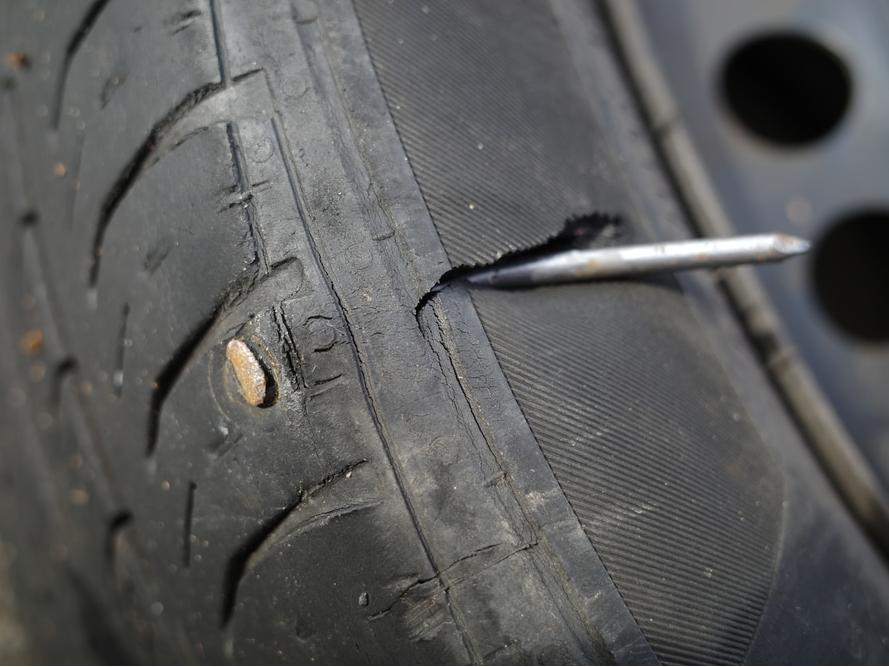
The sidewall helps ensure car safety. It is different from the tread. The tread is reinforced with steel belts for strength. The sidewall flexes and deforms every time the tire rotates. This helps the car ride smoothly over bumps. But the sidewall moves in many ways, which makes repairing it difficult.
- The tread is strong and flat. Tire repair patches can seal punctures on the tread and remain durable.
- The sidewall flexes significantly. The patch will lose adhesion and cannot adhere securely.
- Tread damage can be repaired. A puncture on the sidewall creates a weak point that cannot be safely repaired.
Experts say that repairing the sidewall is unsafe. Patches cannot withstand the stress and movement of the sidewall. If you repair the sidewall, the tire may blow out. Some people ask if sidewall damage can be repaired. The answer is no. The shape of the sidewall means that a patch cannot restore its strength.
Adhesion and Durability Issues
Tire repair patches use strong adhesive and tough materials to seal punctures. Sunsoul tire repair patches use special rubber and polymers for better grip and flexibility. These patches work well on the tire tread. The tread is stable and strong. However, the sidewall is different. Features:
| Feature | Bias Crown/Tread Patch | Bias Sidewall-Specific Patch |
|---|---|---|
| Cord ply structure | Designed for the flat, rigid part of the tire. | Very flexible, suitable for the curved and easily deformed sidewall. |
| Structure | Has more layers to prevent tread bulging. | Thinner edges to prevent shearing problems. |
| Stress Distribution | Withstands vertical impacts and prevents punctures. | Withstands lateral tensile and torsional stresses. |
Repair patches and tire plugs are suitable for repairing the tread. They can strengthen the tire and effectively seal holes. However, on the sidewall, repair patches cannot withstand all the bending and twisting. The adhesive may not bond securely, and the patch may detach. This can lead to sudden tire failure, endangering driver safety.
Note: Sunsoul tire repair patches are ideal for tread repairs. Even with new materials, no repair patch can restore the strength of a damaged sidewall. Tire repair patches should only be used in permitted areas and never on the sidewall.
Tire experts say that sidewall damage means you need a new tire. Trying to repair a hole in the sidewall is dangerous. Safety is always paramount when dealing with the risk of sidewall blowouts.
Tire Patches and Sidewall Safety
Risks of Sidewall Repairs
Many drivers ask if sidewall damage can be repaired. Experts always say it cannot be repaired. The sidewall is crucial to the tire. It helps the tire maintain its strength and shape. If there is a hole in the sidewall, the tire becomes weaker. Tire repair patches cannot restore the tire to a safe condition.
The sidewall helps the tire function properly and extends its lifespan.
Trying to repair the sidewall can lead to serious problems. Here are some risks you should be aware of:
- Large tire companies do not allow sidewall repairs.
- Repairing the sidewall weakens the tire.
- Even minor damage such as bubbles or small holes can lead to a blowout.
Insurance companies pay close attention to these repairs. They usually do not pay for sidewall repairs. If you file many small claims, your insurance premiums may increase. It’s best not to file a claim for minor issues. This can save you money in the long run.
Tire repair patches are suitable for the tread, but not for the sidewall. The sidewall flexes with every rotation while driving. A patch cannot withstand this movement. The tire will become weaker and unsafe. No repair patch can restore the strength of the sidewall.
Potential for Blowouts
A tire blowout is one of the worst things that can happen after improper sidewall repair. The tire sidewall must be able to withstand pressure and operate safely. If the sidewall is damaged, the tire can burst quickly. This is known as a tire sidewall blowout.
A blowout can cause the driver to lose control. This endangers everyone’s safety. Even a small repair on the sidewall can cause big problems. The tire surface may look intact, but the internal damage still exists. Over time, the weak point will worsen. The tire may burst without any warning.
The sidewall is crucial for maintaining tire strength. If the sidewall is damaged, the tire cannot be repaired.
Tire repair should always prioritize safety. Tire patches are not suitable for sidewall damage. If the sidewall is damaged, the driver should replace the tire with a new one. This is the best way to prevent blowouts and ensure personal safety.
Expert Guidelines of Tire Patches
Industry Standards
Industry standards have clear regulations for tire repair. The U.S. Department of Transportation and the Rubber Manufacturers Association do not allow repairs to the sidewall or shoulder. These parts of the tire are under significant stress during driving. Tire repair regulations only allow repairs to the tread. Professional tire shops adhere to these regulations to ensure people’s safety.
- The U.S. Department of Transportation prohibits repairs to the sidewall or shoulder.
- Repairs must comply with the Rubber Manufacturers Association’s safety regulations.
- Repair size for passenger cars and light trucks must not exceed 1/4 inch.
- Repair size for commercial vehicles must not exceed 3/8 inch.
- Tires with structural damage (e.g., sidewall damage) must be replaced.
- Sidewall punctures cannot be repaired because this area is under significant stress.
- Repairs are not allowed in the sidewall area because it weakens the tire’s strength.
Professional tire shops always recommend replacing tires with damaged sidewalls. They know that patches cannot make the tire strong enough for safe driving. People may discuss tire patches and tire plugs, but neither is suitable for sidewall damage.
Safety is paramount. Tire repair regulations help prevent accidents and ensure vehicle safety.
Manufacturer Recommendations
Tire manufacturers also provide strict repair instructions. They want every tire to be safe and durable. The table below lists the key points of their regulations:
| Key Point | Description |
|---|---|
| Repair Technician | Repairs should be performed by a trained tire service technician. |
| Tire Inspection | The tire must be removed for a thorough internal inspection. |
| Repair Methods | Proper repair involves removing the damaged section and sealing the inner liner. |
| Acceptable Repairs | Only tread punctures can be repaired; sidewall damage is not repairable. |
| Repair Limits | Holes larger than ¼ inch in diameter and tires worn down to the wear indicators should not be repaired. |
| Overlapping Damage | Tires with multiple damages cannot be repaired and must be scrapped. |
| Sealants | Sealants and emergency inflators are not a permanent solution. |
Manufacturers consistently agree that shoulder or sidewall damage means a new tire is needed. Large holes exceeding ¼ inch in diameter, severe tread separation, or large cuts all mean the tire must be replaced. Repairs can only be performed on the tread. Damage to the bead or sidewall means you need a new tire for safety.
Brands like Sunsoul follow these rules. They recommend replacing tires with sidewall damage. Tire patches are effective for the tread but not for the sidewall. Following expert advice ensures driver safety and keeps the vehicle in good working order.
What to Do About Sidewall Damage
When to Replace Your Tire
If you find damage to your tire’s sidewall, replace the tire immediately. The sidewall supports the tire and ensures your safety. If the sidewall weakens, the tire may blow out. No repair or patch can restore the strength of a damaged sidewall. Experts and tire manufacturers state that only the tread can be repaired.
Replacing a new tire costs more than minor repairs, but safety is paramount. Patching small holes in the tread typically costs between $20 and $50. Tire repair costs can range from $50 to $100. If the damage is near the rim, the cost can be as high as $150. If there is a hole in the sidewall, a new tire is almost always required. Patches are ineffective on sidewalls.
Proper disposal of old tires helps protect the environment. Patching small holes in the tread is more environmentally friendly than replacing a new tire. However, if the sidewall is damaged, you must replace the tire for safety reasons.
Tip: Clean your tires regularly and inspect them quarterly. Have a professional inspect your tires to catch problems early.
Safe Alternatives to Patching
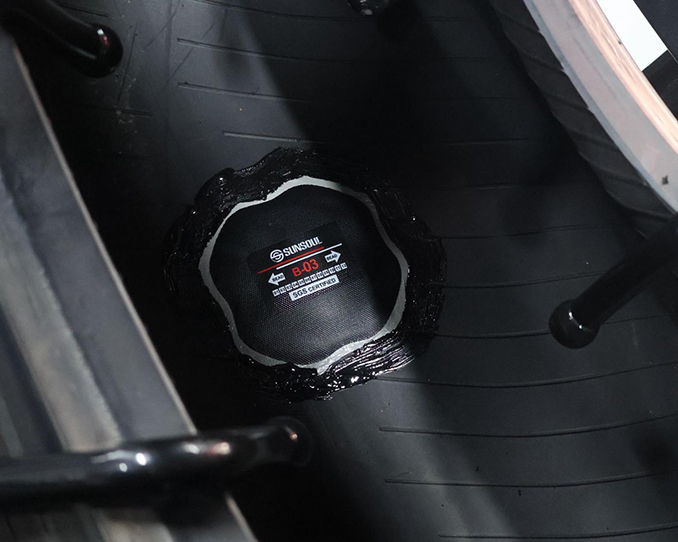
Tire patches are best suited for repairing small holes in the tread, not the sidewall. Sunsoul tire patches are designed specifically for tread repair. They use strong materials and new technology to seal holes and ensure your safety. The table below shows when a tire can be repaired:
| Limitation/Requirement | Details |
|---|---|
| Maximum size limit for repairable punctures | Hole depth must not exceed 1/4 inch. |
| Patch and plug placement requirements | Only for use in the tread area, at least 2 inches from the sidewall. |
| Long-term durability considerations | Regularly inspect the repair and maintain your tires. |
Always remove the tire from the rim to check for hidden damage. Follow the patch placement rules. Only repair holes in the tread, never the sidewall.
People often ask about the difference between tire patches and tire plugs. Both can repair small holes in the tread, but not the sidewall. Maintaining your tires, such as cleaning and inspection, helps prevent problems. Doing so ensures your safety and helps prevent sidewall blowouts.
Top-brand tire patches are not suitable for sidewalls. Experts say that if the sidewall is damaged, you should replace the tire. The table below explains why repairing a tire sidewall is dangerous:
| Reason | Explanation |
|---|---|
| Structural Integrity | Repairing the sidewall weakens the tire’s strength and can lead to a blowout. |
| Safety Concerns | A blowout can cause an accident or loss of vehicle control. |
| Legal Issues | Some state laws prohibit repairing tire sidewalls. |
If you don’t follow expert advice, your tires may fail. Tire failures cause thousands of accidents every year. Drivers should always replace tires to ensure safety.
FAQ
Can a tire patch repair a sidewall puncture?
No, a tire patch cannot repair a sidewall puncture. The sidewall experiences too much movement and flexing. Experts recommend replacing the tire for safety.
Why don’t manufacturers recommend repairing sidewalls?
Manufacturers know that the sidewall supports the tire’s shape and strength. A repair cannot restore this support. They recommend replacing the tire for safety.
What happens if someone drives on a tire with a repaired sidewall?
A tire with a repaired sidewall may fail while driving. The tire could blow out, leading to a loss of vehicle control. Safety experts warn against taking this risk.
Can tire patches be used to repair the tread?
Yes, tire patches work well for small tread punctures. They can seal the hole and extend the tire’s lifespan. Be sure to follow repair guidelines.
How can drivers spot sidewall damage?
Drivers should inspect the sidewall for cuts, bulges, or deep scratches. If damage is found, a professional should be consulted.