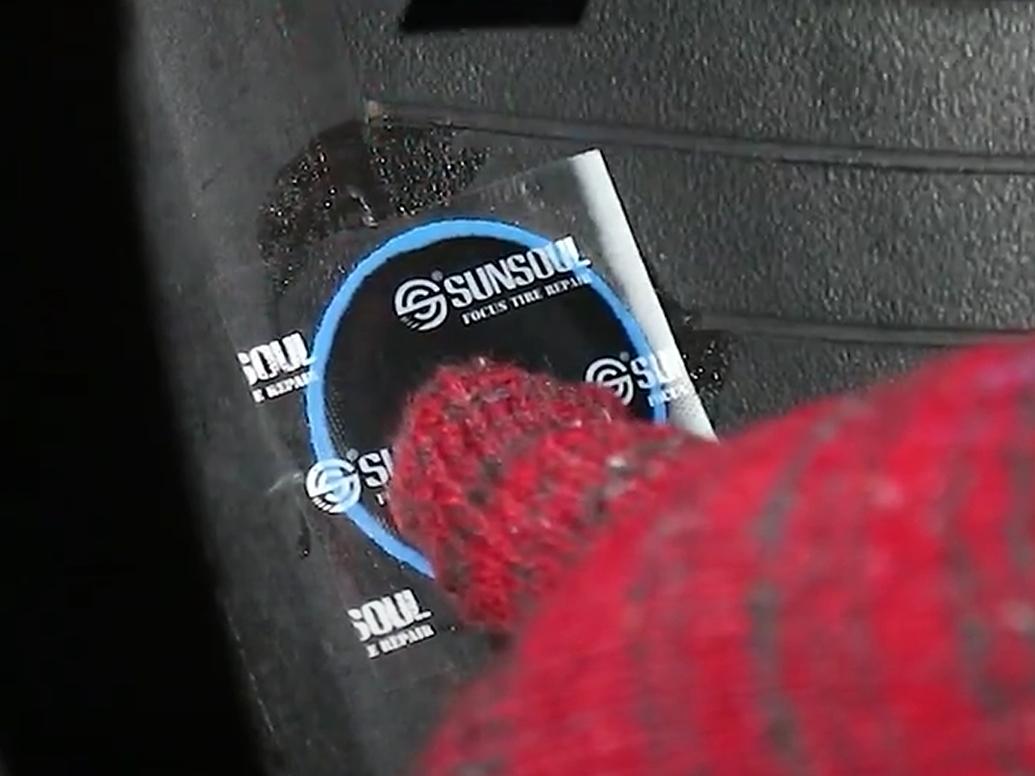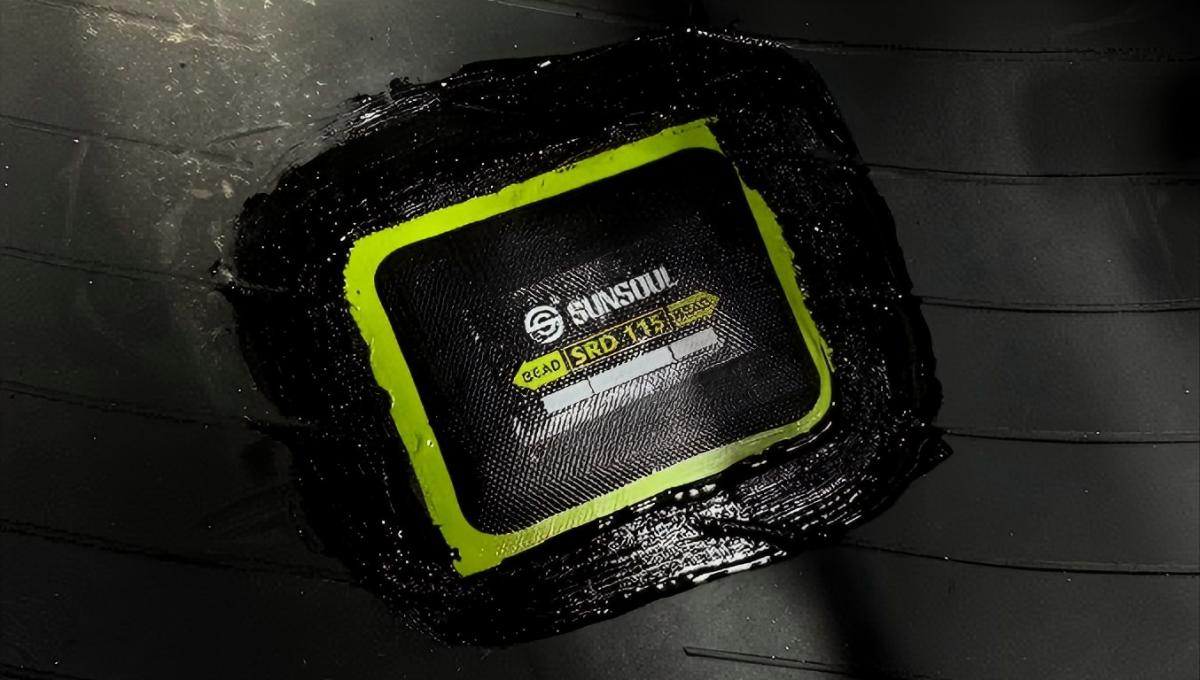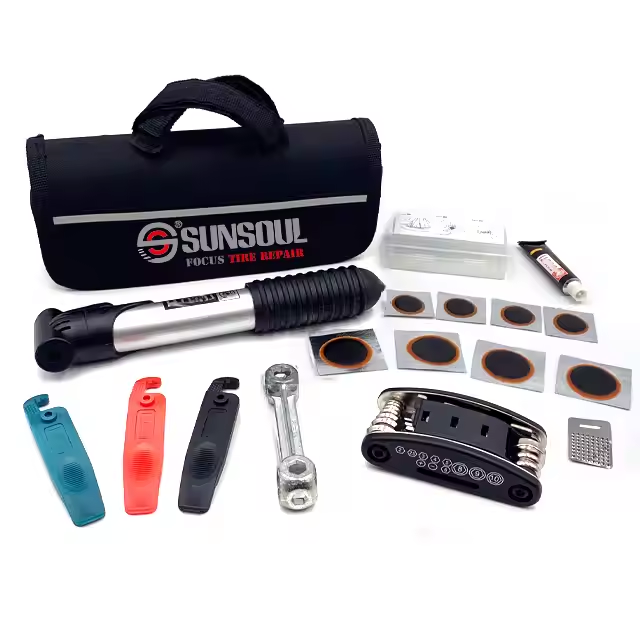


Tire patches typically offer a long-lasting tire repair solution, and many drivers find SUNSOUL patches more durable than plugs. Tire safety depends on choosing the right repair method, and our patches offer strong adhesion and durability. People trust SUNSOUL tire repair products to repair punctures in car, bicycle, and truck tires. Tire patches protect tires and help drivers stay safe on the road.
Tire patching helps extend tire life, ensuring the patches last even longer.
Key Takeaways
- Tire patches have a long lifespan, up to 10 years. Therefore, they are ideal for tire repair.
- Plugs are suitable for quickly repairing small holes. However, plugs don’t last as long as tire patches. You shouldn’t use plugs for extended periods.
- Experts recommend using both plugs and patches simultaneously. This provides maximum safety and maximum lifespan.
- Regularly check your tire repairs. Try to avoid driving on rough roads. This helps extend the life of both plugs and patches.
- For the safest repair results, have your tire repaired by a professional. This is the best option if you want your tires to last longer.
Tire Plug & Patch Basics
How Tire Plugs Work
Tire plugs seal a flat tire by filling a hole from the outside. A mechanic removes the tire, locates the leak, and enlarges the hole with a reamer. They prepare the tire plug, place it in a tool, and apply rubber adhesive. The tire plug is inserted into the puncture, and excess material is trimmed off. The tire is reinstalled, and the repair is checked for leaks. Most tire plugs use flexible rubber or synthetic materials with a sticky adhesive. Mushroom-shaped tire plugs combine the advantages of tire plugs and patches, offering greater strength.
Tire plugs offer a quick fix for small punctures in the tread area. They help drivers get back on the road fast.
Common Plug Uses
Automotive professionals recommend using tire plugs to repair small holes in the tire tread caused by nails or screws. Tire patch strips work best when the tire puncture is far from the sidewall. They are not suitable for larger or irregular holes. Tire patch strips are affordable and ideal for minor repairs.
| Situation | Description |
|---|---|
| Small punctures | Holes from nails or screws in the tread area |
| Away from sidewall | Damage not near the sidewall |
| Size limitations | Not for large or irregular holes |
How Long Does a Tire Plug Last
Many drivers ask how long tire patch lifespan is. Tire patch can seal a leaking tire for months, sometimes even up to a year. Lifespan depends on the size of the puncture, the quality of the patch, and driving conditions. Some patches may loosen over time, especially if the tire is driven on rough roads or under heavy loads. Patches should be checked regularly and the tire retested.
How Tire Patches Work
Tire patches repair leaks from the inside of the tire. A technician removes the tire, cleans the puncture area, and sands the surface. They apply adhesive to the patch and the tire liner. The patch is made of rubber and bonds to the tire under pressure. Most professional patches use halogenated butyl rubber to ensure a strong and durable bond.
| Type | Material | Application Method |
|---|---|---|
| Tire Plug | Flexible rubber or synthetic | Inserted from the outside |
| Tire Patch | Rubberized material | Applied to the inside of the tire |
Common Patch Uses
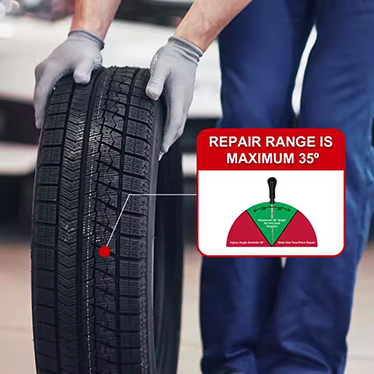
Patches are best suited for repairing punctures in the center area of the tire tread. Industry guidelines advise against repairing damage to the tire shoulder or sidewall. Patches are suitable for larger punctures, but not for holes larger than 1/4 inch (approximately 6 mm). Sometimes, plugs and patches are used together for enhanced sealing and reinforcement.
- Puncture repair is limited to the center area of the tire tread.
- Damage to the tire shoulder or sidewall cannot be repaired.
- Tread punctures larger than 1/4 inch (approximately 0.6 cm) should not be repaired.
How Long Does a Tire Patch Last
People often wonder how long tire patches last. If installed correctly, a patch can last as long as the tire itself. The patch adheres firmly to the liner and is not prone to loosening over time. SUNSOUL tire patch products provide a long-lasting and durable repair, helping to maintain tire reliability. Drivers can rely on patches to keep a flat tire sealed for extended distances.
Tire Plug & Patch Durability & Longevity
Patch Last Longer Than Plug
Many drivers ask which method is better for repairing a flat tire. Studies show that tire patches are more durable than plugs. Experts point out that tire patches typically have a lifespan of 7-10 years, while plugs may fail within 1-2 years. This difference is crucial for drivers who want a permanent tire repair.
Tire patches form a strong bond inside the tire. Technicians need to spend more time installing tire patches, but the final result is permanent. Plugs seal the puncture from the outside. They work quickly, but their lifespan isn’t necessarily as long as tire patches. When comparing tire patches and plugs, tire patches have a longer lifespan and provide reliable protection.
Tire patches are more durable because they form a permanent seal inside the tire. Drivers who want a permanent tire repair usually choose tire patches.
Tire patches are more durable than plugs. They prevent tire leaks and keep a leaking tire sealed for miles. Plugs may loosen or fail if the tire is driven on rough roads or under heavy loads. When drivers compare tire patches and plugs, they’ll find that tire patches have a longer lifespan and greater durability.
Factors Affecting Repair Lifespan
The lifespan of a tire repair depends on several factors. Technicians will check the size and location of the puncture, and also consider driving habits and environmental conditions. The table below lists some important factors:
| Factor | Description |
|---|---|
| Puncture Size | A tire can be repaired if the puncture is less than 1/4 inch in diameter. |
| Puncture Location | Repairs are viable if the puncture is located in the tread area, not the sidewall or shoulder. |
Other Factors Affecting Patch or Plug Lifespan:
- Frequent acceleration increases tire pressure, shortening repair life.
- Hard braking puts additional pressure on the tire patch or plug.
- High-speed driving increases the temperature and pressure inside the tire.
- Extreme temperatures change tire pressure and flexibility.
- Humidity and road salt cause tire aging and wear.
Technicians recommend checking tires frequently after repairs. To maximize tire life, drivers should avoid aggressive driving and keep tires clean.
If the puncture is small and located in the tread, the patch will last longer. A comparison of patches and plugs shows that patches are more durable and reliable. Plugs may not withstand high speeds or heavy loads. Environmental factors such as high temperatures, low temperatures, and humidity can affect the repair effectiveness of both patches and plugs. If drivers want a permanent tire repair, they should choose a patch.
When people ask which tire repair method is better, experts recommend patches. They offer permanent repair results and superior durability. SUNSOUL patch products help keep tires safe and reliable for years. Drivers trust patches because they provide long-lasting repair results, giving them peace of mind.
Tire Plug & Patch Safety & Reliability
Plug Risks
Tire plugs can cover small holes in the tire tread, but they are not always the safest repair method. Many safety organizations warn against using tire plugs alone. Some drivers are unaware that tire plugs do not strengthen the tire’s internal structure. This can cause problems if the tire is driven at high speeds or under heavy loads.
The National Highway Traffic Safety Administration (NHTSA) states that improper tire repairs can lead to serious traffic accidents. More than 23,000 accidents each year are caused by tire blowouts. They say that only a combination of tire plugs and patches can safely repair tires.
Tire plugs are best suited for repairing small holes in the center of the tire tread, but they cannot repair damage to the tire sidewall or edges. If the driver places the tire plug incorrectly, the tire may blow out.
Tire plugs are primarily used to repair holes in the center of the tire tread and are not suitable for the tire shoulder or sidewall. Tire repairs can only cover a portion of the area; if the hole is located elsewhere, the tire needs to be replaced.
The NHTSA states that there is only one safe way to repair a tire. You must use a combination of a tire patch and a tire plug.
Patch Advantages
Tire patches offer numerous safety advantages, making them a preferred choice for most drivers. After applying a patch, a technician reinforces the damaged area from the inside, ensuring the tire’s strength and safety. Tire patches also prevent water from seeping into the tire, helping to prevent rust and other internal damage.
- Tire patches enhance the strength of damaged areas of the tire, which is crucial for tire safety.
- Tire patches help secure the tire plug and prevent water from seeping in and causing further damage.
- Experts say that the combination of a tire plug and a tire patch is the best solution for a robust repair.
If installed correctly, a tire patch can last as long as the tire itself. Many experts recommend using tire patches or a combination repair solution for optimal safety and strength. Drivers who want a long-lasting tire repair typically choose tire patches.
Tire Plug & Patch Installation
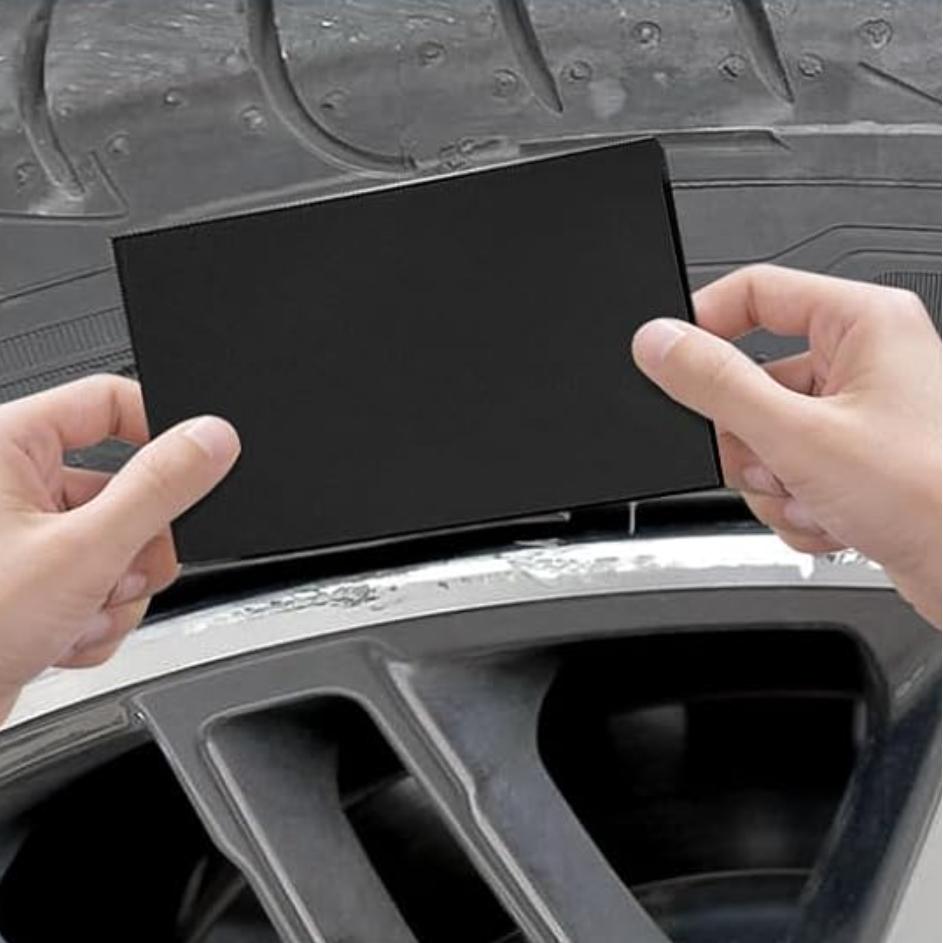
Plug Installation Steps
Installing a tire patch requires several important steps. Each step helps ensure a strong repair and keeps the tire safe to drive. Here’s a simple guide:
- Locate and inspect the puncture. Spray soapy water on the tire and look for bubbles; bubbles indicate a leak.
- Remove any object causing the puncture. Clean the puncture to help the patch adhere better.
- Apply vulcanizing adhesive inside the puncture. This step helps the patch adhere and prevents moisture from seeping in.
- Slip the patch over a needle-like tool. Ensure the patch hangs evenly.
- Insert the patch into the puncture. Push the tool in, then rotate and pull it out, leaving part of the patch inside the tire.
- Trim off any excess patch material. Inflate the tire to the recommended pressure.
Following these steps helps the patch seal the puncture and keeps the tire usable for a period of time.
Patch Installation Steps
Tire patch repair takes more time and requires specialized tools. This method provides a strong and durable repair for damaged tires. The following steps demonstrate how a mechanic installs a tire patch:
- Remove the wheel.
- Deflate the tire using a valve tool.
- Remove the tire from the rim using a tire changer or tire pry bar.
- Spray soapy water and observe for bubbles to locate the puncture.
- Remove any debris with pliers.
- Clean and smooth the area around the puncture with a file.
- Apply rubber adhesive and attach the patch to the inside of the tire.
- Reinstall the tire onto the rim.
- Inflate the tire and check for leaks.
- Rebalance the tire to ensure even wear.
A mechanic will use tools such as rubber adhesive, a tire patch, a file, and a pressure gauge to ensure a long-lasting repair.
DIY vs Professional
Many people attempt to repair tires at home, but professional repairs are generally more durable and safer. DIY tire repairs can be helpful in emergencies, but their durability is usually not as good as professional repairs. Professionals will inspect the inside of the tire, using approved repair methods and adhering to safety standards. Certified technicians will also check for hidden damage to ensure safe repairs. Choosing professional repair services gives drivers peace of mind and helps extend tire life.
Tip: For the best results and safety, let a professional handle tire repairs, especially when using patches.
Tire Plug & Patch Cost & Value
Plug Repair Costs
In the United States, auto service centers offer tire patch repair services as a quick fix for tire leaks. Because tire patch repairs are faster and require fewer tools, technicians typically charge less. Car owners often choose tire patch repairs when they need a quick fix for small punctures. The table below shows the average cost of tire patch repairs:
| Repair Type | Average Cost |
|---|---|
| External Plug Only Quick fix, not recommended | $10–$20 |
| Patch-Plug Combo ✓ Industry standard | $20–$50 |
Plug repairs cost less than patch repairs. The external plug only method is the cheapest, but it does not provide the best safety. The patch-plug combo costs more, but it meets industry standards for tire repair.
Patch Repair Costs
Patch repairs require more steps and specialized tools. The technician needs to remove the tire from the rim, clean the inside of the tire, and then apply the patch. This process takes longer and costs more. Car owners are willing to pay more for patch repairs because this method is more durable and safer. Patch and plug combinations are industry standard, priced between $20 and $50. Many car owners choose patches when they need permanent tire repairs.
Note: Patch repairs cost more, but they help the tire last longer and stay safe.
Long-Term Value
Car owners compare plug and patch repairs to find the most cost-effective option. Patch repairs offer longer lifespan and greater safety. The table below lists the differences between tire patching and tire plugging:
| Repair Type | Longevity | Safety | Versatility | Cost | Installation Difficulty |
|---|---|---|---|---|---|
| Patch | Up to 10 years or 25,000 miles | More secure | More versatile | Higher | Harder (requires tire removal) |
| Plug | Up to 10 years or 25,000 miles | Less secure | Less versatile | Lower | Easier (no tire removal) |
Tire patches offer a lifespan of up to 10 years or 25,000 miles. They provide greater safety and universality. Plugs are less expensive and easier to install, but less safe than tire patches. Car owners who want their tires to remain reliable for a long time often choose tire patching for extended lifespan.
Tip: Investing in a patch repair helps the tire stay strong and safe for many miles.
When to Use Tire Plug & Patch
Best Situations for Plugs
Experts say tire plugs are suitable for short-term emergencies. If a tire blows out and there’s no repair shop nearby, drivers typically use tire plugs. Tire plugs are best suited for small, clean holes in the tire tread. The hole width should not exceed 1/4 inch (approximately 6 millimeters). Tire plugs can help drivers safely reach a repair shop. People use tire plugs when professional help is unavailable and they don’t want to be stuck on the road.
- Tire plugs can quickly repair small holes in the tire tread.
- They allow drivers to continue driving until they find a suitable repair shop.
- Tire plugs are not suitable for larger or irregularly shaped holes.
Tire plugs are not always reliable. Sometimes they don’t last long and can suddenly fail. Organizations like the American Tire Manufacturers Association state that tire plugs are not suitable as a permanent repair measure. Tire plugs are only for short-distance trips to a tire shop.
When should tire plugs be used? Experts say tire patches are only for quick roadside repairs and not for long-term use.
Best Situations for Patches
Patches provide a more durable repair. Technicians typically use patches to repair small holes in the tire tread. The hole diameter should be less than 1/4 inch (approximately 6 mm). Patches are most effective if the puncture is clean and not near the tire sidewall or shoulder. Owners seeking a robust repair often choose patches because they strengthen the tire from the inside.
- Patches seal holes, increasing tire strength.
- They prevent leaks and water ingress.
- Patches have a longer lifespan, ensuring the tire can travel further.
When should you use a patch? Experts say that when the hole is small and located on the tire tread, a patch is the best option for a permanent repair.
Expert Recommendations
Tire manufacturers and safety organizations have provided clear recommendations on tire repair strips and patch strips. The table below lists their opinions:
| Aspect | Tire Patches | Tire Plugs |
|---|---|---|
| Durability | More permanent and reliable repair | Ideal for temporary fixes |
| Seal Strength | Stronger seal, less risk of leaks | May not hold up well over time |
| Time Requirement | More time-consuming, requires removal | Quicker roadside repairs possible |
| Professional Help | Often requires professional equipment | Can be done without professional help |
Experts agree that tire repair strips are more durable and safer. While tire repair strips are quick, they should not replace tire repair strips. Drivers who want their tires to last and be safe should choose tire repair strips whenever possible.
SUNSOUL tire repair strips help drivers repair tires for longer periods. Experts say tire repair strips are safer and more durable than patch strips.
Patching is generally safer than using tire repair strips. Tire repair strips can loosen. This can lead to a tire leak or another blowout.
- If you have the tools and time, tire repair is a better option.
- SUNSOUL’s support and professional installation services help ensure driver safety.