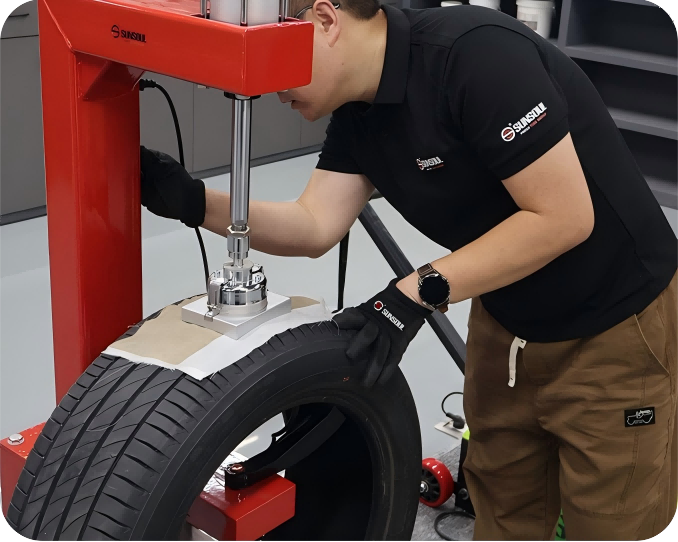

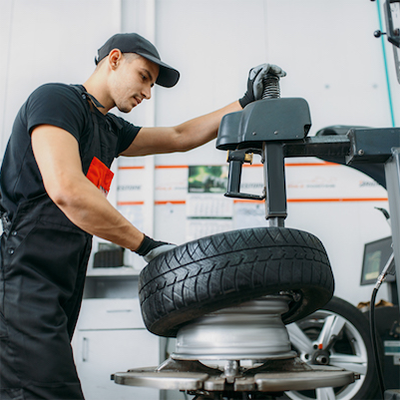
Tire sealants are generally ineffective when used on run-flat tires. Many drivers, upon discovering a punctured tire, seek a quick-fix solution. However, run-flat tires possess unique structural characteristics—precisely the features that prevent sealants from performing their intended function. Using sealant in a run-flat tire can pose safety risks; not only might it mask the actual internal damage to the tire, but it may also result in a substandard repair. Experts emphasize that not all repair products are suitable for every type of tire. Therefore, drivers should carefully consider the specific design and construction of run-flat tires before opting for any tire repair method.
Key Takeaways
- The effectiveness of tire sealants on run-flat tires is often unsatisfactory. This is attributed to the unique structural design of run-flat tires, specifically their sidewalls, which are significantly stronger than those of standard tires. It is this robust sidewall construction that hinders the sealant’s ability to effectively seal a puncture. Using sealant in a run-flat tire not only presents safety hazards but may also void the tire’s warranty. Consequently, the best course of action for run-flat tires is to seek professional repair services. Patching is typically the most effective method for repairing this type of tire. It is crucial to entrust your tire repairs to professionally trained technicians to avoid causing further damage.
How run flats work
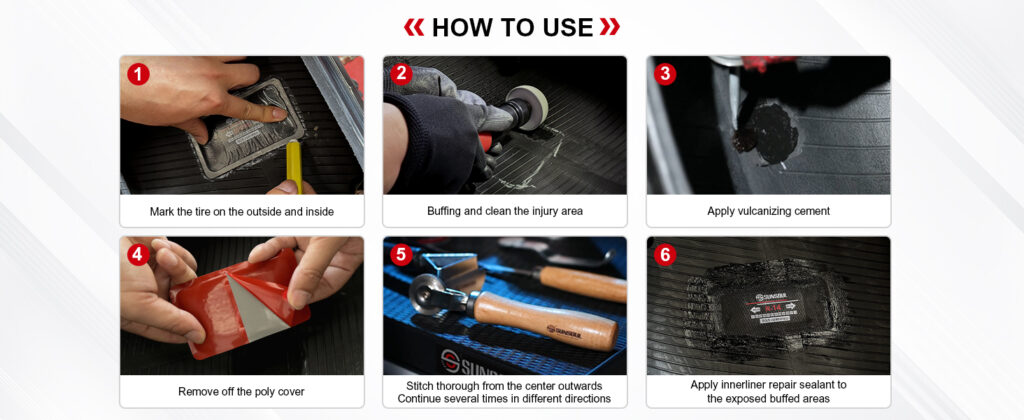
Structure and Purpose
Run-flat tires look like normal tires, but they are different inside. These tires let drivers keep going after a puncture. Their strong build and special parts make this possible.
- Run-flat tires have reinforced sidewalls. These sidewalls use tougher materials than normal tires. They hold up the car even if the tire loses air.
- The self-supporting structure helps the tire keep its shape after a puncture. Drivers can drive a short way even with no air.
- Their heat-resistant construction stops the tire from getting too hot. Regular tires can get hot and break after a flat, but run-flats do not.
The table below shows the main design features that help run-flat tires work after a puncture:
| Design Feature | Description |
|---|---|
| Reinforced Sidewalls | Made to hold the car’s weight after a puncture. |
| Internal Support System | Keeps the tire’s shape and stops it from collapsing when punctured. |
These features give drivers more time to get to safety or a repair shop. Run-flat tires help people feel safer, especially on busy roads.
Why Repairs Are Different
Repairing a run-flat tire requires a method distinct from that used for standard tires. Due to their unique internal structural design, repairing run-flat tires is often a more challenging task.
- Run-flat tires can sometimes mask internal damage; continuing to drive on a tire with low pressure—or one that has completely deflated—may cause internal structural damage that is invisible to the naked eye.
- Most tire shops do not offer repair services for run-flat tires. Citing safety concerns—and the fact that such repairs require specialized training to ensure proper execution—shops often choose to decline these requests.
- The rubber compounds used in run-flat tires are often incompatible with standard tire repair processes. Applying an incorrect repair method may not only fail to fix the damage but could actually exacerbate the problem.
- Many tire manufacturers explicitly advise against repairing run-flat tires. Even a small puncture often necessitates the replacement of the tire with a brand-new one.
- Repairing these types of tires requires specialized tools and must be performed by professionally trained technicians. Repair facilities must conduct a thorough and detailed inspection of both the interior and exterior of the tire to rule out any potential safety risks.
- Continuing to drive on a run-flat tire after it has completely deflated (i.e., in a “flat” state) may void the tire’s warranty. Precisely due to the aforementioned risks, some repair shops refuse to provide repair services for this type of tire.
Note: Run-flat tires are safer, but fixing them needs extra care and skill. Always ask a professional before trying to fix one.
Tire sealant on run flats

Does Sealant Work?
Many drivers hope to quickly repair a flat tire. To do so, they typically use a tire sealant kit. However, run-flat tires feature a specialized design that significantly diminishes the effectiveness of such sealants. The interior of a run-flat tire typically incorporates reinforced sidewall structures—and sometimes embedded foam inserts. It is precisely these components that allow drivers to continue driving after a puncture; yet, these same elements obstruct the flow of sealant and prevent it from plugging the puncture hole, potentially rendering the tire unsafe for future use.
Run-flat tires use a stiff sidewall or an inner ring. Tire sealant kits usually fix the tread area. But run-flat tires are too hard for sealant to fill holes. Air can still leak out because sealant cannot fix the spot. Products like Fix-a-Flat and Slime do not work well in run flats. Google shows most sealant kits are not good for these tires. Drivers who use sealant in run flats often see the tire still loses air. They need a professional to fix it.
Manufacturer Advice
Most tire manufacturers explicitly advise against using tire sealant kits on run-flat tires. They warn that the unique design of run-flat tires may prevent sealants from functioning as intended. The internal foam inserts and support structures within the tire obstruct the flow of sealant, resulting in an unreliable repair. Companies such as Continental Tires even state that attempting to repair a run-flat tire may void the tire’s warranty. Therefore, they recommend that drivers forgo the use of sealant kits and instead seek assistance from automotive professionals.
Continental says fixing one of its tires cancels all other makers’ warranties.
Makers also say run-flat tires do not stop flats. The stiff sidewall or inner ring does not protect the tread area. Sealant kits only fix the tread. So sealant cannot fix most holes in run flats. Drivers should listen to makers and not use sealant kits for these tires.
Safety and Risks
Using tire sealant kits on run-flat tires poses certain safety risks. The sealant may cause corrosive damage to the tire’s internal structure or foam filling, thereby creating safety hazards while the vehicle is in motion. Furthermore, the sealant may cause the Tire Pressure Monitoring System (TPMS) sensors to malfunction.
Run-flat tires do not stop flats. Run-flat technology uses a stiff sidewall or inner ring. These do not protect the tread area that Permashield Tire Sealant covers.
Generally, insurance companies do not provide coverage for tire blowouts caused by normal wear and tear or punctures from road debris. While insurers may cover tire damage resulting from traffic accidents, vandalism, or theft, they will strictly refuse to cover damage caused by the use of tire sealant kits. Roadside assistance services may be able to assist drivers with repairing or replacing a flat tire. Therefore, drivers should carefully review the specific coverage details of their insurance policy or roadside assistance plan. The tire may sustain damage.
- The tire pressure sensors may cease to function properly.
- The repair may not be durable or long-lasting.
- The wheel rim may develop rust.
- The repair process may be messy and difficult.
- The tire warranty may be voided.
- Sealant residue may accumulate, leading to wheel imbalance.
Drivers who use sealant repair kits on run-flat tires risk voiding their tire warranty. Moreover, they may face unsafe driving conditions. Experts recommend that the repair of run-flat tires be entrusted to trained professionals. Although sealant repair kits may appear simple to use, they are ineffective on run-flat tires and may, in fact, create additional complications. Alternative Repair Solutions for Run-Flat Tire Punctures
Alternatives for run flats
Professional Patch Solutions
Many people use a tire repair kit when they get a flat. Experts say these kits are not the best for run-flat tires. Most kits, like slime, give a quick fix but do not last. Slime can help in an emergency but is not a long-term answer. Tire patches make a stronger seal inside the tire. They stop air from leaking and help the tire last longer.
To use a patch, the tire must come off the wheel. Technicians check the tire for hidden damage. They use special tools and training to put on the patch. Tire makers say to use patches for bigger holes or ones near the sidewall. Patches work better than slime. Patches are safer and last longer than slime.
Tire patches are better for long-term fixes. Slime is only for emergencies and should not replace a real repair.
Technicians need special training to fix run-flat tires. They take classes to learn how to check, mount, balance, and patch tires. The table below lists some training courses:
| Course Name | Duration | Focus Area | Certification Offered |
|---|---|---|---|
| Automotive Tire Service (TIA Led Course) Level 400 | 4 days | Passenger tire service, including run-flat tires | Advanced Instructor Certificate |
| Automotive Tire Service (TIA Course) Level 300 | 2 days | Passenger tire service | Basic ATS Certificate |
| Certified Automotive Tire Service (ATS) | Varies | Tire inspection, mounting, balancing, puncture repair, TPMS service | TIA Certificate |
| Automotive Tire Training from Elevify | 4 to 360 hours | Tire inspection, repair, mounting, balancing, TPMS | Valid certificate |
SUNSOUL Tire Patch Overview
SUNSOUL tire repair patches are the ideal choice for repairing run-flat tires. When standard tire repair kits or liquid sealants (such as Slime) prove ineffective, many turn to SUNSOUL. SUNSOUL offers a comprehensive range of tire repair products suitable for bicycles, motorcycles, passenger cars, trucks, and agricultural machinery. These patches are manufactured using high-strength materials and feature exceptional bonding properties. Each product comes with easy-to-understand instructions and illustrative diagrams. Furthermore, SUNSOUL provides video tutorials and operational manuals tailored to various repair scenarios, offering users comprehensive technical support.
SUNSOUL tire repair patches help vehicle owners regain their sense of security after experiencing a flat tire. These patches are effective not only for repairing punctures in the tread but also for fixing valve stem leaks, enabling drivers to safely return to the road. SUNSOUL offers professional repair training and comprehensive customer service; distributors, too, benefit from a stable supply chain and highly competitive pricing. Currently, the company’s tire repair products are sold in over 60 countries and regions worldwide.
The table below shows the costs for run-flat tire repairs:
| Item | Cost Range |
|---|---|
| Run-flat tires | $150 – $500 per tire |
| Tire sealant products | Generally under $20 |
| Repair cost for run-flats | Often requires full replacement instead of a patch ($20-$30) |
Slime is cheaper but does not last long. A repair kit may fix a flat for a short time. SUNSOUL Tire Patch gives a lasting fix and expert help. Drivers should pick patches for safety and trust.
Tip: Always ask a trained technician to fix run-flat tires. SUNSOUL Tire Patch gives lasting results and peace of mind.
Sealant compatibility table
Choosing the right repair method depends on the type of tire. Not all tires work well with sealant. Some tires, like run-flats, have special designs that block sealant from working. Others, like regular tires, can use sealant in emergencies. The table below shows which tires work with sealant and which do not.
| Tire Type | Sealant Compatible? | Notes |
|---|---|---|
| Standard (Non-Run-Flat) | ✅ Yes | Works for small punctures in the tread area. Not for sidewall damage. |
| Run-Flat | ❌ No | Sealant often fails due to reinforced structure and foam inserts. |
| Tires with Foam Inserts | ❌ No | Foam absorbs sealant and blocks repairs. |
| Tubeless Bicycle Tires | ✅ Yes | Sealant works well for small holes. |
| Motorcycle Tires | ⚠️ Sometimes | Check manufacturer advice. Some brands allow sealant, others do not. |
| Heavy-Duty Truck Tires | ⚠️ Sometimes | Use only if approved by the tire maker. |
| Agricultural Tires | ✅ Yes | Sealant can help with small punctures in the field. |
Tip: Always check the tire’s manual or ask a professional before using sealant. Using sealant in the wrong tire can cause more problems.
- Run-flat tires need special care. Sealant does not fix most run-flat punctures.
- Standard tires can use sealant for quick fixes, but a patch or professional repair lasts longer.
- SUNSOUL Tire Patch offers a strong and lasting solution for many tire types.
🛞 Remember: The right repair keeps drivers safe on the road.
Tire sealant does not work well on run-flat tires. Their special design stops the sealant from working right. Most experts and makers say to get a pro to check the tire after a puncture. Drivers should do these things to stay safe:
- Look at your tires often for damage or sharp things.
- Check your tire pressure a lot.
- Go to a pro if you get a flat.
A trained worker can tell if you need a new tire or just a repair. For a fix that lasts, SUNSOUL Tire Patch is a good choice.
FAQ
Can tire sealant be used on run-flat tires?
Most experts point out that tire sealant is ineffective on run-flat tires. This is because the unique structural design of run-flat tires prevents the sealant from functioning properly. If a run-flat tire is punctured, the driver should seek assistance from a professional.
What is the best method for repairing a run-flat tire?
The tire should be inspected by a professionally trained technician. They will use specialized tools and patches—such as SUNSOUL tire patches—to perform a safe repair. This method ensures a durable and reliable repair result.
Does using tire sealant void the warranty on run-flat tires?
Many tire manufacturers explicitly state that using tire sealant on run-flat tires may void the warranty. Therefore, before using any tire repair product, be sure to carefully review the relevant warranty terms.
How far can a run-flat tire be driven after being punctured?
Most run-flat tires allow you to continue driving at speeds below 50 mph (approximately 80 km/h) for a distance of up to 50 miles (approximately 80 km) after being punctured. Drivers should proceed to a repair shop as soon as possible to have the tire serviced.