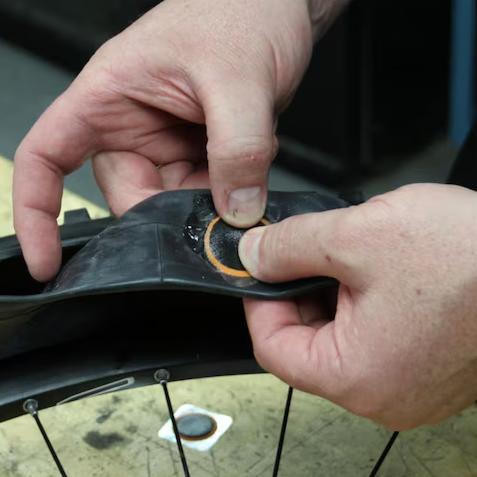


In 2025, the dual cure tire patch is a better choice for drivers today. New changes have made these patches stronger and last longer, SUNSOUL has universal tire patch, two-way tube patch, bias tire patch and radial tire patch. Many people pick them because they want safety and good performance for a long time. Good tire repair lowers the chance of sudden problems and helps drivers save money by making tires last longer. The tire patch market is getting bigger, with more people using tubeless and puncture repair patches. Picking the right tire patch is now more important than ever.
Key Takeaways
Dual cure tire patches are a better pick for drivers in 2025. They give stronger repairs than traditional patches. They also last longer than regular patches.
Fixing tires the right way is very important for safety. Checking tires often and using the right patch can stop dangerous problems. This can help save lives.
Picking the right patch helps save money in the long run. Dual cure patches cost more at first but need fewer repairs later.
Dual cure patches set fast, usually in 5 to 15 minutes. This makes them easy to use for mechanics and people who fix tires themselves.
Why Tire Repair Matters
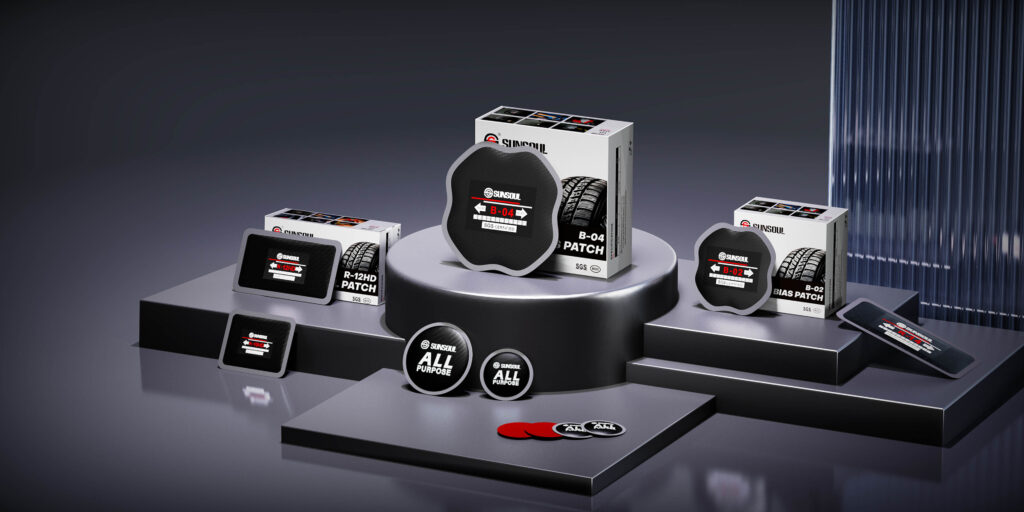
Tire Repair Safety
Tire repair is very important for keeping cars safe. Tires are the only part of a car that touches the road. Their condition affects how you drive, turn, and stop. Studies show that fixing tires well and checking them often helps stop dangerous problems. If a tire bursts, the driver can lose control, especially when driving fast. The US Highway Safety Administration says tire bursts cause many injuries and deaths. Checking tires, keeping them filled right, and fixing holes quickly can stop these problems before they happen.
Drivers can get into trouble if they fix tires the wrong way.
Using tire plugs instead of patches can make tires fail suddenly.
Tire plugs are only a quick fix and might not last.
Bad repairs cause thousands of crashes every year, so it is important to use the right patch.
In 2025, rules for fixing tires are tougher.
Now, you must use both a plug and a patch together.
Only holes up to 1/4 inch deep can be fixed.
Repairs must be in the tread and not cover old repairs.
Workers must take the tire off the rim to look for hidden damage.
Comprehensive Cost Considerations for Tire Repair
How much it costs to fix a tire depends on how you fix it and how bad the damage is. Fixing a tire with a patch inside usually costs $15 to $30, but sometimes it can be $10 to $50. Some tires cost $10 to $20 more to fix. Traditional patches may look cheaper at first, but dual cure patches last longer and mean fewer repairs later. Cars fixed with good patches usually cost less to keep up because these patches fix the problem for good. Drivers who pay for good repairs save money over time and do not have to go back to the shop again and again.
What is a Dual Cure Tire Patch?
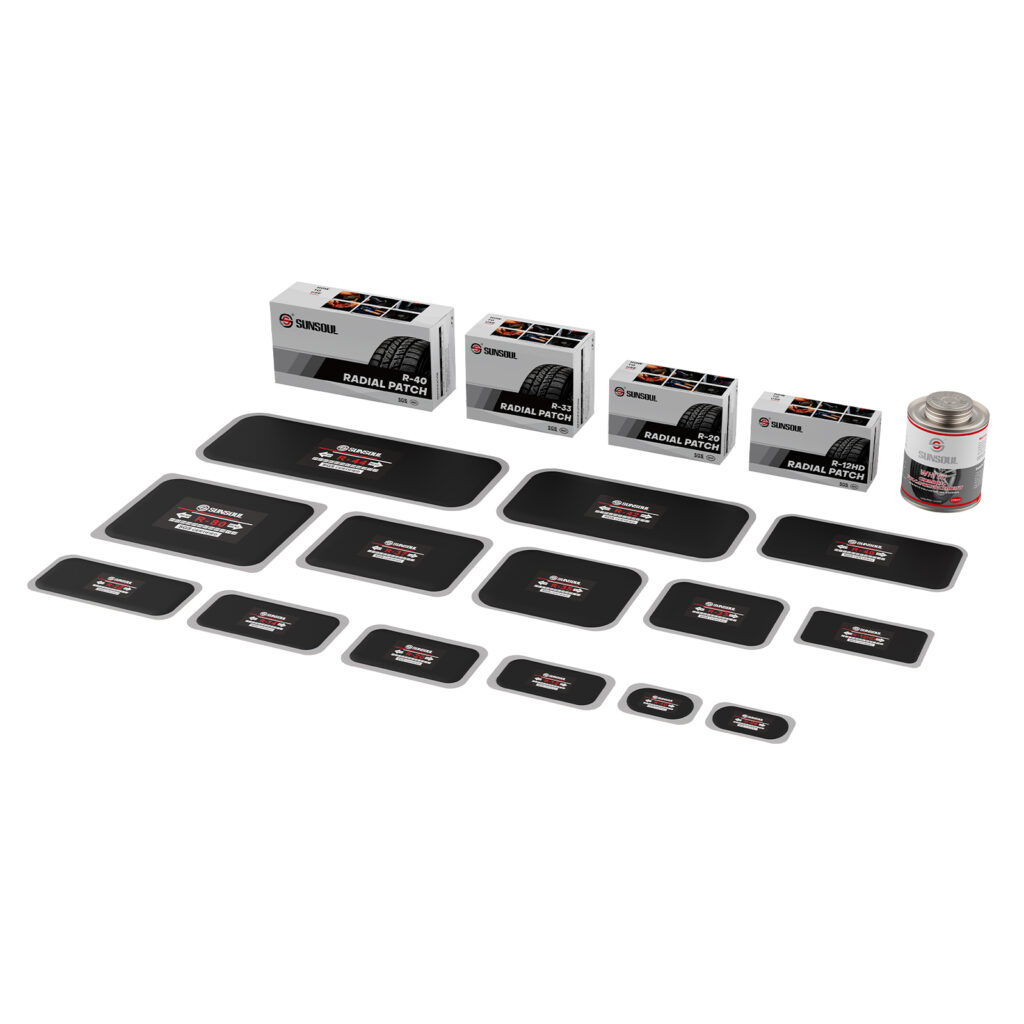
A dual cure tire patch uses advanced technology to repair tires quickly and effectively. This patch works for many types of vehicles, including cars, trucks, and bicycles. People choose it because it offers strong and lasting repairs.
The dual cure tire patch stands out because of its special curing process. It can cure at room temperature or with heat and pressure. This means the patch works well in a shop or during regular tire use. The patch uses a unique cushion gum that helps it bond tightly to the tire surface.
Tip: Mechanics like the dual cure tire patch because it saves time and gives reliable results.
The chemical composition of a dual cure tire patch allows it to vulcanize in different ways. It can cure during retreading, in a section mold, or when the tire is in service. This flexibility makes it a popular choice for both professionals and DIY users.
Dual cure tire patch vulcanizes at room temperature.
It cures with heat and pressure from the tire or repair equipment.
The patch bonds well during retreading or in a section mold.
The dual cure tire patch comes in many sizes. People use it for tubeless tires and inner tubes. The patch works best for tread area repairs, helping tires last longer and perform better.
Mechanics and drivers trust the dual cure tire patch for its strength and durability. The patch helps prevent future tire problems and keeps vehicles safe on the road. Many users say it is easy to apply and gives peace of mind after a repair.
Traditional Tire Patches and Their Limitations
Inconsistent Quality
Many drivers rely on traditional tire patches to fix punctures. These patches come in different shapes and sizes. Some types of tire patches work better than others, but quality often varies. Technicians notice that some patches do not seal well. When a patch fails, moisture can enter the tire. This moisture may cause steel belts inside the tire to rust. Radial truck tires face this problem more often because the damage is hard to see. Patch-only repairs do not fill the hole left by punctures, so water can get inside and harm the tire over time.
Durability Issues with Traditional Patches
Durability remains a major concern with traditional tire patches. The life of a patch depends on many things. The type of tire, the quality of the patch, and where the patch sits all matter. Patches placed on the tread last longer than those on the sidewall. Drivers who speed or drive on rough roads see patches wear out faster. Weather also affects patches. Extreme heat or cold can make patches soft or brittle. When patches fail, drivers notice air leaks, strange vibrations, or uneven tire wear. These signs show that the patch did not last as long as needed.
Note: Drivers should check patches often for signs of failure. Early detection helps prevent bigger problems.
Pre-Cured Limitations
Pre-cured patches have their own set of limits. These patches come ready to use, but they do not always bond well with every tire. Some types of tire patches do not seal the inner liner fully. When a patch does not fill the void from punctures, water can enter and cause corrosion. Plug-only and patch-only repairs do not create a permanent seal. This means the tire stays at risk for future damage. Technicians recommend using a method that seals both the inside and the hole left by punctures. This helps keep tires safe and strong for longer.
What Makes Dual Cure Tire Patches Unique?
Standardized Curing Process
Dual cure tire patches use a special way to cure. They work with chemicals and heat together. This makes the patch stick faster and better. The patch holds tight to the tire and keeps it safe.
Chemicals start working when the patch touches the tire.
Heat from the tire or tools makes the bond stronger.
You can use this process in shops or at home.
Every patch works the same, so there are no weak spots.
Many training classes now teach these steps. Technicians learn about dual cure patches in TECH University and TIA’s Automotive Tire Service. These classes help repairs stay safe and high quality.
Enhanced Durability and Strength
Companies test dual cure tire patches in many ways. They check the rubber and gum for good quality. They measure the patch size and shape. They test how well the patch sticks to the tire. They also see how patches do in heat, cold, and sunlight. Both chemical and heat curing get tested to make sure it always works.
Materials must pass tough checks.
Patches get tested for sticking and lasting.
Tests include bending, stretching, and bad weather.
Every patch must meet world safety rules.
This focus on strength means drivers can trust dual cure patches. The strong bond stops leaks and keeps tires working well, even in hard weather.
Dual Cure Tire Patch’s Application
The Sunsoul Dual Cure Tire Patch is a top pick for drivers and shops. It uses new technology to fix tires fast and well. Most patches cure in 5 to 15 minutes, depending on heat and moisture. This is much quicker than other ways to fix tires.
Sunsoul patches work for cars, trucks, motorcycles, and farm machines. The patches come in many sizes for tubeless tires and inner tubes. Each patch uses strong textile materials, so it lasts longer and handles rough roads.
Many people say Sunsoul Dual Cure Tire Patch is simple to use and makes them feel safe. The company gives a 24-month warranty, so drivers feel sure about their repairs.
Drivers and technicians trust these patches for regular and emergency fixes. The fast cure time, strong bond, and many uses make Sunsoul Dual Cure Tire Patch a smart choice for anyone who wants a good tire repair.
How to Choose Your Tire Patch
Consider the Type of Tire Damage
You need to know what kind of tire damage you have. Small holes in the tread usually need a plug-patch together. Bigger holes or sidewall damage need stronger patches. Check if the hole is small enough to fix. Most patches work best for tread holes under 1/4 inch wide. If there are many holes or old repairs, use special patches. Each patch is made for a certain job. Cars and sedans use plug-patch combos for small holes. SUVs and light trucks need stronger or heat-resistant patches. Big trucks and buses use heavy-duty patches with chemical glue. Motorcycles and sports cars use thin patches. Run-flat tires need patches approved by the maker. Electric cars need extra-strong patches for more stress. Winter tires need patches that stay soft in the cold. Off-road and farm tires need special repairs with strong glue.
Durability and Safety Performance
It is important to pick patches that last and keep you safe. Dual cure patches stick well and last longer than old types. These patches can handle heat, cold, and water. If you live where it rains a lot, pick patches made for wet roads. All-weather patches are good for places with changing weather. Experts test patches for strength, bending, and leaks. A strong patch keeps the tire safe and stops new holes. Many people trust dual cure patches because they work well for a long time.
Tip: Always pick patches that are safe and fit your tire. Good patches help stop crashes and keep you driving.
Ease of Application and Tools Needed
Easy patches save time for drivers and workers. Dual cure patches dry fast, in about 5 to 15 minutes. Most patches need simple tools like a rasp, glue, and roller. Some patches need heat or pressure to work best. Sunsoul Dual Cure Tire Patch is easy to use and dries quickly. You can use these patches for normal or emergency fixes. Workers like patches that do not need special tools. Simple patches help stop mistakes and make strong repairs. Always read the directions to get the best fix.
In 2025, dual cure patches stand out as a better choice for most drivers. They offer strong repairs and help keep vehicles safe. Experts suggest several steps for a properly patched tire:
Demount the tire for a full check.
Clean and abrade the area around the puncture.
Use the right adhesive and apply pressure for a tight seal.
Choose patches for small tread punctures and combine with a plug when needed.
Selecting the right patch protects safety and adds value over time. When unsure, drivers should ask a professional for help.
FAQ
What makes dual cure patches different from traditional ones?
Dual cure patches use both chemical and heat curing. This process creates a stronger bond. Drivers notice faster repairs and better results compared to older methods.
Can anyone use a dual cure patch for tire repair?
Most people can use a dual cure patch. The instructions are simple. Many drivers and mechanics find the process easy to follow.
How long does it take for a dual cure patch to cure?
Most dual cure patches cure in 5 to 15 minutes. The time depends on temperature and moisture. Drivers appreciate the quick repair.
Are dual cure patches safe for all types of tires?
Dual cure patches work well for many tire types. They fit passenger cars, trucks, motorcycles, and farm vehicles. Always check the patch size before starting a repair.
Does a dual cure patch last longer than a traditional patch?
Many tests show that a dual cure patch lasts longer. The strong bond helps prevent leaks and keeps the tire safe on the road.