
When you face a trailer tire issue on the road, your quick response can prevent accidents and keep your trip on track. Regular trailer tire repair and inspections help reduce blowouts, loss of control, and long braking distances. Take a look at the numbers:
| Tire Maintenance Step | Safety Impact |
|---|---|
| Regular Inspections | Prevents blowouts and roadside breakdowns |
| Timely Tire Replacement | Lowers failure risk and keeps you safer on every journey |
| Proper Inflation | Cuts blowout risk by up to 300% and improves handling by 45% |
SUNSOUL gives you dependable tire repair products and support, trusted in over 60 countries.
Trailer Tire Repair: First Steps When Trouble Strikes
Pulling Over and Ensuring Safety
When you notice a problem with your trailer tire, act quickly to protect yourself and others. Slow down and look for a safe place to pull over. Choose a flat area away from traffic, such as a wide shoulder or a rest stop. Turn on your hazard lights to alert other drivers. Place wheel chocks behind your trailer tires to prevent rolling. Always wear a reflective vest if you have one. This makes you more visible, especially at night or in bad weather.
Tip: Keep a safety kit in your vehicle. Include items like a flashlight, reflective triangles, gloves, and a vest. These tools help you stay safe during roadside repairs.
Check your surroundings before you exit your vehicle. Watch for passing cars and keep children and pets inside until it is safe.
Assessing the Tire Damage
After you secure your trailer, inspect the tire closely. Look for obvious signs of trouble. Cracks or dry rot often appear as spiderweb patterns on the sidewall or tread. These cracks form from sun exposure, aging, or long periods without use. They weaken the tire and raise the risk of a blowout.
Check the tread depth. Shallow tread or uneven wear can make your trailer harder to control, especially on wet roads. Uneven wear may point to problems with inflation or alignment. Feel for bulges, bubbles, or flat spots. Bulges and bubbles signal internal damage and could cause sudden failure. Flat spots often develop when a trailer sits in one place for too long.
Do not forget to check the age of your tire. Even if the tread looks fine, tires older than five or six years can be unsafe. Pay attention to how your trailer handles. Swaying, vibration, or bouncing may mean you have a hidden tire problem.
If you spot any of these issues, consider your next steps for trailer tire repair. Some problems need immediate attention, while others may require professional help.
Inspecting Trailer Tires Before and During Travel
Pre-Trip Tire Inspection Checklist
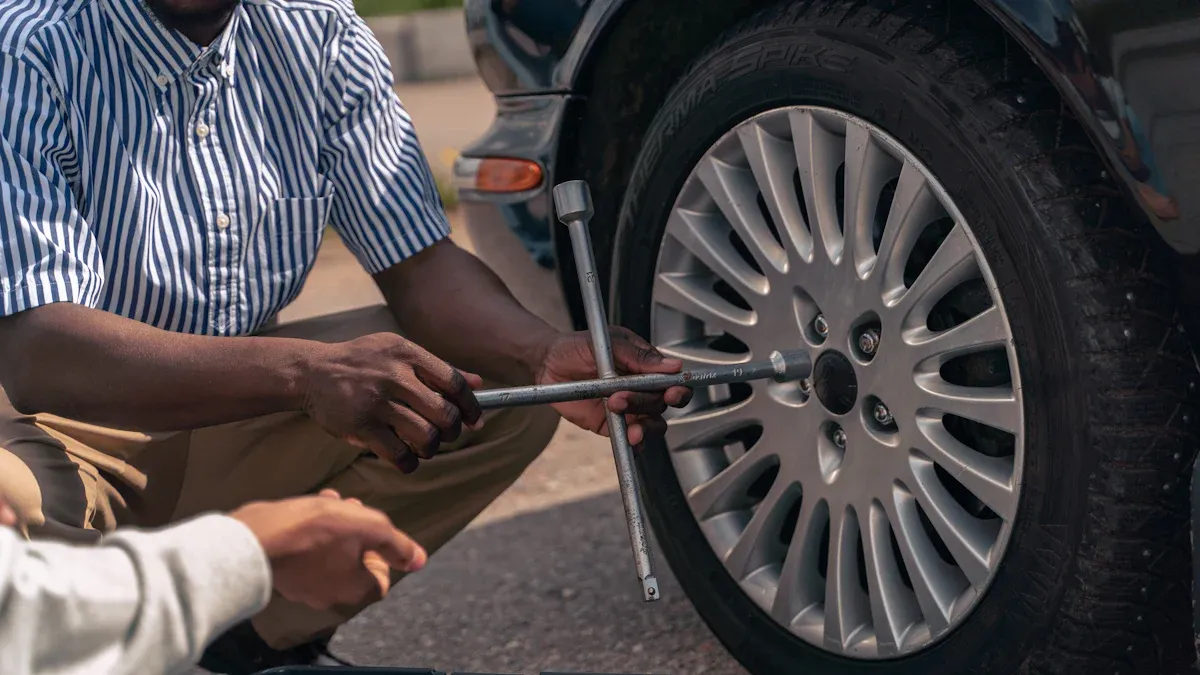
Before you start your trip, you should always check your trailer tires. This step helps you avoid problems on the road. Use a checklist to make sure you do not miss anything important. Here is a helpful table to guide you:
| Inspection Item | Key Points to Check |
|---|---|
| Tire Air Pressure | Inflate to the manufacturer’s specified PSI. Use a tire gauge at the valve stem. Make sure the valve stem has a cap. |
| Tire Condition | Look at both sidewalls and the tread. Check for abrasions, bulges, or cuts. Tread depth should be at least 2/32 inch. |
| Rim Condition | Make sure rims are mounted correctly. Look for damage, illegal holes, welds, or cracks. Check for even spacing and remove debris between tires. |
| Lug Nuts | Confirm all lug nuts are present and tight. Watch for rust streaks or shiny threads, which can mean looseness. |
| Hub Oil Seals | Check that seals are mounted right, not damaged, and not leaking. Oil on the rim means a leak. |
| Valve Stem Caps | Make sure each valve stem has a cap to protect it. |
| Axle Seal | Inspect for proper mounting, no damage, and no leaks. Oil on the rim or brake linings means a leak. |
Tip: Always keep a tire gauge and a flashlight in your vehicle. These tools help you spot problems even in low light.
Monitoring Tire Condition on the Road
You need to keep an eye on your trailer tires while you drive. Watch for signs that something is wrong. If you feel your trailer pulling to one side, hear thumping noises, or notice vibrations, stop and check your tires right away. Look for any changes in the way your trailer handles. If you see smoke or smell burning rubber, pull over as soon as it is safe.
Check your tires at every stop. Walk around your trailer and look for bulges, low pressure, or objects stuck in the tread. Touch the tires to see if they feel much hotter than usual. Hot tires can mean low pressure or too much weight.
Staying alert helps you catch problems early. You can prevent bigger issues and keep your trip safe.
Must-Have Tools and Supplies for Trailer Tire Repair
Essential Tire Repair Kit Components
You need the right tools to handle trailer tire repair on the road. A well-stocked heavy duty tire repair kit helps you fix most problems quickly and safely. Here are the main items you should always keep in your vehicle:
- Tire pressure gauge: Checks if your tires have the correct air pressure.
- Lug wrench: Loosens and tightens the lug nuts on your wheels.
- Heavy-duty jack: Lifts your trailer so you can remove or replace a tire.
- Wheel chocks: Stops your trailer from rolling while you work.
- Tire repair plugs and patches: Seals small punctures and leaks.
- Valve stem tool: Helps you replace or tighten valve stems.
- Air compressor or portable inflator: Refills your tire after a repair.
- Gloves and safety vest: Protects your hands and keeps you visible.
- Flashlight: Lets you see clearly, even at night or in low light.
Tip: Store your kit in a waterproof bag. This keeps your tools dry and ready for use in any weather.
SUNSOUL’s Recommended Tire Repair Products
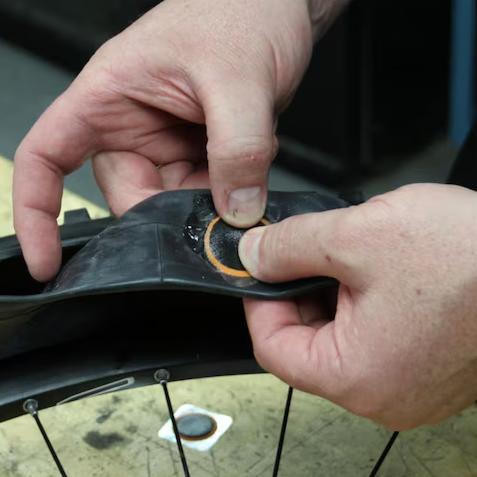
When you choose a repair kit, you want products that work every time. SUNSOUL’s tire repair kits stand out for their quality and reliability. Riders in over 60 countries trust SUNSOUL for trailer tire repair and other vehicle needs. Their kits use round, vulcanizing tire patch that seal leaks and last a long time. You get strong adhesion and a patch that will not peel off easily.
Compared to brands like Rema Tip Top, Slime, and Monkey Grip, SUNSOUL offers dependable performance at a price that fits most budgets. The SUNSOUL tire puncture repair kit includes steel T-handle tools, which make repairs easier and safer. Each kit meets international standards and comes with a 1-year warranty. This gives you peace of mind on every trip.
SUNSOUL’s tire patch works on many types of tires, from bikes to trucks. The patches have a leak-proof seal and are easy to use, even if you are new to tire repair. Many users choose SUNSOUL because they want a balance of value and quality.
Spotting Common Trailer Tire Problems
Identifying Signs of Wear, Damage, and Leaks
You need to spot trailer tire problems early to stay safe on the road. Commercial drivers report several issues most often. Here are the top problems you may face:
- Uneven tire wear from misaligned axles or improper inflation.
- Tire blowouts caused by overloading, under-inflation, or dry rot.
- Cracks and dry rot from sun exposure and aging rubber.
- Fast tread wear due to cheap tires or uneven loading.
- Vibration or wobble while towing from out-of-balance tires or bent rims.
You can use a simple checklist to find trouble before it gets worse:
| Visual Indicator | What It Means |
|---|---|
| Center tread wear | Tire is over-inflated |
| Edge tread wear | Tire is under-inflated |
| Feathered tread | Axle alignment problem |
| Cracks or dry rot | Rubber is aging or exposed to UV rays |
| Bulges or blisters | Internal tire damage |
| Punctures or objects | Slow leaks or risk of blowout |
| Bald spots or scalloping | Advanced tread wear, unsafe for travel |
Tip: Use soapy water on the tire to check for leaks. Bubbles show where air escapes.
Regular inspections help you catch these signs. Always check tire pressure and tread depth before and after trips. Replace tires that show deep cracks, bulges, or repeated air loss.
Recognizing When to Refit the Trailer Tire
You must know when to refit or replace your trailer tire. Industry guidelines recommend these steps:
- Check tire pressure before every trip with a reliable gauge.
- Use a Tire Pressure Monitoring System to spot slow leaks.
- Protect tires from sun and weather to prevent cracking.
- Rotate tires and inspect for wear or damage often.
- Use trailer-specific tires for proper load capacity.
- Balance your load to avoid uneven wear.
- Replace tires every 3 to 5 years, even if tread looks good.
- Change tires right away if you see damage or lose air repeatedly.
- Follow DOT rules: never repair sidewalls, replace tires that are too worn or damaged.
- Ask a professional if you are unsure about tire condition.
If you notice any warning signs, do not wait. Refit your tire to keep your trailer safe and your journey smooth. Regular care and quick action prevent breakdowns and costly repairs.
Safe Roadside Trailer Tire Repair Procedures

Using Jacks, Wheel Chocks, and Safety Gear
When you need to perform trailer tire repair on the roadside, safety comes first. You must protect yourself and others from harm. Start by finding a flat, stable area away from traffic. Turn on your hazard lights so other drivers see you. Place reflective triangles or flares behind your trailer to increase visibility, especially at night or in poor weather.
Before you begin, gather your safety gear. Always wear gloves to protect your hands from sharp objects and dirt. Put on a reflective vest to make yourself visible to passing vehicles. Safety glasses help shield your eyes from dust and debris.
Wheel chocks are essential. Place them in front of and behind the tires that will stay on the ground. This stops your trailer from rolling while you work. Never skip this step. A rolling trailer can cause serious injury.
Use a heavy-duty jack designed for your trailer’s weight. Place the jack on a solid part of the trailer frame, not under the axle or a weak spot. Make sure the jack sits on firm ground. If the ground is soft, use a sturdy board under the jack for extra support.
Tip: Keep all your safety gear and tools in one easy-to-reach bag. This saves time and helps you stay organized during an emergency.
Improper use of jacks or skipping safety steps can lead to accidents. You risk the trailer falling or rolling, which can cause injuries or damage. Always follow the correct procedures to avoid these dangers.
Step-by-Step Guide to Refit the Trailer Tire
You can handle most roadside trailer tire repair jobs if you follow the right steps. Here is a clear guide to help you refit a trailer tire safely:
Prepare Your Tools and Area
Gather your spare tire, jack, lug wrench, wheel chocks, gloves, safety glasses, and reflective triangles. Place your trailer in a safe, level spot away from traffic. Set up your safety triangles or flares behind the trailer.Secure the Trailer
Engage the parking brake. Place wheel chocks around the tires that will stay on the ground. This keeps your trailer from moving.Loosen the Lug Nuts
Use your lug wrench to loosen the lug nuts on the flat tire. Turn each nut just enough to break the resistance, but do not remove them yet. Loosen in a star pattern to keep the wheel balanced.Lift the Trailer
Position the jack under a solid frame point near the flat tire. Raise the trailer until the flat tire is off the ground. Make sure the trailer feels stable before you continue.Remove the Flat Tire
Finish unscrewing the lug nuts and set them aside. Carefully pull the flat tire off the wheel bolts.Mount the Spare Tire
Line up the holes in the spare tire with the wheel bolts. Push the spare onto the hub. Hand-tighten the lug nuts in a star pattern.Lower the Trailer
Slowly lower the trailer back to the ground using the jack. Remove the jack once the tire touches the ground.Tighten the Lug Nuts
Use your lug wrench to tighten the lug nuts fully in a star pattern. If you have a torque wrench, use it to reach the manufacturer’s recommended tightness.Check Tire Pressure
Use a tire gauge to check the spare tire’s pressure. Inflate it to the correct PSI if needed.Final Safety Checks
Remove all tools and safety gear from the road. After driving a short distance, stop and re-check the lug nuts to make sure they remain tight.
Note: Never try to repair a tire with sidewall or bead damage. These types of damage make the tire unsafe, even after repair. If you see large punctures, multiple close punctures, or signs of dry rot, replace the tire instead of repairing it.
Improper trailer tire repair can lead to serious risks. If you do not follow these steps, you may face tire blowouts, loss of control, or even accidents. Poor repairs can also cause expensive breakdowns and legal trouble if your trailer does not meet safety standards. Always use the right tools and follow safe procedures to protect yourself and others on the road.
Temporary Fixes vs. Professional Help in Trailer Tire Repair
When a Quick Fix Is Sufficient
You may face a flat tire in a remote area or during a busy trip. In these moments, a quick fix can help you get back on the road. Tire repair kits work well for small punctures, such as those caused by nails or screws. These kits often include tire plugs or sealants. You can use a plug for a small hole in the tread, but not for large punctures or sidewall damage. Tire sealants are easy to apply and can seal small leaks quickly. Both options let you drive a short distance to a repair shop.
Tip: Always check your tire with a professional after using a plug or sealant. These fixes do not show hidden damage inside the tire.
Quick fixes are not permanent. Tire manufacturers warn that plugs and sealants only work for emergencies. They do not suit heavy trailers or long trips. Using too many plugs can lower your tire’s speed rating and safety. If you use a quick fix, drive slowly and avoid long distances.
Here is a quick look at common temporary solutions:
- Tire Plugs: Good for small tread punctures, not for sidewalls or large holes.
- Tire Sealants: Fast and easy, but may affect tire sensors and future repairs.
- Spare Tire: Always the safest temporary option for longer use.
Knowing When to Call for Professional Assistance
Some trailer tire repair jobs need expert help. If you have a blowout or a flat that you cannot fix with a kit, call a professional. Heavy trailers put extra stress on tires, so even small damage can become dangerous. Professionals know how to check for hidden problems, such as internal cord damage or slow leaks.
You should seek help if:
- The tire has a large puncture or sidewall damage.
- You see bulges, deep cuts, or exposed cords.
- The tire loses air quickly after a quick fix.
- You have used more than one plug in the same tire.
- You feel unsure about the safety of your repair.
Professional repairs cost more than quick fixes, but they last longer and keep you safer. For example, a plug may cost $5–$10, while a professional patch and rebalancing may cost $15–$30. Replacing a tire costs much more, but it gives you a permanent solution.
Regular inspections and timely repairs help you avoid emergencies and keep your trailer safe on every trip.
Preventative Maintenance to Avoid Future Trailer Tire Repair
Regular Tire Rotation, Balancing, and Replacement
You can extend the life of your trailer tires by following a regular maintenance schedule. Rotate your trailer tires every 6,000 to 8,000 miles. This helps ensure even wear and reduces the risk of sudden tire failure. For two-axle trailers, rotation is not always necessary unless you notice uneven wear. Three-axle trailers benefit more from regular rotation. Always check tire pressure at least once a month and before long trips. Include your spare tire in these checks and rotations to keep it ready for emergencies. Replace trailer tires every five years, even if the tread looks good. Tires age and lose strength over time, which can lead to unexpected problems. Regular inspections for tread depth, sidewall cracks, and uneven wear help you avoid costly trailer tire repair and keep your journeys safe.
Proper Tire Storage and Care
Storing your trailer tires the right way prevents damage and extends their lifespan. Follow these best practices:
- Keep tires inflated during short-term storage.
- Check tire pressure regularly when not using the trailer.
- Avoid overloading the trailer while it sits.
- Remove tires and wheels for long-term storage.
- Store tires in a cool, dry, and dark place.
- Slightly underinflate tires if removed for storage.
- Clean and dry tires before storing.
- Use racks or pallets to keep tires off the ground.
- Protect tires from sunlight and ozone with covers.
- Rotate stored tires occasionally to prevent flat spots.
These steps help prevent flat spots, cracking, and other issues that can lead to early tire failure.
SUNSOUL’s Maintenance and After-Sales Support
You get more than just products when you choose SUNSOUL. Their after-sales support helps you maintain your trailer tires for the long haul. SUNSOUL offers 24-hour pre-sales and after-sales assistance, so you always have help when you need it. They resolve most issues within 72 hours and provide support through a global service network. You can access technical training, logistics help, and multilingual support at any time. SUNSOUL also offers lifetime consultation for ongoing maintenance advice and troubleshooting. Their focus on quality and customer service ensures you have the guidance and resources to keep your trailer tires in top shape. This support helps you avoid unnecessary trailer tire repair and keeps your travels smooth and safe.
You can keep your trailer journeys safe by following proven steps for trailer tire repair.
- Choose certified repair services with clear warranties and fast response times.
- Inspect tire pressure monthly and before trips to prevent blowouts and poor handling.
- Use quality tools and rotate tires regularly to extend their lifespan.
SUNSOUL supports you with reliable products and expert guidance. Remember, prioritizing safety and regular maintenance reduces breakdowns and improves towing efficiency.
FAQ
How often should you check trailer tire pressure?
You should check your trailer tire pressure before every trip and at least once a month. Proper pressure helps prevent blowouts and uneven wear. Use a reliable tire gauge for accurate readings.
Can you repair a trailer tire sidewall puncture?
You should never repair a sidewall puncture. Sidewall damage weakens the tire structure. Replace the tire immediately to stay safe. Only repair small punctures in the tread area.
What is the best way to store trailer tires?
Store your trailer tires in a cool, dry, and dark place. Keep them off the ground using racks or pallets. Cover the tires to protect them from sunlight and ozone. Rotate stored tires occasionally to prevent flat spots.
How long do trailer tires usually last?
Most trailer tires last three to five years, even if the tread looks good. Rubber ages and loses strength over time. Replace your tires every five years to reduce the risk of failure on the road.
What should you include in a trailer tire repair kit?
A complete kit should have a tire pressure gauge, lug wrench, heavy-duty jack, wheel chocks, tire plugs or patches, valve stem tool, air compressor, gloves, and a flashlight. These tools help you handle most roadside tire repairs safely.