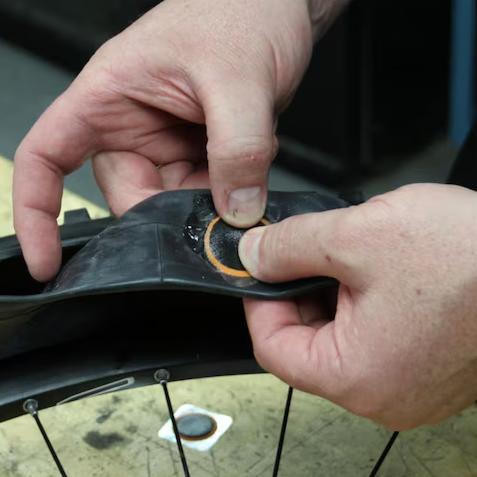


You can permanently fix most punctures in the tread area. The industry-standard repair method is a professional tire repair using radial repair patches. This process restores your tire’s complete structural integrity for long-term reliability.
Note: Unlike a temporary plug that just fills the hole, a professional patch repair bonds to the tire’s inner liner. This creates a permanent, airtight seal, ensuring your safety on the road.
A correct repair allows your tire to safely achieve its maximum potential mileage.
Why Radial Repair Patches Are the Superior Tire Repair Solution
When you get a flat, you want a fix that lasts. Many drivers consider a simple plug, but this temporary solution falls short of a professional repair. Radial tire repair patches offer a complete and permanent solution that protects your investment and your safety. Let’s explore why this professional repair method is the only one you should trust.
Restoring Structural Integrity vs. Plugging a Hole
A tire is a complex structure of rubber, steel, and fabric layers. A puncture damages all of these layers.
A temporary tire plug only fills the puncture channel from the outside. It acts like a cork in a bottle. The plug does not bond with the tire’s inner liner. It fails to restore the strength of the damaged steel belts and internal structure. Over time, the plug can loosen, shift, or fail, leaving your tire vulnerable.
A professional tire repair, however, addresses the damage from two directions. The technician installs a combination unit. This single piece has a stem that fills the puncture path and a patch that seals the inner liner. This process restores the tire’s original strength. The repair becomes a permanent part of the tire, ensuring it can handle the forces of driving.
Preventing Costly Secondary Damage
An improper repair does more than just risk another flat. It creates a pathway for moisture, air, and dirt to enter the tire’s internal structure. This contamination slowly destroys your tire from the inside out. You may not see the damage until it is too late.
Alert: An unsealed puncture allows contaminants to seep between the tire’s layers. This can lead to severe internal deterioration and weaken the bonds between the rubber and steel belts.
This hidden damage can cause several serious and expensive problems:
- Rusting of steel belts: Moisture and road salt cause the internal steel belts to corrode and weaken.
- Debris intrusion: Small rocks and dirt can work their way between the tire’s internal layers, causing them to separate.
- Weakening of bonds: Corrosion breaks down the crucial bonds holding the rubber and wire layers together.
- Tread separation: Ultimately, this internal decay can cause the tread to separate from the tire body, a highly dangerous event at any speed.
A proper tire repair prevents these issues by completely sealing the puncture path from the inside and out.
Creating a Permanent, Airtight Seal
The main goal of any tire repair is to stop air from leaking. A plug alone cannot guarantee a permanent, airtight seal against the tire’s flexible inner liner. Likewise, a patch alone leaves the puncture hole open to contamination from the outside.
Industry best practices make it clear: a true repair must do both jobs. The technician must fill the injury and seal the inner liner. This is where radial repair patches excel. The repair process uses a special chemical vulcanizing cement. This cement creates a chemical reaction that fuses the patch to the tire’s rubber. The patch and tire become one solid piece of rubber.
This vulcanization process creates a powerful, permanent, and airtight seal that a simple plug cannot match. This superior repair method ensures your tire holds air reliably for the rest of its service life. It is the only way to confidently return a punctured tire to service while ensuring long-term safety and performance.
The Anatomy of a Successful Radial Tire Patch Repair
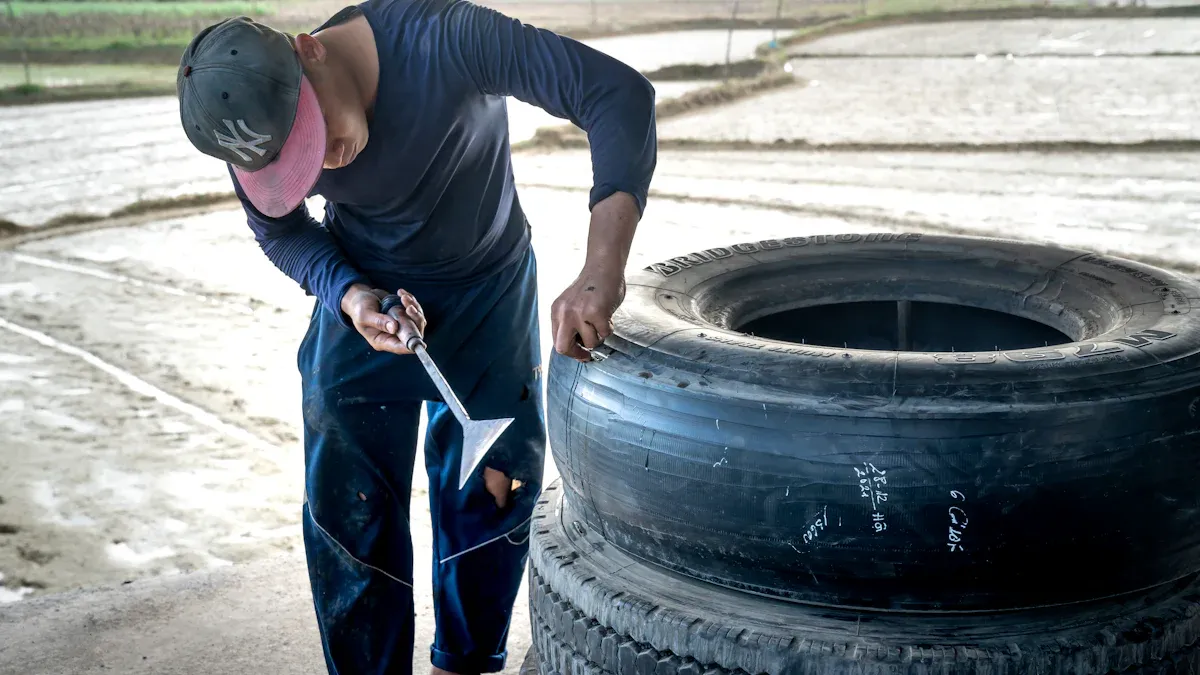
A professional tire repair is a precise, multi-step process. It goes far beyond simply plugging a hole. Technicians follow strict industry guidelines to ensure your tire is safe and reliable for the road ahead. Understanding these steps helps you see why this repair method is the only one you should trust for a punctured tire. A successful radial tire patch repair restores your tire to its full potential.
Step 1: Professional Inspection and Preparation
Before any repair begins, a trained technician must first determine if your tire is even a candidate for repair. The tire is removed from the wheel for a thorough inspection of both the inside and outside. This step is critical for your safety.
According to the U.S. Tire Manufacturers Association (USTMA), a technician will check for several key factors:
- Puncture Size: The damage must be no larger than 1/4 inch (6mm) in diameter.
- Location: The puncture must be in the tire’s tread area. Sidewall or shoulder punctures cannot be safely repaired.
- Tread Depth: The tire must have at least 2/32nds of an inch of tread remaining. A worn-out tire should be replaced, not repaired.
- Prior Repairs: A tire with an existing improper repair, or one where a new repair would overlap an old one, must be scrapped.
If your tire passes inspection, the technician begins preparing the puncture site. This is not a simple task. It requires specialized tools to do the job correctly. The technician uses tools like low-speed air buffers, nail hole reamers, and specific buffing wheels to clean and texture the inner liner. This careful preparation creates a perfect surface for the patch to bond to.
Step 2: Using a Patch-Plug Combination Unit
The industry standard for a permanent tire repair is a patch-plug combination unit. This single-piece unit addresses the puncture from both the inside and the outside. It is the only way to restore the tire’s structural integrity and create a permanent, airtight seal.
A plug by itself is not a complete repair. A patch by itself is also not a complete repair. Industry standards require a combination unit that fills the puncture channel and seals the inner liner.
Here’s why this two-in-one approach is superior:
- Fills the Injury: The “plug” or stem portion of the unit completely fills the hole. This prevents moisture and debris from entering the tire’s steel belts and causing corrosion or separation down the road.
- Seals the Liner: The “patch” portion bonds to the tire’s inner liner. This creates a large, airtight seal from the inside, preventing any air from escaping.
Using an integrated unit ensures these two critical functions happen in one step. This reduces the chance of failure and provides a more consistent and reliable seal compared to using separate pieces. This is the safest and most effective way to handle a puncture.
Step 3: The Chemical Vulcanization Bond
The final step is what makes radial repair patches a truly permanent solution. The technician applies a special chemical vulcanizing cement to the prepared area on the inner liner. Then, they firmly apply the patch-plug unit. This is where the magic happens.
The cement triggers a chemical reaction called vulcanization. This process creates new, powerful cross-links between the molecules of the patch and the molecules of your tire. In simple terms, the patch and the tire fuse together to become a single, solid piece of rubber.
This chemical bond offers several key advantages:
- It improves the tire’s elasticity and strength in the repaired area.
- It increases resistance to heat and wear.
- It creates a permanent, waterproof seal that will not degrade over time.
Technicians control factors like temperature to ensure the strongest possible bond forms. The result is a seamless repair that restores the tire’s ability to hold air and perform safely for the rest of its service life.
Choosing Quality Components for a Lasting Repair
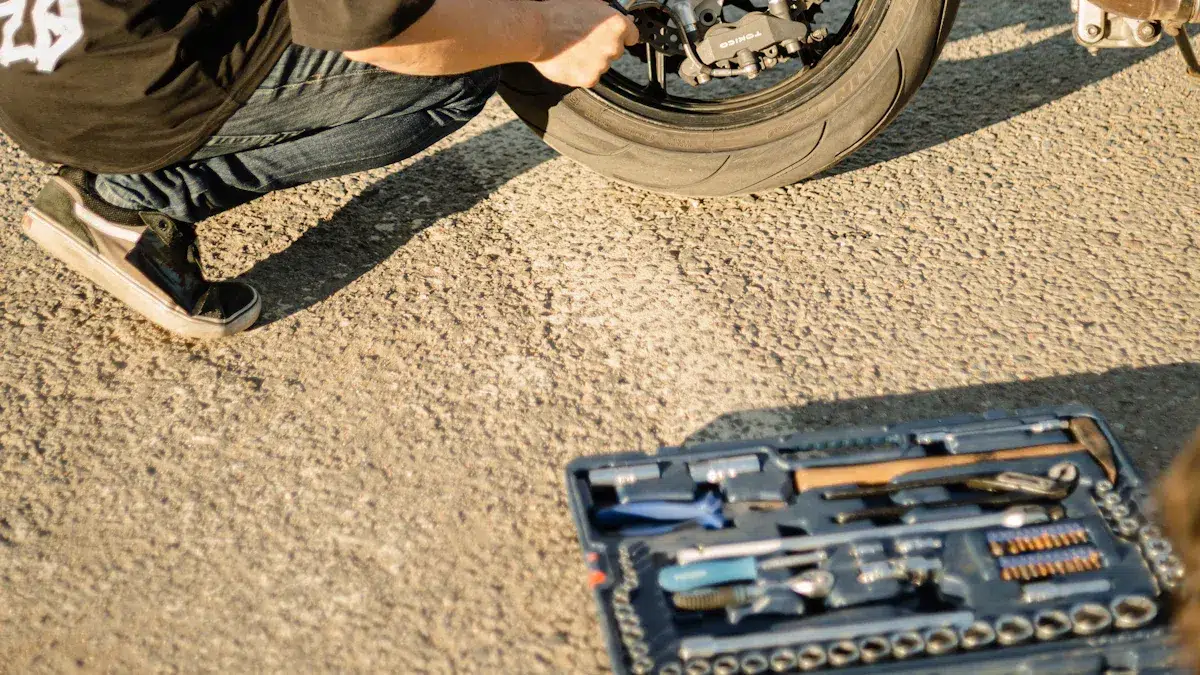
A successful tire repair depends heavily on the quality of the materials used. The patch, the cement, and the manufacturer all play a crucial role in ensuring your repair is safe and permanent. Using inferior components can lead to repair failure and put you at risk on the road.
The Role of High-Quality Patches
Not all patches are created equal. High-quality tire patches are complex, multi-layered components engineered to match the construction of a modern radial tire. They must be strong enough to restore structural integrity yet flexible enough to handle the constant flexing of the tire.
A quality patch is designed with specific materials to ensure it performs correctly. These often include:
- A special rubber compound and resilient polyester fibers for strength and flexibility.
- A strong fabric ply that replaces the structural integrity of the tire’s steel belts.
- A chemical vulcanizing gum layer that bonds permanently to the tire’s inner liner.
These reinforcement layers, often made of polyester fiber cord, are critical. They help improve the tire’s high-speed steering stability and durability, ensuring the repaired area performs just like the rest of the tire.
Why Professional-Grade Cement Matters
The best patch in the world will fail without the right adhesive. Professional-grade vulcanizing cement is not just glue; it is a chemical agent. When you apply it, the cement triggers a reaction that fuses the patch to the tire’s inner liner. This creates a single, seamless piece of rubber. Using the correct cement ensures the bond is permanent, airtight, and resistant to heat and moisture, which is essential for a lasting tire repair.
SUNSOUL: A Standard for Reliability
When choosing components, the manufacturer’s reputation matters. SUNSOUL is a leading manufacturer trusted in over 60 countries for its dependable radial repair patches. Producing over two million patches monthly, the company provides end-to-end solutions from research to after-sales support. Their products are known for strong adhesion and leak-proof sealing.
You can trust their commitment to safety and quality, as their products meet strict international standards.
- ISO 9001 certified manufacturing
- DOT compliant for road safety
- CE marked for European markets
Choosing a brand like SUNSOUL gives you confidence that your repair is built with reliable, industry-approved components.
The Long-Term Value of Professional Radial Tire Repair
Choosing a professional radial patch repair is an investment in your tire’s future. This repair method offers significant long-term benefits for your wallet, your car’s performance, and your safety on the road. You get more than just a quick fix; you get a solution built to last.
Cost-Effectiveness Over Premature Replacement
A puncture does not always mean you need a new tire. A professional tire repair saves you money by extending the life of your current tire. Replacing a single mid-range tire can cost over $150, while a proper patch repair is much more affordable. This approach provides long-lasting results without the high cost of a brand-new tire.
Cost at a Glance: Repair vs. Replace A professional patch is a permanent solution that is far cheaper than buying a new tire.
Service Typical Cost (USD) Description Professional Patch $20 – $50 A permanent fix where a technician removes and inspects the tire, applies a patch-plug combo, and rebalances the wheel. Temporary Plug $5 – $50 A temporary fix, often done without removing the tire. It is not a complete repair.
Maintaining Your Tire’s Performance Ratings
Your tires directly affect your car’s handling and fuel economy. A professional repair helps maintain your tire’s original characteristics. The process ensures your tire is correctly balanced and inflated to the manufacturer’s recommended pressure.
Properly maintained tires deliver several key benefits:
- Better Fuel Efficiency: Correct inflation can improve your gas mileage by up to 3%.
- Smoother Handling: A balanced tire prevents vibrations and ensures your car drives smoothly.
- Even Tread Wear: Proper alignment and balance prevent uneven wear, helping your tires last longer.
This attention to detail ensures reliable performance for the rest of the tire’s service life.
Ensuring Long-Term Road Safety
Your safety is the most important reason to choose a professional repair. Temporary plugs can fail at high speeds, increasing your risk of a dangerous blowout. An improper repair can also allow moisture to seep into the tire, causing the internal steel belts to rust and weaken over time. This hidden damage compromises the tire’s structure.
A professional patch repair restores the tire’s integrity, giving you peace of mind. This process is the only industry-approved way to guarantee safety and durability after a puncture. It ensures your tire can handle the stresses of daily driving and keeps you safe on the road.
Choosing radial repair patches is an investment in your tire’s full service life, not just a temporary fix. This professional repair method allows your tire to last for its original intended lifespan, potentially adding another 7 to 10 years of use. Opting for this solution ensures long-term safety and durability.
Quick Guide: Patch vs. Plug Here is a final comparison to help you make the safest choice for your vehicle.
Feature Tire Patch (Professional) Tire Plug (Temporary) Durability Permanent; seals the tire from the inside. Temporary; only fills the puncture channel. Safety High; restores the tire’s structural integrity. Low; not a complete repair, can fail. Longevity Designed to last the life of the tire. Intended for short-term, emergency use. Inspection Allows for a full internal tire inspection. No internal inspection is possible. Recommendation Industry-standard permanent repair. Not recommended as a permanent solution.
FAQ
Can I drive long distances on a temporary plug?
You should only use a temporary plug in an emergency to reach a repair shop. It is not a permanent solution. Driving long distances or at high speeds on a plug is unsafe. The plug can fail without warning and cause a blowout.
Why can’t you repair a tire’s sidewall?
The sidewall constantly flexes and lacks the steel belt structure found in the tread area. A patch cannot safely bond to this flexible surface. Repairing a sidewall puncture is extremely dangerous and against all industry safety standards. You must replace the tire.
How long does a professional patch repair last?
A correctly installed radial patch repair is a permanent solution. The repair becomes part of the tire through chemical vulcanization. You can expect the patch to last for the entire remaining service life of your tire, allowing it to reach its maximum mileage.
Is it safe to repair a run-flat tire?
Repairing a run-flat tire depends on the manufacturer’s guidelines. Some allow one repair if the tire was not driven on while deflated.
Important: A technician must always perform a thorough internal inspection. Hidden damage from driving with low pressure can make a repair unsafe.