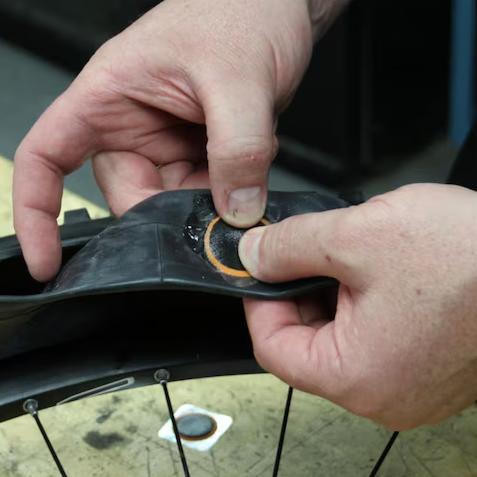


A puncture compromises your tire’s structural integrity. You need a quality tire patch to correctly restore the tire and prevent catastrophic failure. Ignoring a damaged tire puts your entire operation at risk. Your fleet’s safety is paramount.
According to the Federal Motor Carrier Safety Administration (FMCSA), tire failure contributes to an average of 8,000 large truck crashes in the U.S. each year.
A professional repair using a quality patch-plug system, like those from SUNSOUL, is a critical safety procedure. This permanent tire patch creates an airtight seal, protecting your drivers and business. Properly applied heavy truck tire patches are not just repairs; they are essential for keeping your fleet on the road safely.
The Direct Link Between a Quality Tire Patch and On-Road Safety
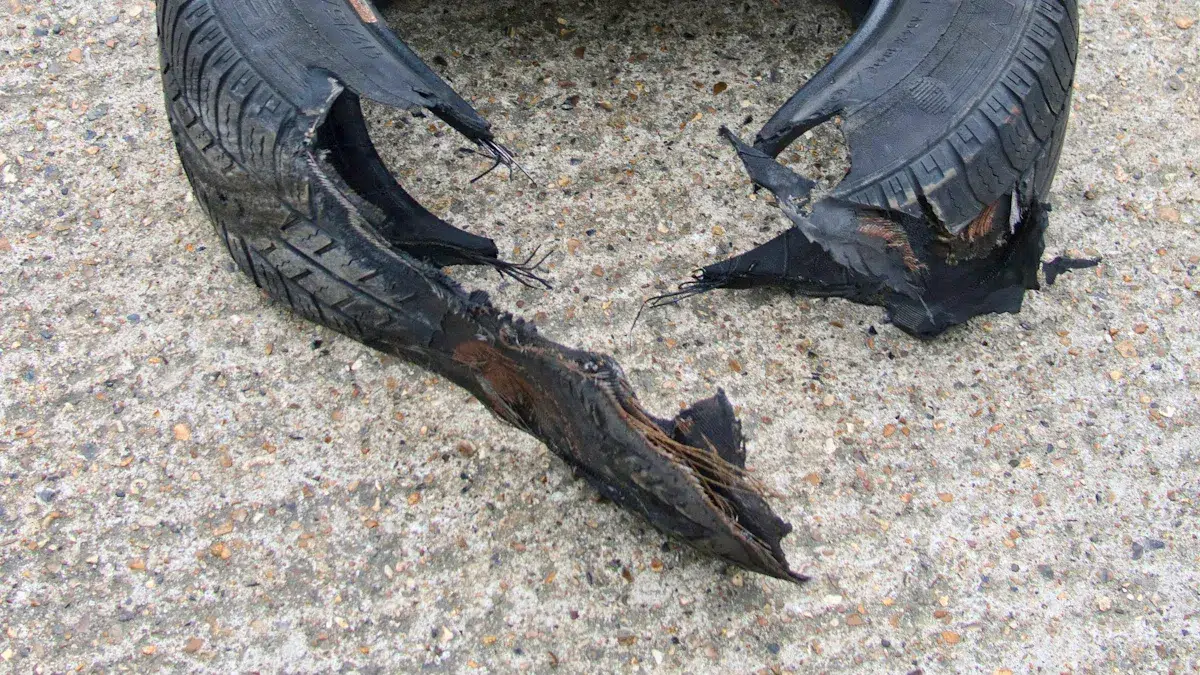
You understand that a single tire failure can have devastating consequences. The connection between a quality repair and your fleet’s road safety is not just a guideline; it is a fundamental principle of responsible operation. A professional repair does more than fix a hole. It restores the tire’s ability to perform safely under the immense stress of heavy hauling.
Preventing Catastrophic Blowouts with a Permanent Seal
A catastrophic blowout often happens without warning, leading to a sudden loss of vehicle control. Many factors can cause a tire to fail, putting your driver and the public at risk. You can prevent many of these incidents with proper maintenance and high-quality repairs.
Common causes of tire blowouts include:
- Under-inflation or over-inflation of the tire.
- Carrying overloaded or improperly balanced cargo.
- Failure to replace a tire that is clearly worn or damaged.
- Using mismatched tires on the same axle.
When a puncture occurs, you face a critical choice. A temporary plug might seem like a quick fix, but it does not provide a permanent, safe solution. Air can still leak around the edges of a plug, and it can work its way out over time. This slow leak compromises the tire’s structure and increases the risk of failure.
A quality tire patch, on the other hand, creates a permanent, airtight seal from the inside. Technicians bond the patch to the tire’s inner liner. This process creates a new, durable surface that completely stops air loss. A professional tire patch is designed to last for the life of the tire, ensuring long-term safety and reliability. For example, high-quality sealants and patches are engineered to permanently seal punctures up to ½ inch or even ¾ inch in heavy-duty truck tires. This robust repair restores the tire’s integrity and is essential for road safety.
Maintaining Vehicle Stability Under Heavy Loads
Your heavy trucks operate under extreme conditions. A fully loaded semi-truck tire can exert over 4,000 pounds of pressure on the road. This immense force demands that every tire on your vehicle is structurally sound. A weak point in even one tire can jeopardize the stability of the entire rig.
An improper repair, such as a plug-only fix, creates a structural weakness. This weak spot cannot properly support the vehicle’s massive weight. The load becomes unevenly distributed across the other tires. This imbalance affects your truck’s handling, braking, and steering. In an emergency, your driver may find it difficult to control the vehicle, leading to a dangerous situation.
A professionally installed tire patch restores the tire’s original strength. This ensures the tire can handle its share of the load correctly. By using heavy truck tire patches, you maintain the vehicle’s designed stability and handling characteristics. This commitment to quality repairs is a direct investment in the safety of your driver, your cargo, and everyone else on the road. Your fleet’s performance depends on the integrity of every single tire.
Maximizing ROI: The Financial Case for Heavy Truck Tire Patches
Beyond safety, your choice of tire repair method directly impacts your fleet’s bottom line. Investing in high-quality heavy truck tire patches is not an expense; it is a strategic decision that delivers a significant return on investment (ROI). You can turn a potential loss into a long-term financial gain by focusing on proper repair procedures.
Extending Tire Lifespan to Reduce Replacement Costs
Every time you replace a tire prematurely, you lose money. A quality tire patch allows a damaged tire to safely complete its intended service life. When a technician applies a professional tire patch, they restore the structural integrity of the tire casing. This means the tire can continue to perform reliably, delaying the need for a costly replacement.
A case study involving Al Shawamikh Oil Services highlights the power of a comprehensive tire management system. By improving their maintenance practices, which include effective repairs, they increased the average lifespan of their tires by 20%. This led to a 15% overall reduction in tire-related costs. Your fleet can achieve similar savings by prioritizing quality repairs that preserve your tire assets.
Using a superior tire patch, like those from SUNSOUL, ensures the repair is permanent and dependable. These patches are known for their strong adhesion and durability, preventing the repair from failing and forcing you to discard an otherwise good tire.
Minimizing Costly Downtime with Efficient Repairs
Unplanned downtime is one of the biggest profit killers in the trucking industry. Every minute a truck sits idle on the roadside, your business is losing money. The costs add up quickly.
- A single hour of downtime can cost your operation nearly $100 in lost opportunity.
- Daily downtime costs for a single vehicle can range from $448 to $760.
- You may also face detention fees of $50 to $100 per hour for late deliveries.
You might think a quick plug is the fastest way to get moving, but a professional repair is just as efficient. A trained technician can perform a proper patch-plug repair on-site, getting your driver back on the road without a lengthy delay.
| Repair Type | Estimated Time (minutes) |
|---|---|
| Roadside patch (inside patch or patch-plug) | 15–30 |
| Professional roadside change (on-site wheel swap) | 15–30 |
Fleets that implement standardized repair programs see significant improvements in uptime. By equipping mobile service units with reliable components like SUNSOUL patches and mandating correct procedures, you ensure repairs are done right the first time. This reduces repeat failures, minimizes tows, and keeps your schedule on track, directly boosting your fleet’s reliability and profitability.
Improving Fuel Economy Through Proper Tire Integrity
Fuel is a top operating expense for any fleet. A simple puncture can have a surprising impact on your fuel budget. When a tire loses air, its rolling resistance increases. This forces the engine to work harder to move the truck, burning more fuel with every mile.
A slow leak from an improper repair means the tire is constantly underinflated, wasting fuel day after day. A professional tire patch creates a permanent, airtight seal. This seal ensures the tire maintains its correct pressure. Properly inflated tires reduce rolling resistance, allowing your engine to operate more efficiently. By insisting on a quality repair for every puncture, you are actively managing your fuel consumption and lowering your operational costs.
The Non-Negotiable Standard: Professional Repair vs. Temporary Fixes
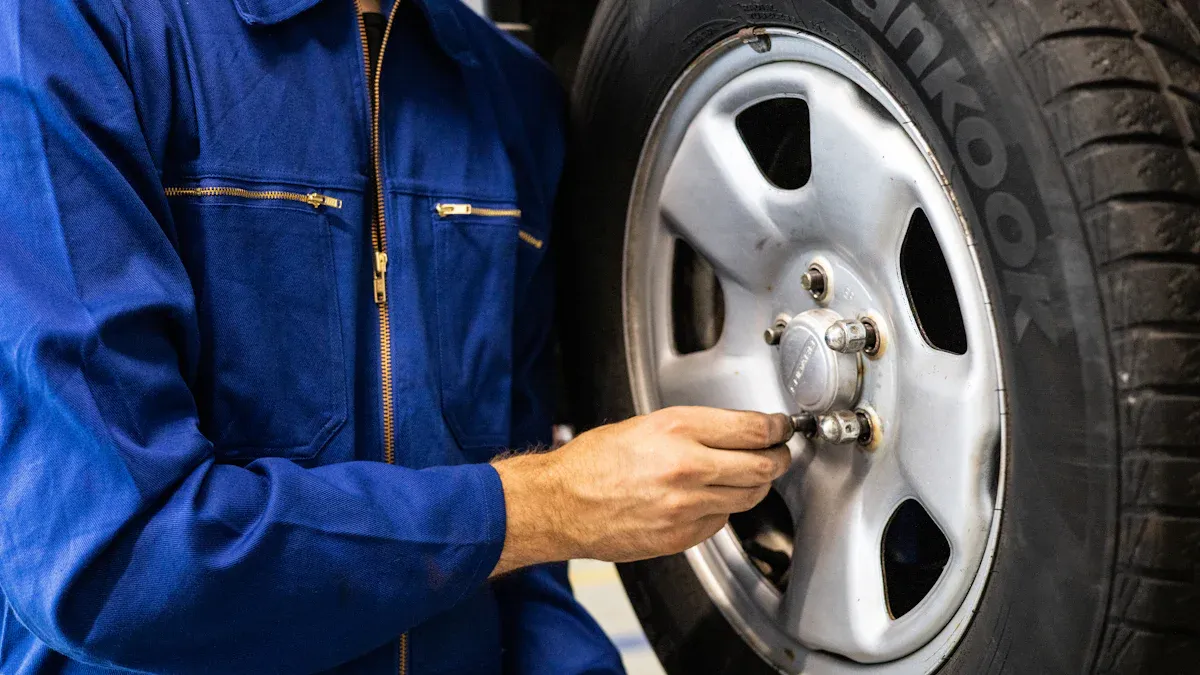
When a tire is punctured, you must choose between a quick fix and a correct repair. For your fleet, only one option ensures safety and compliance. Understanding the difference is critical to protecting your drivers, your assets, and the public.
Why a Plug-Only Repair is Unsafe for Heavy Trucks
You might be tempted to use a plug-only repair to get a truck back on the road quickly. However, this method is dangerously inadequate for commercial vehicles. A plug simply fills the hole. It does not seal the tire’s inner liner, which is essential for maintaining structural integrity.
This failure creates severe risks:
- Air and moisture can seep into the tire’s body, corroding the internal steel belts.
- This internal decay weakens the tire structure, dramatically increasing the risk of tread separation and a catastrophic blowout.
- You cannot inspect the inside of the tire for hidden damage that would require scrapping it.
The National Highway Traffic Safety Administration (NHTSA) does not endorse plug-only repairs for these reasons. Using them can also expose your company to significant legal liability. If an improper repair leads to an accident, your company could be held negligent for failing to follow established safety standards.
The Patch-Plug Combination: The Industry Gold Standard
The only acceptable repair for a heavy truck tire is a two-piece patch-plug combination. Industry authorities like the Tire Industry Association mandate this method.
A rubber stem, or plug, must be applied to fill the puncture injury and a patch must be applied to seal the inner liner. (A plug alone is an unacceptable repair.)
This process creates a permanent, airtight seal. The plug fills the puncture channel to keep moisture out, while the quality tire patch is bonded to the inner liner, restoring the tire’s strength. Using a complete system with a quality tire patch, like those offered by SUNSOUL, ensures the repair is durable and safe for the remaining life of the tire. These heavy truck tire patches are designed to create a permanent bond, preventing future leaks and failures.
How to Verify a Correct and Safe Tire Repair
You must ensure your technicians or service providers follow the correct procedures. A proper tire patch repair is a detailed process.
A technician should perform these key steps:
- Remove the tire from the wheel for internal inspection.
- Clean the puncture channel and prepare the inner liner surface.
- Apply vulcanizing cement to the prepared area.
- Insert the patch-plug unit from inside the tire.
- Firmly stitch the tire patch down to create a permanent seal.
- Trim the excess stem on the outside of the tire.
After the repair, you should receive documentation that includes the date, vehicle ID, technician’s name, and a description of the corrective actions taken. This record proves a professional tire patch was applied, protecting your fleet and verifying compliance.
Quality Repairs as the Foundation for Successful Tire Retreading
Your tire casings are valuable assets. You can maximize their value through a smart tire retreading program. A quality repair is the first and most important step in this process. It determines whether a tire can have a second or third life, saving you significant money.
How a Proper Patch Preserves the Casing for Retreading
A successful tire retreading process depends entirely on the health of the tire casing. A professional repair using a quality tire patch is essential to preserve this integrity for future retreading.
A proper repair does more than fix a puncture. It prepares the tire for the stresses of retreading.
- It restores the structural strength of the tire.
- It prevents air and moisture from getting inside and weakening the internal steel belts.
- It ensures the tire casing remains strong enough for the vulcanization process during retreading.
You cannot save every tire. Major damage like large cuts, severe punctures, or excessive wear makes a casing unsuitable for retreading. This is why a correct initial repair is so critical. It protects your investment and keeps the tire eligible for cost-saving tire retreading.
The Role of SUNSOUL’s Reliable Patches in a Retread Program
A strong tire retreading program directly lowers your operating costs. Retreaded tires offer a powerful economic advantage over new ones. You can save up to 50% because the retreading process reuses the most expensive part of the tire: the casing.
| Feature | New Commercial Tire | Retreaded Tires |
|---|---|---|
| Average Cost | $250 to $600 | $150 to $300 |
| Value | Pays for a new casing | Replaces only the tread |
Your ability to achieve these savings starts with the initial repair. Using a reliable tire patch from a trusted manufacturer like SUNSOUL ensures the casing is perfectly sealed and structurally sound. This high-quality repair gives the tire the strength it needs to undergo the demanding retreading process. The result is high-quality retreads that perform safely and efficiently. These retreaded tires maintain fuel economy similar to new tires, extending the asset’s life and maximizing your return on investment. A successful tire retreading program built on excellent repairs keeps your fleet rolling for less.
Your investment in high-quality tire patches is a direct investment in safety. Using professional heavy truck tire patches from a trusted source like SUNSOUL ensures financial stability. Your profitability rides on every quality tire repair, as each tire must meet the highest safety standards.
Your Next Step: Implement a strict policy for every tire repair. Mandate a quality tire patch for every tire. This quality tire patch, along with other high-quality tire patches, guarantees safety and upholds the highest safety standards.
FAQ
What makes a patch-plug combo better than just a plug?
A plug only fills the puncture hole and can allow moisture to enter. A patch-plug combination seals the inner liner completely. This two-piece method stops air leaks and prevents internal corrosion of the steel belts, making it the only safe repair for your heavy trucks.
Can I use a quality patch on any tire puncture?
You can repair most punctures in the tire’s main tread area. According to the Tire Industry Association (TIA), the injury must be 3/8 inch or smaller. You cannot safely repair damage to the tire’s sidewall or shoulder, as this compromises its structural integrity.
How does a quality repair affect my tire retreading program?
A quality repair protects your tire casing for future use. Using a dependable patch from a manufacturer like SUNSOUL keeps the casing strong and airtight. This makes the tire eligible for retreading, which can cut your tire costs by up to 50% compared to buying new.
How long does a professional tire patch repair take?
A professional patch repair is highly efficient. A trained technician can correctly install a patch-plug unit in approximately 15 to 30 minutes. This quick process minimizes costly vehicle downtime while ensuring your driver gets back on the road safely.