
A flat tire from a puncture requires a dependable repair. A hot vulcanizing tire patch kit provides the most durable tire repair for a flat tire. The vulcanizing process uses heat and pressure to form a permanent bond, chemically fusing a new patch to the tire. This repair effectively “welds” the rubber, and the patch permanently seals the puncture. This method restores the tire’s original strength, making the tire safe again after a flat puncture. The tire becomes a single, seamless unit, ready for the road.
What is Hot Vulcanization? The Science of a Permanent Tire Repair
Hot vulcanization is a chemical process. It transforms a simple patch into an integral part of the tire. This method does not just cover a hole; it rebuilds the tire’s structure at a molecular level. The science behind this tire repair creates a truly permanent solution.
Defining the Chemical Bond in Rubber
A tire is made of long polymer chains. In its natural state, these chains slide past one another. This makes the rubber soft and less durable. The vulcanization process introduces strong connections between these chains. This chemical bonding creates a single, unified structure. A vulcanizing repair forges a permanent bond between the patch and the tire. This bond mimics the original strength of the tire, ensuring a reliable repair.
How Heat and Sulfur Forge an Unbreakable Seal
Heat and sulfur are the key agents in hot vulcanization. The process involves heating the rubber, patch, and a sulfur-based compound to high temperatures, often between 130–200°C.
Pro Tip: Heat acts as a catalyst. It provides the necessary energy for sulfur atoms to create chemical bridges, or cross-links, between the tire’s polymer chains. These links secure the patch permanently.
Initially, long polysulfidic bonds form. Heat then helps shorten and rearrange these links, creating an even stronger and more stable network within the tire. This makes the repair area incredibly resilient.
The Chemistry of Cross-Linking Explained
Cross-linking is the core of vulcanization. It is the process of linking one polymer chain to another. These links turn the separate, string-like molecules of the tire and patch into a single, three-dimensional net. This network structure is what gives a tire its strength and elasticity. A successful tire repair depends on creating a high density of these cross-links. The result is a seamless repair that restores the tire’s integrity, preventing leaks and making the tire safe for the road again.
Why a Hot Vulcanizing Patch is Superior for Puncture Repair
Choosing the right tire repair method is critical for safety and performance. When a flat tire suffers a puncture, drivers have several options. However, hot vulcanization stands out as the most robust and permanent solution. This process chemically bonds the patch to the tire, creating a seamless repair that restores the tire’s original integrity. Other methods often provide only a temporary fix for a flat.
Hot Vulcanizing vs. Cold Patches
The main difference between hot vulcanizing and cold patches lies in the bond’s nature and strength. A hot vulcanization repair forges a superior connection.
- Hot Vulcanizing Patches: This process uses heat and pressure. It creates a strong chemical bond that fuses the patch and tire together at a molecular level. This results in a durable, long-lasting repair.
- Cold Patches: This method uses chemical adhesives to form a bond. While effective for some applications, the bond is generally less reliable for long-term use. The quality of a cold patch repair can be affected by glue storage, dust, humidity, and operator skill.
Dynamic tests show a hot vulcanization repair is more durable over time, making it the preferred choice for a permanent fix.
Hot Vulcanizing vs. Tire Plugs
A tire plug is a common sight in emergency kits, but it is not a permanent tire repair solution. Plugs are designed to get a vehicle back on the road quickly after a flat tire. A hot vulcanizing repair, however, is designed to last for the remaining life of the tire. Laboratory tests show hot repairs have much higher tensile strength. They can withstand compressive forces of 1,500-3,000 PSI. In contrast, many cold patch repairs fail under 800 PSI.
Repair Longevity at a Glance A hot repair is a permanent solution, while a plug is a temporary fix.
| Repair Type | Expected Lifespan |
|---|---|
| Hot Vulcanized Repair | Permanent (Lasts the life of the tire) |
| Standard Tire Plug | Temporary (6 to 12 months) |
A Durability and Safety Comparison
Safety is the most important factor in any tire repair. Industry standards from organizations like the Tire Industry Association (TIA) exist for a reason. An improper repair, such as using only a plug, is unsafe. A plug alone does not seal the tire’s inner liner. A patch alone does not fill the puncture path. This can allow water to enter the tire, leading to corrosion of the steel belts and potential tire failure.
A proper puncture repair must fill the hole and seal the inside of the tire. The hot vulcanizing process achieves both, creating a single, solid unit. This comprehensive repair prevents future issues and ensures the tire is safe for the road. It addresses the puncture completely, restoring the tire’s strength and reliability.
How to Use a Hot Vulcanizing Tire Patch Kit: A Step-by-Step Guide

Using a hot vulcanizing tire patch kit is a precise process that creates a permanent bond. Unlike a temporary emergency fix, this method restores the tire’s structural integrity. Following each step carefully is essential for a safe and durable repair after a flat tire. The process of patching your tire correctly ensures the vehicle is ready for the road again.
Step 1: Preparing the Damaged Tire Surface
Proper surface preparation is the foundation of a successful repair. A clean, correctly textured surface allows the patch to create a perfect chemical bond with the tire. Skipping this stage can lead to repair failure. The first action is to locate and mark the puncture. A technician then inspects the entire tire for any hidden damage that could compromise its safety.
Essential Preparation Tools 🧰 A professional repair requires specific tools to prepare the area around the puncture:
- Low-Speed Buffer/Skiver
- Black Contour Cup – 60 Grit
- Scraper
With the right tools, the preparation follows a clear sequence:
- Remove Contaminants: An innerliner scraper removes materials like mold, lubricants, or balancing compounds from the inner surface of the tire.
- Buff the Area: A low-speed buffer with a 60-grit contour cup creates an even, roughened texture. This buffing extends just beyond the size of the patch.
- Clean the Surface: The technician removes all rubber dust from the buffed area. A clean surface is critical for maximum adhesion.
- Seal the Inner Liner: Applying an inner liner sealer restores the tire’s ability to hold air and completes the preparation for the patch.
Step 2: Applying Vulcanizing Solution and Patch
After preparing the surface, the next step involves applying the vulcanizing solution and the patch itself. The solution, often called vulcanizing cement, acts as a chemical agent that helps the patch fuse with the tire.
A technician applies a thin, even layer of the solution over the entire buffed area. The solution must dry completely, which is a critical part of the process. Once it is no longer tacky to the touch, the tire is ready for the patch. The technician then carefully removes the protective backing from the patch and centers it over the puncture. They press it down firmly from the center outward to remove any trapped air bubbles, ensuring full contact between the patch and the tire.
Step 3: Using the Clamp for Heat and Pressure
The final step activates the chemical bonding process. A vulcanizing clamp applies the necessary heat and pressure to fuse the patch to the tire. The technician positions the clamp directly over the patch, ensuring it covers the entire repair area.
Once secured, the clamp heats up, typically reaching temperatures between 130–200°C. This heat energizes the vulcanizing solution and the rubber compounds in the patch and tire. The pressure from the clamp forces the molecules together, allowing sulfur cross-links to form. This chemical reaction “welds” the patch to the tire, creating a single, seamless piece of rubber. This is not a quick fix for a roadside emergency; it is a permanent solution for a flat tire puncture. The curing time depends on the equipment and patch size, but the result is a strong, reliable repair that lasts the life of the tire.
Step 4: Curing and Final Inspection
After the vulcanizing clamp completes its heating cycle, the final phase begins. This stage ensures the repair is permanent and the tire is safe for the road. The curing and inspection process solidifies the chemical bond and verifies the integrity of the work.
The curing process allows the new chemical bonds to stabilize and strengthen. A technician removes the clamp and lets the repair area cool down naturally. This cooling period, typically lasting 10 to 20 minutes, is crucial. During this time, the cross-linked polymer network settles, giving the patch and the surrounding tire their final, durable characteristics. Rushing this step can compromise the strength of the repair.
Pro Tip: A proper cure ensures the repaired section of the tire has the same elasticity and resilience as the rest of the tire, preventing future failures at the repair site.
Once the tire has cooled completely, a thorough final inspection confirms the success of the repair. A professional technician follows a strict protocol to guarantee a perfect seal.
- Visual and Tactile Check: The technician first examines the patch. A successful bond appears seamless, with no lifted edges or air bubbles. They run a finger around the edge of the patch to feel for any imperfections that might indicate a weak seal.
- Leak Test: The technician inflates the tire to its recommended operating pressure. They then submerge the entire tire in a water tank. This is the most reliable way to check for leaks. The technician carefully watches the repair area for any escaping air bubbles, which would signal an incomplete seal. A successful repair shows no bubbles.
- Final Finishing: The technician trims any excess rubber from the patch for a clean, professional finish. This step ensures nothing interferes with the tire during operation.
- Reassembly and Balancing: Finally, the technician remounts the tire onto the wheel. They then balance the wheel and tire assembly. Balancing is essential because the patch adds a small amount of weight. An unbalanced tire can cause vibrations, uneven wear, and unsafe driving conditions. This final step in patching your tire makes the vehicle ready for the road.
Key Factors for Choosing Your Hot Vulcanizing Tire Patch Kit
Choosing the right hot vulcanizing tire patch kit is crucial for a successful repair. A good kit provides the tools and materials needed to fix a flat tire permanently. The right choice depends on the type of puncture, the vehicle, and the user’s skill level. A proper repair restores the tire to a safe condition after a flat.
Matching Patch Size to the Puncture
The size of the patch must match the size of the puncture. A patch that is too small will not create a secure seal. This can lead to a failed repair and another flat tire. Industry standards recommend the patch extends at least 1/2 inch beyond the damaged area in all directions. This overlap ensures the repair has enough surface area to bond securely to the tire. Always measure the puncture before selecting a patch. A larger patch provides a stronger, more reliable fix for the tire.
Clamp Type: Manual vs. Electric Vulcanizer
The clamp provides the heat and pressure for the vulcanizing process. There are two main types: manual and electric. Each has its own advantages for a tire repair.
| Clamp Type | Best For | Key Features |
|---|---|---|
| Manual | Field repairs, budget-conscious users | Lower cost, portable for an emergency, requires more skill to manage heat. |
| Electric | Workshops, consistent results | Automatic temperature control, provides even pressure, easier for beginners. |
An electric vulcanizer offers a more controlled repair. A manual clamp is a good option for an emergency toolkit.
Essential Tools and Solutions to Look For
A complete kit includes more than just a clamp and patches. A quality puncture repair requires several essential items. Look for a kit that contains the following components:
- Vulcanizing Cement: This chemical solution is necessary to create the strong bond between the patch and the tire.
- Low-Speed Buffer: This tool roughens the inner liner of the tire. A textured surface helps the patch adhere correctly.
- Innerliner Scraper: This tool cleans the repair area inside the tire. It removes dirt and mold lubricants.
- Assorted Patches: A good kit offers various patch sizes to handle different types of puncture damage.
These tools ensure you can perform every step of the process correctly. They are vital for a safe and permanent repair.
Assessing Your Vehicle’s Needs
A driver must assess the vehicle’s needs before choosing a repair kit. The right kit depends on the type of tire on the vehicle. A small car tire has different requirements than a large truck tire. The size, load capacity, and operating pressure of a tire all influence the repair process. A repair on a heavy-duty tire must withstand greater stress. Using the wrong kit can lead to a failed repair and another flat tire.
Different vehicles place unique demands on their tires. A passenger car tire operates at a lower pressure compared to a commercial truck tire. An agricultural tire has a thick construction to handle rough terrain. The table below shows how tire characteristics vary by vehicle type. This information helps in selecting the correct repair materials for a specific tire.
| Vehicle Type | Typical Tire Pressure (PSI) | Common Tire Construction | Repair Kit Focus |
|---|---|---|---|
| Passenger Car | 30–40 PSI | Radial, lower ply rating | Standard patches for small punctures |
| Commercial Truck | 80–110 PSI | Radial, high ply rating | Heavy-duty, reinforced patches |
| Agricultural | 15–30 PSI | Bias or Radial, very thick | Large, durable patches for rugged use |
Pro Tip: Always check the tire sidewall for specific information. The sidewall lists the tire size, load index, and maximum pressure. This data is essential for a safe and effective tire repair.
Understanding these differences is key. A kit designed for a passenger car tire will not be strong enough for a commercial truck tire. The patch may not hold, creating a dangerous situation. A flat tire on a large vehicle requires a robust solution. A proper repair restores the tire to its original strength. This ensures the tire can handle its intended load safely. Choosing the right kit is not just about fixing a puncture; it is about ensuring long-term safety and performance for that specific tire. An emergency fix is not a substitute for a proper, vehicle-specific tire repair.
Why SUNSOUL is a Top Choice for Your Next Flat Tire Repair
When a flat tire needs a permanent fix, professionals turn to trusted brands. SUNSOUL stands out as a leading manufacturer of tire repair solutions. The company provides high-quality kits that ensure a safe and durable repair for any flat tire. Their commitment to excellence makes them a top choice for fixing a flat.
The SUNSOUL Advantage: Quality and Reliability
SUNSOUL builds its reputation on quality and reliability. Every product, from a single patch to a complete kit, meets ‘International Standard Quality’. This commitment gives users confidence in every tire repair. The company’s strict manufacturing process ensures each component performs flawlessly. This focus on quality guarantees a smooth and hassle-free repair, restoring the tire to its original strength. A SUNSOUL repair makes the tire safe for the road.
High-Adhesion Patches for a Leak-Proof Seal
A successful tire repair depends on the quality of the patch. SUNSOUL designs its patches for maximum adhesion and a leak-proof seal. The company uses specific materials to create a superior patch for any tire.
Key Patch Materials for a Stronger Tire:
- High-Quality Natural Rubber: Provides excellent durability and elasticity for the tire.
- Brown or Blue Vulcanizing Gum: Forms a powerful chemical bond during the repair process.
- Butyl Rubber: Offers superior airtightness to keep the tire properly inflated.
- Polyester Fabric: Reinforces the patch for added strength in high-stress areas of the tire.
These materials work together to create a permanent bond. This bond makes the repaired tire as strong as a new one.
Global Trust and Professional-Grade Solutions
Technicians in over 60 countries trust SUNSOUL for their tire needs. This global trust comes from the company’s dedication to professional-grade standards. SUNSOUL’s administration system follows ISO 9001:2015. Their products have also passed numerous international certifications.
- Quality Verification: Verified by TUV and SOC.
- Safety & Environmental Compliance: Meets CE, ROHS, REACH, and DOT standards.
These certifications show that SUNSOUL products are safe, reliable, and environmentally responsible. Professionals choose SUNSOUL because they know each patch and solution will deliver a dependable repair for any flat. This makes the tire ready for any journey.
Top Hot Vulcanizing Tire Patch Kit Recommendations for 2025
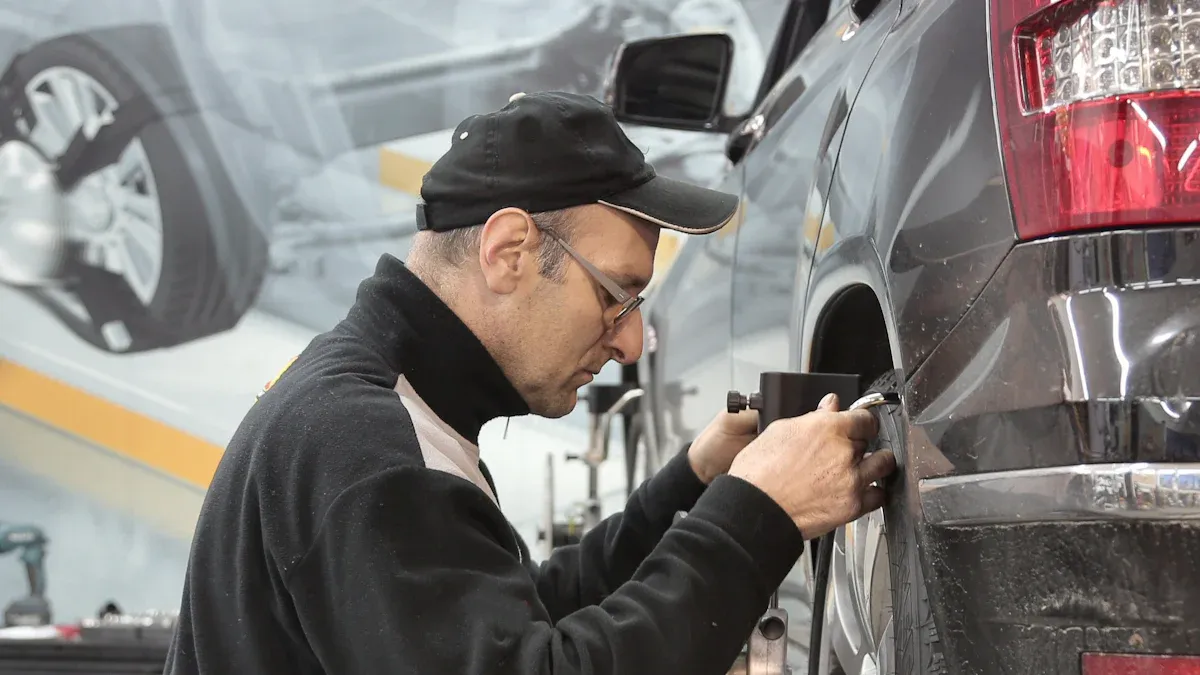
Selecting the right hot vulcanizing tire patch kit ensures a successful and safe repair. The best choice depends on the vehicle, the type of damage, and the user’s needs. For 2025, certain kits stand out for their quality, reliability, and value, providing permanent solutions for a flat tire.
Best Overall: SUNSOUL Car & Light Truck Kits
The SUNSOUL Car & Light Truck kit is the best overall choice for most drivers. It combines professional-grade quality with user-friendly design, making it ideal for a permanent tire repair. Users trust this kit for its consistent performance and durable results. Professional mechanics give SUNSOUL tire repair kits a 98% positive rating for their reliability.
The kit’s success comes from its high-quality components and thoughtful engineering.
- High-Adhesion Patches: SUNSOUL uses a special vulcanizing gum for a strong, leak-proof seal on any tire. The round shape of the patch helps prevent peeling over time.
- Durable Tools: The kit includes stainless steel tools that resist rust and wear, ensuring they are ready for any flat tire emergency.
- Global Trust: Drivers in over 60 countries rely on SUNSOUL for daily commutes and long journeys.
- Comprehensive Support: The company offers an 18-month warranty and lifetime maintenance consultation, showing confidence in its product.
Customers praise the SUNSOUL kit for its ‘excellent quality and comprehensive’ nature. Many users describe it as a ‘must have in the car item’ that includes ‘everything needed to repair your basic tire puncture situation’. The components are considered ‘much better than what I’ve been using for the last 30 years!’.
This kit provides everything a driver needs to fix a flat correctly, restoring the tire to a safe and reliable condition.
Best Heavy-Duty: SUNSOUL Commercial & Agricultural Kits
For commercial trucks and agricultural vehicles, the SUNSOUL heavy-duty vulcanizer is the top recommendation. These vehicles operate under extreme stress, and their tires require a robust repair. SUNSOUL’s manual vulcanizing machine is built for this demanding environment. It is a portable yet powerful tool designed for larger tires.
The machine’s features make it perfect for heavy-duty applications.
- Durable Construction: The main body is made of steel for maximum durability.
- High-Temperature Curing: It operates at a temperature range of 150-180℃, ensuring a proper vulcanizing process for thick rubber.
- Wide Application: The machine can repair a tire from 145mm to 275mm, covering most car, truck, and inner tube sizes.
- Reliable Supply: SUNSOUL produces over 5,000 sets per month, guaranteeing a stable supply for commercial fleets and repair shops worldwide.
This heavy-duty solution provides a permanent fix for a flat on a large vehicle. It restores the tire’s strength, allowing it to handle heavy loads and rugged terrain safely.
Best Budget Option: Basic DIY Vulcanizing Kits
For cyclists or those needing a simple emergency fix, basic DIY vulcanizing kits offer an affordable option. While not a substitute for a professional hot vulcanizing tire patch kit for a car, these smaller kits are effective for their intended purpose. Professional bike mechanics often have preferred brands.
- Park Tool VP-1 Vulcanizing Patch Kit: Many riders consider this the best overall for durability on a bicycle tire.
- Rema Tip Top Touring Patch Kit: This is a pro-level system for cyclists who demand a reliable patch.
Bike mechanics who patch hundreds of tubes a year trust Rema for a few key reasons. They know the Rema patch and fluid work together to ensure a perfect, permanent seal every time. A repair done right the first time saves frustration later.
However, it is important to understand the limitations of cheaper, all-purpose DIY kits when considering them for a car tire. They are designed for temporary use and simple punctures.
| Feature | Budget-Friendly DIY Kits | Professional-Grade Options |
|---|---|---|
| Suitability | Occasional use, simple emergency fixes | Frequent use, all puncture types |
| Tools Included | Basic tools for minor fixes | Strong, comprehensive tools |
| Durability | Might not last long | Designed for permanent repair |
| Repair Type | Quick, temporary solutions | Thorough process for permanent fixes |
These budget kits can get a vehicle moving in an emergency, but a driver should seek a professional tire repair afterward to ensure long-term safety.
A hot vulcanizing tire patch kit creates the most reliable tire repair for a flat tire. This method forges a permanent bond, restoring the tire’s original structure. For maximum safety, choosing a quality kit from a trusted manufacturer like SUNSOUL is essential. A proper tire repair must follow industry standards to fix a puncture correctly. After a flat, a safe repair is critical for any tire.
Tire Safety Organization Guidelines for a Permanent Repair:
- A proper repair must fill the puncture with a plug and seal the inner liner of the tire with a patch.
- The puncture must be 1/4 inch or smaller and located only in the central tread area of the tire.
- A technician must inspect the tire internally for hidden damage.
Following the correct process ensures a successful tire repair, not just a temporary fix for a flat puncture.
FAQ
Can a hot vulcanized patch repair any tire damage?
A hot vulcanizing repair is for punctures in the tread area only. Industry safety standards state that sidewall damage requires a tire replacement. The puncture must also be 1/4 inch or smaller. This method cannot fix large gashes or cuts on the tire.
How long does a hot vulcanizing repair last?
A hot vulcanizing repair is a permanent solution. The process creates a chemical bond that restores the tire’s original strength. A properly completed repair will last for the remaining life of the tire, unlike temporary plugs that require replacement.
Is a hot vulcanizing repair safe for all vehicle types?
Yes, when a technician uses the correct kit. A passenger car tire needs a standard kit. A commercial truck or agricultural tire requires a heavy-duty kit, like those from SUNSOUL. Using the wrong patch size or clamp can lead to an unsafe repair.
Can a driver perform a hot vulcanizing repair on the roadside?
A hot vulcanizing repair is not a roadside fix. The process requires a controlled environment, specific tools like a buffer, and a power source for the clamp. It is a workshop procedure that ensures a permanent and safe result for the tire.
Pro Tip: A driver should use a temporary plug for a roadside emergency. They should then visit a professional shop for a permanent hot vulcanizing repair to ensure the tire is safe.