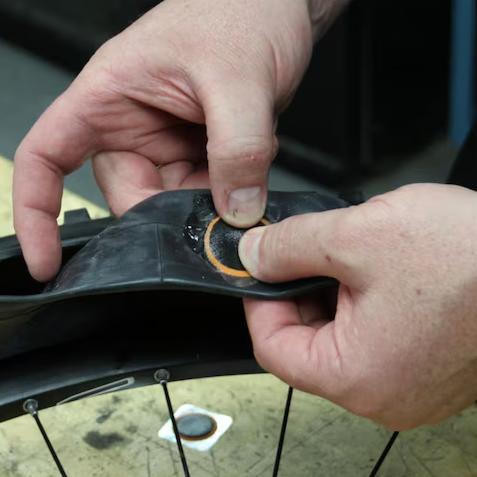


A rubber tire patch offers a permanent repair for a tire puncture. The repair process restores the original structure and integrity of the tire. This permanent solution is vital for driver safety on the road. A proper tire repair is critical for the life of any tire.
The National Highway Traffic Safety Administration (NHTSA) reports over 75,000 tire blowout incidents annually. These tire failures result in approximately 400 fatalities.
A quality patch creates a chemical bond with the tire. This makes the patch fundamentally different from a temporary plug. A plug only fills the puncture in the tire without restoring the tire’s strength.
The Science of a Permanent Bond: How a Rubber Tire Patch Works
A high-quality tire repair creates a permanent, seamless bond with the tire itself. This is not a simple mechanical plug. It is a sophisticated chemical process. The repair restores the tire’s original strength and ensures its reliability on the road. Understanding this science shows why a professional patch is the only true solution for a puncture.
The Chemical Magic of Vulcanization
Vulcanization is the core process behind a permanent tire repair. It transforms soft rubber into a durable, elastic material. This chemical reaction creates a powerful bond between the patch and the tire. The process uses a special vulcanizing cement to start the reaction. This cement is not just a simple glue. It is a complex mixture designed for a specific job.
- Material: Mixed Liquid
- Primary Component: Fast drying natural rubber cement
- Additional Components: Accelerators that speed up the vulcanization process
⚠️WARNING: Cancer and Reproductive Harm – www.P65Warnings.ca.gov”)
A technician applies the cement to the prepared puncture area inside the tire. Then, they apply the patch. The magic happens with the addition of heat and pressure. High temperatures, often 260°F (127°C) or more, cause the molecules of the patch and the tire to cross-link. This forms a new, unified rubber structure. The patch does not just stick to the tire; it becomes part of the tire. This permanent bond ensures an airtight seal and lasting durability for the repair.
Restoring Your Tire’s Structural Integrity
A puncture compromises the complex structure of a tire. A proper repair must do more than just seal the hole. It must restore the tire’s original integrity. The vulcanization process achieves this by making the patch an integral part of the tire’s inner liner. This reinforcement is critical for driver safety. Industry leaders like the US Tire Manufacturers Association (USTMA) provide strict guidelines to ensure every tire repair is safe.
A professional repair must follow these rules to maintain the tire’s structure:
- The puncture must be in the tread area and no larger than ¼ inch (6mm).
- Technicians should not repair damage to the tire’s shoulder or sidewall.
- A tire with a tread depth less than 2/32nds of an inch is worn out and should not receive a repair.
- The repair must use a combination of a plug and a patch to both fill and seal the puncture.
A correctly applied rubber tire patch also maintains the tire’s performance. The small, integrated patch does not upset the tire’s balance. This prevents vibrations or steering issues, especially at high speeds. The car drives smoothly because the repair has fully restored the tire’s integrity. This robust method ensures the tire performs as the manufacturer intended, making it the superior choice for any puncture.
The Definitive Guide to Patch Plug Tire Repair Methods
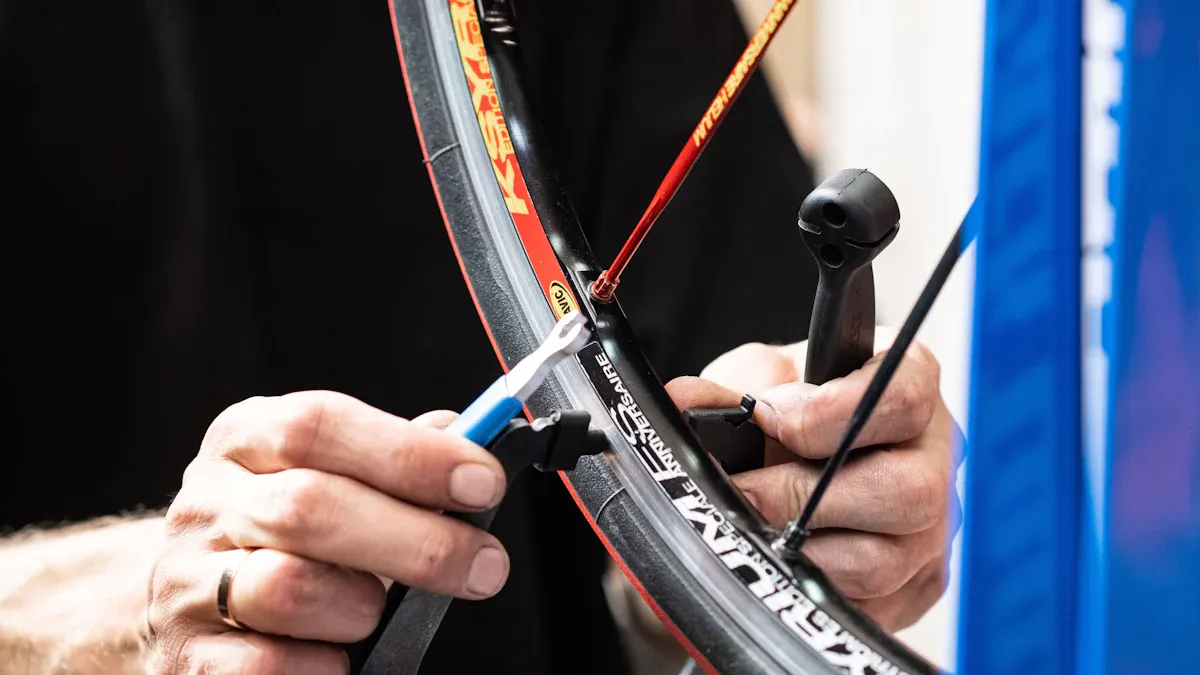
Drivers with a flat tire face a choice between different patch plug tire repair methods. Understanding these options is key to safety. One patch plug tire repair method offers a permanent solution. The other provides only a temporary fix. The right choice protects the driver and the vehicle. A proper patch plug tire repair restores the tire for its full service life. Choosing the wrong patch plug tire repair can lead to dangerous situations on the road.
The Patch: An Inside-Out Permanent Solution
The patch offers a permanent, inside-out repair. This tire repair method is the industry standard for a safe and lasting fix. A technician first removes the tire from the wheel. This allows for a complete inspection of the tire’s interior. The technician looks for hidden damage that is not visible from the outside. This step is critical for ensuring the tire is safe to repair.
A technician will only proceed with patching your tire if certain conditions are met. The puncture must be on the tire’s tread. It also needs to be at least 1/4 to 1/2 inch away from the sidewall. The puncture itself should generally be less than one inch in diameter. A professional will not repair large gashes, slices, or any damage to the tire’s sidewall. This careful process ensures the repair is safe and reliable. This patch plug tire repair is a permanent solution.
Note: A professional always combines an internal patch with a rubber plug or stem. This combination is the correct patch plug tire repair procedure. The patch seals the inner liner, and the plug fills the puncture channel. This dual action ensures a complete, airtight, and structural repair.
The Plug: A Temporary Outside-In Fix
A plug is a temporary, outside-in fix for a flat tire. This tire repair method involves forcing a sticky, rubbery plug into the puncture from the outside. The tire does not need to be removed from the wheel. This makes it a quick but incomplete repair for a flat tire. A plug is only meant to get you to a repair shop safely. It is not a permanent fix for a flat tire.
This tire repair method has significant drawbacks.
- The plug does not chemically bond with the tire. It can shrink, dry out, and work its way loose over time.
- The process does not involve an internal inspection. Hidden damage inside the tire remains undetected.
- The tool used to insert the plug can sometimes widen the puncture or damage the steel belts inside the tire.
Using a plug as a permanent repair is dangerous. It creates a weak spot in the tire. This can lead to sudden air loss or a blowout, especially at high speeds. The legal consequences for shops performing improper patch plug tire repair are severe. Courts have awarded millions of dollars in damages for accidents caused by failed plug-only repairs.
| Case Name | Year | Award | Outcome/Key Finding |
|---|---|---|---|
| Peterson V. Ress Enterprises | 1996 | $12.65 million | A driver was rendered quadriplegic due to a failed plug-only repair. |
| Chattelle v. Service Center | 2011 | $13.64 million | A repair shop was found liable for violating industry standards, leading to tire failure and severe injury. |
| Barber v. Dealership | 2011 | $14.5 million | A dealership was held liable for a fatal accident caused by an improper ‘patch-only’ repair outside the reparable area. |
These cases show the extreme danger of an incorrect patch plug tire repair. A temporary plug is not a substitute for a professional patch plug tire repair. A flat tire needs a permanent repair. A flat tire fixed with only a plug is not safe for long-term use.
What Makes a High-Quality Rubber Tire Patch?
Not all patches offer the same level of quality or safety. A superior rubber tire patch has specific design features. These features ensure a permanent and reliable repair. The construction of the patch is critical for restoring the tire’s strength and ensuring it performs correctly. A high-quality repair depends on a high-quality patch.
The Importance of Multi-Layered Construction
A top-tier patch is more than a simple piece of rubber. It features a sophisticated multi-layered construction. Each layer has a distinct purpose. This complex design allows the patch to bond chemically with the tire. The result is a seamless repair that becomes part of the tire itself. This method restores the original structure of the tire.
A quality patch is engineered with several key materials working together:
- Special Rubber Compounds: This material is designed to match the rubber of the tire. It helps the patch blend perfectly and create a strong bond.
- Activator Chemicals: These chemicals start the bonding process. They help create a powerful link between the patch and the tire.
- Reinforcement Layers: These strong layers are built into the patch. They add durability and prevent the repair from failing under pressure.
Reinforced Design for Lasting Strength
The forces acting on a tire are immense. A tire must handle constant flexing, high pressure, and heat. A proper tire repair must withstand these same forces. The reinforced design of a quality patch provides lasting strength for the repair. This reinforcement prevents the patch from stretching or weakening over time. It ensures the tire’s structural integrity remains intact. This strong structure is essential for safety. A durable repair gives the driver confidence that the tire is safe for the road. The tire can continue its service life without the risk of the repair failing.
The Professional Process for Repairing a Punctured Tire
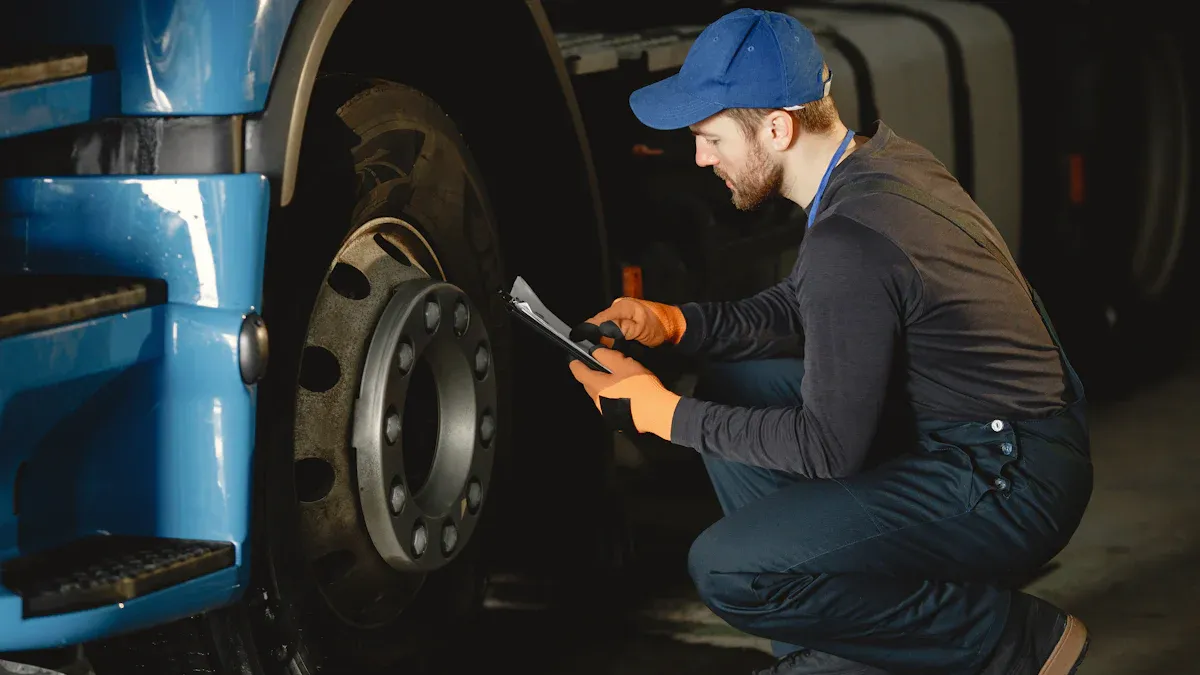
An excellent professional tire repair follows a strict, multi-step process. This procedure ensures the repair is safe, permanent, and restores the tire’s integrity. A technician cannot simply plug a hole and send a driver on their way. Each step, from initial inspection to the final curing, is critical for a successful and reliable repair of a flat tire. This methodical approach guarantees the punctured tire is safe for the road.
Step 1: Inspection and Meticulous Preparation
The first step in any professional tire repair is a thorough inspection. A technician must remove the flat tire from the wheel. This allows for a complete examination of both the inside and outside of the tire. The U.S. Tire Manufacturers Association (USTMA) provides clear guidelines for this process.
USTMA Inspection Rules for a Flat Tire:
- The puncture must be in the tread area.
- The puncture must be no larger than 1/4 inch.
- Damage to the shoulder or sidewall means the tire cannot be repaired.
- A repair cannot overlap a previous repair.
A technician inspects the flat tire for any hidden damage. After confirming the tire is repairable, meticulous preparation begins. The technician uses a special tool, like a tire inner liner scraper, to clean the area around the puncture inside the tire. This tool removes dirt and creates a smooth, clean surface. This preparation is essential for the patch to bond correctly. A clean surface ensures the vulcanizing cement can create a powerful chemical bond for the patch. This careful prep work is the foundation of a lasting repair for a flat tire.
Step 2: Application and the Curing Process
Once the inner liner is prepared, the technician applies the patch. This step requires precision and the right materials. The technician applies a thin, even layer of chemical vulcanizing fluid to the prepared area. This fluid is not glue; it is a chemical activator. It needs to dry for about 3-5 minutes before the patch is applied. This drying time is crucial for the chemical reaction to begin properly.
Next, the technician centers the patch over the puncture and presses it down firmly. They use a special tool to roll the patch from the center outwards. This action removes any trapped air bubbles and ensures full contact between the patch and the tire. This process is key to creating a seamless, airtight seal. The final stage is curing. While some heat is generated chemically, the vulcanizing process for a standard patch takes about 10-15 minutes to fully cure at room temperature. This curing time allows the patch to become a permanent part of the tire. Following this professional process for patching your tire ensures a safe and durable puncture repair for your flat tire.
Why Professionals Trust SUNSOUL for Tire Repair
Professionals choose their tools based on proven results. For tire repair, they need products that guarantee safety and durability. SUNSOUL has earned the trust of technicians worldwide by delivering exceptional quality. Their commitment to excellence makes them a leading choice for any tire repair job. A safe repair depends on a reliable product.
SUNSOUL’s Commitment to Quality and Reliability
SUNSOUL builds its reputation on a foundation of quality. Every tire patch they produce must meet strict standards. This ensures each repair is strong and permanent. The company performs many tests to guarantee the performance of each tire patch.
- Pressure tests
- Water immersion tests
- Durability simulations
This rigorous testing ensures every patch can handle real-world road conditions. SUNSOUL also holds numerous international certifications. These credentials prove their manufacturing process meets global safety and quality benchmarks. A technician using a SUNSOUL patch knows the tire repair is backed by certified quality.
Global Certifications for a Safer Tire:
- ISO 9001 certified manufacturing
- DOT compliant for road safety
- CE marked for European standards
- RoHS and REACH certified for material safety
A Global Leader in Tire Repair Solutions
SUNSOUL’s influence extends across the globe. The company is a leader in the tire repair industry. Their products are trusted in more than 60 countries. Technicians in South America, Europe, the USA, and Australia rely on SUNSOUL for a dependable tire repair. This widespread trust comes from the consistent performance of their products for every type of tire.
SUNSOUL produces over 2 million tire patches every month. This high capacity ensures a stable supply for professionals everywhere. A reliable supply chain is crucial for any busy repair shop.
Their global reach shows that professionals value SUNSOUL’s solutions. Whether for a car tire or a large truck tire, their patches provide a lasting repair. This makes SUNSOUL a true partner for any professional who needs to perform a safe and effective tire repair. The goal is always a perfect repair for the customer’s tire.
A rubber tire patch is the only professional method for a permanent repair. This process restores the tire’s original structure and integrity after a puncture. While a simple plug offers a temporary fix, a properly installed patch from a quality manufacturer like SUNSOUL provides a reliable, permanent solution for your tire.
Long-Term Reliability of a SUNSOUL Patch
- The tire repair is capable of lasting for many months.
- Many drivers use the repaired tire until its next scheduled replacement.
- The natural rubber patch adheres effectively to seal the puncture.
Choosing a professional tire repair for a punctured tire is the essential choice for safety. The small cost difference for a complete repair ensures the tire’s structure and integrity are fully restored. This permanent solution for a puncture on your tire provides true peace of mind.
| Repair Type | Typical Cost |
|---|---|
| Plugging Only | $10–$15 |
| Patch Only | $15–$25 |
| Plug-Patch Combo | $20–$30 |
FAQ
Can any flat tire be repaired?
No. A technician must inspect every flat tire. Damage to the tire’s sidewall means the tire needs replacement. A puncture larger than 1/4 inch also makes the tire unrepairable. The overall condition of the tire is critical. A worn tire is not a good candidate for repair. This tire is unsafe. Every tire has limits. A damaged tire is a risk. The tire must be sound. A bad tire is a hazard. This tire needs a check. The tire’s integrity matters. A good tire is key. A safe tire is vital. This tire is finished. The tire is not reparable. A new tire is the only option for this tire. The tire must be replaced. This tire is a liability. The tire cannot be fixed. The tire is done. The tire has failed.
How long does a permanent tire repair last?
A correct permanent repair should last for the remaining life of the tire. The process restores the tire’s original strength and structure. A driver can use the repaired tire with confidence until the tire tread wears out. This permanent solution ensures the tire performs as the manufacturer intended.
Is driving on a flat tire a bad idea? 🚗
Yes. Driving on a flat tire can destroy the tire’s internal structure. Even a short distance can damage the tire beyond repair. It is best to stop immediately and change to a spare tire. This action protects the tire from further harm, making a repair possible for the tire.
Why is a combination repair the best method for a flat tire?
A combination repair uses both a plug and a patch. The plug fills the puncture channel in the tire. The patch provides a permanent seal on the inside of the tire. This dual-action method is the industry standard for a safe and permanent repair of a flat tire. It fully restores the tire.