
A flat tire is a frequent problem for drivers.
- The United States records approximately 220 million flat tires annually.
- About 22% of drivers with a flat tire call for roadside assistance.
A rubber tire plug offers an effective temporary fix. The tire plug physically fills the puncture. It also chemically bonds to the tire. This dual action creates a durable seal. This seal must withstand immense tire pressure. A modern car tire holds significant tire pressure, often 30 to 35 PSI. This high tire pressure demands a reliable plug. The tire pressure inside the tire tests the seal’s strength. Maintaining this tire pressure is key for a safe drive.
The Science of the Seal: A Two-Part Process
A successful tire repair depends on a strong, airtight seal. This seal must handle the constant, immense tire pressure inside a moving tire. The repair process achieves this through two distinct but connected actions: creating a physical barrier and forming a chemical bond. Both are essential for a reliable fix.
The Physical Block: Material and Design
The first step in sealing a puncture is creating a physical block. The plug itself acts as this barrier. A high-quality plug is made from a specific material: unvulcanized butyl rubber. This material is chosen for its remarkable properties. It is incredibly effective at stopping air from escaping, which is vital for maintaining tire pressure.
Butyl rubber offers several key advantages:
- Excellent Gas Impermeability: It has an extremely low permeability to air, preventing leaks and helping the tire hold its tire pressure.
- High Flexibility: The material remains soft and pliable, even in very low temperatures. This allows it to conform perfectly to the irregular shape of a puncture.
- Chemical and Weather Resistance: It resists damage from UV rays, ozone, water, and common road chemicals, ensuring the plug does not degrade over time.
- Abrasion Resistance: The material is tough and can withstand the friction and stress of the road.
The design of the plug is also important. It is a thick, sticky string that a driver forces into the puncture. This tight fit creates the initial seal. The material’s softness allows it to fill every tiny crack inside the hole. This physical blockage alone significantly reduces air loss. It is the foundation that holds the tire pressure while the chemical bond forms. There are different types of tire plugs, but all rely on this principle of a strong physical barrier.
The Chemical Bond: Vulcanization in Action
The physical block is only half the solution. A truly durable seal requires a chemical bond. This is achieved through a process called vulcanization. When you insert a plug, the friction generates heat. This heat, combined with a special vulcanizing agent or cement, triggers a chemical reaction. This reaction permanently fuses the plug to the surrounding tire. The plug and the tire become one solid piece of rubber.
The vulcanizing agent is a critical component. It is not just a simple glue. It is a chemical cocktail designed to start the bonding process.
These cements often contain solvents like heptane. They also include catalysts and small amounts of rubber. The solvents clean the puncture channel and prepare the tire surface for bonding.
This chemical reaction creates strong cross-links between the molecules of the plug and the tire. Think of it like weaving two separate pieces of fabric together into a single, strong sheet. This bond is what gives the repair its strength. It ensures the plug will not be pushed out by the high tire pressure. Different types of tire plugs may use slightly different activators, but the goal is the same: to create a seamless, vulcanized seal. This powerful chemical bond is what allows a simple plug to withstand the extreme forces inside a tire and keep the tire pressure stable for a safe journey.
Anatomy of a High-Quality Rubber Tire Plug
Not all repair kits are the same. The quality of the components directly impacts the safety and reliability of the fix. A professional-grade rubber tire plug kit contains two essential parts: the unvulcanized rubber string and the vulcanizing cement. Each plays a specific, scientific role in sealing the puncture and maintaining tire pressure.
The Unvulcanized Butyl Rubber String
The main component of the repair is the stringy plug itself. Manufacturers make this string from a special, unvulcanized butyl rubber. This material has a unique consistency, much like chewing gum. Its natural tackiness is critical. This stickiness allows the plug to adhere instantly to the inside of the puncture channel. This creates a strong initial seal. This immediate bond is the first line of defense in stopping air loss and stabilizing the tire pressure.
The material’s flexibility allows it to fill every microscopic gap within the puncture. This complete physical block is essential for a successful repair. Different types of tire plugs exist, but high-quality versions all rely on this tacky, pliable rubber. It ensures the plug can hold the tire pressure from the moment of insertion, preparing the tire for the permanent chemical bond that follows. The plug must maintain this seal to keep the tire pressure constant.
The Role of Vulcanizing Cement
The second key component is the vulcanizing cement. This is not ordinary glue. It is a chemical accelerant that serves multiple functions. Its primary job is to clean the puncture path and trigger the vulcanization process. However, it also provides a vital protective barrier.
The cement creates an airtight seal around the repair. This action protects the tire’s internal steel and fabric layers from moisture and road contaminants. Without this protection, rust and decay could weaken the tire from the inside out.
This protective seal is crucial for the long-term health of the tire. It ensures the repair area remains clean and dry, allowing the plug to form a perfect bond. This bond must be strong enough to handle the immense tire pressure. All types of tire plugs benefit from this chemical assistance. The cement ensures the final repair is durable and leak-proof, capable of withstanding the forces exerted by the tire pressure while driving. The proper application helps the tire maintain its necessary tire pressure.
Why a Tire Plug is an Essential Roadside Solution

A flat tire often happens at the worst possible time. A quality tire plug kit provides a fast and practical solution to get a driver moving again. It empowers drivers to handle a common roadside emergency safely and efficiently.
An Immediate and Effective Temporary Repair
A key advantage of a tire plug is its speed. A driver can perform this temporary fix quickly, avoiding long waits for roadside assistance. This allows them to restore the tire pressure and get back on the road. The entire process is remarkably efficient.
A driver can typically complete the repair in a short amount of time:
- Patching a Puncture: 15-30 minutes.
This quick action is crucial. It allows a person to move their vehicle to a safer location or directly to a repair shop. The plug immediately seals the puncture, stopping air loss and helping the tire maintain its tire pressure. This makes it an invaluable tool for any driver’s emergency kit.
The Importance of a Temporary Tire Fix
Drivers must understand that a rubber tire plug is a temporary solution. While the plug effectively seals the tire to hold tire pressure, the tire itself still has a structural weakness. Driving on a plugged tire for an extended period carries significant risks.
Safety Note: A plug is for emergencies, not for long-term driving.
- A plugged tire has a structural failure that needs a permanent repair.
- The tire cannot handle the same stress, and manufacturers will not honor the tire’s speed rating after a plug.
- Over time, the original hole can grow, leading to greater loss of tire pressure.
- The plug itself can fail, causing the tire to lose air suddenly.
- An improper repair may also void the tire’s warranty.
The purpose of the plug is to make the vehicle drivable long enough to reach a professional. A technician can then properly inspect the tire and perform a permanent repair, ensuring the tire can safely hold its required tire pressure for future use.
The Limitations: When a Tire Plug Isn’t the Answer
A rubber tire plug is a powerful tool, but it is not a universal solution for every flat tire. Understanding its limitations is crucial for safety. Certain types of damage make a tire unrepairable, and attempting a fix can lead to a dangerous failure and a sudden loss of tire pressure.
Sidewall and Shoulder Punctures
The location of a puncture is the most important factor in determining if a repair is possible. A plug should never be used to fix damage on the tire’s sidewall or shoulder. The sidewall provides the tire with its structural integrity and stability. It constantly flexes and bends to absorb shocks and carry the vehicle’s load. This constant movement creates immense stress that a simple plug cannot withstand. A repair in this area would compromise the tire’s structure and likely fail, causing a rapid loss of tire pressure.
The tire shoulder is the critical area where the tread meets the sidewall. It manages heavy stress from the vehicle’s weight and cornering forces. A repair here is unsafe because the flexing action would quickly work the plug loose, destroying the seal and affecting the tire pressure.
Any damage to these flexible zones weakens the entire tire. A failed repair could lead to a blowout, making it a significant safety risk. The only safe option for a sidewall puncture is to replace the tire. Maintaining correct tire pressure is impossible with a compromised sidewall.
Puncture Size and Shape Limitations
The size and shape of the hole also dictate whether a repair is safe. A tire plug is designed specifically for small, straight-through holes in the tread area. Industry safety standards are very clear on this point.
According to organizations like the U.S. Tire Manufacturers Association (USTMA) and the Tire Industry Association (T.I.A.), a puncture must meet specific criteria to be considered repairable:
- The puncture diameter must not exceed 1/4 inch (6mm).
- The damage must be located within the tread area of the tire.
Holes larger than 1/4 inch are too big to guarantee a reliable seal that can hold the necessary tire pressure. Additionally, a plug is not effective for long cuts, gashes, or irregularly shaped damage. These types of damage sever the internal steel belts of the tire over a wider area, making a simple repair unsafe and unable to maintain tire pressure. A tire with such damage requires a professional inspection and will almost certainly need replacement to ensure it can hold the correct tire pressure.
The Professional Standard: From Plug to Patch-Plug
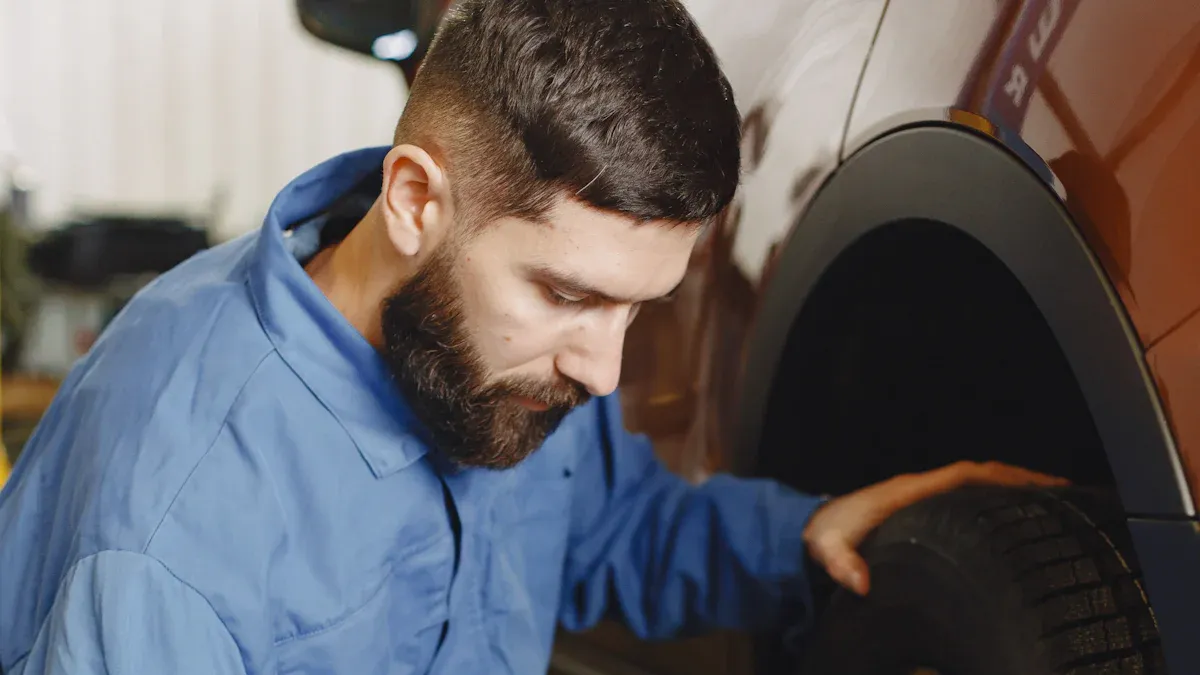
A roadside plug provides a temporary fix, but it is not the final solution. Professional service is necessary for safe, long-term repairs. Technicians use a more advanced method that involves inspecting the tire internally and applying a combination patch-plug. This process ensures the tire is safe and can hold the correct tire pressure.
Why Internal Inspection is Critical
A technician cannot see the full extent of damage from the outside. Removing the tire from the wheel is the only way to perform a complete inspection. This step is vital for safety. An object that punctures a tire can cause serious hidden damage.
A professional inspection can reveal critical issues:
- Internal Damage: Bulges or blisters on the sidewall often signal damage to the tire’s internal layers.
- Structural Weakness: A simple plug allows moisture to enter the tire. This can corrode the internal steel belts and weaken the tire’s structure.
- Sudden Failure: An uninspected puncture can lead to a blowout, especially at high speeds. A proper check prevents this risk and ensures the tire can maintain its tire pressure.
Without this internal check, a driver risks a sudden loss of tire pressure. A simple plug does not address these hidden dangers, making a professional repair essential for any punctured tire.
The Permanent Repair Process
Experts like Michelin and Goodyear agree that a proper repair must seal the tire from the inside out. This is why professionals use a patch-plug combination for long-term repairs. This method both fills the hole and seals the inner liner, restoring the tire’s ability to hold tire pressure safely. The process follows several precise steps.
- Remove and Evaluate: A technician removes the tire from the wheel to inspect the puncture and check for internal damage.
- Prepare the Surface: The technician cleans the puncture channel and buffs the inner liner to create a rough surface for bonding.
- Apply Vulcanizing Fluid: They apply a special fluid to the prepared areas to start a chemical bonding process.
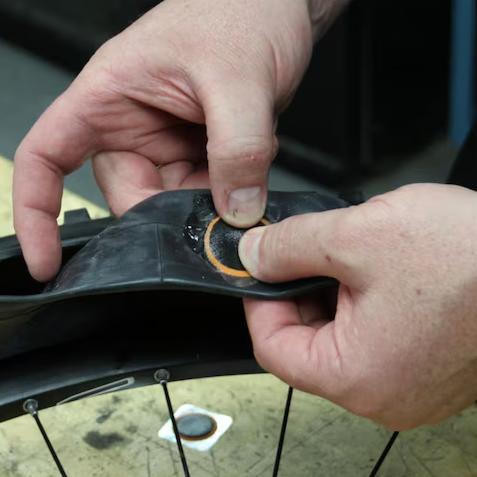
- Install the Unit: The technician inserts a combination patch-plug unit. The plug fills the hole, and the patch seals the inner liner.
- Finalize the Repair: The patch is stitched firmly to remove air bubbles. The technician then remounts and balances the tire, ensuring it holds the correct tire pressure.
This thorough process creates a permanent, airtight seal. It is the industry standard for safe, long-term repairs that protect the tire’s integrity.
Quality and Reliability in Tire Repair
The effectiveness of a tire repair depends heavily on the quality of the materials used. A reliable fix ensures the tire can hold its required tire pressure and keeps the driver safe. Professional-grade products undergo rigorous testing and adhere to international standards.
What Defines a Professional-Grade Plug
A professional-grade plug is defined by its manufacturer’s commitment to quality. Top companies often follow strict international standards to ensure their products are safe and effective. One of the most important certifications is ISO 9001.
ISO 9001 is a global standard for quality management. It shows a company has strong processes for creating high-quality products.
This certification means a manufacturer has proven its ability to consistently produce reliable materials.
- ISO 9001 Registration: This confirms a company follows strict quality process standards.
- ISO 9000 Series: This family of standards sets requirements for quality systems.
- ISO 9001 Application: It applies to the design, manufacturing, and servicing of products.
Following these standards ensures that all types of tire plugs can reliably seal a puncture and maintain tire pressure. A quality plug from a certified manufacturer gives drivers confidence that their tire will hold its tire pressure.
Why Global Experts Trust SUNSOUL Solutions
Global experts in more than 60 countries trust SUNSOUL for dependable tire solutions. The company’s reputation is built on a foundation of strict quality control. This ensures every product can handle the extreme forces inside a tire and maintain tire pressure. SUNSOUL’s commitment to quality is evident in its rigorous testing procedures. These tests confirm that their products, including different types of tire plugs, meet high performance standards. This helps a tire maintain its tire pressure.
SUNSOUL performs several key tests on its solutions:
- Pressure resistance testing up to 300 PSI
- Water immersion tests for 72 hours
- Peel strength measurements
- Long-term durability simulations
These demanding tests guarantee that each product provides a secure, leak-proof seal. This seal is essential for maintaining correct tire pressure. The company’s focus on quality ensures every tire repair is strong and reliable, helping a tire hold its tire pressure.
A rubber tire plug is a marvel of material science. It seals a puncture using a physical barrier and a chemical bond to hold tire pressure. This vulcanization process creates strong cross-links, making the tire strong. A quality kit from a trusted manufacturer like SUNSOUL provides a reliable temporary fix, helping the tire maintain its tire pressure.
A plug is for emergencies. Safety experts state a proper repair requires removing the tire for a full internal inspection to ensure it can safely hold tire pressure.
Drivers must seek professional long-term repairs. This step ensures the tire’s integrity and its ability to hold the correct tire pressure for safe driving. The tire must always maintain its tire pressure.
FAQ
How long can a driver operate a vehicle with a plugged tire?
A driver should only use a plugged tire to reach a repair shop. The plug is a temporary fix. A professional must inspect the tire to ensure it can safely hold the correct tire pressure.
Safety Note: Driving long distances on a plugged tire risks failure and a sudden loss of tire pressure.
Does a tire plug damage the tire?
The plug itself does not cause damage. The original puncture creates the weakness. A proper patch-plug repair seals the inner liner.
- This prevents moisture from weakening the tire’s steel belts.
- A good seal is vital for maintaining tire pressure.
Will a tire plug affect the Tire Pressure Monitoring System (TPMS)?
A rubber plug does not interfere with the TPMS sensor, which only measures tire pressure. However, some liquid sealants can clog the sensor. A technician must be careful during a permanent repair of the puncture to protect the TPMS and ensure accurate tire pressure readings. This maintains correct tire pressure.