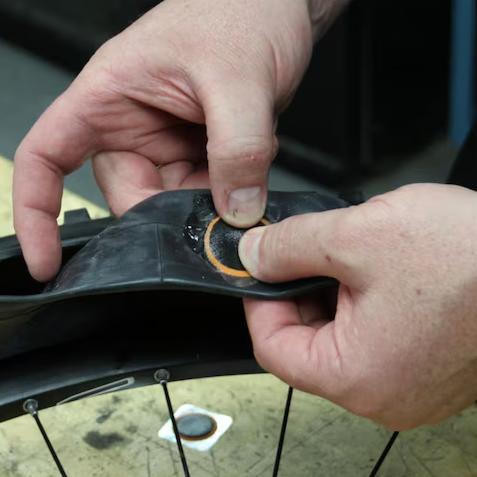

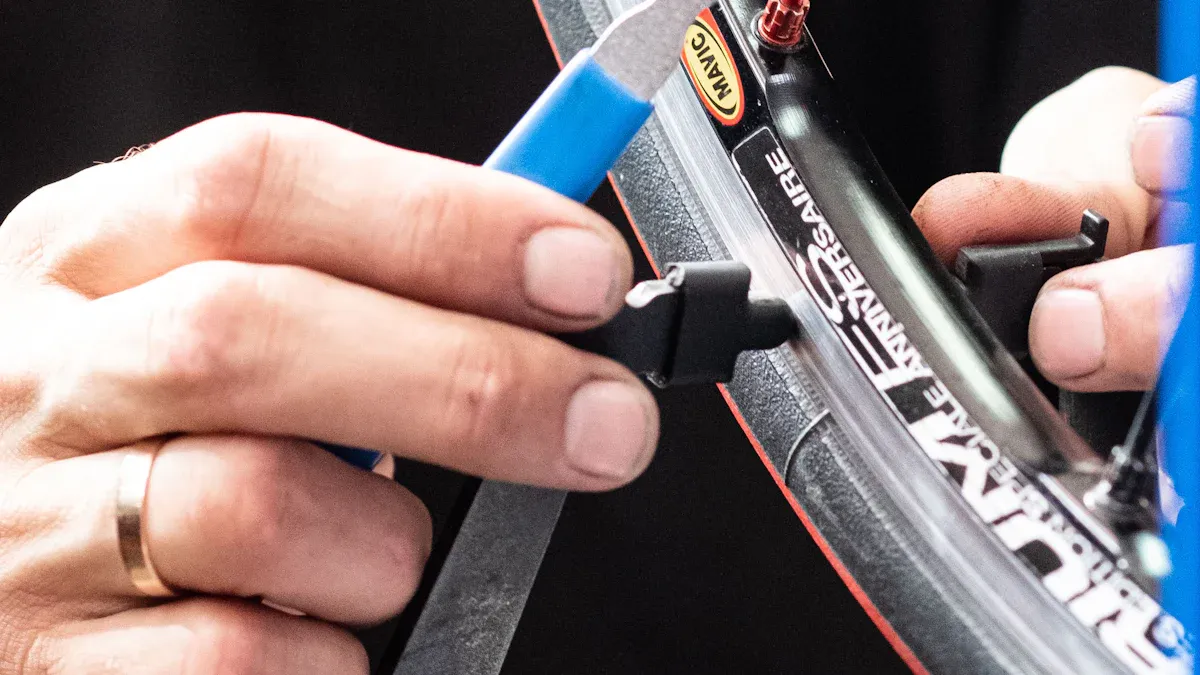
A vulcanizing bike tire patch performs a unique tire repair. It creates a permanent chemical bond with a bike inner tube. This vulcanization process handles a flat tire differently than simple glue. The vulcanizer fluid is not an adhesive. It is a chemical initiator. This special liquid starts a reaction. The reaction fuses the patch and the bike tube together at a molecular level. This repair makes them one solid piece of rubber for a durable fix. Cycling and bicycling enthusiasts can trust this repair method for their bike. A flat tire repair becomes a lasting solution.
Note: The magic of vulcanization is pure chemistry. It rebuilds the rubber, creating a repair as strong as the original bike tire itself.
The Key Ingredients: What’s in a Vulcanizing Bike Tire Patch Kit?
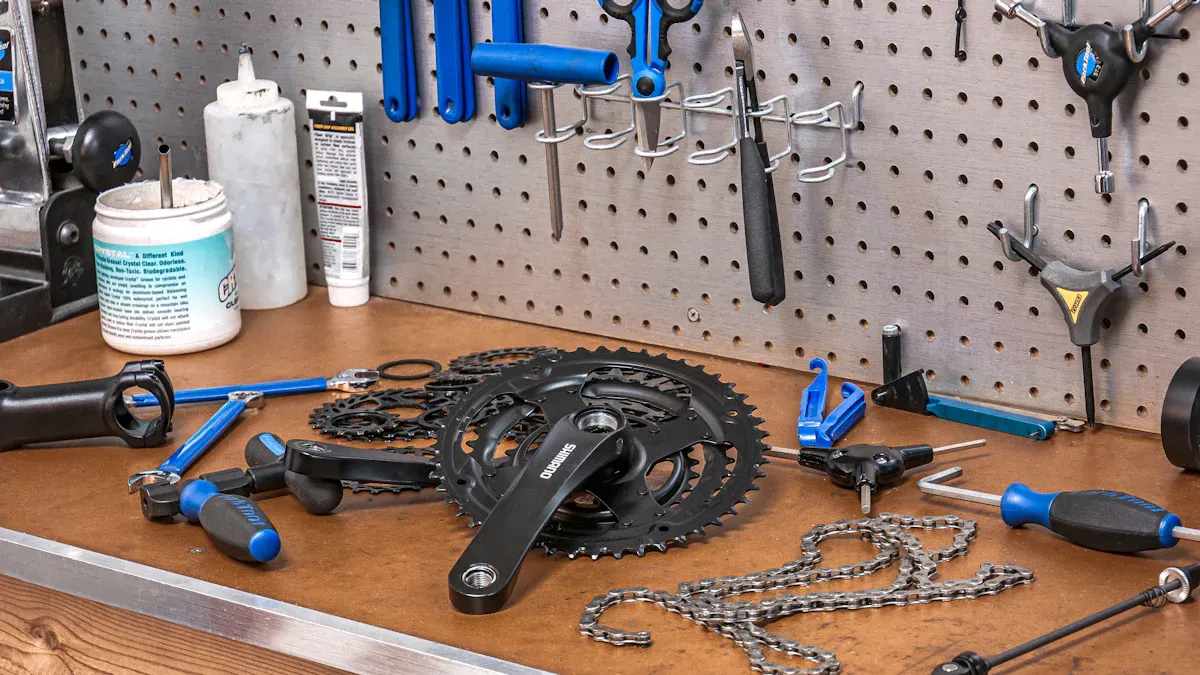
A standard flat-fixing kit contains two essential components for a successful tire repair. These parts work together to create a strong chemical bond. Understanding each ingredient helps explain the science behind a lasting bike tire fix.
The Patch: Specially Formulated Uncured Rubber
The patch itself is not just a simple piece of rubber. It is made from a special, uncured rubber compound. Raw, uncured rubber is sticky and lacks durability. It needs a chemical process to become strong and elastic. This raw state is crucial for a good repair. The patch is ready to form new, permanent chemical bonds with the bike inner tube. The curing process, which happens during the repair, transforms this raw material. It creates a sturdy, flexible, and durable seal for the flat tire. This makes the vulcanizing bike tire patch an ideal solution for any bike.
The Cement: A Solvent and Chemical Accelerator
The cement in the kit is not glue. It performs two critical jobs. First, it acts as a solvent. The solvent cleans the bike tube surface and prepares it for bonding. Common solvents found in these cements include:
- Heptane
- Acetone
- Toluene
Second, the cement contains a chemical accelerator. This vulcanizer agent starts the chemical reaction. The accelerator speeds up the process that connects the patch and the tube at a molecular level. This creates a seamless repair. These accelerators are often from chemical families like thiazoles and sulfenamides. They ensure the bond on the flat tire is strong and permanent, getting your bike back on the road.
The Science of the Bond: A Step-by-Step Chemical Breakdown
The process of fixing a punctured inner tube with a vulcanizing patch is a fascinating display of applied chemistry. It is more than just sticking a patch over a hole. Each step plays a critical role in creating a permanent, molecular-level repair. This chemical journey transforms two separate pieces of rubber into one seamless unit.
Step 1: Abrasion – Creating a Reactive Surface
The first physical step in the repair process is abrasion. A person uses a small metal scraper or a piece of sandpaper to scuff the area around the puncture on the bike tube. This action does more than just clean the surface.
- Removes the Mold Release Layer: Inner tubes are manufactured in molds. They have a very smooth, non-porous outer layer that prevents the rubber from sticking to the mold. This layer also prevents anything else from bonding to it. Abrasion removes this slick, unreactive skin.
- Increases Surface Area: Sanding the rubber creates millions of microscopic peaks and valleys. This rough texture dramatically increases the surface area. A larger surface area provides more points of contact for the chemical reaction to occur, ensuring a stronger bond for the bike tire.
This preparation creates an ideal, reactive surface ready for the next chemical stage.
Step 2: Applying Cement – Preparing for the Reaction
With the surface prepared, the next step involves the vulcanizer cement. A person applies a thin, even layer of the cement over the abraded area. The cement performs two vital functions to prepare the bike for a lasting fix.
- Rubber Penetration: The solvent in the cement (like heptane) begins to dissolve and swell the surface of the inner tube. This opens up the rubber’s molecular structure. It makes the rubber soft and receptive to the patch.
- Chemical Delivery: The cement deposits the chemical accelerators onto the prepared surface. These chemicals will initiate the final bonding process but remain dormant until the solvent evaporates.
Important Tip: A person must wait for the cement to dry completely. It should have a dull, matte finish with no wet spots. Applying the patch to a wet tire surface will trap the solvent. This trapped solvent prevents the chemical bond from forming, leading to a failed repair on the flat tire.
Step 3: The Bond – Forging Permanent Sulfur Bridges
This final step is where the chemical magic happens. Once the cement is dry, a person presses the vulcanizing bike tire patch firmly onto the prepared area. The pressure initiates the final stage of cold vulcanization. The uncured rubber of the patch and the prepared surface of the tube begin to merge.
Here is a simple breakdown of the molecular process:
- The accelerators deposited by the cement become active.
- They facilitate a reaction with sulfur compounds present in both the patch and the inner tube.
- This reaction creates strong, flexible “sulfur bridges” or cross-links. These bridges are new covalent bonds that permanently connect the polymer chains of the patch to the polymer chains of the bike tube.
This vulcanization process does not glue the patch on top of the tube. Instead, it forges the two pieces into a single, unified piece of rubber. The result is a seamless, airtight, and flexible repair. This new section of the bike tire is just as strong as the original material, ready to handle the pressures of riding after a flat.
Why a Vulcanized Bond is Superior for Your Bike
Understanding the science behind a vulcanizing bike tire patch reveals why it is the best choice for a durable fix. The process creates a bond far stronger than simple glues. This superior connection ensures a reliable tire for any bike rider. The result is a permanent solution, not a temporary patch-up.
Vulcanization vs. Simple Adhesion (Gluing)
A person might think any patch for a flat tire works the same way. This is not true. Simple adhesive patches act like stickers. They use glue to cover a hole. The process of vulcanization, however, creates a new chemical structure. It fuses the patch and tube into one piece.
A vulcanized repair is fundamentally different from a glued patch. One rebuilds the tire, while the other just covers a flaw.
Here is how the two methods compare:
- Vulcanized patches form a permanent chemical bond with the rubber.
- Adhesive patches rely on glue that can weaken over time.
- The vulcanization bond is highly resistant to stress and pressure from riding.
- Adhesive patches may peel or fail, especially with changes in tire pressure.
A Seamless, Flexible, and Airtight Repair
The chemical reaction creates a truly seamless repair. A vulcanizing bike tire patch does not just sit on top of the tube. It becomes an integral part of the tube’s structure. This allows the repaired area to stretch and contract as the bike tire inflates and flexes during cycling or bicycling. The molecular bond flexes with the tube, preventing cracks or separation under high pressure. This flexibility is crucial for a long-lasting fix on a flat tire.
This tire repair method also produces a completely airtight seal. The new sulfur bridges leave no gaps for air to escape. Scientific tests confirm the integrity of this bond.
- Sub Atmospheric Compressed Air Leakage Test directly checks for leaks.
- Tensile Strength Tests prove the repair holds together under stress.
- Impermeable Fracture Resistance Tests show the repair resists failures that cause leaks.
These tests demonstrate that the repair is as strong and reliable as the original bike tube.
Choosing the Best Tire Patch Kit for a Reliable Fix
Selecting the right flat-fixing kit is crucial for a successful tire repair. The quality of the patch and cement directly impacts the strength and longevity of the bond. A cyclist needs the best tire patch kit to ensure a permanent fix for a flat tire, making the bike reliable for future rides.
Why SUNSOUL Kits Ensure a Perfect Bond
SUNSOUL kits provide a dependable solution for any bike. The company uses a precise formulation of chemical accelerators in its cement. These agents ensure a complete and rapid vulcanization process. This scientific approach creates a superior bond for every repair.
| Vulcanizing Agent Type | Description |
|---|---|
| Rubber Cement | Facilitates chemical reactions for patch adhesion. |
| Sulfur | Binds materials and increases durability. |
| Thiazoles & Sulphenamides | Accelerators that speed up the vulcanization process. |
| Guanidines & Amine Derivatives | Enhance the performance and strength of the rubber bond. |
The patches themselves are made from high-quality natural rubber. This material is RoHS compliant, meaning it is free from hazardous substances. This commitment to quality ingredients ensures a strong and safe repair for any bike tire.
The Importance of High-Quality Materials
The materials in a patch kit determine the success of a repair. A high-quality patch made from durable rubber is essential. It must withstand heat, pressure, and flexing without failing. Low-quality materials can become brittle or lose adhesion over time. This can cause the repair on a flat tire to fail when the bike is in use.
A strong repair depends on strong materials. The patch must be as tough as the original tire to create a lasting solution.
Durable materials like natural rubber offer excellent resistance to wear and tear. They maintain their structural integrity even when exposed to sunlight or temperature changes. This resilience is vital for a bike tire that experiences constant stress. Choosing a kit with certified, high-quality components ensures the patch becomes a permanent part of the tire, ready for many miles of riding.
Common Mistakes to Avoid When Patching a Tire
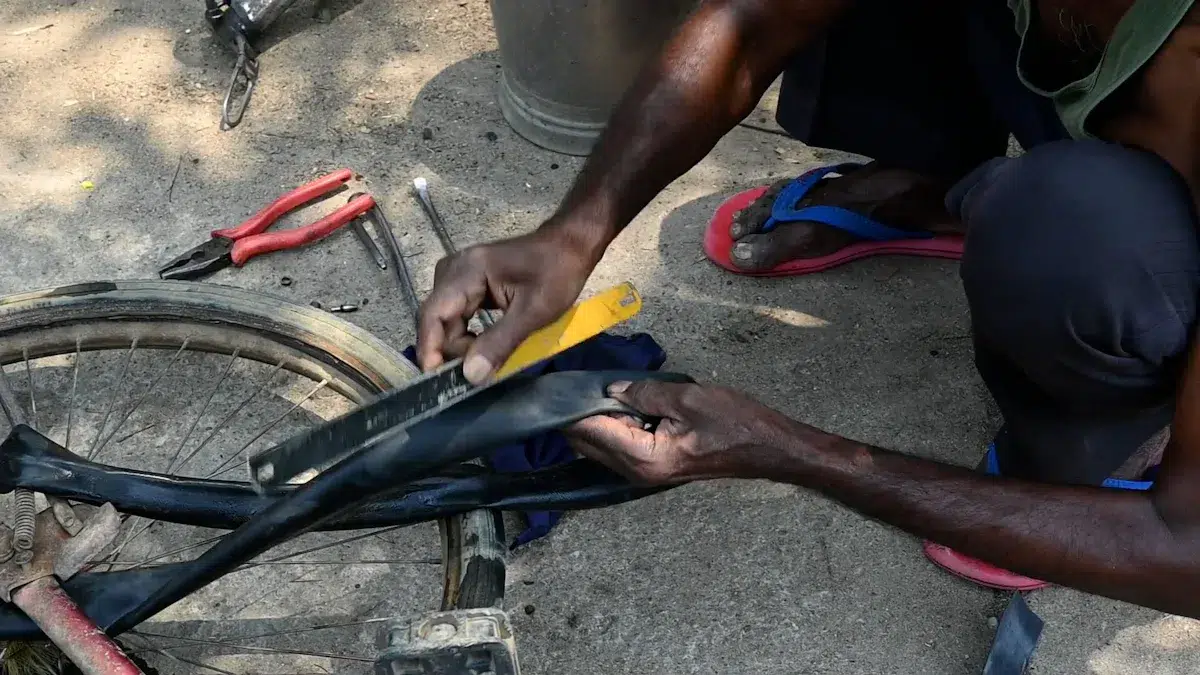
A successful tire repair depends on correct technique. Even with the best kit, simple errors can lead to a failed bond. A person can avoid a frustrating repeat flat by understanding these common mistakes. Following the proper steps ensures a durable repair for any bike.
Skipping the Sanding Step
Some people skip the sanding step to save time. This is a critical error. The surface of a bike tire tube has a smooth, non-porous layer from the manufacturing mold. This layer prevents a strong chemical bond.
- Sanding removes this slick outer skin.
- It also creates a rough texture with a larger surface area.
- This preparation allows the cement to penetrate the rubber effectively.
Without proper abrasion, the patch cannot fuse with the tube. The repair will quickly fail under pressure, leaving the bike with another flat tire.
Applying the Patch Too Soon
Patience is essential when working with vulcanizing cement. A person must wait for the solvent to evaporate completely. The cement should look dull and feel tacky, not wet.
Applying the patch to wet cement traps the solvent between the patch and the tube. This trapped liquid physically blocks the chemical reaction. The vulcanization process cannot occur, and no molecular bond will form.
This mistake results in a weak patch that will peel away easily. The tire will not hold air, and the entire repair process must be started over. A few extra minutes of waiting ensures a permanent fix for the bike.
Using Too Much or Too Little Cement
The amount of cement used is very important. A person should apply a thin, even layer over the sanded area. Using the wrong amount compromises the integrity of the repair. Too little cement does not provide enough chemical accelerator to create a complete bond across the entire patch area. This leaves weak spots in the tire. Conversely, too much cement creates a thick, gummy layer. This layer prevents the patch and tube from making proper contact. The bond will be weak and unreliable. A correct application is key for a strong bike tire repair.
The “magic” of a vulcanizing bike tire patch is pure chemistry. The vulcanization process uses a chemical reaction from a vulcanizer to create new, permanent bonds. This tire repair method does not just cover a hole on a flat tire. It rebuilds the rubber of the bike tire. The vulcanization creates a strong, net-like structure.
- Strong covalent bonds fuse the patch and bike tube.
- This chemical reaction reforms the tire structure.
- The repair becomes an integral part of the bike tire.
The result is a permanent repair for a flat tire. This makes the bike ready for any bicycling adventure. The repaired bike tire is as strong and flexible as the original tube.
FAQ
How long does a vulcanized repair last?
A person can expect a vulcanized repair to last for the life of the inner tube. The chemical bond creates a permanent, seamless fix. This repair is as strong and flexible as the original rubber, making the bike dependable for many miles.
Can a person patch any size hole?
Vulcanizing patches work best for small punctures. A person should not use them on large cuts or gashes. The patch may not create a secure seal over a large area. A new inner tube is the safest solution for major damage.
Why did my patch fail on my flat tire?
A patch on a flat tire usually fails for a few reasons.
- A person might skip sanding the tube.
- The patch was applied to wet cement.
- The wrong amount of cement was used.
Each step is critical for a strong chemical bond on the bike.