
A vulcanizing tire patch kit provides a superior tire repair. It does not just plug a hole. Instead, it uses a chemical process to create a permanent, seamless bond between the patch and the tire’s rubber. This process, known as vulcanizing, effectively makes the patch an integral part of your tire. This type of repair restores the tire’s strength and integrity. The result is a safe, long-lasting repair, unlike a temporary plug. You get a reliable solution that keeps you driving safely.
The Problem: A Puncture Can Ruin Your Plans
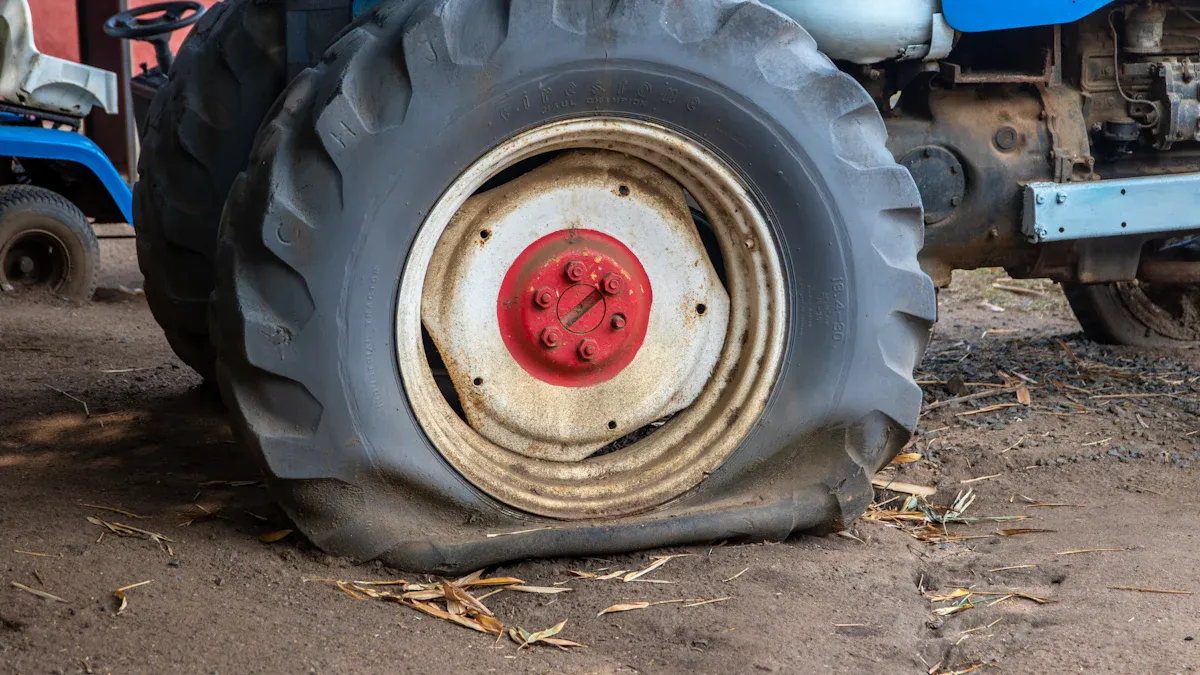
A sudden puncture can instantly derail your day. You might be on your way to work, a family event, or a vacation. A flat tire stops you in your tracks. The causes of a puncture are often unavoidable.
- Sharp objects like nails and glass easily pierce rubber.
- Impact damage from hitting a pothole or curb can cause a leak.
- Road debris can create a serious puncture.
- Worn-out treads make your tire more vulnerable to damage.
The Dangers of a Flat Tire
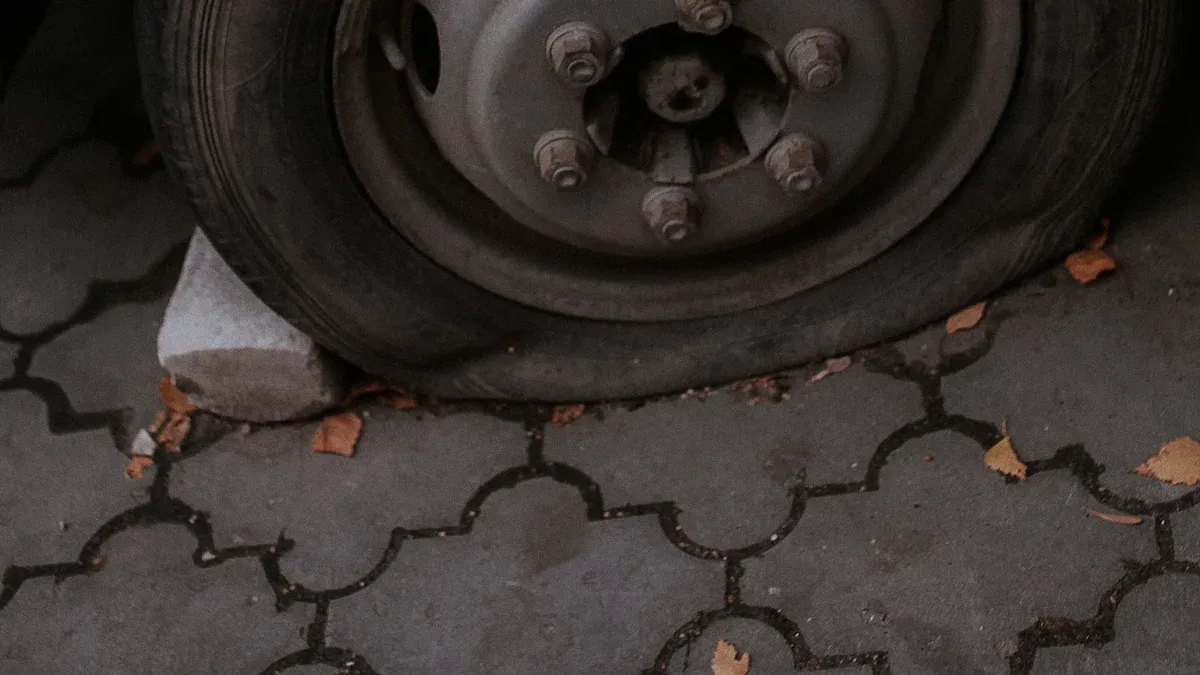
Driving on a flat tire is extremely hazardous. The National Highway Traffic Safety Administration (NHTSA) reports that tire problems contribute to about 11,000 accidents each year. A flat tire creates serious control issues. It impairs your steering and stability. Under-inflated tires can also increase your braking distance by up to 22%. Even driving a short distance on a flat can cause severe wheel and rim damage, a costly repair. The friction from a flat tire generates intense heat. This heat weakens the tire structure, leading to tread separation or a blowout. This situation is a primary cause of tire-related fatalities. A simple puncture can quickly become a life-threatening event.
Why Temporary Fixes Fall Short
In a pinch, you might reach for a temporary plug or a can of sealant. However, these options are not a reliable repair. A temporary plug does not restore the tire’s structural integrity. It simply fills the hole, leaving the surrounding area weak and prone to further damage. This type of repair can fail under heat and pressure.
Sealants create even more problems. Many service centers will refuse to repair a punctured tire treated with a sealant. The chemicals can be hazardous to technicians, and cleaning the sticky residue is a difficult, time-consuming job. Using a sealant may also void your tire’s warranty, forcing you to buy a new one. A temporary plug offers a false sense of security. It is not a permanent repair and can lead to more extensive damage down the road. You need a real repair solution for a puncture, not a quick fix that puts you at risk.
The Solution: How a Vulcanizing Tire Patch Kit Works
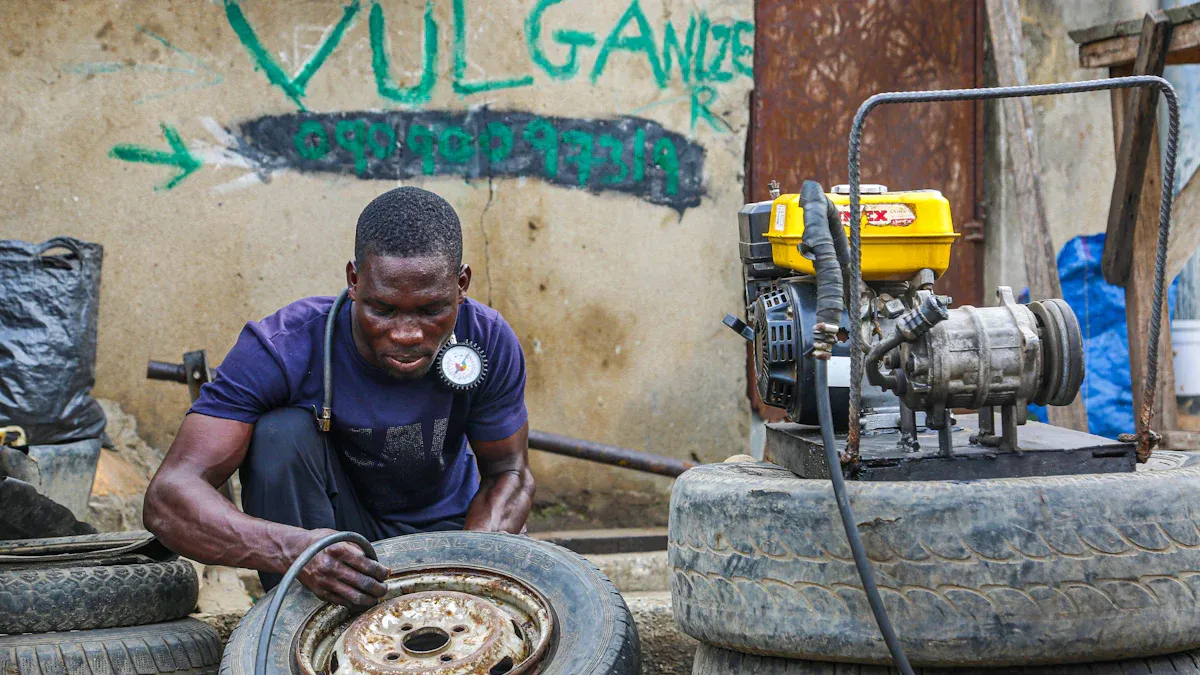
A temporary plug is a risky, short-term fix for a punctured tire. A vulcanizing tire patch kit offers a permanent, professional-grade repair. This solution uses a chemical reaction to make the patch a new part of your tire. You can restore your tire’s safety and performance with the right knowledge and tools.
The Science of Vulcanization Explained
Vulcanization is a chemical process that makes rubber stronger and more durable. The discovery of this process was actually an accident. In 1839, inventor Charles Goodyear was experimenting with rubber. He accidentally dropped a mixture of rubber and sulfur onto a hot stove. The material did not melt. Instead, it charred and hardened into a tough, flexible substance.
This discovery changed everything. The vulcanizing process creates strong chemical links, or cross-links, between the rubber molecules. Think of it like weaving individual threads into a strong piece of fabric. This transformation turns soft, weak rubber into the resilient material your tires are made of. A vulcanizing repair uses this same science to fix a puncture. It does not just cover the hole. It chemically bonds the patch to the tire, creating a single, unified piece of rubber. This method ensures the repair can handle heat, pressure, and flexing.
Key Components: Cement, Patch, and Tools
A quality kit contains specific components that work together to create a lasting tire repair. Each part has a critical role in fixing the puncture correctly.
-
Vulcanizing Cement: This is not ordinary glue. It is a chemical solution designed to start the vulcanization process. The cement contains active ingredients that prepare the rubber for bonding.
Inside the Cement: Key chemicals include sulfur donors to create the cross-links, accelerators to speed up the reaction, and antioxidants to protect the repair from breaking down over time.
-
The Tire Patch: The patch itself is a marvel of material science. High-quality patches, like those from trusted manufacturers such as SUNSOUL, are built in layers for maximum strength.
- Rubber Layers: They often use natural rubber for flexibility and durable synthetic butyl rubber for an airtight seal.
- Reinforcement: Many patches include a layer of strong polyester fabric. This fabric adds structural integrity and prevents the patch from stretching or failing under stress. This construction ensures the repair is as strong as the original tire.
-
Essential Tools: You need the right tools to perform a proper repair. A good kit will include:
- A buffing tool or scraper to roughen the surface around the puncture.
- A marking pen to outline the repair area.
- Clean rags and an alcohol-based solvent to remove all dirt and oils.
Creating a Permanent Bond on Your Tire
Creating a permanent repair is a straightforward process when you follow the steps carefully. Proper surface preparation is the most important factor for a successful tire repair. A clean, rough surface allows the cement and patch to form the strongest possible bond.
Here is how you create a permanent repair for a puncture:
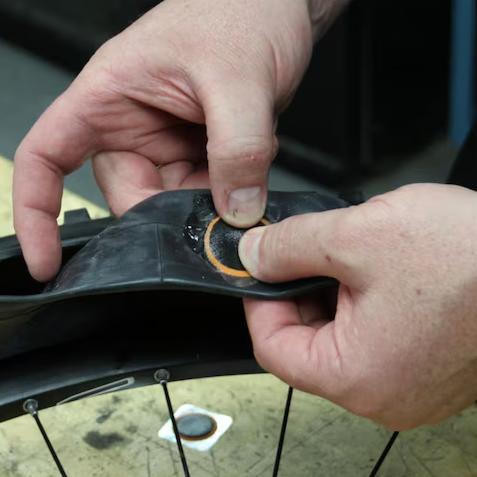
- Prepare the Area: First, you must thoroughly clean the area around the puncture on the inside of the tire. Use a buffing tool to roughen the surface. This creates more texture for the cement to grip. After buffing, wipe the area with an alcohol solvent to remove all dust and oils.
- Apply the Cement: Next, you apply a thin, even layer of vulcanizing cement over the prepared area. You should cover an area slightly larger than the patch itself.
- Wait and Place the Patch: You must let the cement dry for a few minutes. It will become tacky. Then, you press the patch firmly onto the center of the puncture. Work from the center outwards to push out any air bubbles.
- Allow for Curing: The final step is to let the repair cure. The chemical reaction needs time to complete. This cold vulcanization process typically takes about 10-15 minutes. Always follow the manufacturer’s instructions for the specific curing time. This waiting period ensures the patch permanently bonds to the tire, completing the repair and restoring its integrity.
Why Vulcanization is the Superior Way to Fix a Flat Tire
When you have a flat tire, you want a solution you can trust. A vulcanizing repair offers safety and durability that temporary methods cannot match. The chemical bond it creates makes the patch a permanent part of the tire. This process is superior because it withstands driving stress and fully restores your tire’s strength. You get a reliable repair that keeps you safe on the road.
Vulcanized Patch vs. Temporary Plug
You might see a temporary plug as a quick way to handle a flat tire. However, industry safety standards show why it is a dangerous choice. Tire safety organizations like the U.S. Tire Manufacturers Association (USTMA) have clear rules for a proper tire repair.
A proper repair is not a simple plug. It requires a technician to remove the tire from the wheel for a full inspection. A plug alone does not seal the inner liner, and a patch alone does not fill the puncture path. Using only a plug or only a patch is an unacceptable and unsafe repair.
A temporary plug creates two major problems. First, it does not properly seal the inside of the tire. This allows air to leak into the tire’s layers, which can cause more damage over time. Second, a patch by itself leaves the puncture hole open to the elements. This lets water seep into the tire’s structure. The moisture causes the steel belts to rust and corrode, severely weakening the tire and leading to a potential blowout. A vulcanized patch and stem combination fills the puncture channel and seals the inner liner, preventing both types of damage. This is the only method that correctly addresses the entire injury.
Resisting Heat, Pressure, and Stress
Your tires face incredible forces every time you drive. They generate heat from friction, handle high air pressure, and flex constantly. A temporary plug is not designed to withstand these conditions. The constant movement can cause a plug to loosen and fail. A vulcanizing repair, however, creates a bond strong enough for these challenges.
The chemical bond formed during the process is exceptionally resilient. It allows the patch to flex perfectly with the tire, preventing cracks or separation. This is crucial for handling the stress of daily driving. The strength difference is significant.
- Vulcanized Repairs: Can withstand forces of 1,500 to 3,000 PSI.
- Temporary Cold Patches: Often fail under 800 PSI.
Heat is another major enemy of a bad repair. High-quality patches, like those from SUNSOUL, are engineered to perform in extreme temperatures. They maintain their flexibility and strength from freezing cold to intense summer heat.

This incredible temperature range ensures your repair remains stable whether you are driving in a winter storm or on hot asphalt. A simple plug cannot offer this level of reliability against heat, pressure, and flexing damage.
Restoring Your Tire’s Structural Integrity
The main goal when you fix a flat tire is to make it safe again. A vulcanized repair is the only method that truly restores the tire’s structural integrity. The patch becomes an integral part of the tire, not just a temporary seal. This is why professional technicians trust this method. The success rates for vulcanized repairs speak for themselves.
| Repair Type | Success Rate | Notes |
|---|---|---|
| Section Repairs | ~95% | Lasts the life of the tire for general use. |
| Spot Repairs | >99% | Tire can return to service in any application. |
| Stripping | ~100% | Involves applying a new rubber layer. |
However, not all damage is repairable. For a safe tire repair, the puncture must be in the center of the tread. Any damage to the shoulder or sidewall means you need a new tire. The size of the puncture also matters. For most passenger cars, a repair is only safe if the hole is no larger than 1/4 inch (6mm) in diameter. Anything bigger means the internal damage is too severe.
A proper tire repair also restores your tire’s load-carrying capacity. While the load rating returns to normal, all tire manufacturers recommend lowering the tire’s speed rating by one level (e.g., from ‘V’ to ‘H’). This ensures a wide safety margin for a flat tire that has undergone repair. A temporary plug offers none of these guarantees. It remains a weak point, compromising your safety every mile you drive.
Why You Need a Vulcanizing Kit in Your Vehicle
A flat tire can leave you stranded and ruin your schedule. Having the right tools on hand turns a major problem into a manageable task. A vulcanizing tire patch kit is more than just a temporary fix; it is a permanent repair solution you can carry in your trunk. This tool gives you the power to handle a puncture safely and effectively.
The Ultimate Roadside Emergency Tool
Imagine getting a puncture on a remote road with no cell service. A vulcanizing kit becomes your lifeline. It contains everything you need to perform a durable repair on a punctured tire. You can fix the puncture properly and get back on your road with confidence. This is far better than waiting for a tow truck or attempting to drive on a flat. A proper repair with a kit means you can continue your journey safely without worrying about the patch failing. It is the ultimate tool for self-reliance and roadside emergencies.
Cost-Effectiveness and Peace of Mind
A single puncture can be surprisingly expensive. A professional repair at a tire shop can cost between $20 and $50. If the damage is severe or you need a new tire, the cost can jump to over $250. A vulcanizing kit offers a much more affordable solution. For a small one-time investment, you get the ability to perform multiple high-quality repairs.
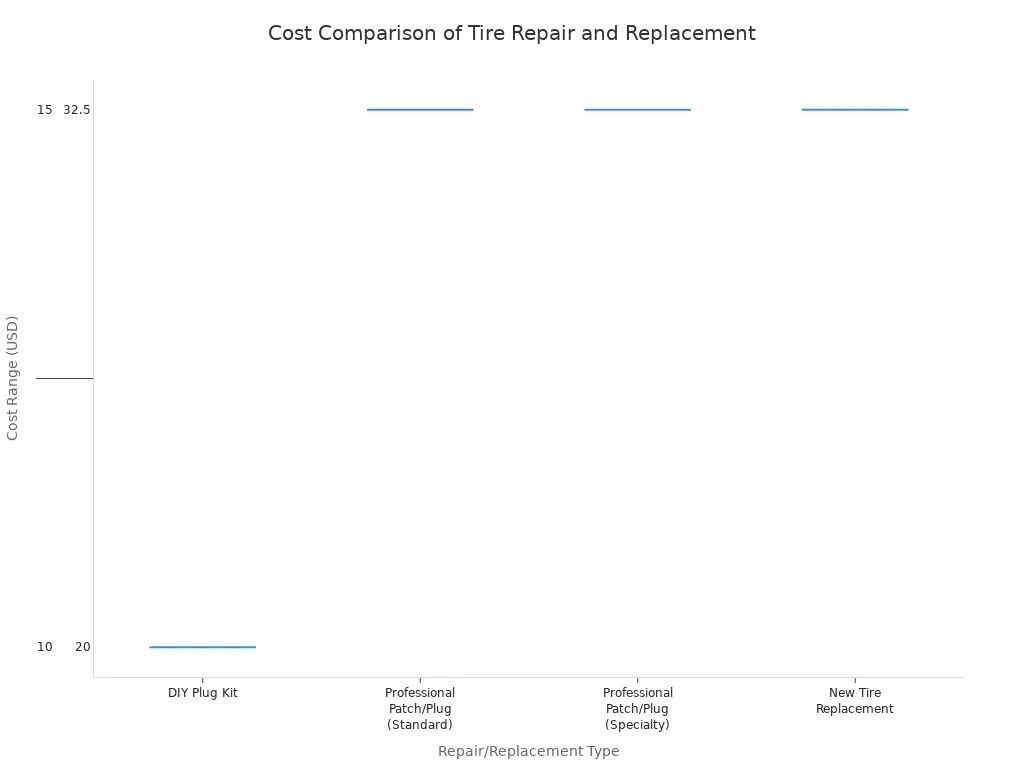
This cost-effectiveness provides incredible peace of mind. You no longer have to worry about the unexpected expense of a puncture. You have a reliable repair method ready to go, saving you both time and money.
Choosing a Quality Kit from a Trusted Manufacturer
Not all tire patch kits are created equal. To ensure a safe and lasting repair for a puncture, you must choose a quality kit from a trusted brand. Companies like SUNSOUL are recognized globally for producing reliable products. When selecting a kit, look for these key components:
- High-Quality Patches: The best patches use durable natural rubber and an airtight butyl rubber layer for a strong seal.
- Effective Vulcanizing Cement: The cement should create a powerful chemical bond for a permanent repair.
- Proper Tools: A kit should include a scraper or buffer to prepare the surface for the best adhesion.
Pro Tip: Always choose a patch that extends at least a half-inch beyond the puncture area. This ensures the repair is strong and completely sealed.
A vulcanizing tire patch kit provides a permanent tire repair. The vulcanizing process creates a chemical bond, making the patch a lasting part of your tire for its entire remaining life. This superior tire repair restores integrity. It is a far better solution than a temporary plug. A plug is an unsafe, short-term fix. A plug can fail.
Choosing a real repair over a plug also reduces waste. This makes tire repair a sustainable choice. A plug is not a real repair. A plug is a risk.
Investing in a high-quality vulcanizing tire patch kit from a trusted brand like SUNSOUL ensures you are ready. You get peace of mind knowing you can perform a reliable repair with a durable patch.
FAQ
Is a vulcanized patch a permanent repair?
Yes, it is a permanent solution. The vulcanizing process creates a chemical bond between the patch and your tire. This makes the patch an integral part of the tire’s structure. The repair should last for the remaining life of the tire when you do it correctly.
Can I repair any puncture with a vulcanizing kit?
No, you cannot repair every puncture. For a safe repair, the puncture must be in the tire’s tread area. The hole must be no larger than 1/4 inch (6mm) in diameter. You should never repair damage on the tire’s sidewall or shoulder.
How is a vulcanizing patch different from a regular patch?
A vulcanizing patch uses a chemical reaction to bond with the tire. A regular “cold” patch just uses adhesive, like a sticker. The vulcanized bond is much stronger. It resists heat and pressure far better than a simple adhesive patch, ensuring a more reliable repair.
Why should I choose a kit from a trusted brand?
Trusted brands provide superior components for a safer repair.
Reputable manufacturers like SUNSOUL use high-quality materials, including durable natural rubber and strong vulcanizing cement. Their patches are trusted in over 60 countries, ensuring you get a reliable product that creates a permanent, leak-proof seal.