
If a tire patch is of good quality and used correctly, most drivers can confidently drive a repaired tire for a considerable distance. Experts advise against long-distance driving with a puncture, but a high-quality patch allows you to use the tire as usual. SUNSOUL tire patches use an innovative sealant and offer a reliable warranty, ensuring drivers can drive with peace of mind every day. The lifespan of a tire patch depends on its quality, how it is used, and driving habits. Safe driving includes properly repairing tires and regularly checking their condition.
Key Takeaways
- A properly repaired tire can last up to 40,000 miles or 7 to 10 years. To achieve this, the patch must be used correctly. Only use a patch if the puncture is no more than 1/4 inch and located in the tread area. This ensures a safe and long-lasting repair. Regularly inspect repaired tires for air pressure, cracks, or bulges. This helps ensure your safety. If the tire sidewall is damaged or has multiple punctures, do not continue using the repaired tire. In this case, it is safer to replace the tire with a new one. Choose high-quality tire patch, such as SUNSOUL, for superior strength and peace of mind.
Basic knowledge of tire patch

What is a tire patch?
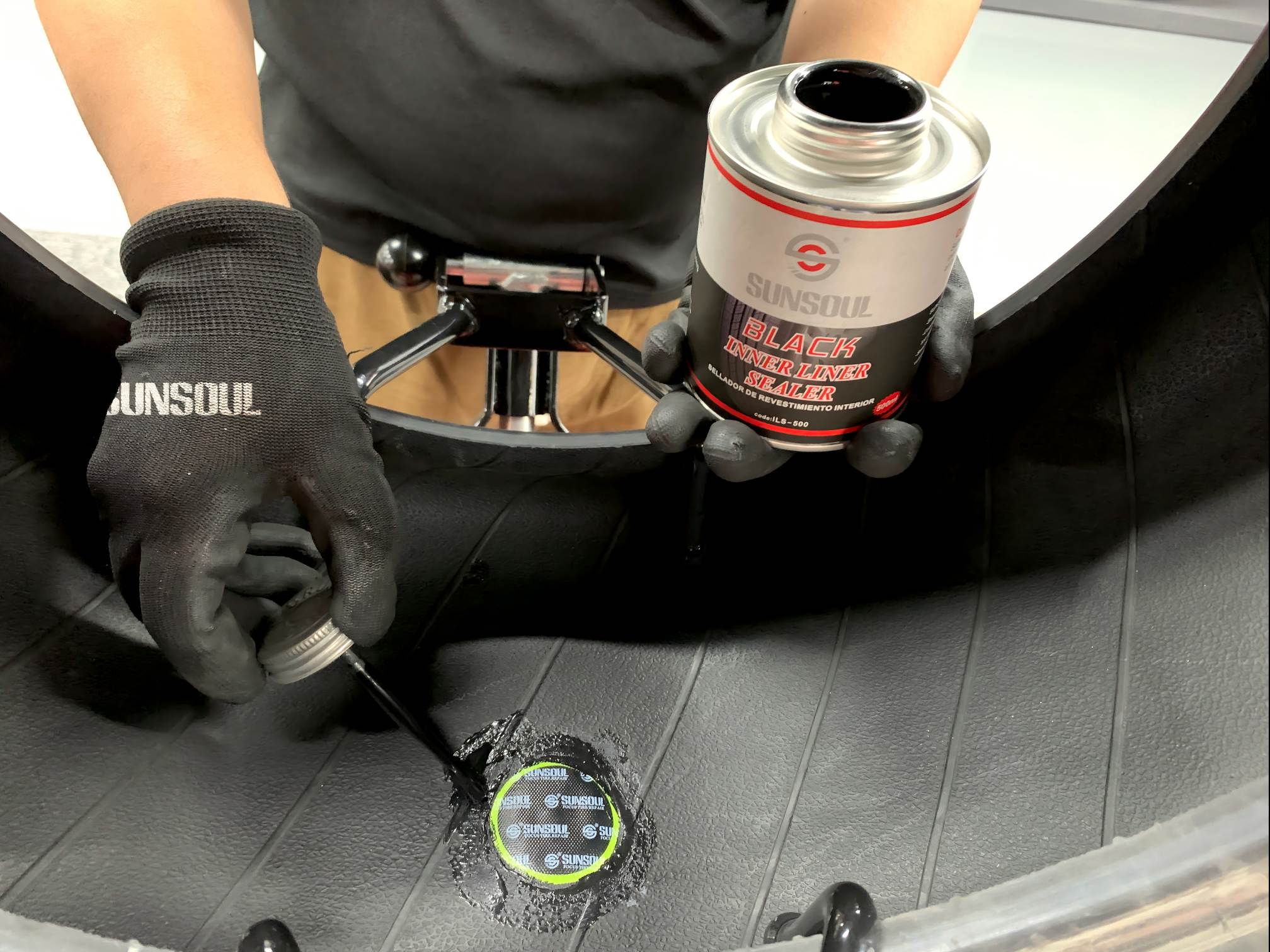
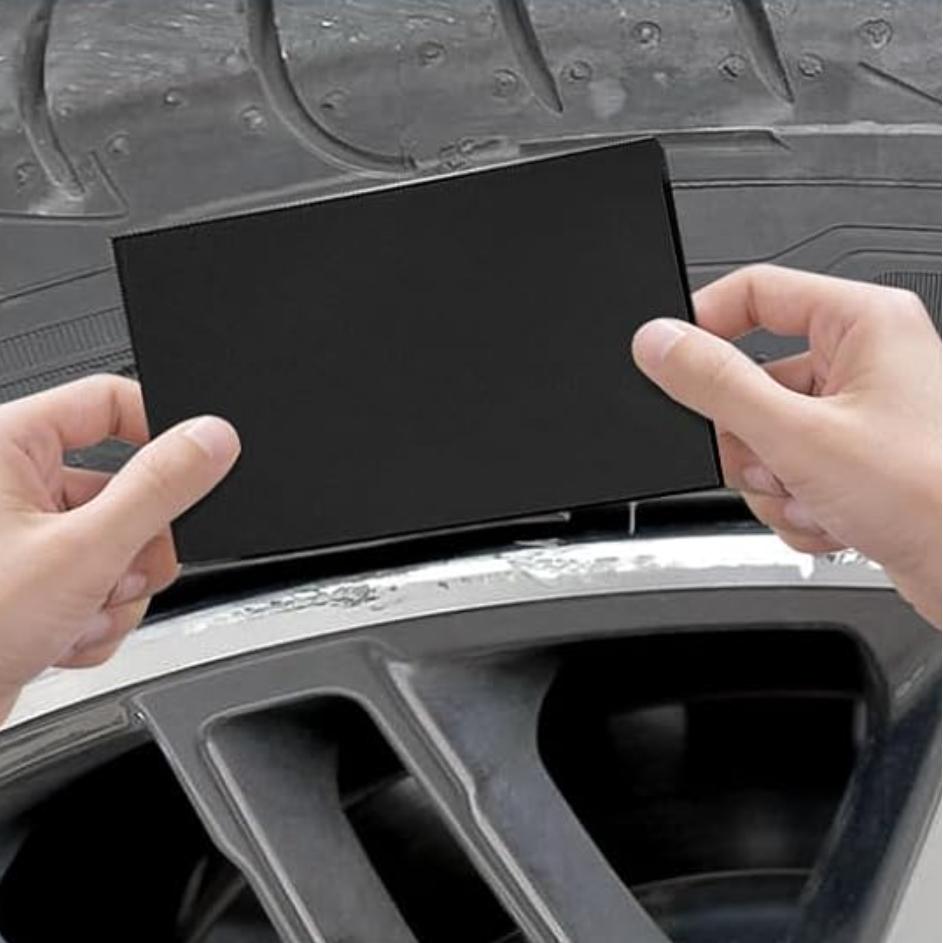
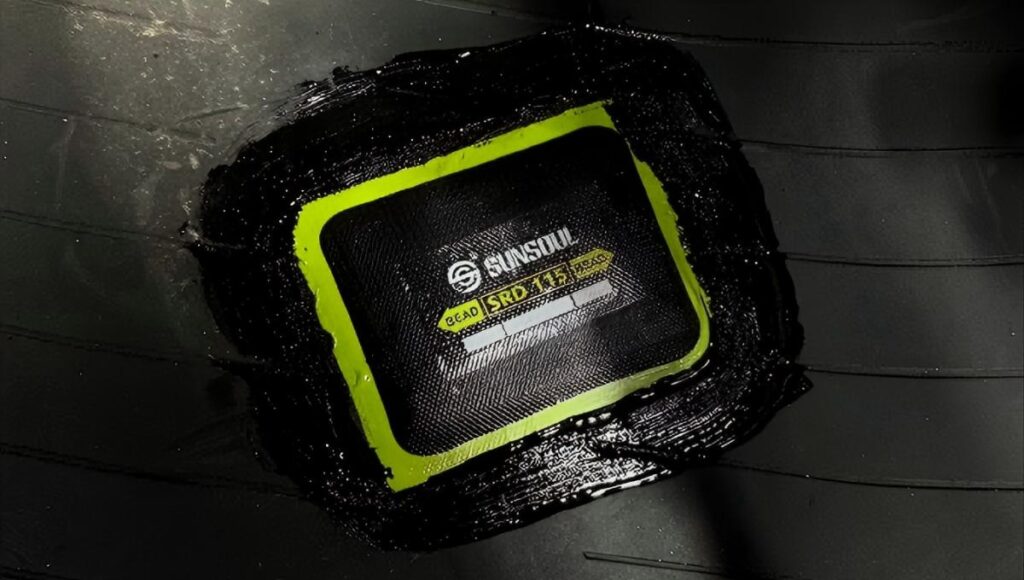
A tire patch is a special component used to repair punctures in a tire. Technicians use patches to help maintain tire pressure and increase strength. Most patches are made of rubber and adhere to the inside of the tire. SUNSOUL tire patches use premium materials for strong, durable repairs. These patches help drivers get back on the road safely and quickly.
- Some common tire patch materials and manufacturing methods include:
- Vulcanized rubber, adhered to the tire through heat and pressure.
- Chemical adhesives, forming a strong seal without heat.
- Separate backings for easy application, such as SUNSOUL’s design.
Tire patches differ from tire plug repairs. Tire plugs fill punctures from the outside, while patches seal punctures from the inside of the tire. Therefore, patches provide a better repair.
Types of tire patches
Tire patches come in various types to meet different repair needs. SUNSOUL offers chemically cured patches and dual-cured patches. The table below lists the differences between these two repair methods:
| Feature | Chemical Cure | Dual Cure |
|---|---|---|
| Bonding Technology | Chemical vulcanization | Chemical + heat vulcanization |
| Repair Environment | Ambient repairs | Ambient and hot repairs |
| Bonding Strength | Standard | Superior |
| Durability | Moderate | High |
| Patch Rejection Rate | Higher | Lower |
| Turnaround Time | Slower | Faster |
| Performance | Standard | Enhanced |
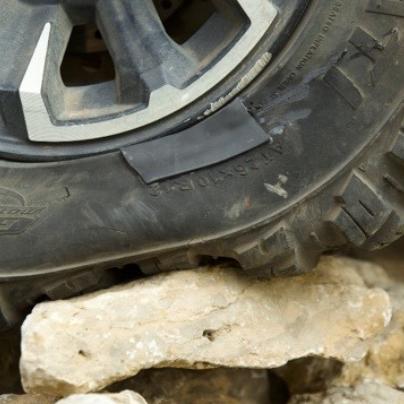
Temporary patches, such as those in repair kits, are quick but not durable. Permanent patches, such as SUNSOUL patches, restore tire strength and can last for years. Tire plug repairs usually only temporarily alleviate the problem and should not replace a true patch.
When to use a patch
Experts recommend using tire patches for permanent tire repairs. Here are some rules for using tire patches:
- Tire patches are only for holes in the tire tread no larger than 1/4 inch (approximately 6 mm) in diameter.
- Always have your tire repaired at a repair shop equipped with professional tools.
- Never repair damage to the tire sidewall or shoulder.
- Inspect the tire before repairing it.
- Never overlap repairs.
Permanent tire patches are crucial for safety and extending tire life. Temporary repairs, such as plug repairs, are only helpful if you need to get your tire to a repair shop. SUNSOUL tire repair products follow these rules to provide safe and long-lasting repairs.
Tip: Always look at your tire after a repair and get a new one if you see more damage.
How long can you drive on a patched tire?
Lifespan of a patched tire
Many drivers wonder how long a puncture-damaged tire can last after repair. A properly installed tire patch can last as long as the tire itself. In most cases, this means up to 40,000 miles, or approximately 7 to 10 years. A tire patch forms a strong seal, preventing air leakage and ensuring tire safety. Most experts agree that tire patches are safer than plugs. If repaired properly and the tire is no longer damaged, drivers can use the repaired tire for an extended period.
- A tire patch can last as long as the tire if the following conditions are met:
- The puncture is in the tread, not the sidewall.
- The repair follows safety rules.
- The patch uses high-quality materials.
SUNSOUL Tire Patch uses advanced curing methods and strong materials. These patches pass tough durability tests and come with a 24-month warranty. Many customers say they feel safe and confident when they drive on a patched tire with SUNSOUL products.
Factors affecting longevity
Several factors affect the lifespan of a repaired tire. The location of the puncture is crucial. Repairs on the tread are more durable because the tread remains stable. Sidewall repairs, however, are less reliable because the sidewall is more prone to bending and deformation. Experts point out that sidewall repairs are less reliable and more likely to fail.
The quality of the patch and its installation method also play a significant role. High-quality patches, such as those from the SUNSOUL brand, form a strong bond, ensuring tire safety. The vulcanization process improves the patch’s adhesion and effectively prevents moisture penetration. Inferior patches may fail prematurely, endangering driver safety.
Other factors include driver behavior. Excessive speed or overloading accelerates patch wear. Temperature, humidity, and even the type of gas inside the tire can affect patch lifespan. Nitrogen inflation helps maintain stable tire pressure and slows rubber wear. Moisture inside the tire can cause rust and weaken the tire structure. Oxygen makes rubber brittle over time, but nitrogen helps prevent this.
- Factors that affect how long a patched tire lasts:
- Where the puncture is located
- Quality of the patch and installation
- Driving speed and load
- Tire pressure and type of inflation gas
- Exposure to heat and moisture
Expert and manufacturer advice
Tire experts and manufacturers provide clear recommendations on how long a repaired tire can be driven. They state that patches should only be used for punctures in the tread, not the sidewall. The puncture width should be less than 1/4 inch (approximately 0.6 cm). For optimal safety, a combination of a tire plug and patch should be used during repair. This method is supported by automotive safety organizations such as the Tire Industry Association (TIA) and the National Highway Traffic Safety Administration (NHTSA).
- Expert tips for driving on a patched tire:
- Check tire pressure after the first 50 miles and every week.
- Drive at normal speeds for the first 24 hours.
- Inspect the patched area every month for cracks or bulges.
- Replace the tire if the patch fails or if there is new damage.
SUNSOUL tire patches are known for their strong adhesion and ease of use. These patches are suitable for cars, trucks, motorcycles, and agricultural machinery. Customers in over 60 countries worldwide trust SUNSOUL for safe and durable tire repair. SUNSOUL patches help drivers save money and protect the environment by reducing tire waste.
Note: Always follow tire repair guidelines. If in doubt, consult a professional. A good tire patch can allow you to travel thousands of miles on a repaired tire, but safety should always be the top priority.
| Evidence Type | Details |
|---|---|
| Curing Process | Chemicals and heat create a strong bond with no weak spots. |
| Durability Tests | Patches are tested for sticking, lasting, and performance in all weather. |
| Warranty | 24-month warranty gives extra peace of mind. |
| Customer Feedback | Users report easy use and safety. |
| Application Versatility | Works for many types of vehicles and puncture sizes. |
Tire patch safety and warning signs
Signs a patch is failing
Drivers should heed warning signs of potential tire repair failure. These signs help prevent larger problems on the road. Common warning signs include:
| Warning Sign | Description |
|---|---|
| Vibration | The tire may shake or feel uneven. This can mean the inside structure is getting weak. |
| Gradual air loss | The tire loses air slowly. This shows the patch might not seal well. |
| Visible cracks | Cracks appear near the patch. This means the patch could fail soon. |
A driver who feels vibration or sees cracks should check the tire right away. If the tire loses air, it needs attention. Regular checks during seasonal rotations and before long trips help keep the tire safe.
Risks of driving on a patched tire
Driving with repaired tires is safe if the repair is done properly. However, problems can arise if the repair is improper or the damage is too great. Some risks include:
- A tire blowout can occur if a repair using only a patch or plug fails. In Florida, there has been a case of a tire blowout caused by a tire repaired with only a plug, resulting in injury to a child.
- In another case, a man was paralyzed after a tire blowout occurred due to patching it with only a plug. The court awarded him $12.65 million in damages.
- Experts point out that patching a tire with only a plug can lead to air leaks and internal damage. This can cause the tread to come off and a sudden blowout.
The safety of plugging a tire depends on the repair method. A mechanic should always remove the tire from the rim to check for hidden damage. If a driver ignores a slow leak, the tire may overheat and begin to deteriorate internally. This can lead to a sudden blowout later.
Tip: Always ask a professional to check the tire if you notice any warning signs.
When to replace the tire
Manufacturers clearly state when tires should be replaced instead of patched again:
- Do not patch with only a plug.
- Do not use a patch alone, as it cannot completely fill the hole.
- Repair only the tread area of the tire.
- Repair punctures smaller than 1/4 inch (approximately 0.6 mm).
- Never repair the tire shoulder or sidewall; if these areas are damaged, replace the tire.
- Always remove the tire from the rim and perform a thorough inspection.
- Do not repair old patches. If new damage appears near an old patch, replace the tire.
- The best repair method is to use a combination of a patch and a tire repair strip.
Inspecting tires before rotating them and before driving helps detect problems early. If a patch fails or new damage appears, replace the tire as a safety precaution.
Drivers need to repair tires correctly. Experts say that using both a patch and a tire repair strip is the safest approach. This helps extend the tire’s lifespan. Regularly inspecting tires helps detect problems early. SUNSOUL tire repair strips are known for their excellent adhesion and durability. They are trusted in many countries.
- If the sidewall is damaged, the puncture is too large, or there are too many punctures, the tire should be replaced.
- If you are unsure whether a tire repair is secure, consult a professional.
| Feature | Description |
|---|---|
| Strong Adhesion | Sticks tightly and keeps air in the tire |
| Durability | Works well in hot and cold weather |
| Tear Resistance | Has 20% more tear strength than most others |
| Certification | Has DOT and ECE R109 approval |
| Warranty | Comes with a 1-year warranty for safety |
Checking your tires often helps keep you safe on the road.
FAQ
How long can I safely drive after a tire repair?
If repaired properly, a repaired tire can be driven until the end of its tread life. Most drivers use repaired tires for thousands of miles. Regular checks help ensure tire safety.
Can a repaired tire withstand highway driving?
High-quality repair materials, such as SUNSOUL tire sealant, can keep tires performing well on highways. Drivers should check the repair and tire pressure before long trips.
Should I limit driving time after a tire repair?
Yes. After a tire repair, drivers should limit driving time until they are sure the repair site can maintain air pressure and the tire feels normal. Regular checks help ensure safety.
What types of damage cannot be repaired?
Technicians will not repair damage to the tire sidewall or shoulder. Large punctures or multiple punctures also make the tire unsuitable for repair. In these cases, replacing the tire is the best option.