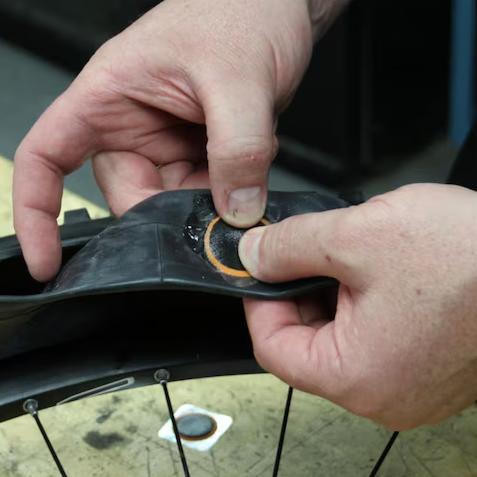

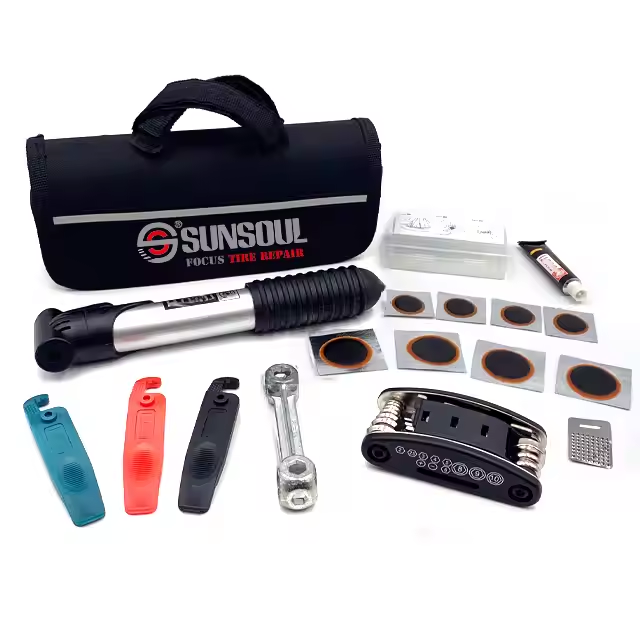
A repaired bicycle tire lasts for about the same duration as the inner tube. Using a high-quality patch like SUNSOUL will maintain your tire’s performance and extend its lifespan. SUNSOUL Professional patches offer excellent adhesion and a lifespan of up to 1000 kilometers. For safety, you should check your tires regularly. Tire repair can save money, as new inner tubes are more expensive. Tire repair also reduces waste and is better for the planet.
| Model | Adhesion Strength | Durability | Temperature Range |
|---|---|---|---|
| Base Model | 100 N/m² | 500 km | -20°C to 80°C |
| Advanced Model | 115 N/m² | 750 km | -30°C to 90°C |
| Pro Model | 130 N/m² | 1,000 km | -40°C to 100°C |
Key Takeaways
- Extend your tire’s lifespan by using high-quality patches like SUNSOUL. A good tire patch can last up to 1000 kilometers.
- Regularly check your bicycle tires for wear and damage. Early detection helps prevent sudden blowouts.
- Follow the correct tire repair steps for best results. Careful application leads to a longer-lasting repair.
- Choose the appropriate type of tire patch based on your needs. Vulcanized tire patches are stronger and more reliable than quick-fix patches.
- Inspect the repaired area frequently. Pay attention to any leaks or changes in riding feel to ensure safety.
Bike Tire Patch Longevity Factors
Patch Quality
The quality of the tire patch plays a crucial role in the lifespan of a repaired bicycle tire. High-quality tire patches, such as SUNSOUL tire patches, use strong adhesives and durable materials. These patches can maintain an inner tube seal for a long time. Many cycling experts say that if the puncture is small and located in the center of the tread, a properly installed patch can last as long as the tire itself. Riders should avoid using external tire patches for permanent repairs, as they have a shorter lifespan. SUNSOUL tire patches are renowned for their durability and have earned the trust of cyclists worldwide.
- High-quality tire patches adhere firmly and are not easily detached.
- The best tire patches are made with heat-resistant, cold-resistant, and moisture-resistant materials.
- Strong tire patches can withstand rough roads and long rides.
Repair Materials
Repair materials affect the lifespan of tire patches. Some tire patches have pre-coated adhesive for quick repairs; others use vulcanized adhesive for stronger bonding. Vulcanized tire patches like SUNSOUL are ideal for durable repairs. They use a chemical reaction to bond the patch to the inner tube, forming a very strong seal.
| Feature | Description |
|---|---|
| Type of Patch | Chemical Cure, Dual Cure, and self-adhesive options |
| Adhesive Strength | Strong glue for a secure and lasting repair |
| Durability | Designed to handle different weather and road conditions |
Cyclists should choose repair kits that include all the necessary items, such as tire patches, adhesive, and tools for cleaning inner tubes.
Application Technique
The way a cyclist applies a tire patch will affect the final result. A few simple steps can make a significant difference:
- Smooth the area around the puncture.
- Apply adhesive to the entire area where the patch will be applied.
- Wait for the adhesive to dry before applying the patch.
- Press the patch firmly to ensure no air is trapped.
If the cyclist follows these steps, the repaired bicycle tire will remain sealed and last a long time. Skipping steps or rushing the process can cause the patch to fail prematurely.
Tip: Be patient and meticulous when repairing inner tubes. Perfection leads to better results.
Tire Condition
Tire condition is also important. New or well-maintained tires will improve the durability of a tire repair. If the tire has cuts, bulges, or multiple old patches, the repair may not be effective. Riders should regularly check their tires for signs of wear or damage. If a tire frequently blows out, it may be better to replace it rather than repair it again.
- Worn tires will reduce the effectiveness of a tire repair.
- Regular inspections help detect problems early.
- Repaired bicycle tires work best on tires in good condition.
Bike Tire Riding Conditions and Usage
Terrain and Weather
Riding conditions have a significant impact on the lifespan of a repaired tire. Wet roads, gravel roads, and rough trails all put tire repairs to the test. Riders often choose tires with special tread patterns to meet these challenges. Tread grooves help drain water, thus maintaining tire grip. Small grooves (or troughs) in the tread provide additional grip on wet surfaces. The tire’s rubber compound is also crucial. They combine different materials to enhance grip and improve the tire’s puncture resistance.
| Characteristic | Description |
|---|---|
| Tread Pattern | Designed for better handling, grip, and speed; channels help evacuate water to maintain ground grip. |
| Tread Siping | Thin slits in the tread enhance traction on wet surfaces. |
| Rubber Compound | Blends of rubber and other materials improve grip, longevity, and puncture resistance. |
Riders in cold weather often opt for more durable tires. These tires reduce the risk of a blowout. Some riders use tubeless tires, which self-seal small holes. This helps them continue riding after a puncture.
Frequency of Use
Riding frequency affects the lifespan of a patched tire. Daily riders put more stress on their tires. The patch must withstand long rides and various road conditions. Weekend riders or short-distance riders may find their patches last longer. Regular checks help detect problems early. Riders should pay attention to whether the tires are leaking air or if the feel changes.
| Mileage Claim | Description |
|---|---|
| 2,000 miles | Average lifespan for road bike tires, often due to wear and damage from debris. |
| 3,000 miles | Michelin Krylions last this under normal conditions for a heavier rider. |
| 4,000 miles | Michelin ProRace 4 tires replaced after this distance, indicating good durability. |
Type of Bike
The type of bicycle is also important. Road bikes, mountain bikes, and hybrid bikes face different challenges. Road bikes are typically ridden on flat surfaces. If the patch is secure and the tire is in good condition, road bike tires may last longer. Mountain bikes frequently encounter rocks, tree roots, and muddy surfaces. These conditions put a greater strain on the patch. Hybrid bikes ride on a variety of surfaces. Cyclists should choose appropriate tires based on their bicycle and riding style. This helps extend the lifespan of tire patches.
Note: Cyclists can extend the lifespan of tire patches by choosing tires suitable for their needs and checking them regularly.
Signs a Patched Bike Tire Is Failing
Visible Damage
Cyclists often spot early signs of failure by observing visible damage. They should check for flat spots in the center of the tire. These flat spots indicate that the tire is worn and may lead to more blowouts. Cracks on the sidewall indicate that the tire material has become brittle. Frequent blowouts indicate that the tire needs to be checked for holes or cuts. Small scratches and cuts weaken the tire, especially when they reach the carcass. When white fibers appear, the tire has worn down to the carcass and needs to be replaced. Especially after riding in extreme weather, tires may develop bubbles or deformities. These problems can lead to unstable handling and increase the risk of sudden blowouts.
- Flat spot in the center of the tire
- Cracked sidewall rubber
- Frequent tire blowouts
- Cuts and holes in the tire
- Wear down to the tire body (white fibers visible)
- Bubbles or deformation in the tire
Tip: Riders should check their tires before each ride to detect problems early.
Air Leaks
A flat tire is often a sign of a failed tire patch. Riders will notice the tire pressure gradually decreasing over time. The rubber in the inner tube becomes porous, causing air to leak slowly. Early detection of a leak helps prevent a sudden blowout. Riders typically use several methods to locate leaks.
| Symptoms of Air Leaks | Detection Methods |
|---|---|
| Gradual loss of air pressure over time | Submerging the tube in water to look for bubbles |
| Permeability of the rubber | Checking the valve for leaks |
To check for leaks, riders inflate the inner tube to a size larger than the tire diameter. Then immerse the inner tube in water and wipe away any air bubbles. If bubbles reappear, there is a leak. Rotating the inner tube helps to examine all surfaces. For American-style (Schrader) valves, running your finger along the top of the valve can release trapped air, helping to check for leaks.
Ride Feel Changes
Changes in riding feel are often a warning sign of a failed tire patch. The bicycle’s handling may change, or it may feel less stable. Riders may notice the tire feels soft or springy. Steering may become unpredictable, especially at high speeds. These changes indicate a possible leak in the patch or damage to the tire structure. Riders should stop and check the tire if they notice any unusual riding feel.
Note: Paying attention to how your bike feels while riding can help detect problems before they become serious.
How to Patch a Bike Tube for Maximum Durability
Patch Application Steps
Professional mechanics follow a clear procedure for repairing bicycle inner tubes. They first locate the puncture. They inflate the inner tube and listen carefully for hissing sounds. Sometimes, they will immerse the inner tube in water to check for air bubbles. After marking the puncture location, they deflate the inner tube.
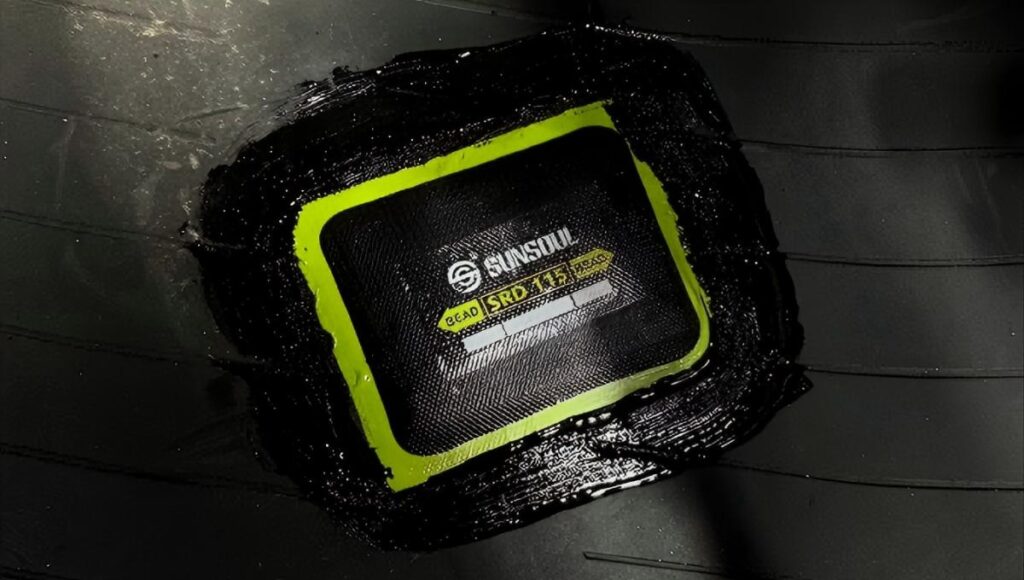
Next, they apply a thin layer of vulcanizing adhesive to the sanded area. Wait five to ten minutes until the adhesive becomes viscous. Rushing this step can lead to a failed patch. They peel off the foil backing and press the patch into the center of the puncture. Press firmly with the plastic pull tab for 30 seconds to ensure the patch adheres completely to the puncture. Afterward, re-inflate the inner tube from the outside and check for air bubbles. If no air bubbles are found, reinstall the inner tube.
Tip: Careful preparation and patient operation will make your repaired bicycle tire more durable.
Choosing the Right Patch
Choosing the right bicycle inner tube patch will affect its reliability. Quick-fix patches offer fast repairs without much effort. However, they don’t seal the liner, potentially leading to leaks. Vulcanized or chemically cured patches, such as SUNSOUL, form strong molecular bonds. These patches last longer and have excellent durability.
| Patch Type | Advantages | Limitations |
|---|---|---|
| Quick Patches | Fast repair; easy to use | May leak air; not for long-term use |
| Vulcanized Heat Patches | Strong bond; long-lasting | Takes more time; needs special tools |
Cyclists who want a reliable patched bike tire should choose vulcanized or chemical cure patches for their patch job.
Maintenance Tips
Regular maintenance can extend the life of your repaired bicycle tires. Riders should rotate their tires every 1000 to 1500 miles (approximately 1600 to 2400 kilometers) to even out wear. After riding on muddy roads, clean the tires to remove debris. Storing tires indoors protects the rubber from UV damage. Adding liner or sealant provides extra puncture protection. Riders should regularly check their tires for tread wear or cuts on the sidewalls.
- Rotate your tires every 1000 to 1500 miles (approximately 1600 to 2400 kilometers).
- Clean the tires after riding on muddy roads.
- Store the tires indoors.
- Add liner or sealant.
- Check for tread wear or cuts.
Note: Consistent maintenance helps extend the life of your repaired bicycle tires.
Bike Tire Myths and Safety Concerns
Multiple Patches
Some people believe that bicycle inner tubes are unsafe after one or two repairs. Experts say this is not the case. Inner tubes can be repaired multiple times, depending on riding style and road conditions. Most mechanics recommend replacing the inner tube after three repairs. Riders should check each repair for signs of wear. Regularly checking repairs helps prevent sudden blowouts.
- Bicycle inner tubes should not be repaired more than three times before replacement.
- Riders can repair inner tubes multiple times depending on riding style and road conditions.
Bicycle groups recommend that repairs only be made in the tread area. Each repair must be one inch apart. Repairs should be two inches from the tire sidewall. Regular maintenance ensures the safety of repaired inner tubes.
Patched vs. New Tubes
Some cyclists believe that repaired inner tubes are not as good as new ones. This misconception leads people to buy new inner tubes prematurely. The table below compares patched inner tubes and new inner tubes:
| Aspect | Patched Tube | New Tube |
|---|---|---|
| Cost | Cheaper, less waste | More expensive, creates waste |
| Time to Repair | More time-consuming | Quicker to replace |
| Risk of Failure | Can fail if not patched correctly, limited patches | Generally reliable, less risk of failure |
| Skill Required | Requires some skill to patch correctly | Easier to replace, less skill needed |
| Space in Bag | Compact, can carry multiple patches | Takes up more space, need to carry extras |
If a high-quality patch is used and the tire is repaired correctly, a patched inner tube can last as long as a new inner tube. Riders should check tire pressure after 50 miles. After that, check weekly. Inspect the repaired area monthly to detect bulges or cracks early.
Long Rides on Patched Tires
Some cyclists worry about the performance of patched inner tubes on long rides. They worry about the inner tube puncturing or leaking air. Safety experts say that patching an inner tube is fine for normal riding. This is especially true if the patch only covers a small hole in the tire tread. However, if the tire has a larger crack or bulge, do not use a patched inner tube.
If a tire has a puncture or crack, replacing the inner tube will not stop the bulge or leak. You can temporarily use a tire patch to cover the damage.
Vulcanized tire patches adhere well to tubeless tires. However, they cannot repair major problems such as bulges. If the tire damage is severe, a patch is insufficient.
Riders should ride cautiously the first day after a tire patch. Afterward, the patch should be checked monthly for problems. If a rider intends to use a patched inner tube for long rides, the tire must be checked frequently and high-quality patches must be used.
A patched bicycle tire can last a long time, provided a high-quality patch is used and the repair is done correctly. Brands like SUNSOUL, Rema, and Pedro’s produce reliable patch products. Regular tire checks help detect problems early, ensuring riding safety.
| Inspection Task | Frequency |
|---|---|
| Check tires for wear | Regularly |
| Inspect spare tube and patch kit | Before rides |
- Cyclists should check their tires regularly.
- High-quality tire patches and meticulous repairs will give you peace of mind.
FAQ
How many times can a bicycle inner tube be patched?
Most experts recommend a maximum of three patches. After each patch, some space should be left around the inner tube. Riders should check the inner tube for weak points before patching.
Is a patched bicycle tire suitable for long rides?
If the patch is strong and the tire is in good condition, a patched tire is suitable for long rides. Riders should check the patch before each trip.
Which type of patch is best for bicycle inner tubes?
Vulcanized or chemically cured patches, such as SUNSOUL, form a strong bond. These patches are more durable than quick-apply patches.
How to tell if a patch has failed?
Riders may notice a slow leak, a bulge, or a softer ride. Regular checks help detect these signs early.
Can a patched inner tube be used on any type of bicycle?
Yes, riders can use patched inner tubes on road bikes, mountain bikes, or hybrid bikes. The patch must be compatible with the size and type of inner tube.