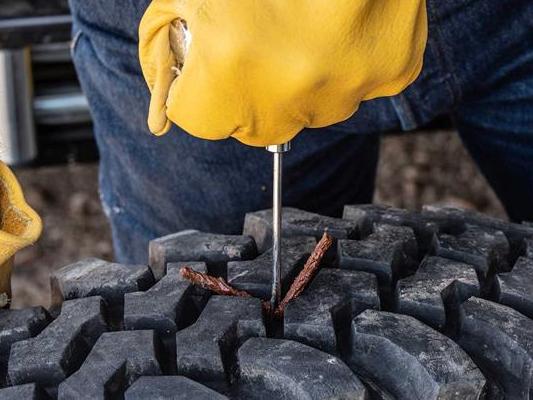

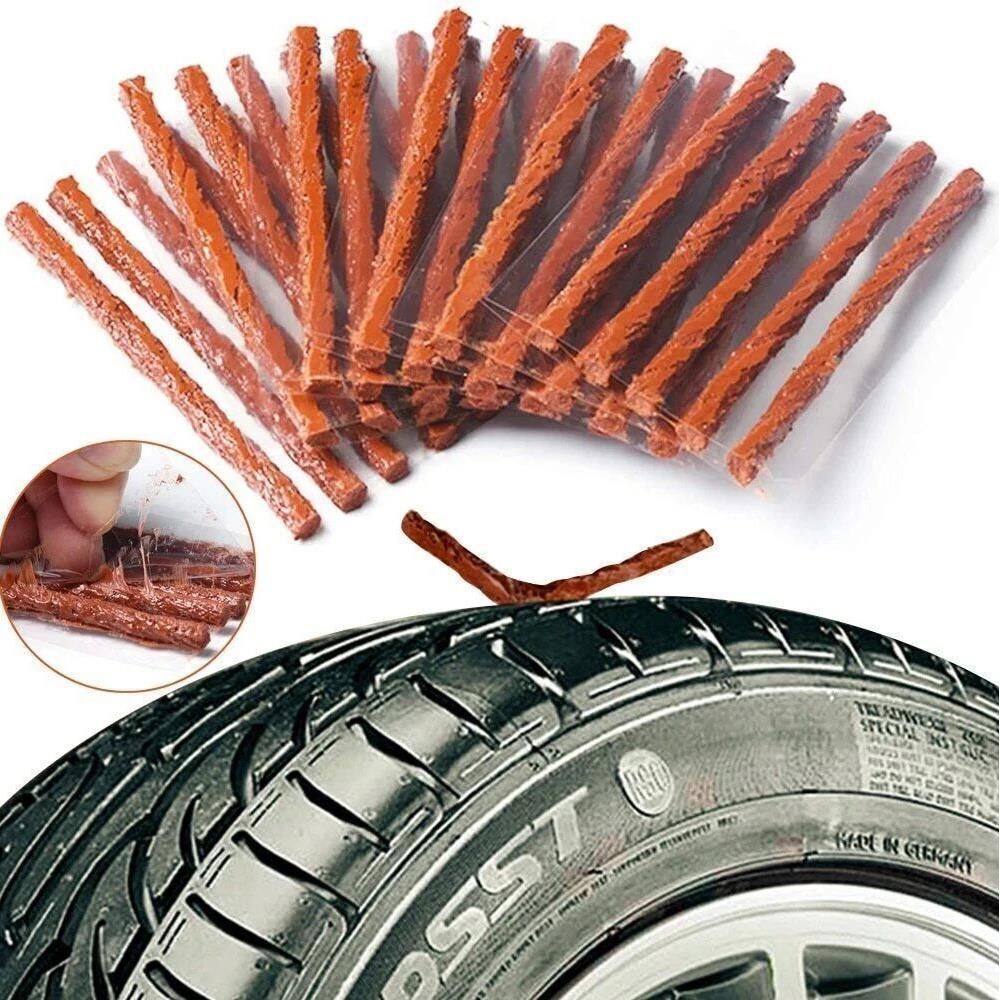
Many cyclists find that if a tire patch is installed correctly, it can last for thousands of miles even on tubeless tires. Tire patches are often used as a temporary solution, but some people check them regularly and continue using them. Cyclists need to pay attention to changes in tire pressure or visible damage. If the tire patch shows signs of failure or the tire is leaking air, a permanent repair should be considered.
Key Takeaways
- If installed correctly and checked frequently, tubeless tire patches can last for many miles. You should check your tires regularly for leaks or damage. This helps ensure safety when riding with a tire patch. If the tire has a large hole or sidewall damage, choose a permanent repair method, such as a patch. This improves riding safety. Regularly checking tire sealants and other measures help extend the life of tubeless tire patches. Riding style is also important. If you ride gently on smooth roads, the tire patch will last longer.
Tubeless Plug Lifespan
Average Mileage
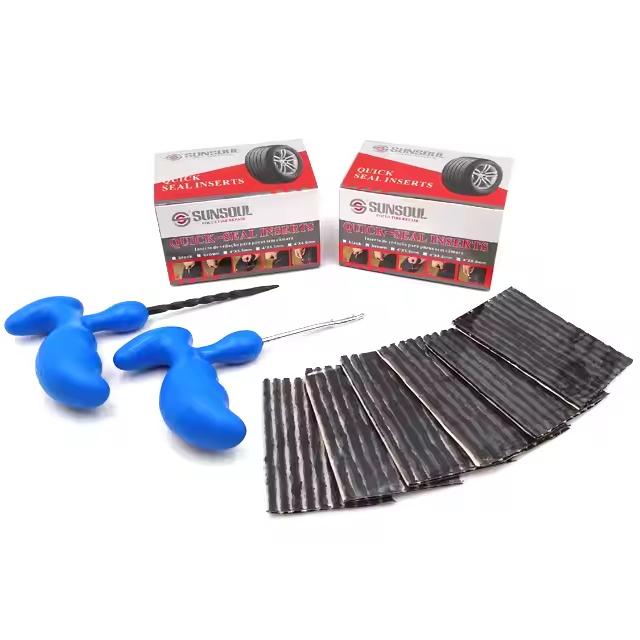
Many cyclists ask how long tubeless tire patches last. Most people believe a good tire repair strip can last for thousands of miles. They regularly check the tires to ensure the strip is still in place. They monitor tire pressure to detect leaks early. Some cyclists use the strip until the tires wear out, while others replace it much sooner. How long a strip lasts depends on several factors, such as the size of the puncture and the quality of the strip.
Tip: Cyclists should check their tires frequently after installing a tire repair strip. This helps them detect and address problems before they worsen.
Tubeless tire repair strips can immediately fix a puncture. However, their lifespan may not be as long as a permanent repair. Cyclists need to pay attention to changes in tire condition. For safety, they should consider having their tires inspected by a professional.
Temporary vs. Permanent Fix
Tubeless tire repair strips are primarily a short-term repair method. They can quickly seal a puncture, allowing the cyclist to continue riding. However, the effect of a temporary repair may not last as long as a permanent repair. Tire manufacturers recommend repairing from the inside of the tire for better results. This method uses a vulcanized rubber patch to restore the tire’s strength.
Here’s a comparison of several repair methods:
| Repair Type | Description |
|---|---|
| Temporary Repair | Plugs work well for a short time but might leak or stop working later. |
| Permanent Repair | Patching from the inside with a vulcanized rubber patch is best for a long-lasting fix. |
He can ride with a tubeless plug for some time, but a permanent repair makes him feel safer. She picks a patch if she wants her tire to last longer. Riders who use plugs should plan to get a permanent fix soon.
Tubeless Plug Longevity Factors
Plug Quality
Plug quality plays a crucial role in its lifespan. A good quality plug, if installed correctly, can last seven to ten years. Many riders have seen properly installed tire repair strips last around 25,000 miles. The seal and the strip’s placement within the tire are critical. If the strip is installed tightly and seals firmly, the rider can rely on it for a long time. Poor quality strips or hasty installation can lead to premature failure.
- High-quality strips last longer.
- Careful installation helps the strip stay in place securely.
- A strong seal prevents air from leaking into the tire.
Puncture Size & Location
The size and location of the puncture affect the seal of the patch. Small punctures on the tread are easier to repair. Larger punctures or cuts near the sidewall are more difficult to seal. Patches are best suited for small, round punctures in the center of the tire. If the puncture is too large or near the edge, the patch may not hold securely.
Note: Riders should avoid plugging holes near the sidewall. These spots face more stress and may not seal well.
Tire Condition
Tire patching works best on tires in good condition. Old or worn tires may not hold the patch securely. Cracks, fissures, or a thin tread will cause the patch to fail more quickly. Riders should check their tires for damage before using tubeless patching.
Riding Style
Riding style affects the lifespan of the patch. High speeds, sharp turns, and rough terrain increase stress on the patch. Gentle riding on flat surfaces helps extend the lifespan of the patch. Cyclists who ride intensely should check their tire repair patches more frequently.
Maintenance
Regular maintenance can extend the life of your tire repair patches. Cyclists should check their tubeless tires before each ride. They need to check for punctures, cuts, or sealant residue. Checking the sealant level is also helpful. Shaking the tire and listening for any rattling sounds can determine if sealant needs to be added. Reapplying sealant every few months will maintain the seal of the patch. Adding a drop of rubber glue or super glue to the patch can enhance the seal.
- Replace tire sealant every 2 to 6 months.
- Check the tire for new damage before each ride.
- Immediately plug any medium-sized holes to prevent them from enlarging.
These steps help cyclists make the most of their tire repair patches and ensure safe riding.
Safety When You Ride on a Tubeless Plug
Risks & Warnings
Using tire repair strips on tubeless tires can help riders quickly get back on the road. However, this method carries risks. Tire experts warn that using tire repair strips can allow air and moisture to enter the tire, causing corrosion and tread separation.
In a notable case, a minor was injured when a vehicle suffered a tire blowout that was only repaired with tire repair strips, without a patch. This incident highlights the potential dangers of relying solely on tire repair strips, a method generally considered unsafe and unreliable.
- Goodyear’s expert indicated that string plug repairs are unsafe, as they allow air and moisture to penetrate the tire, leading to corrosion and increased risk of tread separation.
The National Highway Traffic Safety Administration (NHTSA) states that using a combination of patch and rubber tire repair strips is the only correct way to repair a tire puncture. This indicates that using tire repair strips alone may not provide sufficient long-term safety.
Signs of Plug Failure
Riders should be aware of the signs that tire repair strips on tubeless tires are beginning to fail. These warning signs help prevent accidents and ensure tire safety.
- The sealant is from a reputable brand.
- The sealant is new and has been used for no more than two months.
- The rider continues riding after discovering a puncture.
- Tire pressure drops rapidly, making riding difficult (typically below 20 psi).
- The rider does not immediately attempt to inflate the tire after the sealant has taken effect.
If any of the above signs appear, the patch may not last long. The rider should inspect the tire and consider a permanent repair.
When to Replace
Riders need to know when to replace a tubeless tire patch or upgrade to a permanent repair. The following clear rules help in making a decision:
- Avoid repairing sidewall tears.
- Repair larger holes in the tire tread.
- Clean and sand the damaged area before applying the patch.
If the patch fails or the tire is leaking air, the rider should stop and properly repair the tire. If there is damage near the tire sidewall or the damage is too large, tubeless tire patches should not be used for continued riding. Permanent repairs, such as using a patch, offer greater safety and peace of mind.
Recommendations & Alternatives
When to Keep Riding
If the patch remains tight, you can continue riding. The tire should not be leaking air. Many people believe that a good patch will last until the tire wears out. Some cyclists who regularly check their tires have never experienced a patch failure. The table below shows when it is safe to continue riding:
| Condition | Description |
|---|---|
| Plug Security | The plug stays tight and does not leak air. |
| Longevity | The plug lasts as long as the tire tread. |
| Personal Experience | Riders report no plug failures with regular checks. |
Tip: Cyclists should check their tires after each ride. If the patch is leaking air or the tire is leaking, get a permanent repair.
There are some risks associated with riding with a patch for an extended period. Patches can fail or leak air over time. Tire bending can reduce the strength of the tire repair strip, especially after long mileage. Riders should pay attention to slow leaks or changes in tire pressure.
Permanent Repair Options
Tire experts say that patches are the best option for permanent repairs. Patches can repair larger holes and angled punctures. Tire repair strips are suitable for smaller, round holes in the tire tread. Professional repair shops prefer patches because they are more durable and reliable. Do not use tire repair strips or patches to repair sidewall damage. The table below compares various repair methods:
| Repair Method | Advantages | Limitations |
|---|---|---|
| Tire Patches | Durable, reliable, fixes larger holes, professional | Needs tools and skill |
| Tire Plugs | Quick, easy, good for small holes | Temporary, not for sidewalls |
Note: Patching works best when the tire is off the wheel. This gives a strong and lasting repair.
Using Tire Patches
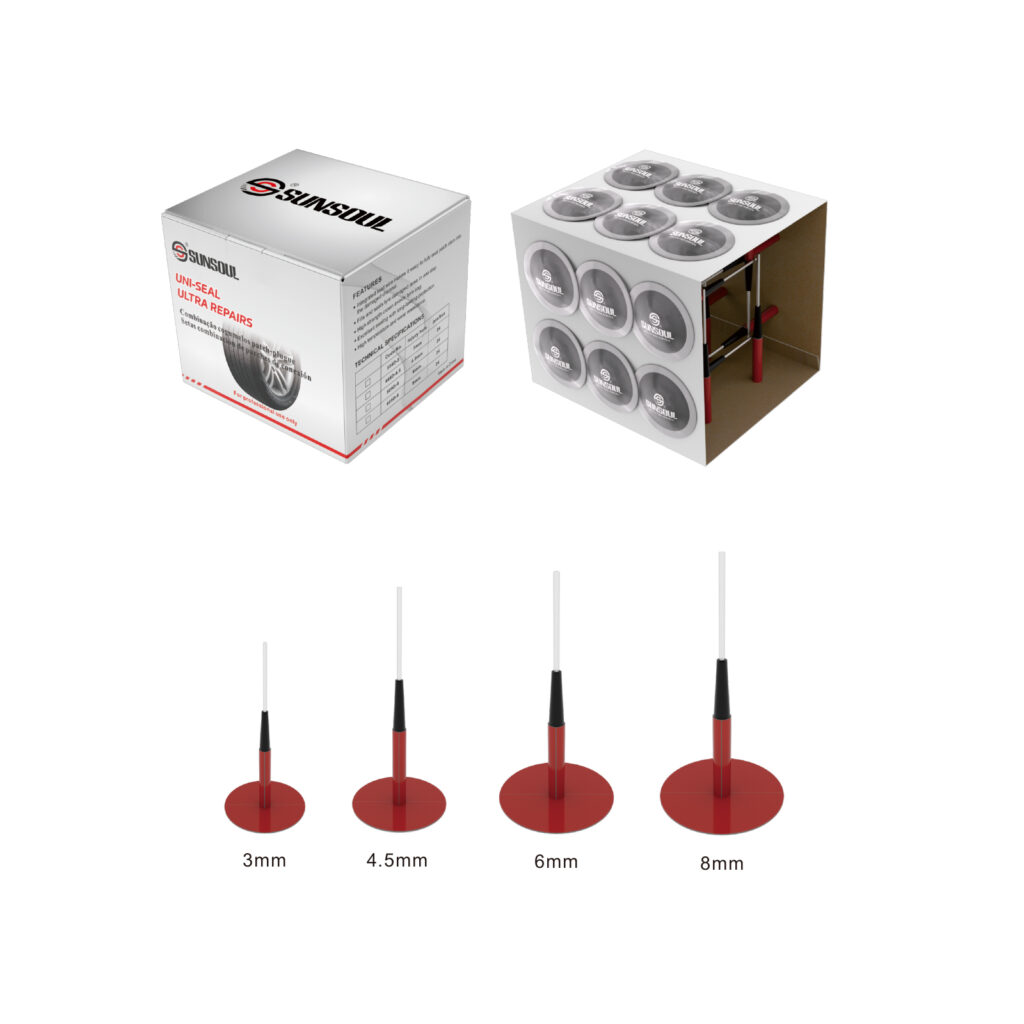
SUNSOUL tire patches are the ideal choice for permanent tire repair. Made with high-strength materials, these patches bond firmly to the tire. They are suitable for all weather conditions and are tear-resistant. SUNSOUL tire patches are DOT and ECE R109 certified and come with a one-year warranty. The patches are easy to install and fit a variety of tires. The following table lists their features:
| Feature | Description |
|---|---|
| Strong Adhesion | Sticks tightly for a strong seal |
| Durability | Works in hot and cold weather |
| Tear Resistance | 20% tougher than other patches |
| Certification | DOT and ECE R109 certified |
| Warranty | 1-year warranty |
SUNSOUL Tire Patch helps riders fix holes quickly and safely. It saves money compared to buying a new tire. Riders feel better knowing their tire repair will last.
Picking the right repair keeps riders safe and confident. Permanent repairs like patches protect against sudden problems and help tires last longer.
Many cyclists can ride thousands of miles even with tubeless tire patches if they regularly check their tires. They should only repair small holes in the tread, keep the repair area clean, and ensure sufficient tread depth remains. Regular checks help detect wear, maintain tire pressure, and ensure tire safety. Cyclists who want durable repairs can choose products like SUNSOUL tire patches for peace of mind and reliable performance.
- Small holes in the tread can usually be safely repaired.
- Piercings should not exceed 1/4 inch (approximately 0.6 cm).
- Regularly check tires for visible wear and damage.
FAQ
How long can tubeless tire sealant be used safely?
Most cyclists can ride thousands of miles with properly applied sealant. Cyclists should regularly check their tires for leaks or damage. Regular checks help ensure safe riding.
Can tubeless tire sealant repair all types of punctures?
Tubeless tire sealant is best suited for repairing small, round holes in the tire tread. Larger holes or sidewall damage require a patch or replacement tire. Cyclists should avoid repairing sidewall tears.
What are the signs of tubeless tire sealant failure?
Cyclists may notice leaks, visible damage, or sealant leakage. The tire may feel soft or leak air quickly. If these signs appear, cyclists should replace the sealant or seek permanent repair.
Are tire patches better than sealant?
Tire patches provide a stronger, more durable repair. SUNSOUL tire patches are made with high-quality materials and are durable. Cyclists can rely on tire patches for permanent repairs.
How often should a patched tire be checked?
You should check your tires before each ride. Check for leaks, low tire pressure, or other problems.new damage. Regular checks help prevent sudden failures.