

An inner tire patch can last as long as the tire itself when installed correctly. Most inside tire patches remain effective for 7 to 10 years, depending on several factors. Proper installation is key—this includes thoroughly inspecting the tire, preparing the puncture area, and following the correct repair steps. The type of patch you use also plays a significant role. For example, a vulcanizing tire patch offers exceptional strength and is ideal for repairing larger holes. Additionally, the location of the puncture can affect how long the patch will hold.
Choosing the best inner tube patch kit from a trusted brand like Sunsoul ensures greater safety and reliability for your repairs.
Key Takeaways
A good inner tire patch can last 7 to 10 years. How long it lasts depends on how well it was fixed and where the hole is. – Make sure to follow all the right steps when putting in a patch. Clean and roughen the area first to help the patch stick well. – Use both a patch and a plug for bigger holes. This makes the repair stronger and helps it last longer. – Check your tire pressure often after fixing a tire. Look for leaks so you can find problems early. – Pick patches from brands you trust. Good patches help keep you safe and make your tire repair last.
How long an inside tire patch lasts
A lot of people wonder, “How long do tire patches last?” Experts say a well-done inner tire patch can last 7 to 10 years. Sometimes, the patch lasts as long as the tire does. How long it lasts depends on how good the repair is and where the hole is. If a technician does every step right, the patched tire can stay safe for many years.
Doing the job right is very important for a tire patch to last. The Tire Industry Association (TIA) has strict rules for fixing tires. These rules say you must take the tire off the rim and clean the area around the hole. You also need to roughen the spot and use self-vulcanizing cement. The inside liner should be prepared well so the patch sticks. If you follow all these steps, the patch can be a permanent fix, not just a quick one.
Tip: Check your tires often after a repair. Watch the tire pressure and look for leaks to catch problems early.
Looking at the repair rules shows how each step matters for the patch to last:
Guideline | Description |
|---|---|
Combination Repair | Using both a plug and patch makes a tight seal and helps it last longer. |
Maximum Size Limit | Only fix holes up to 1/4 inch deep for best results. |
Proper Placement | The patch and plug need to be in the right spot to work well. |
Regular Maintenance | Checking the tire often helps the patch last longer. |
Most patches fail because they were not put in right. The Rubber Manufacturers Association (RMA) says 88% of tire repairs are not done the right way. This big number shows why following the rules is so important. Getting the surface ready and checking the tire often can help a patched tire last longer.
Here are some steps that help a patch last a long time:
Clean and roughen the area before putting on cement and patch.
Use a plug-patch kit together for the best seal.
Watch the tire pressure for 24 to 48 hours after fixing to make sure the patch works.
If someone fixes a tire using these steps, the patch can last for years. Picking a good patch and doing the repair the right way helps drivers feel safe. An inner tire patch, when put in carefully, gives a strong and safe fix for a damaged tire.
Factors impacting inside tire patch durability
Installation quality and technique
How a technician puts in an inner tire patch matters a lot. The patch sticks better if the surface is clean and rough. Pressing down on the patch makes a tight seal. This keeps the tire safe after fixing it. Good tire patches use strong materials. These materials can handle heat and pressure. They also move with the tire. If you follow each step, the patch will last longer.
Tip: Make sure the patch covers the hole and lays flat.
Puncture size and location
The size and spot of the hole are important. Small holes in the tread are easy to patch. Big holes or ones near the sidewall are harder to fix. Sometimes, you need a new tire for big or sidewall holes. Experts say only patch holes up to 1/4 inch wide.
Factor | Description |
|---|---|
Type and Size of Damage | Small holes can be fixed, but big or sidewall holes may need a new tire. |
Proper Tire Maintenance | Check tire pressure and rotate tires often to help patches last. |
Driving Habits and Conditions | Drive carefully and avoid rough roads to keep patches working. |
Driving conditions and habits
How and where you drive changes how long a patch lasts. Driving fast or on rough roads is hard on the patch. These things make the tire hotter and wear it out faster. If you avoid potholes and sharp things, your patch will last longer.
Heat from driving fast wears out the tire rubber.
High speeds put more force on the tire.
Hitting things at high speed can break the tire or patch.
Good tire patches stick well, even on tough roads. Checking air pressure and rotating tires helps the patch last longer.
Tire age and condition
How old and worn the tire is matters for patching. Old tires do not grip the road as well. This makes repairs weaker. Old tires can blow out more easily, which can hurt the patch. Worn tires can get more damage and make the patch fail.
Old tires lose grip, so repairs do not work as well.
Blowouts happen more with old tires, which can break the patch.
Worn tires can get more damage and make the patch not last.
A technician should look at the tire before patching it. If the tire is old or very worn, it is safer to get a new tire.
Types of inner tire patches and their uses
Vulcanizing vs. adhesive patches
People often pick between vulcanizing and adhesive patches for tires. Vulcanizing patches use a special gum that sticks to the rubber. This makes a strong seal that does not leak. These patches are good for fixing tires on trucks, motorcycles, and bikes. They last a long time and can handle rough roads. Adhesive patches stick to the tire without extra glue. They are fast to use but do not last as long. They might not work well if the tire gets hot or has high pressure.
Type of Patch | Characteristics | Lifespan/Usage Context |
|---|---|---|
Vulcanizing Inner Tube Patches | Permanent bond, uses rubber glue, strong and durable | Long-lasting, ideal for routine repairs |
Adhesive Patches | No extra glue needed, easy to apply | Medium durability, best for temporary repairs |
People say vulcanizing patches can last for many years. Adhesive patches may stop working sooner. If you want a patch to last, vulcanizing patches are a better choice.
Mushroom plug and self-adhesive options
Mushroom plug patches are good for bigger holes. They need special tools to put in. These plugs fit many tubeless tires and can seal many hole sizes. Self-adhesive patches are easy and cheap. You do not need glue or tools for them. But if the patch is not good quality, it can cause problems later.
Note: Always check the size and spot of the hole before patching. Some holes need a different way to fix them.
Choosing the right patch for your needs
Pick the best patch by looking at the damage and where it is. The hole should be in the tread and not close to the edge. Do not patch holes bigger than 1/4 inch for cars or 3/8 inch for light trucks. Using both a patch and plug works best for sharp objects in the tread. If the sidewall is damaged, you need a new tire.
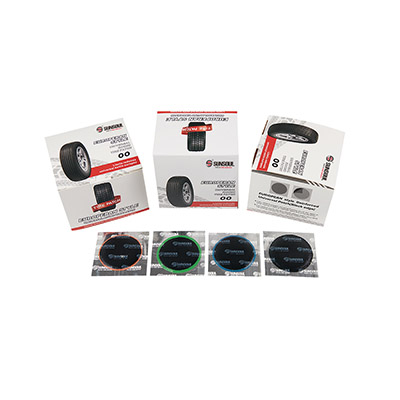
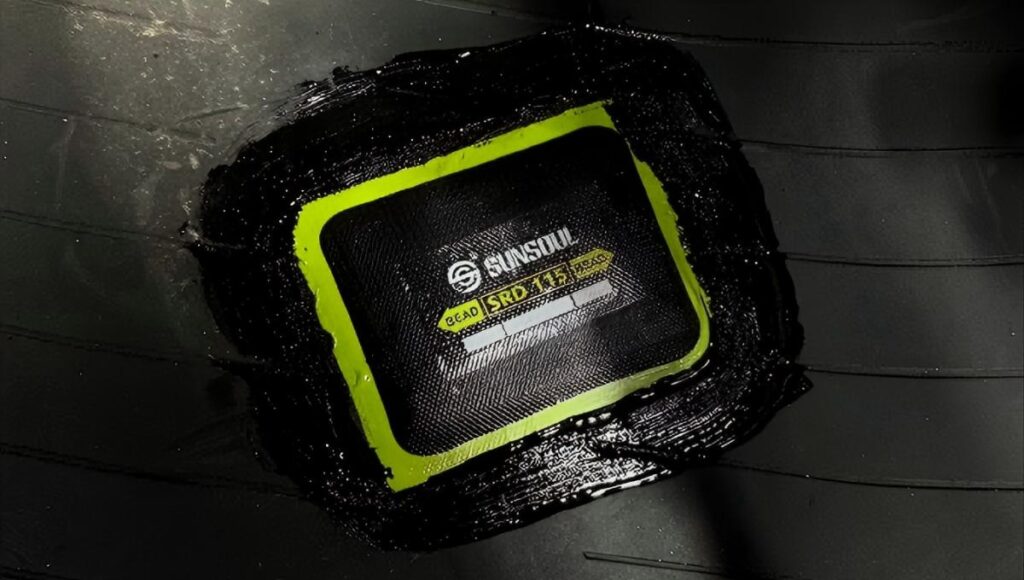
Sunsoul Inner Tube Patches are strong and safe. They use vulcanizing gum for a tight seal. The rubber can handle heat and cold. Each kit has strong patches and good tools. Sunsoul gives a long warranty and good help if you need it. Drivers can trust Sunsoul for fixing tires that last a long time.
Tip: Using a trusted brand like Sunsoul helps keep tire patches safe and strong.
Safety and limitations of inside tire patch repairs
When patching is safe and effective
A technician can fix a tire if certain rules are followed. The hole must be in the middle part of the tire, not near the edge or side. The hole should be no bigger than ¼ inch for fabric-ply tires or 3/8 inch for steel belted tires. The tire must be in good shape. Tires that are very worn out, have split layers, or have been hit hard should not get a patch. These rules help make sure the patch will work well.
Put the patch in the center of the tread.
Make sure the hole is not too big.
Look at the tire for damage or wear before fixing.
Tip: Always use the tire maker’s rules when patching to stay safe.
Risks and limitations of patch repairs
Car safety groups say there are some limits to patching tires. The tire must be taken off the wheel to check it well. Quick fixes like string plugs do not last long. Patches should only go in the middle of the tread, and holes bigger than ¼ inch cannot be fixed. Tires with tread worn down to 2/32 inch or with more than one close hole should be replaced. Each tire type has its own repair rules from the maker.
Limitation Description | Details |
|---|---|
Proper Repair Process | Tire must be taken off for a good check and repair. |
Temporary Repairs | String plugs and quick fixes are not a good idea. |
Repair Area Limitations | Only fix holes in the center tread area. |
Size of Puncture | Do not patch holes bigger than ¼-inch (6mm). |
Tread Depth | Do not patch tires with tread worn to 2/32-inch. |
Overlapping Injuries | Tires with more than one close hole should be thrown away. |
Manufacturer Guidelines | Always follow the tire maker’s repair rules. |
Fast cars or heavy trucks have extra risks. If the patch does not seal the inside well, air can leak out slowly and make the tire weak. If the outside hole is still open, the tire can wear unevenly and get damaged more easily.
Slow leaks can happen if the patch does not seal tight.
The tire can wear unevenly if the outside hole stays open.
Signs a patch may be failing
Drivers should look for signs that a patch is not working. Cracks, bumps, or bubbles on the tire can mean the patch is going bad. Low air pressure after fixing the tire is a warning sign. If the car shakes or feels odd, the patch might be failing. Tires with little tread do not grip well and may show the patch is not holding. Old tires are more likely to have patch problems.
Cracks, bumps, or bubbles on the tire
Low air pressure after a patch
Strange shaking while driving
Not much tread left
Old tires with lots of wear
Note: Check your tires often to find patch problems early and stay safe.
Inner tire patch vs. other repair methods
Patch vs. plug repairs
Tire patches and plugs both fix punctures, but they work in different ways. A patch covers the hole from inside the tire, creating a strong seal. A plug fills the hole from the outside. Tire technicians often choose patches for better safety and longer-lasting results.
Method | Effectiveness | Durability | Cost |
|---|---|---|---|
Tire Patches | Superior for larger punctures | More durable and secure | Higher due to labor and materials |
Tire Plugs | Suitable for small holes | Less durable, temporary | Lower, easy to install |
A patch usually lasts longer than a plug. Patches reinforce the tire from the inside, making the repair more secure. Plugs can work for small holes, but they may let air leak out over time. Most experts see plugs as a quick fix, not a permanent solution.
Tire patches provide a robust and enduring repair.
Plugs are best for small, simple punctures.
Patches create a more permanent seal.
Plugs may lead to slow air leaks.
Tire shops often recommend patches for reliability. They help keep the tire safe for a longer time.
When to replace tire instead of patching
Sometimes, patching is not the best choice. Tire experts suggest replacing a tire in these situations:
Low tread depth can cause loss of grip, especially on wet roads.
Damage to the sidewall weakens the tire and raises the risk of a blowout.
Severe punctures or cuts, especially in the sidewall, require a new tire.
Tires older than six years may show signs of aging and should be checked.
Uneven wear can signal deeper problems that make patching unsafe.
Cost also plays a role in the decision. Basic patch or plug repairs cost between $20 and $50. Flat tire repairs can reach $100. Damage to the rim area may cost up to $150. Replacing a tire often costs less than $200.
Tip: Always check the tire’s age, tread, and damage before deciding to patch or replace. Safety comes first.
An inside tire patch can last 7 to 10 years if put in right and checked often. Experts say to patch only small holes in the tread. Using good brands like Sunsoul makes the patch more reliable. Drivers should do these things:
Check how big the hole is and where it is.
Try the penny test to see if the tread is deep enough.
Get new tires if the sidewall is hurt or the tire is very worn.
Checking your tires often helps keep you safe on the road. 🚗
FAQ
How long does an inside tire patch last?
Most inside tire patches last 7 to 10 years. A patch can last as long as the tire if installed correctly and checked often.
Can you drive fast on a patched tire?
Yes, drivers can drive at normal speeds on a properly patched tire. Experts recommend checking the patch and tire pressure before long trips.
What types of punctures can be patched?
Technicians can patch small holes in the tread area, usually up to 1/4 inch wide. Holes in the sidewall or larger than this size need a new tire.
How do you know if a tire patch is failing?
Signs include low air pressure, bumps, or cracks near the patch. The tire may also shake or make noise. Drivers should check tires often for these signs.
Are Sunsoul Inner Tube Patches safe for all vehicles?
Sunsoul Inner Tube Patches work for bicycles, motorcycles, cars, and trucks. Each kit includes patches and tools for different vehicles. Always follow the instructions for best results.