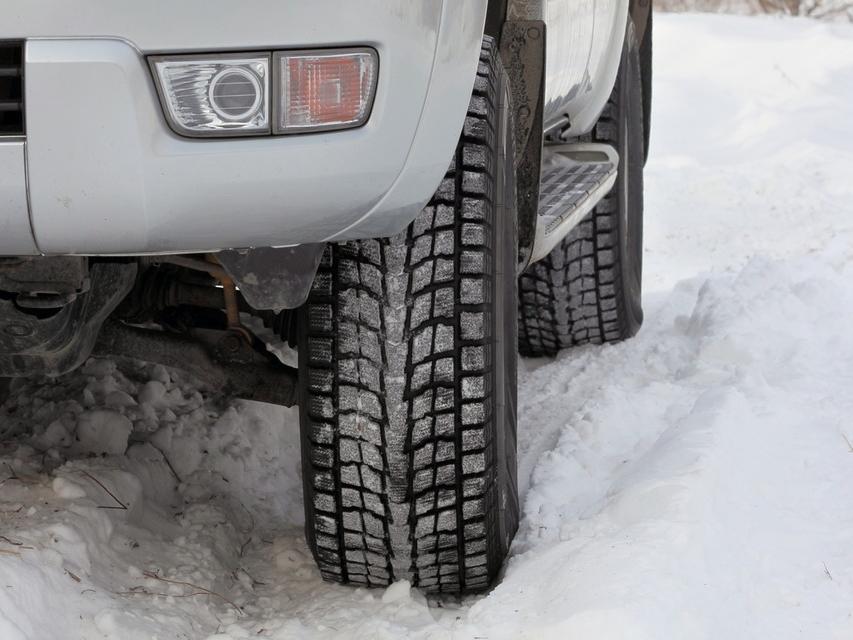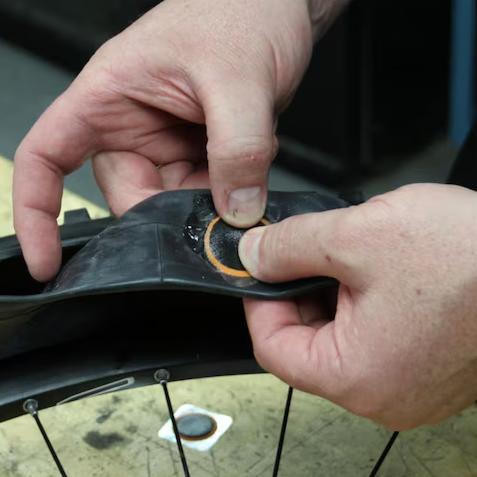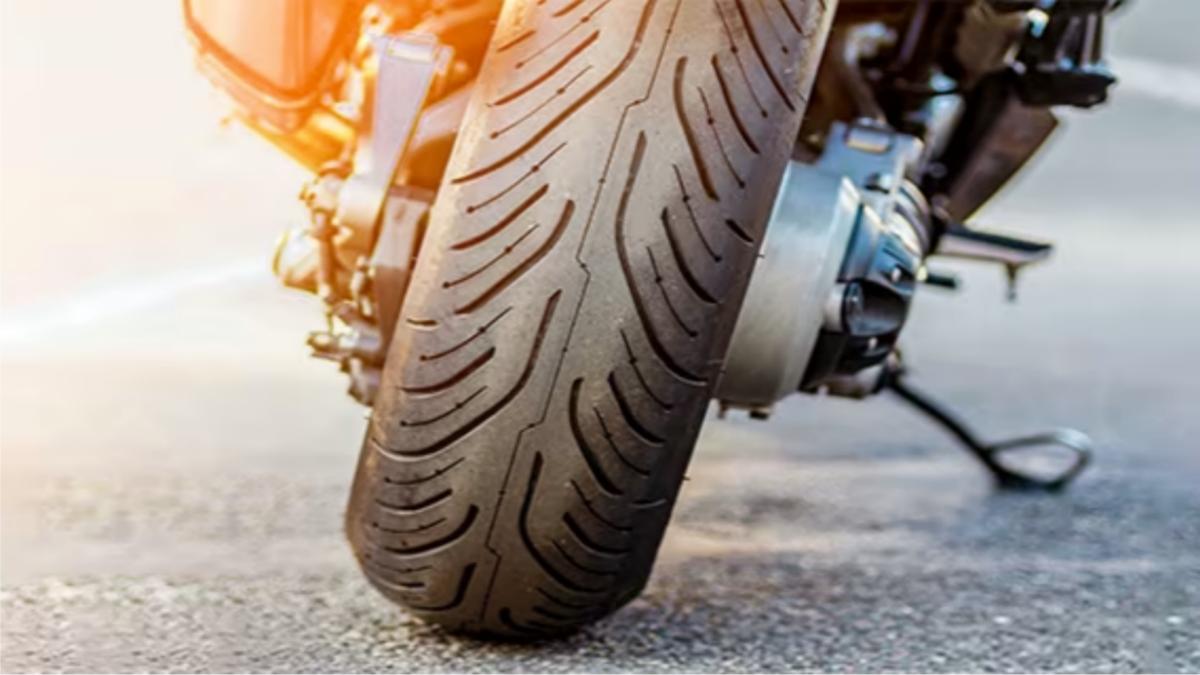


Every year, drivers face about 94 million flat tires in the U.S. You might not expect a tire puncture, but it can happen at any time. Many drivers use rubber tire plugs for fast tire repair, making it possible to keep driving after a flat. Some choose to plug the tire themselves, while others call for emergency help. SUNSOUL’s tire plug products help drivers in over 60 countries fix a puncture quickly and safely.
What Are Rubber Tire Plugs?
Definition and Purpose of Tire Repair
You may find yourself with a flat tire after driving over a nail or screw. Rubber tire plugs help you fix this problem quickly. These plugs go directly into the hole in your tire. They seal the puncture and stop air from leaking out. Most plugs use rubber or latex, which makes them flexible and able to fit tightly in the hole. You can use a tire plug for a fast fix, especially when you need to get back on the road right away. Tire repair with plugs is simple and affordable. You do not need special tools or training to use them. This makes them a popular choice for emergency situations.
Types of Rubber Tire Plugs for Flat Tire Emergencies
You have two main options for tire repair: plugs and patches. A tire plug is a piece of flexible rubber that you push into the puncture from the outside. This method works well for emergencies and lets you drive again in minutes. A tire patch, on the other hand, goes inside the tire. You must remove the tire from the wheel to apply it. Patches last longer and give a stronger repair. Many tire shops use both a plug and a patch together for the best results. You should only repair punctures in the tread area, at least half an inch from the edge, to keep your tire safe.
Tip: Most punctures come from sharp objects like nails, screws, or glass. Always check your tire for these items if you notice a loss of air.
- Nails
- Screws
- Rocks
- Curbs
- Potholes
- Glass
SUNSOUL’s Innovative Tire Plug Design
SUNSOUL offers a tire plug kit that stands out for its user-friendly features. You can see the difference in the table below:
| Feature | Description |
|---|---|
| User-friendly instructions | Easy to follow, making it accessible for all users. |
| Compatibility | Works with modern vehicles, including tubeless and run-flat tires. |
| Strong adhesion | Ensures reliable sealing and durability during use. |
| Extensive support | Provides training materials and fast logistics for dealers. |
| Global trust | Trusted in over 60 countries, indicating reliability and quality. |
| Lifetime maintenance consultation | Ongoing support to keep the kit ready for use. |
You can trust SUNSOUL tire repair products to help you handle flat tires anywhere. Their strong adhesion and easy instructions make them a smart choice for drivers around the world.
The Science Behind Rubber Tire Plugs
Materials Used in Tire Repair Plugs
You might wonder what makes rubber tire plugs so effective. Manufacturers use a mix of natural and synthetic materials to create these plugs. Each material brings unique properties that help the plug seal and last. Here is a table showing the most common materials and their roles:
| Material | Properties |
|---|---|
| Natural rubber | Basic elastomer used in tire making. |
| Styrene-butadiene (SBR) | Synthetic rubber, often used as a substitute for natural rubber based on cost. |
| Polybutadiene | Low heat-buildup properties, used in combination with other rubbers. |
| Halobutyl rubber | Low air permeability, used for tubeless inner liner compounds. |
| Carbon black | Provides reinforcement and abrasion resistance. |
| Silica | Low heat build-up reinforcement, used with carbon black in high-performance tires. |
| Sulphur | Crosslinks rubber molecules during the vulcanization process. |
| Vulcanizing accelerators | Organic compounds that speed up the vulcanization process. |
| Activators | Assist in vulcanization, with zinc oxide as the main one. |
| Antioxidants and antiozonants | Prevent sidewall cracking due to sunlight and ozone exposure. |
| Textile fabric | Reinforces the carcass of the tire. |
These materials work together to give you a plug that is strong, flexible, and able to handle pressure.
How Rubber Seals a Tire Puncture
When you insert a plug into a puncture, the rubber material presses against the tire’s inner structure. The tire has fibers under tension. These fibers tighten around the plug when you inflate the tire. This action helps the plug stay in place and creates a tight seal. The adhesive on the plug also fills the hole, stopping air from leaking out. You get a repair that keeps you safe and lets you keep driving.
Tip: Always check that the fibers in your tire remain intact after a puncture. This helps the plug seal better and last longer.
Adhesion, Vulcanization, and Flexibility in Tire Repair
You need three things for a plug to work well: adhesion, vulcanization, and flexibility. The plug sticks to the tire’s inner lining because of strong adhesion. This prevents air from escaping. Vulcanization plays a key role in making the plug tough. During vulcanization, heat and chemicals crosslink the rubber molecules. This process happens several times: when the plug is made, when you insert it, and as the tire heats up during driving. Vulcanization makes the plug durable and able to handle pressure and heat. The plug’s flexibility lets it fit the shape of the puncture. This ensures a tight seal every time. You can trust that vulcanization gives the plug the strength it needs for long-lasting repairs. Without vulcanization, the plug would not hold up under stress. You benefit from a repair that stays strong, even in tough conditions. Vulcanization is the science that makes rubber tire plugs reliable for every driver.
Step-by-Step Tire Repair: How Rubber Tire Plugs Fix a Puncture
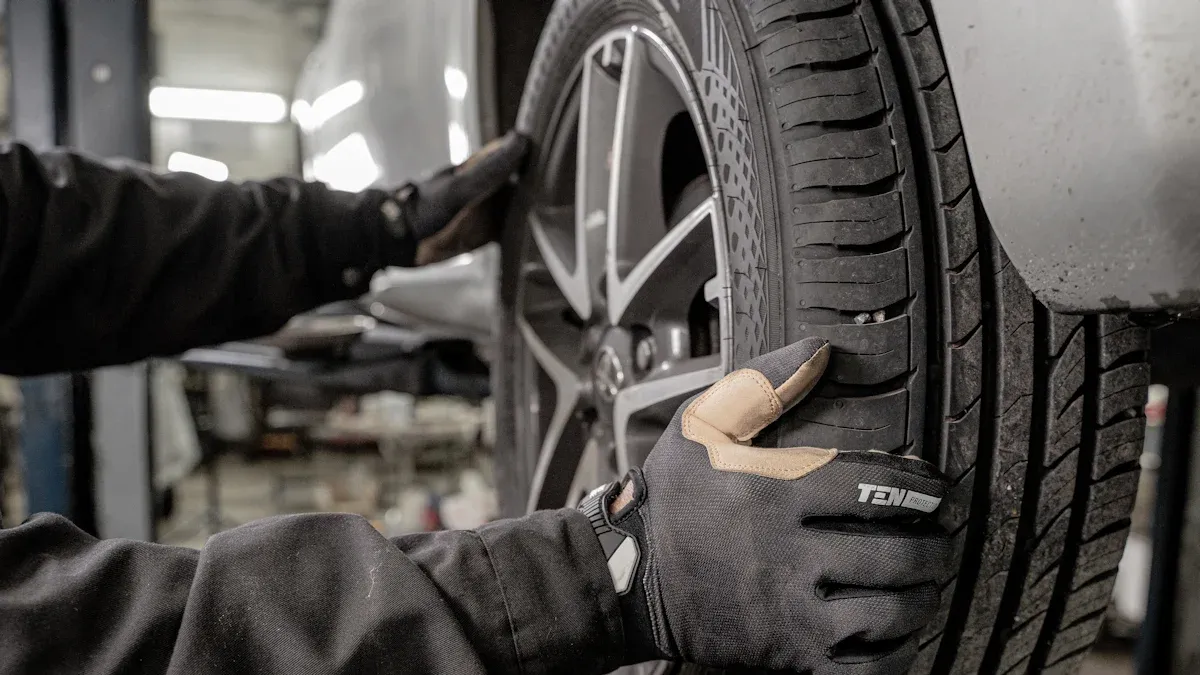
Locating the Tire Puncture
You need to find the exact spot where your tire lost air before you start any repair. Begin by checking the damaged tire for visible signs of a puncture. Look for nails, screws, or sharp objects stuck in the tread. Run your hand gently over the surface. Be careful not to cut yourself on any debris. If you cannot see the hole, mix soap and water in a small container. Pour the mixture over the tire. Watch for bubbles. Bubbles will form where air escapes, showing you the precise location of the puncture.
Tip: Always inspect the entire tread area. Some punctures hide in the grooves or between the tread blocks.
Steps to locate a puncture:
- Examine the tire for obvious damage or foreign objects.
- Gently feel the surface for sharp items.
- Use soapy water to spot air bubbles and confirm the leak.
Preparing the Tire for Plugging
Once you find the puncture, you must prepare the tire for plugging. Remove the object causing the leak with small wire cutters or pliers. This step prevents further damage. Next, use a T-handle reamer tool to enlarge and roughen the hole. This action helps the plug stick better. Insert the reamer into the puncture and twist it a few times. This process creates a clean path for the plug.
Gather the essential tools for this step:
- Tire plugs (coated cords)
- Rubber cement (for lubrication and adhesion)
- T-handle reamer tool (to prepare the hole)
- T-handle plug installation tool (to insert the plug)
Note: Always keep your tire repair kit in your vehicle. You never know when you will need it.
Inserting the Rubber Tire Plug
Now you are ready to insert the plug and finish the repair. Take a string plug and thread it through the eye of the T-handle plug installation tool. Apply rubber cement to both the plug and the hole. This glue helps the plug seal tightly and prevents leaks. Push the plug into the puncture until only a small amount remains outside the tread. Pull the tool straight out. The plug will stay in the tire, filling the hole.
Trim any excess plug material with a razor blade so it sits level with the tread. Refill the tire with air to the recommended pressure. Check for leaks by pouring soapy water over the repair area. If you see no bubbles, the plug has sealed the puncture.
Step-by-step process for inserting a plug:
- Assess the damage and make sure the puncture is in the tread.
- Elevate your vehicle and remove the tire if needed.
- Remove the object from the puncture.
- Prep the hole with the reamer tool.
- Insert the plug into the tool.
- Apply rubber cement to the plug and hole.
- Push the plug into the puncture.
- Remove the tool, leaving the plug in place.
- Trim excess plug material.
- Inflate the tire and check for leaks.
🛠️ Pro Tip: Always check your tire pressure after plugging. Proper inflation keeps you safe and extends tire life.
Ensuring a Secure Seal for Flat Tire Repair
You want your tire repair to last, so making sure the seal is secure matters. After you insert the plug, you need to check that it holds air and keeps you safe on the road. Start by inflating your tire to the recommended pressure. This step helps the plug expand and fit tightly in the puncture. Next, drive your car a short distance. This movement lets the plug settle and allows any sealant to coat the inside of the tire.
You should check your tire pressure after driving about 50 miles. If the pressure stays the same, the plug has sealed the hole well. Check again the next day to make sure the tire still holds air. If you see no drop in pressure, you can trust your repair.
Tip: Always use soapy water to check for leaks right after plugging. If you see bubbles, the plug may not have sealed completely. In that case, repeat the repair steps or seek professional help.
A secure seal means you can drive with confidence. You avoid sudden air loss and keep your tire in good shape. This process gives you peace of mind, especially when you are far from a repair shop.
SUNSOUL’s User-Friendly Tire Plug Kits
SUNSOUL designs its tire plug kits for drivers like you who want quick and easy repairs. You do not need special skills to use these kits. Each kit includes tools with ergonomic handles, such as T-handles, that fit comfortably in your hand. These handles help you grip the tool firmly and reduce hand fatigue during the repair. Lightweight tools make the job faster and keep your hands from getting tired.
You will find that every tool has its own spot in the compact storage case. This modular layout means you can grab what you need without searching. The case protects your tools and plugs from damage, so they are always ready when you need them. SUNSOUL also includes gloves in the kit to keep your hands clean and safe.
Clear instructions come with every SUNSOUL kit. These guides use step-by-step directions and pictures. You can follow each step easily, even if you have never repaired a tire before. The visual help boosts your confidence and helps you avoid mistakes.
Note: A rugged carrying case keeps your kit organized and protects it from bumps and drops. You can store it in your trunk and always have it ready for emergencies.
SUNSOUL’s plug kits give you everything you need for a fast, reliable tire repair. You save time, avoid stress, and get back on the road quickly.
Why Rubber Tire Plugs Are Essential for Every Driver

Emergency Tire Repair for Flat Tires
You never know when a flat tire will happen. A sharp nail or screw can cause a puncture while you drive. You need a quick solution for this emergency. Rubber tire plugs help you fix a flat tire fast. You do not have to remove the tire from the rim. You can seal small punctures and stop air loss right away. Most string plugs measure 4 to 5 inches long. They use a tacky coating to seal the puncture tightly. Tire repair kits include all the tools you need. You can keep a kit in your car for any emergency. The table below shows common scenarios where you use rubber tire plugs:
| Scenario | Description |
|---|---|
| Small punctures | Plugs seal small punctures and prevent air loss in a flat tire. |
| Quick application | You can use plugs without removing the tire from the rim. |
| Cost-efficient | Plugs offer a low-cost solution for emergency tire repair. |
🚗 Tip: Always check your tire for sharp objects if you notice a flat. You can fix most emergencies with a plug kit in minutes.
Cost Savings Compared to Other Tire Repair Methods
You save money when you use rubber tire plugs for a flat tire. Professional tire patching costs more. Tire replacement costs even more. You can see the difference in the table below:
| Repair Type | Cost Range |
|---|---|
| Rubber Tire Plug Repair | $10 – $20 |
| Professional Tire Patching | $20 – $50 |
| Tire Replacement | Typically higher |
You spend less on a plug kit than on other repair methods. Most kits cost between $4.00 and $5.00. You can use them for many flat tire emergencies. You avoid high fees at repair shops. You also avoid the cost of buying a new tire for a small puncture.
Convenience and Speed of Tire Plugging
You want to get back on the road quickly after a flat tire. Rubber tire plugs make tire repair fast and easy. You do not need special skills. You can fix a puncture in minutes. The process takes less time than patching or replacing a tire. Here is a quick look at repair times:
| Repair Method | Estimated Time |
|---|---|
| Patching a Puncture | 15-30 minutes |
| Professional Repair | 30 minutes to 1 hour |
| Tire Patch and Plug Repair | 20-30 minutes |
You can plug a flat tire in less than 10 minutes. You do not have to wait for a tow truck or spend time at a shop. You stay safe and avoid delays during an emergency. You keep driving with confidence, knowing you fixed the puncture yourself.
Reliability and Safety of SUNSOUL Tire Repair Products
When you choose a tire repair kit, you want to know it will work every time. SUNSOUL tire repair products give you that confidence. You see their kits trusted by drivers in more than 60 countries. This global trust shows that people rely on SUNSOUL for safe and effective tire repairs.
You get high-quality materials in every kit. SUNSOUL uses strong rubber and advanced adhesives. These materials help you seal punctures quickly and keep your tires safe. You do not have to worry about weak plugs or poor seals. Each product goes through strict quality checks before it reaches you.
SUNSOUL stands behind every kit with a strong warranty. You get peace of mind knowing your purchase is protected. If you have any problems, SUNSOUL offers fast support and lifetime maintenance consultation. You can ask questions and get help whenever you need it.
The company makes over two million tire patches each month. This high production volume means you always get fresh products. You do not have to worry about old or expired repair kits. SUNSOUL keeps its supply steady and reliable.
Here is a quick look at what makes SUNSOUL tire repair products stand out:
| Evidence Point | Description |
|---|---|
| Global Trust | SUNSOUL’s tire repair kits have earned trust worldwide for their strong build and reliable results. |
| Quality Materials | Trusted in over 60 countries for reliability and high-quality materials. |
| Strong Warranty | SUNSOUL offers a strong guarantee on every kit, ensuring customer peace of mind. |
| Production Volume | The company makes over two million patches each month, ensuring fresh and reliable products. |
🛡️ Tip: Always check for a warranty when you buy a tire repair kit. A strong guarantee means the company stands behind its products.
You want safety and reliability on the road. SUNSOUL gives you both. You can fix a flat tire and keep driving with confidence. You know your repair will last, and you have support if you need it. SUNSOUL tire repair products help you stay safe wherever you travel.
Common Questions and Misconceptions About Tire Repair
Are Rubber Tire Plugs Safe for Long-Term Tire Use?
You may wonder if a rubber tire plug can keep your flat tire safe for a long time. Many drivers believe a plug will bond with the tire through a chemical process, but this is not true. A plug seals the puncture by compression, not by vulcanization. Some people think rubber cement is essential for sealing, but it mainly helps with installation and is not required for a secure seal. Experts say you should only use a plug for a punctured tire in the center tread area. If you have a flat near the sidewall or shoulder, do not use a plug. For the best safety, combine a plug with a tire patch. The National Highway Traffic Safety Administration recommends this combination for a reliable repair. Under the right conditions, a plugged tire can last up to 25,000 miles or even 7 to 10 years. Still, you should check your flat tire often to make sure the repair holds.
🛑 Note: Never repair a punctured tire over an old repair or outside the tread area. Always inspect your tire after a flat.
Tire Plugs vs. Patches and Tire Replacement
You have several options when you fix a punctured tire. Each method has its own strengths:
- Tire plugs work best for quick, temporary fixes on minor punctures in the tread. You can use them to get back on the road fast after a flat.
- Tire patches offer a more durable solution. They work well for larger punctures and can extend the life of your tire.
- Full tire replacement is the only choice for severe damage, such as a flat caused by a sidewall puncture.
Tire plugs cost less and are easier to use than patches, but they do not last as long. A tire patch can keep your punctured tire safe for many more miles. If your flat tire has a hole larger than a quarter-inch, you should replace the tire.
Will Plugging a Tire Affect My Warranty?
You might worry that plugging a flat tire will void your warranty. Most tire manufacturers allow repairs if you follow their guidelines. You should only repair a punctured tire in the tread area and never on the sidewall. Always use the correct method, such as a combination of plug and patch, to keep your warranty valid. Improper repairs, like using a plug alone for a large puncture or fixing a flat outside the tread, may affect your coverage. Always check your warranty details before you repair your tire.
💡 Tip: Keep records of your tire repair. This helps if you need to make a warranty claim later.
Can Anyone Use a Tire Plug Kit for Flat Tire Repair?
You can use a tire plug kit for flat tire repair, even if you have never fixed a tire before. Most kits include simple tools and clear instructions. You do not need special training or advanced skills. You only need to follow each step carefully. SUNSOUL designs its kits for easy use. You get ergonomic handles that fit your grip. The tools help you insert the plug with less effort. You also find step-by-step guides with pictures in every kit. These guides show you how to locate the puncture, prepare the hole, and insert the plug.
Many drivers keep a plug kit in their trunk. You can use it at home, on the road, or in a parking lot. You do not need to remove the tire from the rim. You only need to find the puncture and use the tools provided. You save time and avoid waiting for roadside assistance. You also avoid high repair costs at a shop.
🧤 Tip: Always wear gloves when repairing a tire. You protect your hands from sharp objects and sticky materials.
You can fix small punctures up to 6mm in diameter with most kits. You should not use a plug kit for sidewall damage or large holes. If you feel unsure, you can ask for help or watch online tutorials. SUNSOUL’s kits make tire repair accessible for everyone.
SUNSOUL’s Commitment to Tire Quality and Safety
You want your tire repair to last and keep you safe. SUNSOUL focuses on quality and safety in every product. The company uses natural rubber for its plugs. This material gives you 20% better flexibility than synthetic options. You get a tight seal, even in extreme temperatures. SUNSOUL’s Quick Seal Technology instantly seals punctures up to 6mm. You do not need a separate inner tube. The durable material resists pressure and protects your tire for many miles.
SUNSOUL meets RoHS standards. You do not find hazardous materials in their products. The company cares about environmental responsibility. You get a repair solution that is safe for you and the planet.
Here is a table showing SUNSOUL’s quality features:
| Feature | Description |
|---|---|
| Quick Seal Technology | Instantly seals punctures up to 6mm, no inner tube needed. |
| Durable Material | Natural rubber resists pressure and lasts longer. |
| RoHS Compliance | Certified safe and environmentally responsible. |
| Flexibility | 20% better than synthetic, seals in extreme temperatures. |
| 6mm Repair Range | Handles larger punctures, exceeds industry standards. |
You get peace of mind every time you drive. SUNSOUL’s tire plugs restore your tire’s strength and prevent air leaks. You can trust your repair to keep you safe on the road.
You need rubber tire plugs in your car for every tire emergency. When you face a puncture, a plug lets you fix the tire quickly and continue your journey. Tire repair becomes simple with a plug kit. Experts say you get quick fixes, adventure without delays, and premium tools that last. SUNSOUL tire plugs and patches stand out for reliability. The table below shows how SUNSOUL scores higher than other brands for tire repair.
| Brand | Score | Price Range | Comments |
|---|---|---|---|
| Ningbo Sunsoul | 5.0 | $1.26 – $1.38 | Premium option with perfect reviews |
You stay prepared for any puncture, save money, and keep your tire safe with a plug kit.
- Quick fixes for punctures
- No delays on your journey
- Durable tools for every tire repair
FAQ
How long does a rubber tire plug repair last?
You can expect a rubber tire plug to last thousands of miles if you install it correctly. Many drivers report safe use for up to a year. Always check your tire pressure regularly to ensure the plug holds.
Can you drive at highway speeds after plugging a tire?
You can drive at highway speeds after plugging a tire. SUNSOUL plugs seal punctures securely. Check your tire pressure before driving fast. If you notice vibration or air loss, inspect the repair immediately.
What size puncture can a SUNSOUL tire plug fix?
SUNSOUL tire plugs repair punctures up to 6mm wide. This size covers most nails and screws found on the road. For larger holes or sidewall damage, replace the tire for safety.
Do you need special tools to use a tire plug kit?
You do not need special tools. SUNSOUL kits include everything you need: plug strips, reamer, insertion tool, and instructions. You can repair a tire at home or on the roadside with the kit.
Is it safe to use a tire plug for all types of vehicles?
You can use SUNSOUL tire plugs on cars, trucks, motorcycles, and agricultural vehicles. Always check your vehicle’s manual for tire repair guidelines. For heavy-duty or high-speed vehicles, inspect the repair often.