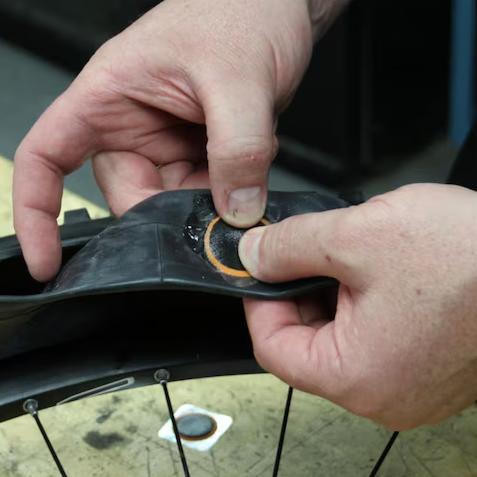

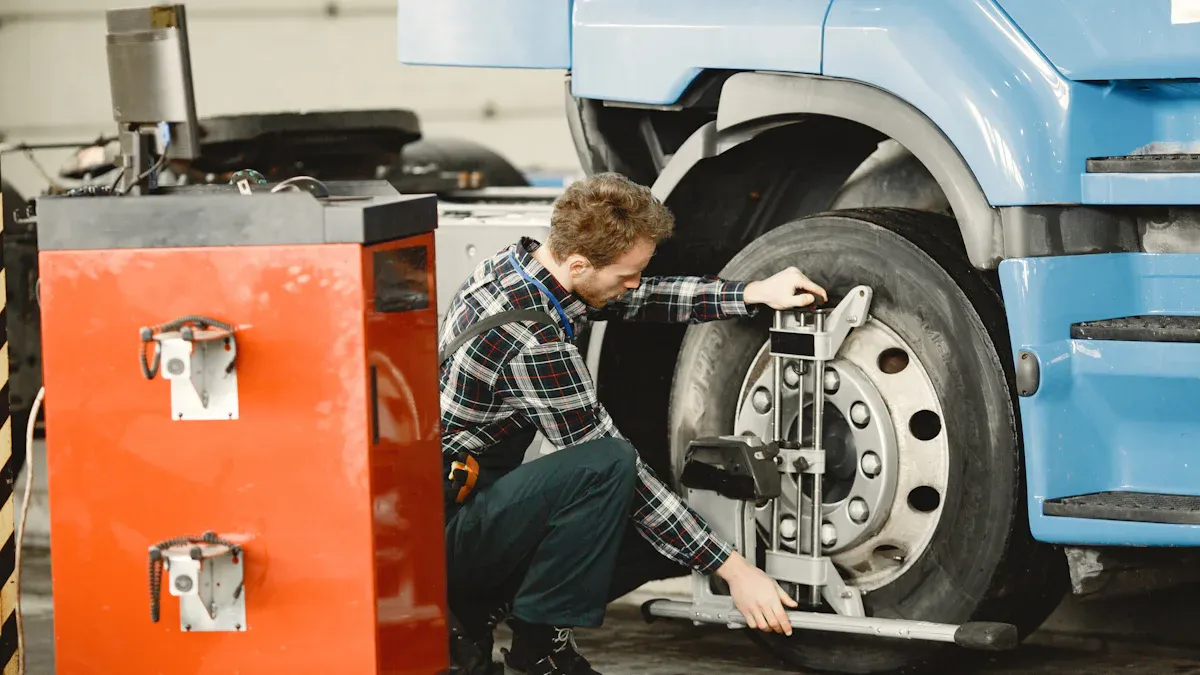
A professional semi tire patch creates a permanent, airtight seal. This proper repair restores your tire’s structural integrity for improved safety. A quality patch eliminates slow leaks and the risk of a blowout, preventing roadside emergencies. Tire issues are a significant factor in vehicle safety.
During the 2024 International Roadcheck, tire-related problems accounted for 20.8% of all vehicle out-of-service violations in North America.
A secure tire patch prevents expensive secondary damage from a tire failure. This simple tire patch kit helps protect your entire vehicle.
The Financial Risks of an Improper Tire Patch
Choosing a quick, cheap fix for a damaged tire creates significant financial risks for your fleet. These shortcuts often fail, leading to greater expenses and operational chaos down the road. Understanding these dangers highlights the value of a professional repair.
How Quick Fixes Lead to Repeat Downtime
Temporary solutions like string plugs seem convenient, but they are not a reliable long-term fix. An improper installation often fails to create a perfect airtight seal. This results in slow leaks that force your drivers to make repeated stops for air, wasting valuable time. Some string plugs use materials that deteriorate or can be easily pulled out of the tire. Each failed patch means another service call and more downtime, chipping away at your profits. A single, proper semi tire patch avoids this cycle of repeated failures.
The Link Between Failed Patches and Accidents
A failed tire patch can lead directly to a catastrophic blowout and a serious accident. The consequences for driver and public safety are severe.
Tire-related issues are a major safety concern. In 2021 alone, they caused 622 fatalities. Annually, tire failures contribute to approximately 33,000 accidents and nearly 20,000 injuries.
If an accident occurs from a failed tire repair, your company could face serious legal liability. Courts often hold fleet operators responsible for accidents caused by negligent maintenance. Failure to properly inspect and maintain each tire can lead to your company being held accountable for any resulting harm.
Ripple Effects of a Single Tire Failure
A single truck sidelined by a bad tire patch sends shockwaves through your entire operation. The impact goes far beyond the cost of a new tire.
- Lost Revenue: The truck generates no income while it sits idle.
- Customer Dissatisfaction: Missed deadlines damage your reputation and can lead to lost contracts.
- Increased Costs: You face expenses for emergency road service, towing, and potential overtime for other drivers.
- Fleet Strain: Other vehicles in your fleet must work harder to cover the load, which accelerates wear and tear across all your assets.
What Defines a Proper Semi Tire Patch?

Not all repairs are created equal. A proper semi vulcanizing tire patch is not just a piece of rubber; it is a systematic process that follows strict industry standards. This professional tire repair restores the tire to a safe, reliable condition. Understanding the key components of a correct repair helps you ensure your fleet receives service that prevents downtime, rather than causing it.
The Non-Negotiable Combination Plug-Patch
The only acceptable method for a permanent repair is the combination plug-patch. This single unit integrates two critical parts: a rubber stem (the plug) and a circular patch. A simple patch alone cannot fill the puncture channel, and a string plug alone does not seal the inner liner. The combination unit is the only solution that does both correctly.
This two-in-one design is the gold standard for a reason. The stem fills the entire puncture path from the inside out, while the patch adheres securely to the tire’s inner liner. This method is backed by industry leaders who set the benchmarks for safety and procedure.
Industry Best Practices
The Tire Industry Association (TIA) provides training and resources that reference established guidelines for tire service. These industry-recommended practices emphasize using a comprehensive repair method to ensure safety and reliability for commercial vehicles. A proper inspection and repair process is key.
Sealing the Inner Liner to Prevent Air Loss
The inner liner of your tire acts as an airtight membrane. A puncture compromises this barrier, leading to air loss. The “patch” portion of a combination unit is specifically designed to fix this. After a technician removes the tire from the rim, they prepare the inner surface by cleaning and buffing it. Then, they apply the patch using a special vulcanizing cement.
This process creates a permanent, airtight seal over the injury. A properly applied tire patch bonds directly with the tire’s inner liner, preventing slow leaks that can take a truck off the road. This secure seal ensures the tire maintains correct air pressure, which is essential for safety, fuel efficiency, and load-carrying capacity.
Filling the Injury to Stop Contamination
Sealing the inside is only half the job. You must also fill the puncture channel itself. The “plug” or stem of the combination unit accomplishes this vital task. It completely fills the void left by the nail, screw, or other object. This step protects the tire’s internal structure from the outside world.
An unfilled puncture channel acts like a tunnel for harmful contaminants.
- Moisture and road salts can enter the tire, causing the steel belts to rust.
- Debris can work its way between the tire’s internal layers, or plies.
- These contaminants will eventually destroy the tire casing from the inside out.
By filling the injury path with solid rubber, the repair blocks water and debris from entering the tire’s body. This prevents the corrosion that leads to tread separation and belt-edge separation. A complete repair protects the valuable tire casing, allowing it to complete its full service life and even be retreaded later.
Restoring the Tire Contact Patch Integrity
Your tire’s connection to the road happens through a small area of rubber. This area is the tire contact patch. The importance of tire contact patches cannot be overstated. This small patch controls your truck’s steering, braking, and stability. A proper repair protects the tire contact patch, ensuring your vehicle has maximum traction. An improper patch, however, can create a stiff, inflexible spot in the tire. This stiffness deforms the tire contact patch and compromises your safety.
A compromised tire contact patch behaves like an improperly inflated or unbalanced tire. This directly impacts your vehicle’s performance and safety. Understanding the factors affecting the contact patch is crucial.
A stiff or poorly integrated patch can lead to several problems:
- It can narrow the tire contact patch, causing a rough ride and poor handling.
- It can widen the tire contact patch, which increases rolling resistance and hurts fuel economy.
- It can create imbalances that cause uneven wear, reducing your tire’s lifespan and traction.
A professional combination patch restores the tire’s natural flexibility. The materials used in a quality patch are designed to stretch and move with the tire. This allows the tire contact patch to maintain its ideal shape. A correctly shaped tire contact patch provides the best possible grip and traction. This ensures reliable traction in wet or dry conditions. Your driver maintains control because the tire provides consistent traction.
Ultimately, the goal of a repair is to return the tire to its original operating condition. This means restoring the tire contact patch. A well-formed tire contact patch is essential for optimal traction. The repair must support the tire structure without creating a hard spot. This maintains full traction and driver confidence. A proper repair ensures the tire contact patch delivers the grip and traction you depend on for every mile.
How Professional Patching Maximizes Uptime

A professional repair does more than just fix a hole; it is a strategic investment in your fleet’s operational readiness. You can maximize uptime and profitability by focusing on quality repairs that extend tire life, ensure reliability, and use proven systems.
Extending Tire Lifespan to Avoid Replacement
You can save a significant amount of money by choosing to repair a tire instead of replacing it. A proper combination patch restores the tire’s integrity, allowing you to get the maximum value from your initial investment. This approach protects the valuable tire casing, making it suitable for its full service life and even future retreading. The cost difference between a quality repair and a new tire is substantial.
| Service | Average Cost |
|---|---|
| Heavy Duty Patch Repair | $25 – $50 |
| New Mid-Range Tire | $150 – $250+ |
This cost-effective solution is not just for cars. Manufacturers design specific, heavy-duty patches to handle the extreme demands of commercial vehicles. A professional semi tire patch provides a durable fix for semi-trucks, dump trucks, and other large equipment, helping you avoid the high cost of premature replacement.
Ensuring Roadside Reliability and Safety
A reliable tire repair gives your drivers confidence on the road. When you use a proper patch, you eliminate the risk of a failed fix causing a dangerous blowout. This commitment to safety keeps your drivers, your cargo, and the public safe. Industry guidelines help you decide when a tire is a good candidate for a repair.
For vehicles like yard trucks that operate at low speeds, a tire can often be patched multiple times without issue. However, for high-speed, over-the-road trucks, many fleets limit repairs to three per tire to maintain structural integrity. Any puncture larger than 3/8″ in a steel-belted truck tire is considered unsafe to repair.
Following these standards ensures every repaired tire you put back on the road is dependable. This prevents unexpected roadside emergencies, protecting your schedule and your reputation for on-time deliveries.
Using Quality Systems Like SUNSOUL’s
The quality of the patch itself is just as important as the technician’s skill. Using a high-quality repair system from a trusted manufacturer like SUNSOUL ensures every patch creates a permanent, reliable seal. Top-tier suppliers build their products to meet strict international standards, giving you peace of mind.
A brand like SUNSOUL demonstrates its commitment to quality through rigorous testing and certifications.
- ISO 9001 Certification: This guarantees every patch is made under consistent, high-quality manufacturing processes.
- Safety Compliance: Products are DOT compliant for use on North American roads and CE marked for European markets.
- Comprehensive Testing: Each patch design undergoes pressure, water, and durability tests to ensure a perfect, leak-proof seal.
These quality controls result in a superior patch designed for performance. SUNSOUL’s combination plug-patches use durable natural rubber, which is more resistant to wear than synthetic options. This material keeps the repair flexible, preserving the tire contact patch and ensuring stable handling. The materials are also RoHS certified, meaning they are free from hazardous substances. When you choose a proven system, you are investing in a reliable tire repair that maximizes uptime and vehicle safety.
Investing in a professional semi tire patch is your best strategy. This proper repair prevents costly downtime and protects your profits. A quality patch is an investment in vehicle safety and driver confidence, not just a temporary fix. Partnering with a trusted supplier like SUNSOUL ensures every tire patch you use is reliable. This choice helps you maximize your fleet’s efficiency. A good tire repair keeps your operation running smoothly.
FAQ
How many times can you patch a semi tire?
For high-speed highway trucks, most fleets limit repairs to three per tire. This practice maintains the tire’s structural integrity. Yard trucks operating at low speeds may allow for more patches. Always follow your company’s safety policy and industry guidelines for every repair.
Why can’t you just use a simple plug?
A simple plug does not seal the tire’s inner liner. This allows air to leak and moisture to enter, which can rust the steel belts. Only a combination plug-patch correctly fills the injury and seals the inner liner for a permanent, safe repair.
What makes a puncture unrepairable? 🛞
You cannot safely repair every tire injury. A puncture is generally considered unrepairable if:
- The injury is larger than 3/8″ in diameter.
- The damage is on the tire’s sidewall or shoulder.
- The puncture overlaps with a previous repair.
Why is a quality patch system important?
Using a quality system like SUNSOUL’s ensures a reliable repair. These systems use certified materials that create a strong, flexible, and permanent seal. This prevents patch failure, protects the tire casing, and keeps your trucks safely on the road, maximizing uptime.