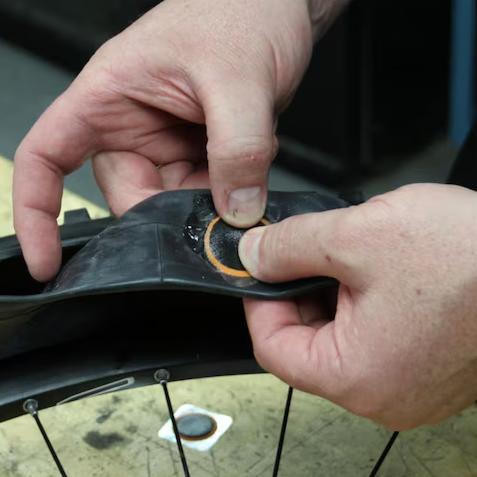


Choosing the right semi truck tire patches keeps your fleet rolling safely and efficiently. When you pick the right patch, you make semi-truck tire maintenance easier and more effective. You also cut down on unexpected breakdowns and expensive repairs.
- You can spot issues early and avoid big problems.
- You spend less time on the side of the road.
- Your trucks run smoother, saving you money and stress.
Key Factors in Choosing Semi Truck Tire Patches
Tire Size and Type Compatibility
You want your rubber patch for tires to fit the tire perfectly. Not all patches work for every tire. Semi trucks use big, heavy-duty tires, so you need semi truck tire patches that match the size and type of your tire. If you use a patch that is too small or not made for your tire’s construction, the repair might not last. Always check your tire’s size and whether it’s radial or bias-ply before picking a patch. This step helps you avoid wasted time and keeps your truck safe on the road.
Tip: Double-check your tire’s sidewall for size and type information before you buy a patch.
Nature and Location of Tire Damage
Not all tire damage is the same. Some problems are easy to fix, while others need special care. Here’s a quick look at the most common types of damage you might see on your truck tires:
| Type of Damage | Description |
|---|---|
| Punctures | Holes caused by sharp objects penetrating the tire. |
| Cuts | Tears in the tire material, often from road debris. |
| Impacts | Damage from hitting potholes or curbs. |
| Cracks | Surface fissures that can lead to air loss. |
| Bulges | Areas of the tire that have weakened and are protruding. |
| Irregular Wear | Uneven tire wear due to misalignment or improper inflation. |
When you spot damage, you need to check a few things:
- Inspect the tire for any other injuries.
- Figure out the angle of the puncture. This helps you choose the right repair method.
- Make sure the hole or cut is not too big for a safe repair.
The spot where the damage happens matters, too. You can only repair tires in the tread area. If the damage is on the sidewall or shoulder, it’s usually not safe to patch. Here’s a simple process to follow:
- Look at where the puncture is. Only fix it if it’s in the tread.
- Clean the area inside and outside the tire.
- Place the patch on the inner liner, making sure it covers the whole damaged spot.
- Test the tire with air pressure to make sure the repair holds.
Patch Material Quality and Durability
You want your repair to last, especially when your truck hauls heavy loads or travels long distances. High-quality truck tire patches use advanced materials and a special two-stage vulcanization process. This makes the patch bond tightly to the tire, so it stays strong and flexible. These patches handle tough jobs, like carrying big loads and dealing with hot or cold weather. When you pick a tire repair patch made with these materials, you get a repair that stands up to the demands of commercial trucking.
Compliance with Industry Standards
When you repair a semi truck tire, you want to do it right. Following industry standards keeps your truck safe and legal. These rules help you avoid risky repairs and make sure your patches last.
You should always check if your tire patch meets the latest guidelines. Many repair shops use standards from groups like the Rubber Manufacturers Association (RMA). These rules cover who can fix tires, what materials you can use, and how to record each repair.
Here’s a quick look at the main rules you need to follow:
| Regulation Aspect | Details |
|---|---|
| Qualified Personnel | Only trained and qualified personnel should perform tire repairs. |
| Repair Procedures | Repairs must follow industry standards, such as RMA guidelines, and specific size limitations. |
| Inspection Before Repair | Tires must be inspected to determine if they are repairable; extensive damage may require replacement. |
| Repair Materials | Only industry-standard materials like vulcanizing patches and plugs for tubeless tires are allowed. |
| Identification of Repairs | Repairs must be marked with the date, nature of repair, and technician’s name or initials. |
| Retreading | Must be performed by a licensed manufacturer and meet established standards. |
| Record-Keeping | Repair shops must maintain records of all repairs, including technician details and tire identification. |
Note: If you skip these steps, you risk unsafe repairs and possible fines. Always ask your repair shop about their process.
You want your tire patch to meet these standards. This way, you know your truck is ready for the road and your repairs will last.
Trusted Brands: SUNSOUL’s Reliability and Global Reach
Choosing a trusted brand makes tire patching easier. SUNSOUL stands out in the market for its quality and reliability. You get patches that work well and last a long time.
SUNSOUL designs its patches with features that help you avoid common problems. The patches have extra thickness for strength. The round shape keeps the edges from peeling. Vulcanizing gum creates a tight bond with any tire. Leak-proof sealing means you don’t have to worry about air leaks.
Here’s what makes SUNSOUL patches a smart choice:
| Feature | Benefit |
|---|---|
| High patch thickness | Ensures a strong and long-lasting repair |
| Round patch design | Prevents edge lifting or peeling |
| Vulcanizing gum | Provides a secure bond with any tire |
| Leak-proof sealing | Guarantees no air leaks for safe driving |
| Fast global supply | Ensures quick access to quality patches |
You also want a brand that can deliver patches wherever you need them. SUNSOUL has a strong reputation in over 60 countries. You can find their products in South America, Europe, North America, Australia, and Southeast Asia. Dealers trust SUNSOUL for reliable supply and support.
| Region | Reputation |
|---|---|
| South America | Reliable |
| Europe | Reliable |
| North America | Reliable |
| Australia | Reliable |
| Southeast Asia | Reliable |
| Over 60 countries | Strong reputation |
Tip: When you choose SUNSOUL, you get more than just a patch. You get support, fast delivery, and peace of mind knowing your repair will last.
You want your semi truck tires to stay safe and strong. Picking a brand like SUNSOUL helps you do just that.
Why Proper Patch Selection Matters for Semi-Truck Tire Maintenance
Impact on Road Safety and Performance
You want your trucks to stay safe on every trip. Picking the right tire repair patch makes a big difference. When you use the correct patch, you lower the risk of blowouts and keep your tires in top shape. This means better grip, smoother rides, and more control behind the wheel.
Here’s what happens when you choose the right patch:
- You reduce the chance of sudden tire failure.
- Your truck handles better, even on rough roads.
- You get better fuel efficiency because your tires work as they should.
The size and shape of the patch matter, too. Heavy trucks need larger contact patches for stability. Proper tire pressure keeps the patch working right, so you get the best traction and less uneven wear. Good tire repairs help your truck perform well in all kinds of weather and road conditions.
Cost Savings and Tire Longevity
Saving money is always a goal. When you use high-quality semi truck tire patches, you make your tires last longer. You also avoid buying new tires too soon. Regular semi-truck tire maintenance and smart patch choices help you cut costs in many ways:
- You fix small problems before they turn into big, expensive ones.
- You keep your fleet healthy with regular checks and repairs.
- You spend less on emergency replacements.
A good patch can handle heavy loads and long trips. Retreading tires is another smart move. It costs less than buying new tires and keeps your trucks rolling.
Reducing Downtime and Unexpected Failures
No one likes being stuck on the side of the road. Quick, reliable tire repairs mean less downtime for your trucks. When you use the right patch and follow the right steps, you keep your trucks moving and your deliveries on time.
- Quality patches mean fewer breakdowns.
- Trained drivers can spot problems early and fix them fast.
- Good products and practices help you avoid costly delays.
Choosing the right patch keeps your business running smoothly. You get peace of mind knowing your tires are ready for the road.
Main Types of Semi Truck Tire Patches

Radial Tire Patches
You see radial tires on most modern semi trucks. These tires have cords running straight across from bead to bead. Radial tire patches work best for this design. They flex with the tire and handle heavy loads without breaking down. If you use the right patch, you keep your tire strong and safe for long trips.
Radial patches come in different shapes and sizes. You pick one that covers the damaged area completely. The patch bonds with the tire’s inner liner, so you get a repair that lasts. You want to check the patch’s thickness and make sure it matches your tire’s specs.
Tip: Always match the patch to your tire type. Radial patches don’t work well on bias-ply tires.
Bias Tire Patches
Some older trucks and specialty vehicles use bias-ply tires. These tires have cords running at angles, crisscrossing each other. Bias tire patches fit this construction. They support the tire’s unique shape and keep it from splitting or peeling.
You find bias patches in oval or rectangular shapes. They spread the load across the tire’s layers. If you use a bias patch on a radial tire, the repair won’t last. Always check your tire before you choose a patch.
| Tire Type | Patch Shape | Best Use |
|---|---|---|
| Radial | Round/Square | Modern trucks |
| Bias | Oval/Rectangle | Older trucks, specialty vehicles |
Combination Patches (Patch-Plug Units)
Combination patches give you the best of both worlds. You get a patch and a rubber plug in one unit. This design seals the injury from inside and out. You stop air and moisture from sneaking into the tire.
The National Highway Traffic Safety Administration (NHTSA) says combination repairs are the only proper way to fix punctures. Single-type patches don’t seal as well. If you use a combination patch, you boost your repair success rate and keep your tires safe for longer. You want this method for commercial truck tires because it protects your fleet and lowers your risk of tire failure.
Note: For the safest and most reliable repair, choose a combination patch for punctures. You get peace of mind and better performance on every haul.
Specialty Patches for Unique Applications (Chemical Cure, Dual Cure, Cushion Gum, Sealants)
Sometimes, you run into tire problems that need more than a basic patch. Specialty patches step in when you face unique challenges on the road. You might see these options if you deal with tough repairs, extreme weather, or special tire types. Let’s break down the main types you’ll find for semi truck tires.
1. Chemical Cure Patches
You use chemical cure patches when you want a fast and strong bond. These patches react with a special solution to stick tightly to the tire. You don’t need heat, so you can fix tires right at the roadside or in your shop. Chemical cure patches work well for small punctures and quick fixes.
2. Dual Cure Patches
Dual cure patches give you flexibility. You can use heat or a chemical solution to set the patch. This means you get a strong repair, no matter where you are. If you have access to a vulcanizing machine, you can use heat. If not, the chemical method works just as well.
3. Cushion Gum
Cushion gum helps you with retreading and larger repairs. You use it to fill gaps or build up the tire before adding a patch. It’s sticky and molds to the tire’s surface. This makes your repair smooth and strong. Cushion gum works best when you need to restore the tire’s shape.
4. Sealants
Sealants stop air leaks fast. You apply them inside the tire to seal small holes and cracks. Sealants work well for temporary fixes or when you need to get back on the road quickly. They don’t replace a full patch, but they buy you time until you can do a proper repair.
Tip: Always match the specialty patch to your tire’s problem. If you’re not sure which one to use, ask your tire supplier or repair shop for advice.
Here’s a quick table to help you choose:
| Patch Type | Best Use | Application Method |
|---|---|---|
| Chemical Cure | Small punctures | Chemical solution |
| Dual Cure | Flexible repairs | Heat or chemical |
| Cushion Gum | Retreading, large gaps | Mold and fill |
| Sealants | Quick leak fixes | Apply inside tire |
You keep your fleet safe and rolling when you pick the right specialty patch. Specialty patches help you handle tough jobs and keep downtime low. Next time you face a tricky tire repair, you’ll know exactly what to reach for.
Matching Tire Damage to the Correct Patch for Commercial Truck Tires
Assessing the Extent and Type of Damage
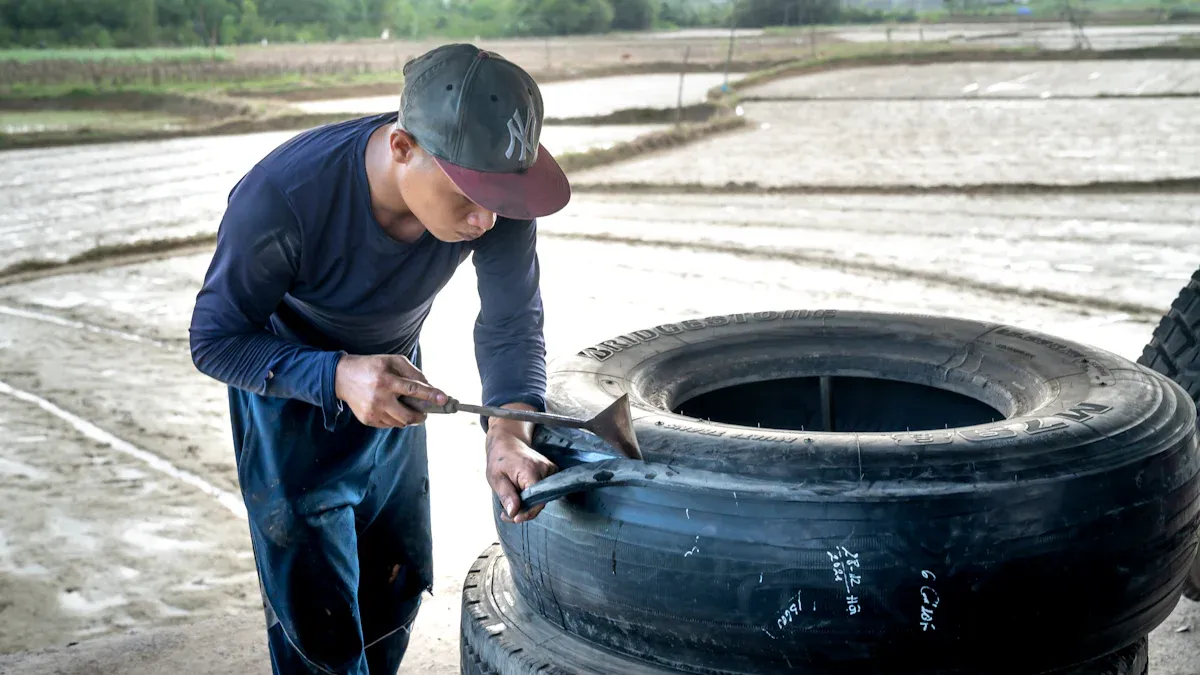
Before you grab a patch, you need to know exactly what’s wrong with your tire. You can’t fix what you haven’t found! Start by taking the tire off the rim. This lets you see every part of the tire, not just the outside. Use a tire spreader to open up the tire and look inside. Shine a light and check for anything unusual.
Here’s a simple way to check your tire:
- Remove the tire from your truck or trailer.
- Use a tire spreader to open the tire and look inside.
- Search for nails, glass, or other sharp objects stuck in the rubber.
- Check the inner liner for signs of separation or peeling.
- Look at the shape of the tire. Do you see any bulges or flat spots?
- Run your hand along the tread and sidewall. Feel for cuts, tiny holes, or soft spots.
- Examine the tread for uneven wear or cracks.
You might spot different types of damage, like:
- Tread separation
- Small punctures
- Uneven wear
- Bulging
- Cuts or deep scratches
Tip: Always clean out the puncture and the area around it before you start any repair. This helps the patch stick better and last longer.
Identifying Repairable vs. Non-Repairable Damage
Not every tire can be saved with a patch. You need to know when a patch will work and when you need a new tire. Most of the time, you can only patch damage in the tread area. If you see a hole or cut on the sidewall or shoulder, it’s time to replace the tire.
Here’s how you can tell if your tire is repairable:
| Damage Location | Repairable? | What to Do |
|---|---|---|
| Tread Area | Yes | Patch or plug-patch combo |
| Sidewall | No | Replace the tire |
| Shoulder | No | Replace the tire |
| Large Cuts/Bulges | No | Replace the tire |
| Small Punctures | Yes (if in tread) | Patch or plug-patch combo |
You should also check the size of the damage. If the hole is too big or the tire has more than one injury close together, it’s safer to get a new tire. Always follow safety rules and guidelines from tire experts.
Alert: Never patch a tire with damage on the sidewall or with big bulges. This can lead to dangerous blowouts on the road.
Selecting the Appropriate Patch Type
Once you know the damage is repairable, you can pick the right patch. The type of patch you use depends on where the damage is and how big it is.
Follow these steps to choose the best patch:
- Inspect the tire for punctures, cuts, or leaks.
- Make sure the damage is in the tread area.
- For small punctures, use a combination patch-plug unit. This seals the hole from both sides and keeps out water and dirt.
- For larger tread injuries, pick a radial or bias patch that matches your tire’s construction.
- If you’re dealing with a tricky repair, like a retread or a gap, use cushion gum or a specialty patch.
Here’s a quick guide to help you match the damage to the patch:
| Type of Damage | Patch Type to Use | Why It Works |
|---|---|---|
| Small tread puncture | Combination patch-plug unit | Seals inside and out |
| Large tread injury | Radial or bias patch | Matches tire construction |
| Retread or gap | Cushion gum or specialty | Fills and bonds larger areas |
Note: Always double-check your patch choice with your tire supplier or repair shop if you’re unsure. Using the right patch keeps your truck safe and your tires rolling longer.
With these steps, you can match any tire damage to the correct patch and keep your fleet moving safely down the road.
Step-by-Step Guide to Assessing Tire Damage for Semi-Truck Tire Maintenance
Inspecting the Tire Internally and Externally
Start with a good look at your tire. You want to check both the outside and the inside. First, look for anything obvious on the outside, like nails, cuts, or bulges. Run your hand over the tread and sidewall. Feel for sharp objects or soft spots. Sometimes, you can spot a problem just by touch.
Next, remove the tire from the rim. This step lets you see the inside. Use a flashlight to check for hidden damage. Look for cracks, splits, or signs of air loss. If you see anything strange, mark the spot. You want to catch every issue before you move on.
Tip: Always inspect the inside of the tire. Some damage hides where you can’t see it from the outside.
Measuring the Size and Location of the Injury
Now, grab a ruler or a tire gauge. You need to measure the injury. Find out how wide and deep the hole or cut is. Write down the numbers. This helps you pick the right patch later.
Check where the damage sits on the tire. Is it in the tread, the shoulder, or the sidewall? Most repairs only work if the injury is in the tread area. If you find damage on the sidewall or shoulder, you may need a new tire.
| Area of Damage | Repairable? |
|---|---|
| Tread | Yes |
| Shoulder | No |
| Sidewall | No |
Determining the Best Repair Method
You have your measurements and notes. Now, decide how to fix the tire. Small punctures in the tread usually need a combination patch-plug. Larger injuries may need a special patch or even cushion gum.
Ask yourself:
- Is the damage small and in the tread? Use a patch-plug combo.
- Is the injury large or in a tricky spot? You might need a specialty patch.
- Is the damage on the sidewall or too big? Replace the tire.
Alert: Never try to patch a tire with damage on the sidewall. It’s not safe for your truck or your drivers.
By following these steps, you make sure your repair is safe and strong. Your truck stays on the road, and you avoid bigger problems down the line.
How to Properly Patch Commercial Truck Tires
Preparing the Tire Surface
You want your repair to last, so start by getting the tire surface ready. First, clean the area around the damage. Use a wire brush or a scraper to remove dirt, grease, and old rubber. Make sure the spot is dry. If you see any loose material, scrape it away. A clean surface helps the patch stick better.
Next, roughen the area with a buffing tool. This step gives the patch something to grip. Wipe away any dust with a clean cloth. You can use a special cleaner if you have one. Always wear gloves to keep oil from your hands off the tire.
Tip: Never skip cleaning and buffing. A dirty or smooth surface can make the patch fail.
Applying the Patch: Best Practices
Now you are ready to patch commercial truck tires. Apply the vulcanizing cement to the buffed area. Spread it evenly. Wait for it to get tacky. Place the patch over the injury. Press down hard from the center out. This step removes air bubbles and makes a tight seal.
Use a roller to press the patch firmly. Roll in all directions. This helps the patch bond with the tire. Let the patch cure as the instructions say. Some patches need heat, while others cure with chemicals. Always follow the directions on your patch kit.
Common Mistakes to Avoid
Tire patching works best when you avoid these common mistakes:
- Skipping the cleaning or buffing step
- Using too much or too little cement
- Not pressing the patch firmly enough
- Patching over sidewall damage
- Not letting the patch cure fully
| Mistake | What Happens |
|---|---|
| Dirty surface | Patch peels off |
| Not enough pressure | Air bubbles under patch |
| Wrong patch placement | Repair fails quickly |
Alert: Always check your work before putting the tire back on the truck. A good patch keeps your truck safe and your business running.
SUNSOUL’s Commitment to Quality in Semi Truck Tire Patches
Overview of SUNSOUL Tire Patch Products and Features
You want tire patches that work every time. SUNSOUL gives you just that. The company makes over two million tire patches every month. You can find their products in more than 60 countries. SUNSOUL patches help you fix tires on trucks, cars, bikes, and even farm vehicles.
Here’s what you get with SUNSOUL tire patches:
- Thick rubber for strong repairs
- Round shape to stop peeling at the edges
- Vulcanizing gum for a tight seal
- Leak-proof design for safe driving
- Easy-to-use patches for quick fixes
SUNSOUL offers many types of patches. You can pick chemical cure, dual cure, cushion gum, or sealants. If you need a commercial tire repair kit, SUNSOUL has you covered. Their kits come with everything you need for fast and reliable repairs.
Check out this table for a quick look at SUNSOUL’s patch features:
| Feature | Benefit |
|---|---|
| High thickness | Lasts longer |
| Strong adhesion | Stays in place |
| Leak-proof sealing | Keeps air inside |
| Versatile sizes | Fits any tire |
| Easy application | Saves you time |
Tip: SUNSOUL patches work well for emergency tire repair service. You can trust them when you need a quick fix on the road.
Why Choose SUNSOUL for Semi-Truck Tire Maintenance
You want your trucks on the road, not stuck in the shop. SUNSOUL helps you do that. The company builds strong partnerships with dealers. You get stable supply, competitive prices, and support in your region. SUNSOUL offers technical training, logistics help, and answers in many languages.
If you have a problem, SUNSOUL solves it fast. Their after-sales service responds within 72 hours. You get lifetime maintenance advice. SUNSOUL has service hubs around the world, so help is always close.
SUNSOUL stands out because they control every step. They design, test, and ship their patches. You get quality from start to finish. When you choose SUNSOUL, you get peace of mind. Your tires stay safe, your trucks keep moving, and your business grows.
🚚 You want reliability. SUNSOUL delivers it with every patch.
Quick Checklist for Choosing the Right Semi Truck Tire Patch
Essential Steps Before Making a Selection
You want to make sure you pick the right patch every time. Use this quick checklist to guide you through the process. It helps you avoid mistakes and keeps your trucks safe on the road.
Check Tire Size and Type
- Look at the sidewall for size and type. Is it radial or bias-ply? Match your patch to the tire.
Inspect the Damage
- Remove the tire and look inside and out. Find the exact spot and type of damage.
Measure the Injury
- Use a ruler to check the size. Small puncture or large cut? Write it down.
Decide if the Tire Is Repairable
- Only patch tread area damage. Skip repairs for sidewall or shoulder injuries.
Pick the Right Patch Type
- For small punctures, grab a combination patch-plug. For bigger injuries, choose a radial or bias patch. Specialty patches work for tricky jobs.
Clean and Prepare the Surface
- Scrape, buff, and clean the area. Make sure it’s dry and free of debris.
Follow Industry Standards
- Use patches that meet RMA or similar guidelines. Only let trained people do repairs.
Choose a Trusted Brand
- Go with a brand like SUNSOUL for reliable patches and support.
Tip: Keep this checklist in your shop or truck. It saves time and helps you make smart choices.
| Step | Why It Matters |
|---|---|
| Check tire details | Ensures patch compatibility |
| Inspect damage | Finds all issues |
| Measure injury | Picks correct patch size |
| Confirm repairable | Avoids unsafe fixes |
| Select patch type | Matches damage to solution |
| Prepare surface | Helps patch stick |
| Follow standards | Keeps repairs legal & safe |
| Trusted brand | Guarantees quality |
🛠️ Use this checklist before every repair. You keep your fleet rolling and your drivers safe!
You want your trucks safe, your costs low, and your repairs to last. Remember to check your tire’s size, inspect the damage, and pick the right patch. Using quality semi truck tire patches keeps your fleet rolling strong. Stay alert, follow best practices, and trust SUNSOUL for reliable solutions. Your business depends on smart choices—make every patch count!
🚚 Ready to keep your trucks moving? SUNSOUL has your back.
FAQ
How do I know if my semi truck tire can be patched?
You need to check the damage. If the hole sits in the tread and is small, you can patch it. Damage on the sidewall or shoulder means you need a new tire.
Can I use any tire patch for my semi truck?
No, you need a patch that matches your tire’s size and type. Always check if your tire is radial or bias-ply. SUNSOUL offers patches for both types.
How long does a tire patch last on a semi truck?
A good patch can last as long as the tire itself. If you follow the right steps and use quality patches like SUNSOUL, your repair will hold up for many miles.
What tools do I need to patch a semi truck tire?
You need a tire spreader, buffing tool, vulcanizing cement, and a roller. SUNSOUL repair kits include everything you need for a quick and strong repair.
Why should I choose SUNSOUL tire patches?
SUNSOUL patches give you strong adhesion, easy use, and leak-proof sealing. You get support from a trusted brand with a global reach. Your repairs stay safe and reliable.