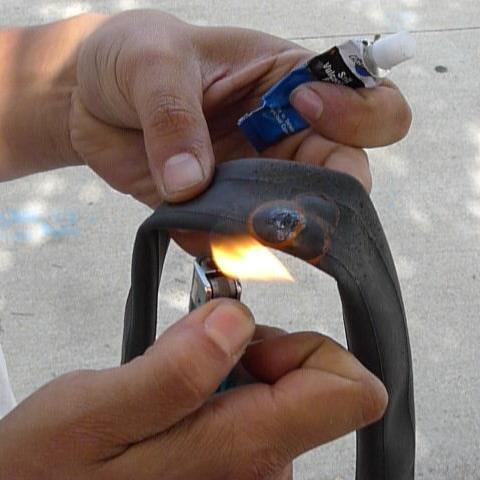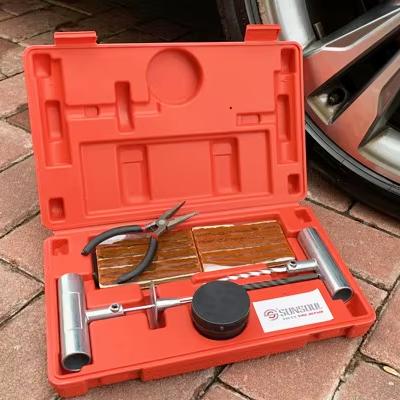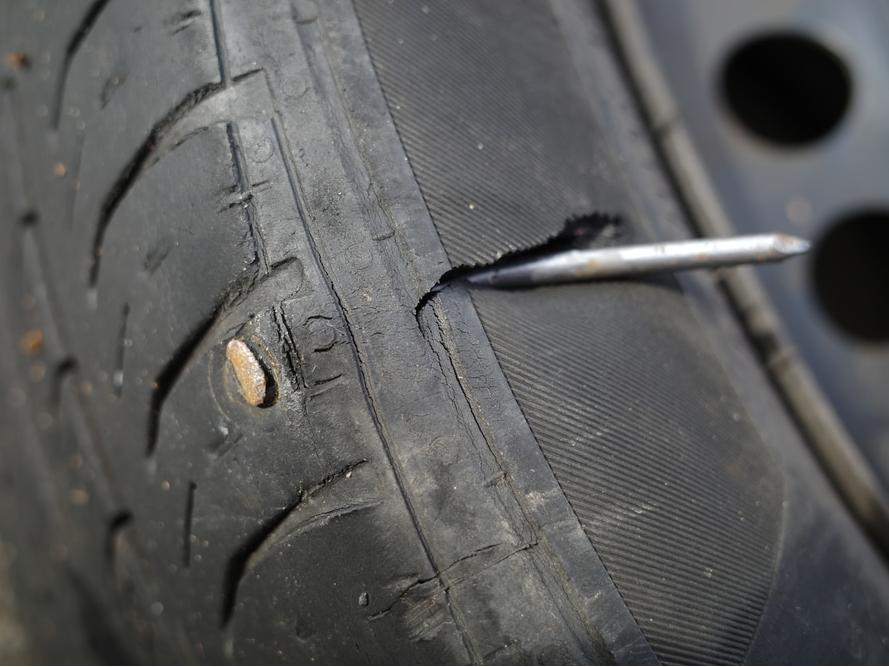


Innovative products like SUNSOUL tubeless tire patches make repairing tires and getting back on the road easier. Repairing small punctures on tubeless tires is simple with the right tools. Most riders can quickly and effectively fix common punctures. Addressing problems promptly helps prevent further damage and extends tire life. Many punctures are caused by dried sealant or cuts in the sidewall. Riders can refer to the table below for the most common causes of punctures:
| Cause of Puncture | Description |
|---|---|
| Clogged Valve or Difficult Inflation | Dried sealant obstructs airflow, making it difficult to repair punctures and inflate the tire. |
| Sealant Drying Out Too Quickly | Seamant drying too quickly may indicate a leak in the tire or rim tape, leading to a puncture. |
| Sidewall or Structural Damage | Cuts or bulges in the sidewall can cause punctures, eventually leading to a tire blowout. |
| Multiple Punctures Close Together | Multiple close-up punctures weaken the tire and may require replacement. |
A high-quality tire patch is a reliable repair method, allowing riders to get back on the road with peace of mind and confidence.
Key Takeaways
- Always carry a tubeless tire repair kit. The kit contains essential tools such as tire plugs and tire pry bars to help you repair tires quickly and easily.
- Try SUNSOUL tubeless tire patches for a strong, secure repair. These durable patches are compatible with various vehicle models and can be used without heating.
- Check your tire pressure and for leaks regularly. Doing so helps prevent blowouts and ensures safe riding.
- Choose a tire patch or tire plug depending on the size of the puncture. Tire patches are more durable, while tire plugs are suitable for quick repairs.
- Maintain your tubeless tires regularly. Clean your tires and replace the sealant every 6 to 12 months. This helps maintain optimal tire performance.
Essential Tools for Tubeless Repair
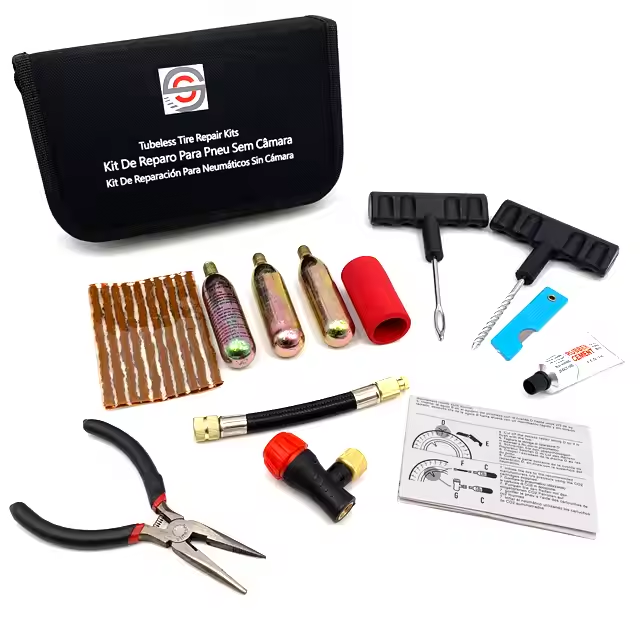
Repairing tubeless tires requires the right tools. Having a complete kit allows you to quickly repair tire punctures and ride with peace of mind. Here are the main tools needed for tubeless tire repair:
Tubeless repair kit
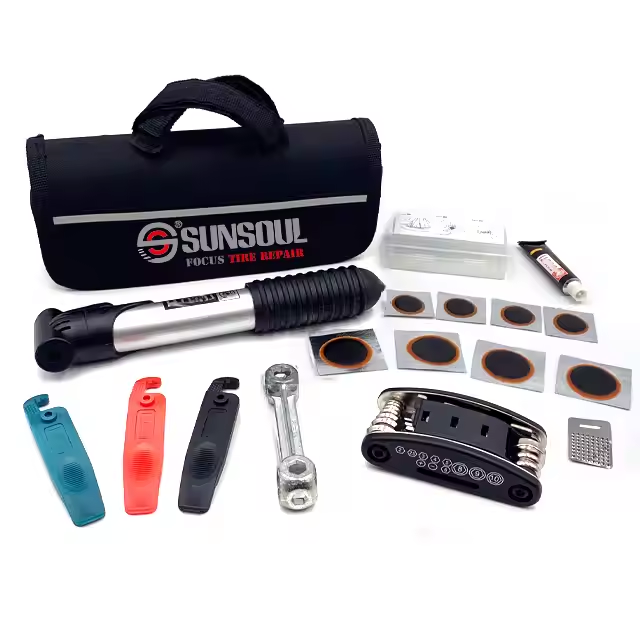
A tubeless tire repair kit contains many useful tools. The kit includes tire repair tools and some tire repair strips. It also includes a reamer or file, a valve core remover, and a knife or scissors. These tools can help you clean the puncture and apply the repair strip. You can also trim off excess repair strips. This kit is small and portable, perfect for repairing tires while riding. Many people like these kits because they are inexpensive and suitable for both bicycles and motorcycles.
Tip: If you keep a repair kit in your bag, you can repair tire punctures anytime, anywhere.
Tire sealant
Tire sealant is a liquid that stays inside the tire. When a small hole appears in the tire, the sealant quickly moves to the hole and seals it. Tubeless tires can repair many small holes themselves with sealant. This means you don’t have to worry about big problems. However, if the hole is larger, you may need a patch or plug.
Tire levers and pump
Tire pliers help you remove a tire from the rim without damaging it. A small pump allows you to inflate the tire after repair. These tools, though simple, are essential for tire repair.
SUNSOUL tubeless tire patch
SUNSOUL tubeless tire patches are strong, durable, and effective. Made of natural rubber, they seal holes from the inside of the tire. The patch uses a cold vulcanization process, requiring no heating. It is suitable for bicycles, motorcycles, and some cars. Patches are available in various sizes for safe use. The kit contains everything you need for a lasting repair. This is a great option if you want to quickly repair a tire and continue riding.
| Feature | Specification | Benefit |
|---|---|---|
| Material | Natural Rubber | Strong, long-lasting repairs |
| Safety | RoHS Certified | Safe and meets world rules |
| Technology | Cold Patch | No heat needed, quick to use |
| Packaging | Aluminum Can, Secure Lid | No leaks, easy to carry |
A good repair kit gives you peace of mind. With these tools, you can repair most punctures and ensure your tubeless tires are always in good condition.
How to Fix a Hole in Tubeless Tire
Ensure safety and prepare the bike
Safety First. Riders should move their bicycles to a level surface away from traffic. This can be done by inverting the bicycle or using a stand. Wearing gloves will protect your hands from sharp objects and tire sealant. Tools should be kept within reach. This step helps everyone stay calm and is ready to repair the tire at any time.
Locate the puncture
Locating the leak is crucial. Riders can follow these steps:
- Slowly roll the tire to check for any abnormalities.
- Spray soapy water on the tread and sidewalls. Observe for bubbles.
- Mark the leak point with chalk or tape to make it clearly visible.
- If you are unsure of the leak’s location, listen for a hissing sound.
Tip: Marking the leak point helps prevent losing its location when repairing the tire.
Remove the wheel if needed
Sometimes, removing the wheel can simplify the repair process. Here’s how to remove the wheel:
- Squeeze the tire to release the pressure on the bead, completely deflating the tire. Keep the valve upward to avoid sealant leakage.
- Push both sides of the tire towards the center of the rim to loosen the bead.
- Use a tire pry bar to remove the tire from the rim.
- Check for any liquid on the bottom and handle it according to the manufacturer’s recommendations.
- Clean the tire bead area of the rim. If the tire is to be reused, also clean the tire bead.
Clean and inspect the tire
Cleaning helps the patch adhere better. Riders should:
- Remove the tire and remove the old sealant.
- Inspect or replace the rim tape as needed.
- Clean the tire using a cleaner such as Finish Line Super Bike Wash.
- Clean the rim using 3M 111 adhesion promoter, brake cleaner, acetone, or methyl ethyl ketone (MEK).
A clean surface helps the SUNSOUL patch form a strong seal.
Apply SUNSOUL tubeless tire patch
SUNSOUL tubeless tire patches are suitable for bicycles, motorcycles, cars, and trucks. Riders can repair tires by following these steps:
- Dry the area around the puncture.
- Lightly sand the puncture area to roughen the surface.
- If the kit includes vulcanizing adhesive, apply it.
- Cover the puncture with the patch and press firmly.
- Wait for the patch to bond. The cold vulcanization process creates a permanent seal.
Note: SUNSOUL patches feature strong adhesion, leak-proof sealing, and ease of use. They are suitable for a variety of tubeless tire types.
| Vehicle Type | Compatibility |
|---|---|
| Bicycles | Yes |
| Motorcycles | Yes |
| Cars | Yes |
| Trucks | Yes |
Add or top up sealant
Sealant maintains tire air tightness. Riders should apply an appropriate amount of sealant after patching. Here is a brief guide:
| Bike Type | Amount of Sealant (ml) |
|---|---|
| Road Bikes | 60-80 |
| MTB/Gravel Bikes | 80-120 |
| Tire Width (mm) | Amount of Sealant (ml) |
|---|---|
| 26-32 | 60-90 |
| 35-44 | 90-120 |
| 45+ | 120-150 |
Tip: After adding tire sealant, rotate and shake the tire. This will help distribute the sealant evenly and protect the repair area.
Reinflate and check for leaks
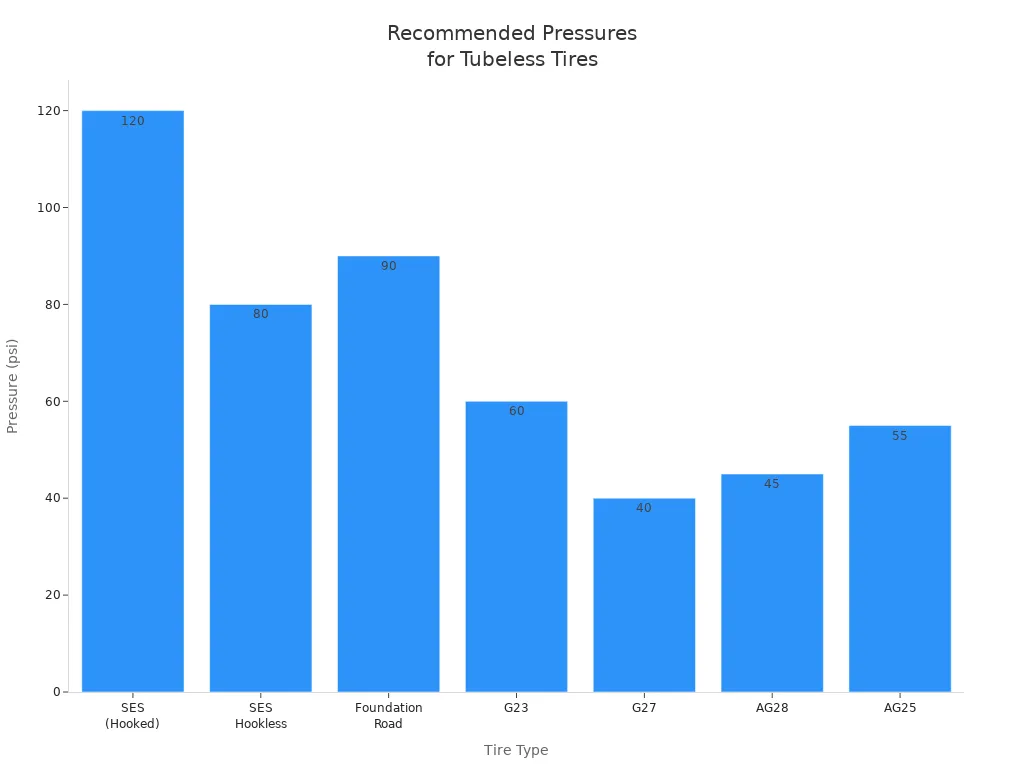
Cyclists should inflate tires to the recommended pressure. The table below lists common tire pressure values:
| Tire Type | Recommended Pressure (psi) |
|---|---|
| SES (Hooked Versions) | 120 (23-28 mm Tire) |
| SES Hookless | 80 (27-29 mm Tire) |
| Foundation Road | 90 (25 mm Tire) |
| G23 | 60 (32-40 mm Tire) |
| G27 | 40 (42-50 mm Tire) |
| AG28 | 45 (45-55 mm Tire) |
| AG25 | 55 (32-40 mm Tire) |
To check for leaks:
- Mix soapy water with dish soap.
- Apply the solution to the repair area.
- Observe for bubbles. Bubbles indicate an air leak.
- If bubbles appear, press the repair area or add more vulcanizing adhesive. Repeat this step until no more bubbles appear.
Reinstall the wheel
Riders can reinstall the wheel by following these steps:
- Ensure the valve stem is securely mounted to the rim.
- Align the tire with the rim. Check the directional arrow on the tire sidewall.
- Attach one tire bead to the rim.
- Start installing the second tire bead from the valve stem. Leave a portion of the bead unattached.
- Add sealant using a pouring or injection method.
- Spin the wheel and inflate to maximum pressure.
Note: Proper wheel installation prevents leaks and keeps the tire safe.
When to use a patch, plug, or sealant
The appropriate repair method depends on the size and location of the puncture. The following table can help cyclists choose the appropriate repair method:
| Repair Method | Best For | Reliability | Time to Repair | Key Limitation |
|---|---|---|---|---|
| Vulcanizing Patch Kit | Road, gravel, touring | 97% seal retention | 6–9 minutes | Requires cement cure time |
| Tubeless Plug Kit | MTB, gravel, e-bikes | 89% success on holes ≤3 mm | 1.5–3 minutes | Not for large gashes |
| Hybrid (Patch + Plug) | All-road riders | 94% dual-method success rate | 5–7 minutes | Requires carrying both systems |
| CO₂ Inflator + Spare Tube | Racers | N/A | 90–120 seconds | Single-use per cartridge |
Small holes can usually be sealed with liquid sealant. Medium-sized holes may require a plug. Larger holes or sidewall cuts require a patch. SUNSOUL tire patch is compatible with various tire types and sizes. Riders can easily repair tire punctures and ride with peace of mind.
Tip: Avoid common mistakes. Clean the rim, apply a sufficient amount of tire sealant, and check for leaks. After applying the sealant, rotate and shake the tire.
Tubeless Repair Tips and Prevention
When to use a patch vs. plug
You should choose between a tire patch or a tire plug depending on the size and location of the puncture. Plugs are suitable for quick repairs. Cyclists use plugs when they want to maintain high speeds. Plugs are easy to install and can be useful in emergencies. However, plugs may not last long and are prone to loosening and leaking. Experts say tire patches are safer because they are almost never damaged. Sometimes, for added safety, cyclists use both tire patches and plugs simultaneously. Using both helps maintain tire strength and a good seal. With a tire patch, cyclists can ride further with peace of mind.
Preventing future punctures
Cyclists can take several steps to prevent blowouts and keep their tires in good condition. Here are some effective methods:
- Use sealant to quickly seal small holes.
- Install puncture-resistant tires for increased safety.
- Add tire liners to prevent punctures from sharp objects.
- Check tire pressure regularly and keep it within the normal range.
- Regularly check tires for damage or wear.
Tip: Regularly checking your tires helps detect problems early and avoid bigger trouble.
SUNSOUL tubeless tire patches are also environmentally friendly. These patches are made with eco-friendly materials, save energy, and help protect the natural environment and the planet.
Maintenance for tubeless tires
Regular checks ensure tubeless tires always maintain optimal performance. Riders should do the following:
- Check tire pressure weekly.
- Check tires for sealant residue or a hissing sound to prevent leaks.
- Replace sealant every 6 to 12 months.
- Clean tires and rims to prevent dirt buildup.
High-quality patches can last as long as the tire itself. With proper installation and maintenance, you can ride safely further. Carry a tire repair kit with you to handle any situation.
Repairing small holes in tubeless tires is very simple if you have the right tools. SUNSOUL tubeless tire patches can help riders quickly repair small holes and extend tire life. Be prepared, and you can repair tires quickly. Regularly checking your tires is highly beneficial:
- Shake your tires every few months to check if the sealant is still effective.
- Check for dry spots or areas where the sealant has failed.
- Check your tires every 2 to 4 months, and more frequently in hot weather.
Buying good repair tools helps you for a long time:
| Benefit | Description |
|---|---|
| Reduced Punctures | You get fewer flats and better safety on rides. |
| Enhanced Comfort | Your rides feel smoother, even on bumpy roads. |
| Improved Performance | You can ride faster because the tires roll easier. |
| Better Traction | You get more grip and control on all kinds of ground. |
With some practice and the right tools, every ride can be safe and easy. 🛠️
FAQ
How long do SUNSOUL tubeless tire patches last?
SUNSOUL patches last the same life as the tire itself. Riders trust their strong adhesion and airtightness. Even after many rides, the patch remains flexible and effectively prevents leaks.
Can riders use SUNSOUL patches on all tubeless tires?
Yes, they can. SUNSOUL patches are suitable for bicycles, motorcycles, and some cars. The patches fit a variety of tire sizes and types. Riders find it easy to use for a wide range of repairs.
What should riders do if the patch fails to seal a puncture?
They should check the tire for dirt or residual sealant. Clean the puncture and try repairing again. If the puncture is too large, the rider may need to replace the tire. Always follow the repair kit’s instructions.
Can I ride immediately after repairing a tubeless tire?
Yes, it’s safe to ride. As long as the patch is firmly bonded and the tire maintains its pressure, riders can ride. Before setting off, they should check the tire for leaks. SUNSOUL tire patch provides a quick and strong seal.
How often should cyclists check their tubeless tires for punctures?
Cyclists should check their tires weekly. This includes checking for leaks, dried sealant, and tire damage. Regular checks help prevent bigger problems and ensure safe riding.