

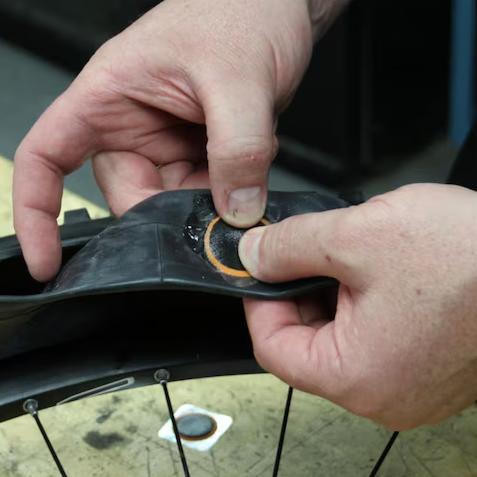
Repairing a puncture in a pipe doesn’t require special skills. Anyone can do it with basic tools and a good quality tire patch. SUNSOUL patches are highly effective, providing quick and reliable repairs. Reliable patches make repairing punctures easy for everyone.
Key Takeaways
- Before you begin, prepare the necessary items, such as a tire repair kit, alcohol, and sandpaper. Proper preparation helps make the repair easier and more efficient.
- Be sure to thoroughly clean and dry the area around the puncture. A clean area helps the patch adhere better and prevents future leaks.
- After the repair, you can check by blowing air into the pipe and listening for leaks, or by using soapy water. This step ensures the patch is effective and secure.
Materials and Prep for Patching a Hole
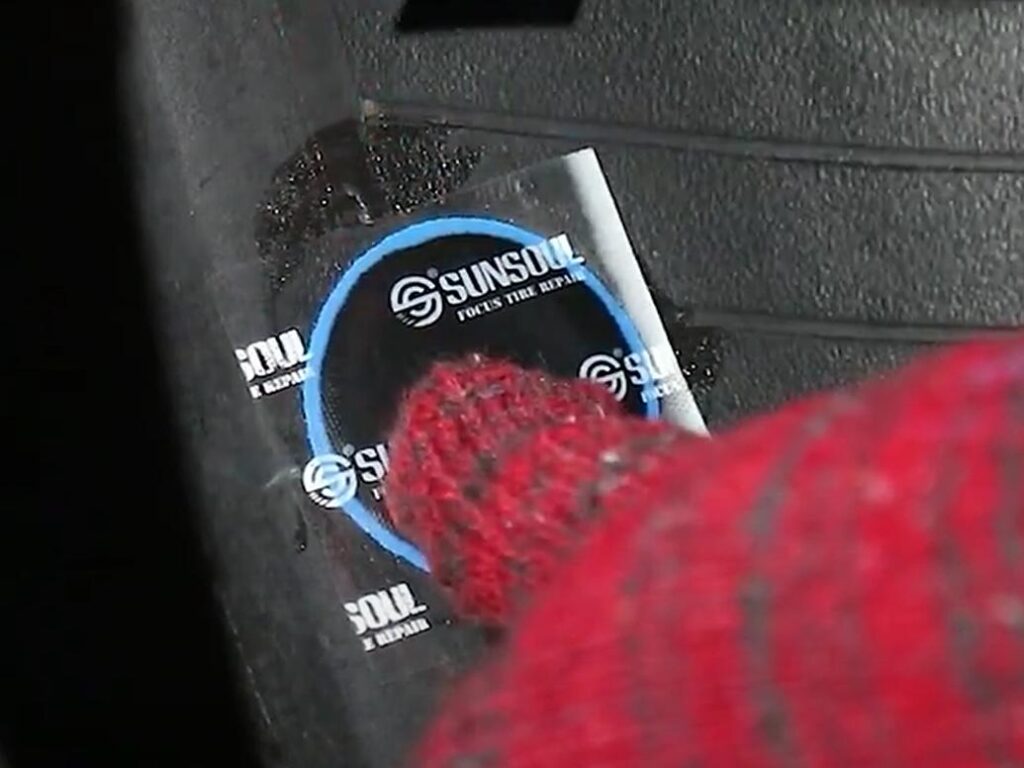
What You Need
You will need suitable materials to repair the pipe. Before you begin, please prepare the following items:
- Tire repair kit (e.g., SUNSOUL tire sealant)
- Alcohol or cleaning agent
- A clean cloth or towel
- Sandpaper or metal scraper (for smoothing the puncture)
- Marker or chalk (for marking the puncture)
- Water and soap (for locating the leak)
- Gloves (for safety)
The tire repair kit contains all the tools you need to repair a tire inner tube. SUNSOUL tire sealant is strong and easy to use. Store glue and chemicals at 15°C to 25°C. Keep containers sealed and avoid direct sunlight to ensure its effectiveness.
Other repair methods include using repair clips, metal patches, composite overlays, and sleeves. Each tool is best suited for a specific puncture situation.
Find the Hole
To repair a tire or inner tube, you must locate the puncture. Inflate the inner tube and listen for a hissing sound. You can also use soapy water. Bubbles indicate the location of the leak. Mark the damaged area with a marker or chalk.
Clean and Assess
Cleaning the damaged area is crucial. A clean damaged area helps the patch adhere better. Wipe the damaged area with alcohol and let it dry. Cleaning prevents leaks or blockages. After cleaning, check if the damage can be repaired. Larger cracks or severe damage may require professional repair.
Different tire repair kits are suitable for different situations. The following table lists some types:
| Type of Patch Kit | Advantages | Disadvantages |
|---|---|---|
| Adhesive | Lasts long, good for big holes | Messy, takes longer to dry |
| Glue-free | Fast, easy to use | Not as strong, needs care |
SUNSOUL tire patches come in two types: chemically cured patches and dual-cured patches . These patches are suitable for most tire repairs and provide excellent repair results.
Tip: Always read the tire repair kit instructions first. This will help you get the best results when repairing tire inner tubes or tubing.
Patching a Hole: Step-by-Step
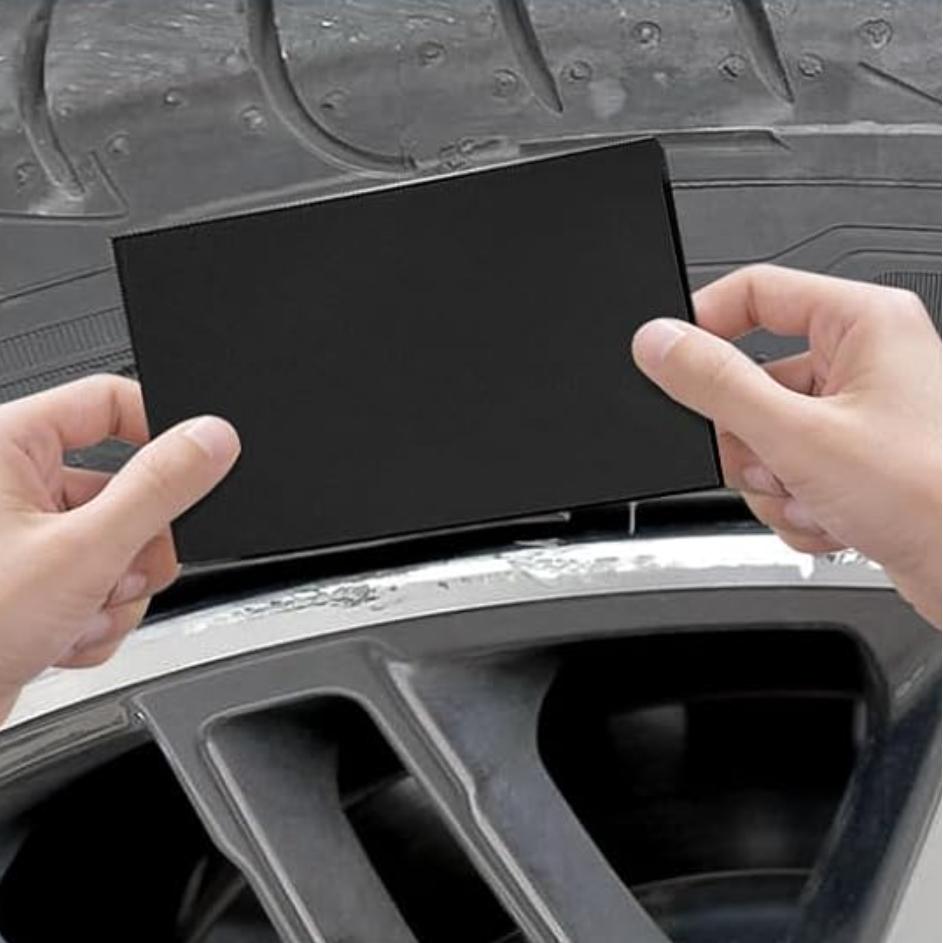
Prep the Area
Before repairing a tire puncture, proper preparation is essential. Cleaning and drying the puncture helps the patch adhere better and extends its lifespan. Use a clean cloth dampened with alcohol to wipe away dirt and grease. Roughen the surface with sandpaper or a metal scraper. This step removes any smooth coating, making the patch easier to adhere. Properly positioning the inner tube and cleaning the surface reduces the risk of leaks and makes the repair more secure and durable.
Tip: Always ensure the repair area is completely dry before proceeding to the next step. Moisture can cause the patch to detach or fail.
Apply the Patch
The basic steps for repairing a tire puncture are as follows:
- Mark the location of the puncture with chalk or a marker.
- Clean and sand the area around the puncture.
- Peel off the backing of the patch.
- Align the patch with the center of the puncture and apply it.
- Press firmly and smooth out any air bubbles.
- Wait 10-15 minutes for the patch to cure before using the inner tube.
SUNSOUL tire patches make the repair process simple. The two-piece adhesive design allows users to easily peel and apply the tire patch without touching the adhesive side. The rounded design prevents the edges from lifting and provides a strong seal that matches the strength of the inner tube.
| Feature | Benefit |
|---|---|
| Split backing | Easy to apply without touching adhesive |
| Strong adhesion | Seals leaks and prevents air loss |
| Durable material | Works for both small and large punctures |
| Global availability | Easy to find in over 60 countries |
Note: Environmental factors such as temperature and humidity can affect the adhesion of the tire patch. High temperatures or humid environments can cause the patch to lift. For best results, always repair in a dry, cool place.
Patch a Bike Tube
The steps to repair a bicycle inner tube are as follows:
- Remove the wheel.
- Remove the inner tube and slightly inflate it.
- Locate the leak by listening for a hissing sound or using soapy water.
- Mark the leak and dry the inner tube.
- Clean and sand the area around the puncture.
- Apply the patch and squeeze out any air bubbles.
- Wait at least 10 minutes before reinstalling the inner tube.
These are the basic steps for repairing a bicycle tire. SUNSOUL patches are suitable for bicycle inner tubes because they adhere quickly and are not easily detached. Riders can rely on the strength of this patch, even for long rides. For best results, it is recommended to carry a tire repair kit with you while riding.
Tip: For inflatable toys or pool toys, use the same steps. Make sure the patch completely covers the puncture and squeeze out any air bubbles.
Check for Leaks
After repairing a tire, it’s essential to always check for leaks. You can inflate the tire and listen for any hissing sounds. Another method is to immerse the tire in water and observe for bubbles. If bubbles appear, the repair isn’t properly sealed. Press the repair area again or replace the patch. For more professional leak detection, professionals use sonic equipment or seismographs, but for most home repairs, water and listening are sufficient.
| Method | Description |
|---|---|
| Listening for air | Simple and effective for small holes |
| Soapy water test | Bubbles show where air escapes |
| Submerging in water | Easy way to spot leaks visually |
| Regular inspections | Prevents future leaks and keeps tubes safe |
After repairing a tire, wait 10-15 minutes before using it. This allows the repair to fully cure and bond firmly. Regular checks help maintain the good condition of bicycle inner tubes and other tubing.
Safety tips: For high-pressure or dangerous airbags, always consult the manufacturer’s guidelines. Use patches with the appropriate pressure rating and check repairs frequently.
Patching a Hole: Key Tips
Dry & Clean
A clean, dry surface helps the patch adhere and extends its lifespan. Be sure to remove burrs, oil, grease, dust, and dirt. Use sandpaper or a scraper to smooth rough edges and clean exposed metal. Overlapping the patch with the liner by at least one inch (2.5 cm) provides a better seal. Applying repair compound to the entire area, including newly cut metal, prevents leaks. These steps help avoid common mistakes that lead to patch failure.
Tip: For stubborn dirt, use a high-speed washer or sandblaster. Always allow the repair area to dry before applying the patch.
Pressure
Proper pressure ensures the patch is firmly in place and prevents leaks. Do not overload the air chamber, as excessive pressure can cause the patch to deform or leak. Always check the manufacturer’s recommended pressure rating before inflating. Fatigue from repeated pressure or vibration can weaken the repair, so regular checks help prevent problems.
| Common Causes of Patch Failure | How to Prevent Them |
|---|---|
| Corrosion | Clean and dry the area well |
| Overloading | Stay within pressure limits |
| Vibration | Inspect repairs often |
Cut-and-Splice
Sometimes, a simple repair won’t solve the problem. If the hole is large or the inner tube is severely damaged, it may be necessary to cut off the damaged section and splice a new inner tube. Use appropriate tools and follow the instructions in the repair kit. Taking the time to carefully perform each step increases the chances of a strong and durable repair.
Remember: Rushing the process or skipping steps can lead to patch failure. Careful work gives the best results.
Anyone can repair a puncture in an inner tube by following simple steps. SUNSOUL tire repair compound is strong and comes with clear instructions. Carrying a repair kit can speed up response and increase the first-time repair rate.
| Metric | Value |
|---|---|
| First-Fix Rate | 70% |
| Response Time | Faster |
Many users report that a proper repair lasts as long as a new tube.
FAQ
How long does a patched inner tube last?
A patched inner tube can last as long as a new one. Many users report that as long as the instructions are followed and a high-quality patch like SUNSOUL tire patch is used, the repair is very reliable.
Can I patch an inner tube without special tools?
Yes. Most tire repair kits include everything you need. All you need is a clean cloth and sandpaper. SUNSOUL tire patch makes tire repair easy for both beginners and experienced users.
What types of inner tubes can SUNSOUL tire patch repair?
SUNSOUL tire patch is suitable for bicycle inner tubes, car tires, vinyl, PVC, polyethylene, and pneumatic inner tubes. This patch has strong adhesion and durability, making it suitable for a variety of uses.