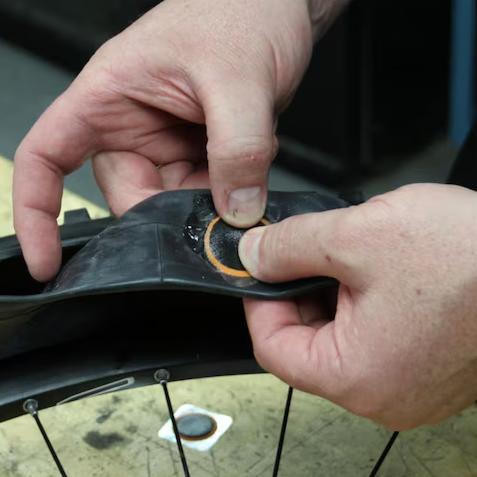

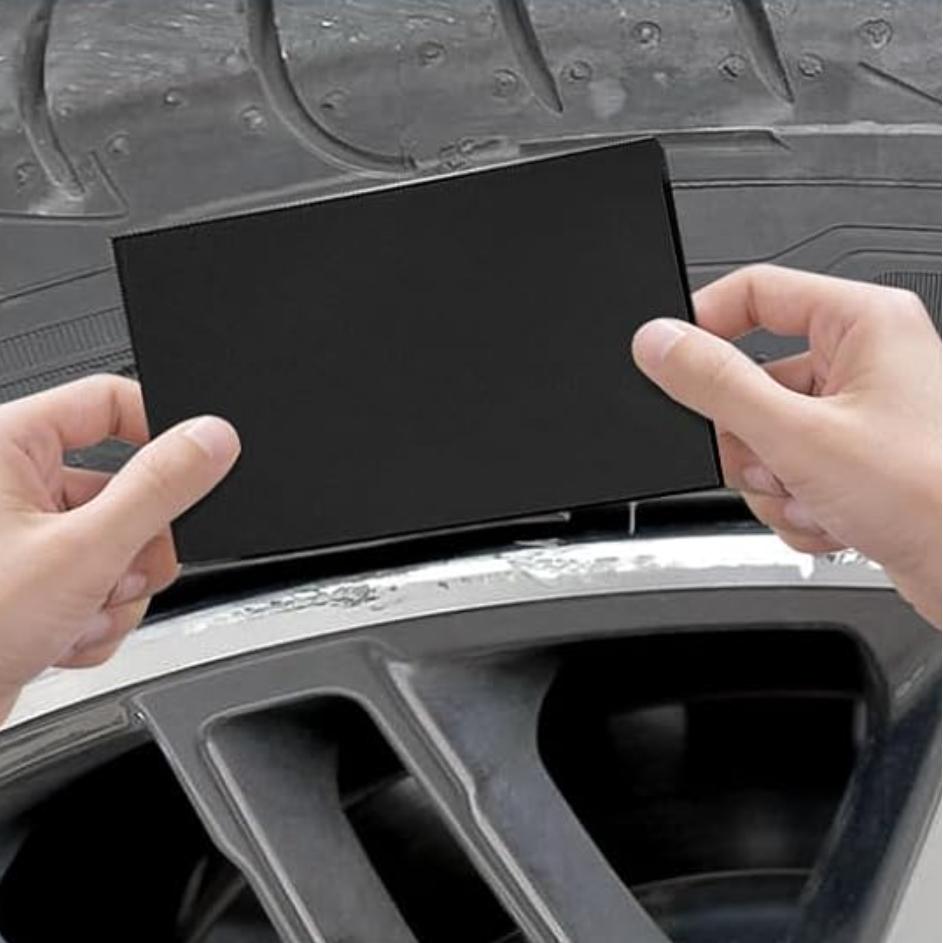
Flat tires are a common problem for drivers due to hazards on the road. The SUNSOUL radial tire patch provides a reliable solution for these situations. Radial tires are vulnerable to punctures from various sources:
Road debris such as nails, screws, and glass can easily damage tires. In the United States, a tire is punctured approximately every seven seconds.
Weather conditions like snow and ice can conceal sharp objects or weaken tires.
Poor road conditions, including potholes, often lead to unexpected tire issues.
Using a high-quality radial patch is essential for extending tire life and ensuring safe driving. The SUNSOUL product stands out among the top tire repair kits for on-road emergencies 2025. Whether you’re a professional or a DIY enthusiast, you can rely on the SUNSOUL radial tire patch to deliver effective and lasting repairs.
Key Takeaways
Anyone can get a flat tire. Use a SUNSOUL radial tire patch to fix holes well and safely.
Get the tools you need first. You need a jack, leak spray, and tire repair things.
Check if the tire is too damaged before you patch it. If the tire has big problems, you should get a new one.
Do each step to put on the patch. Clean the spot, put on cement, and press the patch down hard to make it stick.
Check your fixed tire often for air and damage. This helps the patch last and keeps you safe when you drive.
Tools and materials for your preparing
What you need for patching a radial tire
You need the right tools and materials to fix a radial tire. Experts say these items help you repair your tire safely and well:
You need lifting equipment like a jack or lift.
Good lighting helps you see what you are doing.
Use a bead spreader to open the tire.
Leak detection spray helps you find where the tire is leaking.
An 8-inch blunt awl is used to clean out the hole.
Use an innerliner scraper, cloth, and cleaner to get the surface ready.
A drill, powered by electricity or air, is used for buffing.
Tire crayons help you mark the spot with the puncture.
You need tire repair materials like plug kits, patch kits, string plugs, and sealants.
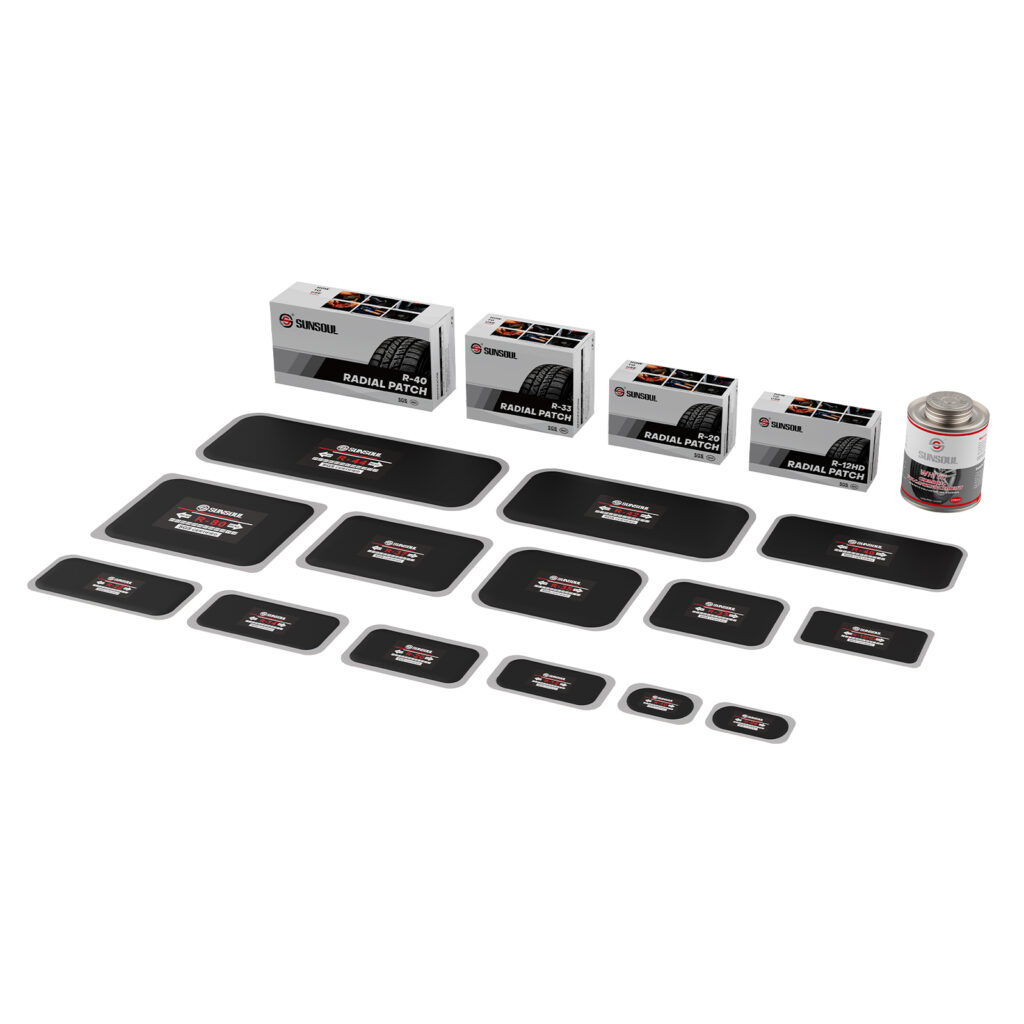
SUNSOUL radial repair patches are important for fixing the tire. These patches come in different types for different tire problems. SUNSOUL also has chemical vulcanizing fluid and pre-buff cleaner to make the patch stick better.
Types of radial patch options
SUNSOUL has several types of radial repair patches for different needs. The table below shows the main choices:
Patch Type | Best Use Case | Features |
|---|---|---|
Standard Radial Patch | Tread punctures | Strong seal, easy to use |
Self-Adhesive Patch | Fast, short-term repairs | No extra glue needed |
Steel Belt Patch | Stronger tire areas | Extra strength for heavy loads |
Sidewall Patch | Sidewall punctures | Flexible, fits curved surfaces |
These patches are made from high-quality natural rubber. They last a long time and seal tightly. SUNSOUL patches have an 18-month warranty, so you know they will last.
Setting up your workspace
A clean and tidy workspace helps you fix the tire better. Work in a bright area with enough space to move around the tire. Keep all your tools and patches close by. Wear gloves and safety glasses to stay safe. Make sure the area is dry and free from dust, so the patch sticks well.
Tip: Tech Tire Supply is a trusted place to buy good tire repair kits and radial repair patches. They sell products made for radial tires, including SUNSOUL patches and adhesives.
Safety precautions before use radial patch
You must think about safety before fixing a tire. Experts and tire makers say to follow some steps. These steps keep you and your car safe during repair. Doing this helps stop accidents and makes sure the fix works.
Lifting and removing the tire safely
Lifting and taking off the tire the right way keeps you safe. Always park on a flat spot and block the wheels. This stops the car from moving. Loosen the lug nuts before you lift the car. Use the right spots for the jack to lift the car. Take off the lug nuts all the way and remove the tire. Put the tire you took off under the car as a backup. This helps if the jack slips. Never try to change a tire on a hill. Use safe lifting moves to protect your back. Always use the right tools like a torque wrench to tighten things.
Step | Description |
|---|---|
Secure the Vehicle | Park on a flat spot, block wheels, set the e-brake |
Loosen Lug Nuts | Loosen lug nuts before lifting the car |
Jack Up the Vehicle | Use the right jack spots and lift the car |
Remove the Flat Tire | Take off lug nuts and remove the tire |
Personal protective equipment
Wearing the right gear keeps you safe while you work. Fixing tires can mean sharp things, loud sounds, and heavy parts. You should wear:
Eye protection
Ear protection
Safety toe work shoes
Gloves help keep your hands safe from sharp things and chemicals. Always use chemicals and glue in a place with fresh air. This stops you from breathing in bad fumes.
Checking for irreparable damage
Some tires are too damaged to fix. Before you use a patch, check the tire for bad damage. The Rubber Manufacturers Association says some damage means you must replace the tire:
Signs of Irreparable Tire Damage | Description |
|---|---|
Structural Damage | Replace if cords are broken or damage is very bad |
Sidewall Issues | Do not fix sidewall or shoulder holes |
Punctures | Big cuts or holes cannot be patched |
If you see any of these problems, ask a pro for help. Never try to fix a tire with sidewall or big damage. Safety is more important than saving money.
Use radial patch patching radial tires step-by-step
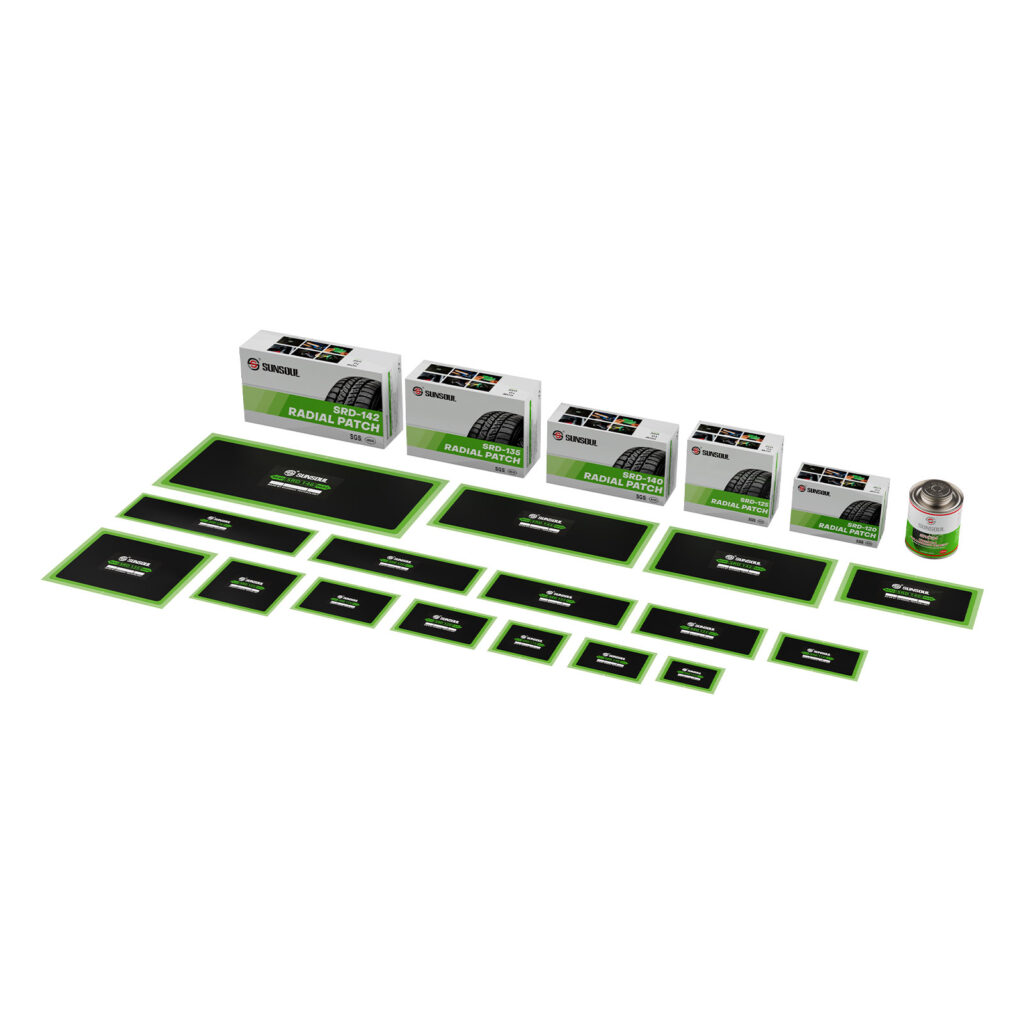
Fixing a tire with a radial patch needs careful work. These steps help you fix the tire safely and make sure the repair lasts.
Remove the tire and wheel
First, take the tire off the wheel. This lets you check the tire closely. You need to:
Take the tire off the rim.
Look for damage that cannot be fixed.
Follow Tire Industry Association rules to see if you can repair it.
Remove any bad parts before you start. This helps the radial patch stick well and last longer.
Locate and mark the puncture
Finding the hole is very important. Here is how you do it:
Fill the tire with air to the right level.
Spray water mixed with dish soap on the tire.
Look for bubbles. Bubbles show where the leak is.
If you do not see bubbles, listen for a hissing sound.
Mark the spot with chalk or a marker.
This makes sure the radial patch covers the right place.
Prepare the area for a radial patch
Getting the area ready is very important. Technicians do these things:
Clean around the hole to get rid of dirt.
Use a buffing tool to make the surface rough.
Keep oil and water away from the area.
Put on a pre-buff cleaner to help get it ready.
Pick the right size and type of radial patch.
A clean and rough surface helps the patch stick better and last longer.
Tip: Always use a chemical vulcanizing agent like the one with SUNSOUL radial patches. This helps the patch stick and makes the repair last.
Apply cement and install the patch
Putting on the patch has a few steps:
Make sure the area is clean and dry.
Spread a thin layer of chemical vulcanizing cement on the spot.
Wait until the cement feels sticky.
Choose the right SUNSOUL radial patch for the damage.
Press the patch down hard so there are no air bubbles.
Use both a patch and a plug for best results. The patch seals the tire. The plug fills the hole. This makes the repair strong and permanent.
Method | Benefits |
|---|---|
Patch | Makes the tire stronger and seals it well |
Plug | Fixes the hole quickly and easily |
Combination | Fixes the tire in the best way |
Using both ways helps the tire stay safe and last longer.
Press, cure, and reassemble
After you put on the patch, finish the repair carefully:
Press the patch down to make sure it sticks.
Let the patch cure for 72 hours so it gets strong. This is what SUNSOUL radial patches need.
Check the repair by putting soap and water on the patch. Look for bubbles that show leaks.
Put the tire in water, a little at a time, to find slow leaks.
Watch the tire pressure for 24 to 48 hours to make sure the repair works.
Balance the tire after you put it back on to stop shaking and uneven wear.
Set the tire pressure to what the maker says.
Check everything before you put the tire back on the car.
Note: Always check the repair before you put the tire back. Using both a patch and a plug keeps the tire safe and helps it last longer.
If you follow these steps, you can fix a radial tire with confidence. Using a SUNSOUL radial patch and doing the job right keeps your car safe and on the road.
Tips for a lasting radial patch repair
Avoiding common mistakes
Many people make simple errors during a tire repair. These mistakes can cause the patch to fail or the tire to lose air. The table below shows common mistakes and how to avoid them:
Common Mistake | How to Avoid It |
|---|---|
Improper Positioning | Use fabric markers for precise alignment. Double-check placement before pressing. |
Insufficient Pressure | Apply firm, even pressure to remove air bubbles and help glue bond. |
Incorrect Curing | Follow the instructions for time and temperature. Never rush the curing process. |
Glue Seepage | Use a thin, even layer of cement. Wipe away extra glue right away. |
Tip: Always inspect the tire for hidden damage before starting the repair. This step helps prevent patch failure later.
Ensuring a strong patch seal
A strong seal keeps the tire safe and the repair long-lasting. Follow these steps for the best results:
Prepare the tire surface. Mark the area and use a scuffer to roughen it.
Apply rubber cement evenly. Wait until it feels tacky.
Position the patch over the puncture. Make sure it lines up correctly.
Press the patch down firmly. Use a buffer tool to remove trapped air.
Let the patch dry fully before putting the tire back on.
A well-sealed patch can last for the rest of the tire’s life, sometimes up to ten years or 40,000 miles.
Monitoring your tire after repair
Checking the tire after a repair helps catch problems early. Use these tips:
Check the tire’s air pressure often. Low pressure can stress the patch.
Rotate tires on schedule. This keeps wear even and protects the repaired area.
Inspect the tire for bulges, cracks, or uneven tread wear.
Watch for signs of moisture getting inside. A good seal keeps water out.
Note: Regular checks help the repair last and keep the tire safe for driving.
Fixing a radial tire with a SUNSOUL Radial Tire Patch takes careful work and safety. You need to follow the steps and use good products for a strong fix. Fixing your tire has some good points:
More people are fixing tires because it saves money.
Repairing tires helps the planet by making less tire trash and keeps car care cheap.
Aspect | DIY Repair Risks | Professional Repair Benefits |
|---|---|---|
Safety | Bad repairs can make your car unsafe | Experts follow strong safety rules |
Legal Liability | Mistakes can get you in trouble | Pros use strict repair rules |
Expertise | You need special tools and skills | Experts have training and know what to do |
Drivers should always think about safety first. If you are not sure, ask a pro for help.
FAQ
How long does a tire repair with a radial patch last?
A quality tire repair using a radial patch can last for the remaining life of the tire. When installed correctly, the patch creates a strong seal. Regular checks help keep the tire safe and extend its use.
Can anyone perform a tire repair at home?
Many people can do a tire repair at home with the right tools. They must follow each step carefully. Using a proper patch and checking the tire helps ensure a safe repair. Reading instructions before starting is important.
What types of damage can a tire repair fix?
A tire repair can fix small punctures in the tread area. The patch works best for holes caused by nails or screws. Large cuts or sidewall damage need a new tire. Always inspect the tire before starting any repair.
Why is a patch better than a plug for tire repair?
A patch covers the inside of the tire and seals the area. This method gives a stronger and longer-lasting tire repair. Plugs fill the hole but may not stop leaks. Using both a patch and a plug gives the best results.
How can someone check if a tire repair worked?
After a tire repair, fill the tire with air. Spray soapy water on the patch area. If no bubbles appear, the patch sealed well. Monitor the tire pressure for a few days. A steady pressure means the repair succeeded.