
Repairing tires with cold vulcanizing fluid involves just a few key steps. First, remove the tire and inspect its inside and out. Then, locate the puncture and assess its extent. Next, clean and prepare the repair area. Afterward, apply the vulcanizing fluid according to the instructions and attach the patch. Finally, once the repair is secure, reinstall the tire. SUNSOUL tire patches help achieve strong and durable repairs, making tire repair easy for everyone.
- Remove Tire and Inspect
- Inspect Damage Area
- Prepare Repair Area
- Apply Vulcanizing Fluid
- Attach Patch
- Reinstall Tire
Key Takeaways
- Before starting the repair, always ensure the tire area is clean and dry. This helps the cold vulcanizing fluid adhere better.
- Apply a thin, even layer of cold vulcanizing fluid for optimal adhesion. Too much or too little fluid can result in a weak repair.
- After attaching the patch, check underneath for air bubbles. If bubbles are present, remove them to smooth the repair and prevent leaks.
- Before installing the tire, inspect the repair area by observing and gently tapping it. This ensures the patch adheres firmly.
- Using high-quality materials, such as SUNSOUL vulcanized tire patches, will result in a more durable repair. Proper preparation and procedures help you drive more safely.
Surface Preparation Before use cold vulcanizing fluid
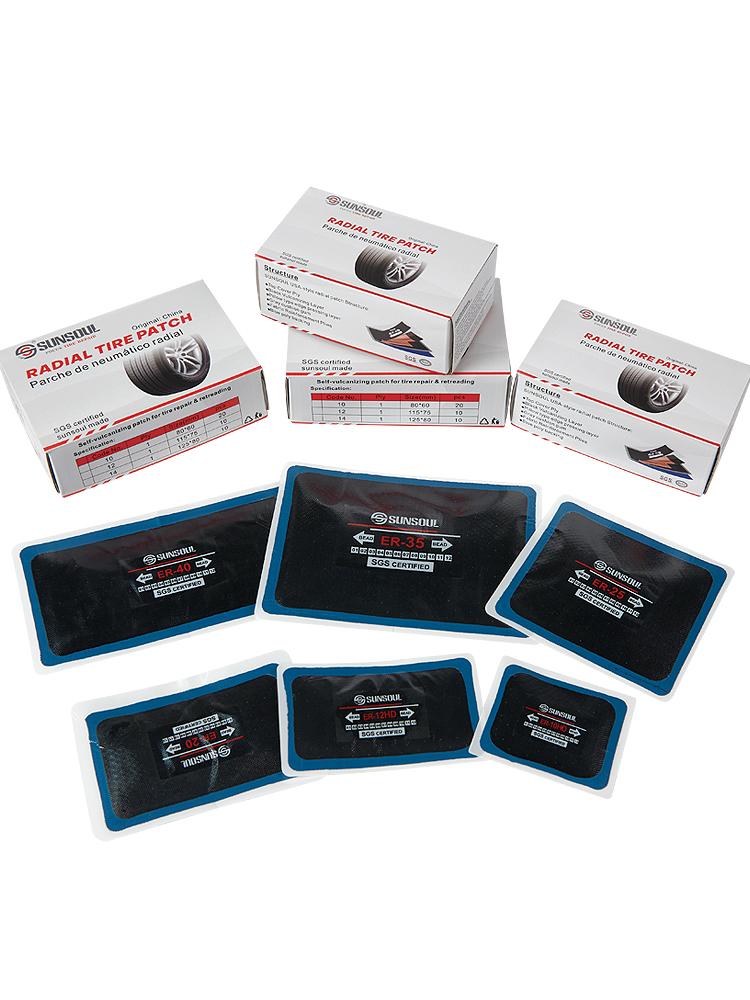
Clean and Dry the Area
Clean and dry the tire area is the first step in any repair. It removes dirt, grease, and old glue from the surface. This step is crucial because any residual contaminants will affect the adhesion of the cold curing fluid. Old glue can be removed using a solvent wipe or sandpaper. After cleaning, the repair area should be completely dry. Moisture or oil can weaken the adhesion, causing the patch to fail. SUNSOUL recommends following these steps for every repair. Their quality standards focus on ensuring the patch is strong and durable.
Tip: Always deflate the tire before starting. This makes cleaning easier and safer.
Roughen and Test Surface
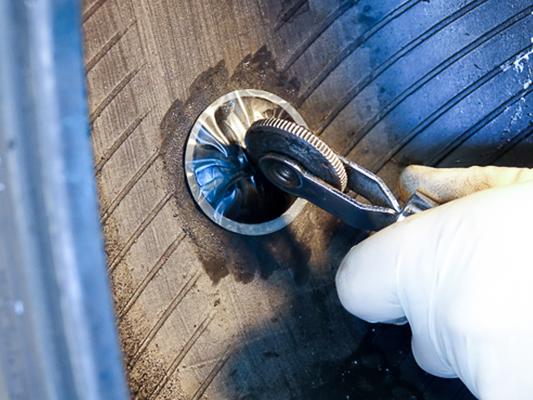
After cleaning, the surface around the damaged area needs to be roughened by grinding. Use a polisher or sandpaper to grind an area slightly larger than the patch. This step helps the patch and cold vulcanizing liquid bond firmly. A rough surface enhances the adhesion of the adhesive. After grinding, the area should be inspected to ensure its surface is rough and uniform. If the surface is too smooth, the patch may not bond firmly. Proper grinding can reduce the risk of another tire blowout and speed up the repair process.
- Clean, grind, apply, clamp, cure: This method yields the best results.
- Repairs should be performed on the tread area. Sidewall damage usually means the tire needs to be replaced.
- Using manufacturer-recommended materials and following safety guidelines ensures safe repairs.
A clean, rough tire surface is the most important factor for a successful tire repair. SUNSOUL vulcanized tire patches perform best after the tire has been carefully prepared. You can trust that following these steps will help the patch last longer and ensure tire safety.
Apply Cold Vulcanizing Fluid
Even Application Techniques
When using cold vulcanizing compound, it’s crucial to master the correct technique. This helps the patch bond firmly and extends its lifespan. First, ensure the surface is clean and dry. Any dirt or oil will affect the effectiveness of the vulcanizing compound. Cut the hose tip to the appropriate length and open the seal. When applying the vulcanizing compound, maintain a consistent angle between the applicator and the repair area.
Here are some simple steps for even application:
- Clean the repair area with solvent to remove all dirt and oil.
- Cut the hose tip and open the seal.
- Maintain a stable angle between the applicator and the repair area.
- Extrude the vulcanizing compound in a smooth line.
- Move slowly, ensuring complete coverage of the entire area, leaving no blind spots.
- Work in a well-ventilated area. This helps the vulcanizing compound dry and prevents odors from spreading.
- Refer to the instruction manual to understand how long the vulcanizing compound needs to cure.
Tip: Always read the SUNSOUL tire vulcanizing patch instructions before starting. This will help you achieve the best results.
Recommended Thickness
Proper thickness is crucial for a strong bond. Only a thin, even layer of cold vulcanizing liquid is needed. The optimal thickness is approximately 0.1 to 0.15 mm. Too much vulcanizing liquid can cause the patch to slip or poorly adhere. Too little vulcanizing liquid may leave dry, unbonded areas.
The table below lists the application methods for different tire problems:
| Tire Condition | How to Apply Fluid | Extra Notes |
|---|---|---|
| Aging Tires | Use with a reinforcing patch | Good for small cracks and slow leaks |
| Minor Flaws | Clean, buff, dry, then apply a thin layer | Let it cure for 15–30 minutes before adding a patch |
| Bead Leaks | Apply as recommended | Helps seal and hold air, but not for big damage |
He should always follow the SUNSOUL product guidelines. These steps help the patch bond well and last longer.
Note: Using the wrong type of sealant or not letting the fluid cure can cause the repair to fail. He should always check the instructions and wait the right amount of time.
Thoroughly cleaning the surface, using the correct sealant, and allowing it to fully cure can prevent common mistakes. Follow these steps for best results with SUNSOUL vulcanized tire patches. This will ensure your tire is safe and ready to drive.
Patch Bonding Steps with Cold Vulcanizing Fluid
Align and Press Patch
First, ensure the glue is dry. This helps keep the tire loose and prevents the patch from lifting. Next, peel off the perforation in the polyethylene film and tear it in half. This will expose the cushioning layer in the center of the patch.
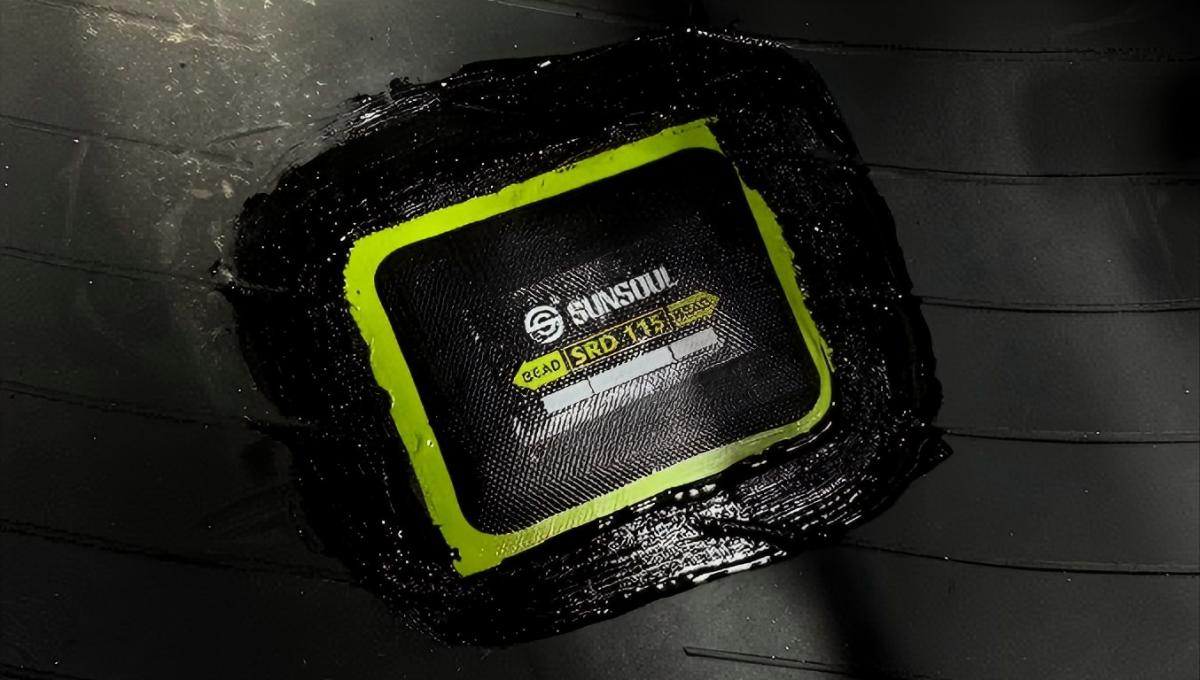
Fold the patch and align the bead arrow with the tire bead. Center the patch over the damaged area. If the patch is not positioned correctly, lift it and try again. Once the patch is in the correct position, press the center of the patch with your thumb or the side of your palm. Press firmly, moving outwards from the center. This helps the patch adhere firmly.
Here are the main steps for repairing a tire:
- Let the glue dry and loosen the tire.
- Tear the polyethylene film in half.
- Keep the cushioning layer clean.
- Align the patch with the tire bead.
- Align the patch with the damaged area.
- Press firmly from the center outwards.
The principle behind this method is that the chemicals in the cold vulcanizing fluid break down the existing sulfur bonds in the rubber. Pressing the patch creates new sulfur bonds, resulting in a stronger and more durable bond than glue.
Remove Air Bubbles
He should check under the patch for air bubbles. Air bubbles can cause leaks and weak points. To remove air bubbles, he can use a roller or his thumb. He should start from the center and press towards the edges. This will smooth the patch surface and ensure complete adhesion.
If he sees air bubbles, he can gently lift the edge of the patch and press again. He should continue this process until the patch feels smooth and even. Good patch adhesion prevents leaks and ensures tire safety.
The table below compares the working principles of cold vulcanization and hot vulcanization:
| Method | Bond Strength | Durability |
|---|---|---|
| Hot Vulcanization | Stronger and longer-lasting | Suitable for heavy loads |
| Cold Vulcanization | Weaker bond strength | Less durable |
He should also consider weather factors. In cold or wet environments, special primers or adhesives can be used for better results.
Tip: Always check for air bubbles before completing the repair. A smooth patch means a safer tire.
Inspection and Troubleshooting After use cold vulcanizing fluid
Visual and Tap Test
He should always inspect the repair before reinstalling the tire on the vehicle. A simple visual inspection can immediately spot any problems. He can check under the patch for gaps, loose edges, or air bubbles. If the patch looks smooth and even, that’s a good sign.
A tap test is also helpful. He can gently tap the patch with a small tool or his knuckles. A crisp sound indicates a good bond. A hollow sound may mean there’s air trapped underneath. If a problem is found, he should fix it before using the tire.
Tip: If possible, he should always check both sides of the tire. This helps ensure the repair is thorough.
The durability of repairs done using this method is impressive. In one test, a technician repaired a Goodyear Regatta tire (size P215/75R15) after it was punctured with a nail. They examined the repair using X-rays and holograms. After two indoor tests and a 40,000-mile (approximately 64,000 km) road test, the tire showed no leaks before or after the tests. Test Items
| Test Aspect | Details |
|---|---|
| Tires Used | Goodyear Regattas, size P215/75R15 |
| Puncture Method | Nails driven at an angle using a jig |
| Pre-Test Procedure | 25 miles at 50 MPH before repair |
| Repair Check | X-ray and holographic exams for air |
| Testing Trials | Two indoor tests, 40,000-mile road test |
| Results | No air leakage before or after testing |
Fix Common Issues
Sometimes, patches won’t adhere or the tire will still leak. He can fix most problems by following these steps:
- Clean the patch area and apply a thin layer of cold vulcanizing adhesive. Wait for the adhesive to become slightly tacky.
- Align the patch with the puncture and press firmly.
- Use a tire stitcher to press from the center outwards. This will expel any remaining air.
- Slightly inflate the tire and check for leaks.
If he follows these steps, he can fix most common problems. SUNSOUL vulcanized tire patches and cold vulcanizing fluid form a strong and durable bond. This repair method restores the tire’s strength, allowing the driver to continue using the tire until the end of its life, provided the damage is within repairable limits.
Note: He should always check the manufacturer’s instructions for best results. Careful inspection and troubleshooting keep the tire safe and reliable.
With just a few simple steps, he can achieve a strong and lasting tire repair. First, he should clean the damaged area and strictly follow each step. Next, he needs to choose the appropriate vulcanization method based on the extent of the damage. He should regularly inspect the tire and drive safely. Using high-quality patches like SUNSOUL helps extend the repair’s effectiveness. Developing these habits will ensure safe and confident driving on every journey. 🚗