

Patching a tire can save money and keep drivers safe on the road. Many truck owners choose a truck tire patch from SUNSOUL because it offers a strong and lasting repair. Using a vulcanized patch works best for small punctures in the tread. A quality tire patch like SUNSOUL helps extend tire life and supports the environment. Truck tire patches handle heavy loads and tough conditions with ease, making them a smart choice for anyone who needs reliable repairs.
Key Takeaways
Fixing a tire with a patch can help you save money. It also helps the tire last longer. Use a good patch like SUNSOUL for strong repairs.
Patch only small holes in the tread. The hole should be less than 1/4 inch wide. Do not patch holes in the sidewall. This keeps you safe.
Always wear gloves and safety glasses when you patch a tire. Safety is very important when fixing tires.
Follow these steps: find the hole, check the tire, put on the patch, and look for leaks.
Check your tires often and keep the right air pressure. This helps stop problems and keeps you safe.
When to Use a Truck Tire Patch
Truck owners sometimes ask if a truck tire patch is the right fix. Knowing when to patch a tire keeps trucks safe and saves money. SUNSOUL has different patch types, like vulcanizing and cold patches, for many repair needs. These patches work best on tires that can be safely fixed.
Types of Damage to Patch
Tire damage is not always the same. Some damage can be patched, but some needs a new tire. Most tires that can be fixed have small holes in the tread. Nails or sharp things on the road often cause these holes. The hole should be smaller than 1/4 inch wide and at least 1/2 inch from the tread edge. The tire must have enough tread left and no inside damage.
Small holes in the tread, less than 1/4 inch wide
Damage from nails or sharp things on the road
Tires with no belt separation or inside damage
Enough tread left and not too old
Tip: Always look inside the tire for hidden damage before you start fixing it.
When Not to Patch a Tire
Some tires are not safe to fix. Do not patch sidewall holes or big damage. Patching these spots can cause blowouts or bad driving. The table below shows when a tire can be patched:
Criteria for Patching a Tire | Description |
|---|---|
Location of Puncture | In the tread, not the sidewall or shoulder |
Size of Hole | No bigger than 1/4 inch (6 mm) wide |
Internal Damage | No extra inside damage or belt separation |
Tread Depth | Enough tread left, not too old or worn |
If a tire has a hole in the sidewall or belt separation, it cannot be fixed. Getting a new tire is the safest choice.
Safety Before Patching
Safety is most important before fixing a tire. Always wear gloves and eye protection. Use a buffer to roughen the area around the hole. Put on a thin layer of vulcanizing fluid and let it dry. Press the patch over the hole and use a roller to push it down. Let the patch cure for at least 10 minutes. Fill the tire with air and check for leaks with soapy water.
Note: If you are not sure about the damage or how to fix it, ask a tire expert for help.
Using a truck tire patch from SUNSOUL saves money and helps the planet. Fixing and retreading tires makes less waste and uses less oil. This is a smart and green choice for truck owners.
Tools and Materials for Patching the Tire
Essential Tools Checklist
You need the right tools to patch a truck tire safely. Each tool helps make the repair last longer. SUNSOUL says you should use all the needed equipment. This helps the patch stick well and keeps the tire safe.
Use an air die grinder and grinding stone to clean the area.
Pick the SUNSOUL truck tire patch that fits the hole.
Vulcanizing adhesive makes the patch stick strong.
Use a tire gauge to check the air pressure.
Sealing lubricant helps put the patch in place.
You need valve cores, valve caps, and valve extensions.
Use good pliers and hex tools to take out sharp things.
Needle and rasp tools with T-handles help get the hole ready.
Keep a spare needle just in case.
Have extra repair rubber for different fixes.
Wear gloves and safety glasses to stay safe.
Tip: Always put on gloves and safety glasses before you start. Safety is the most important thing.
Preparing the Work Area
Keep your work area clean and neat to avoid mistakes. Put the tire on a flat surface with bright lights. Get all your tools and materials ready before you begin. Make sure the SUNSOUL patch kit has everything you need.
SUNSOUL heavy-duty truck tire patch kits are easy to use and high quality. The table below shows how SUNSOUL is better than other brands:
Feature | SUNSOUL Heavy Duty Tire Repair Kit | Competitors |
|---|---|---|
Quality of patches | High-quality, large volumes | Varies |
Adhesion | Strong vulcanizing gum | Often weaker |
Patch shape | Round for durability | Typically square |
Ease of use | Simple for all puncture sizes | May require skills |
Global trust | Trusted worldwide | Varies |
After-sales support | Excellent and fast | Limited |
Value for price | Good value | Often overpriced |
Many people like SUNSOUL kits because they stick well and are easy to use. One person said the patches work even on big holes. Another person liked the fast shipping and safe packaging. SUNSOUL kits are a good choice for truck drivers who want safe and strong repairs.
Patching the Tire with SUNSOUL Truck Tire Patch
Locate and Mark the Puncture
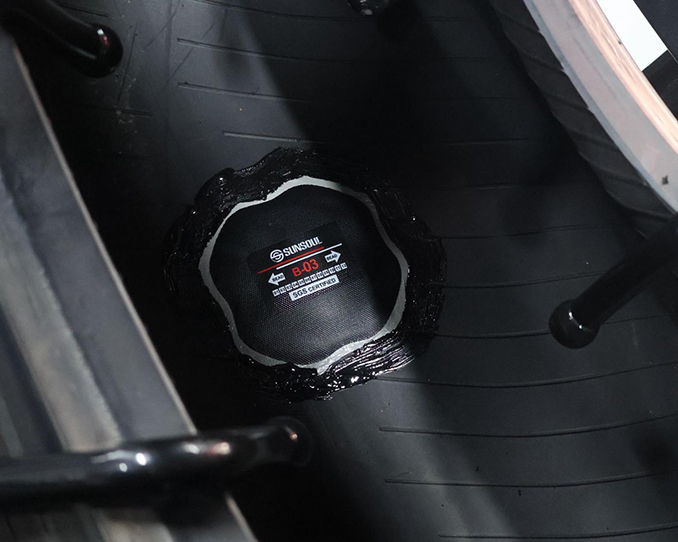
Finding the leak is the first step in the tire repair process. Technicians often use a soapy water solution to help with finding the leak. They mix water and liquid soap, then apply it to the tire’s surface. Bubbles form where air escapes, showing the puncture location. After finding the leak, they remove the tire from the vehicle. They check the tread and sidewall for sharp objects or visible holes. If the puncture is not easy to see, they inflate the tire and listen for a hissing sound. Once they find the spot, they mark it with chalk or a marker. Marking the area helps keep the repair accurate.
Remove Tire and Inspect
After marking the puncture, they remove the tire from the rim. This step allows a full inspection inside and out. They look for cracks, separations, or signs of damage from driving on a flat tire. They also check for any previous repairs that might have failed. The technician cleans and buffs the area around the puncture to prepare for the truck tire patch. For steel belted truck tires, the maximum safe puncture diameter is 3/8 inch. If the damage is too large or in the sidewall, they do not patch a tire and recommend replacement.
Apply Truck Tire Patch
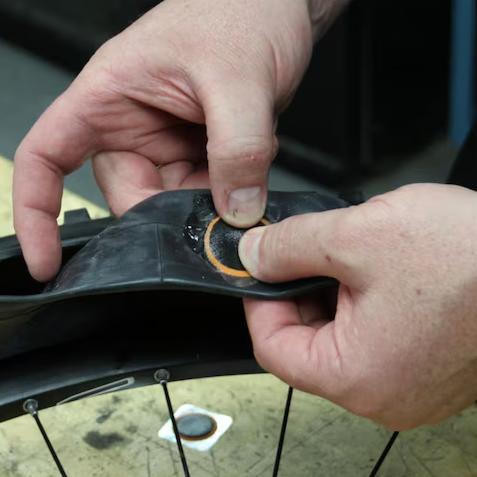
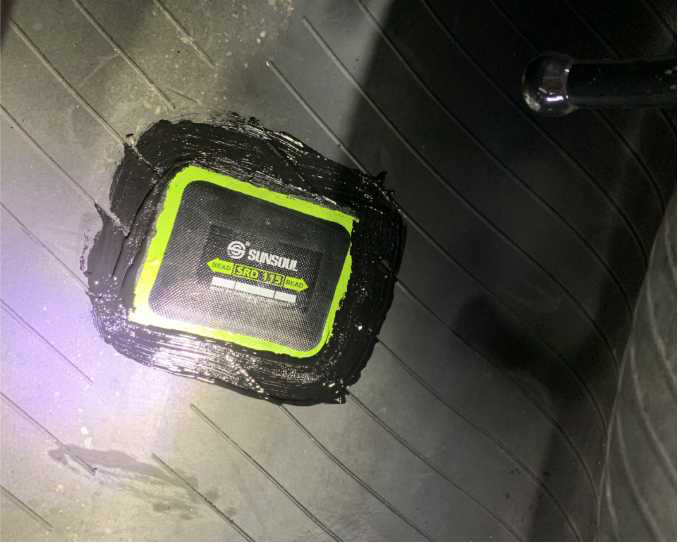
Applying the SUNSOUL truck tire patch requires careful steps. The technician trims away any loose material around the puncture. They buff the area inside the tire and clean it with a professional cleaner. Next, they apply a thin, even layer of vulcanizing adhesive and let it dry. They center the one-piece repair unit over the puncture and press it down firmly. Following SUNSOUL’s instructions ensures the patch bonds well and lasts longer. For cold vulcanization, they wait until the adhesive feels tacky before placing the patch.
Ensure Proper Adhesion and Check for Leaks
After placing the patch, the technician leaves the protective cover on and allows the patch to cure fully. They mount the tire back on the rim and inflate it to the recommended pressure. To check for leaks, they spray soapy water on the repair area and look for bubbles. If no bubbles appear, the repair is secure. Regular maintenance, proper inflation, and routine inspections help prevent future problems. SUNSOUL recommends following each step closely to ensure a safe and durable repair.
Reinstall and Final Checks
Mount Tire on Rim
The technician puts the tire back on the rim. They work slowly to protect the patch and tire bead. The patch must stay flat and tight inside the tire. A tire mounting machine helps press the tire evenly. Both the rim and tire need to be clean. No dirt or rocks should be inside. Only trained technicians should do this job. Good repairs mean taking out damaged rubber and filling the hole. The patch seals the inside of the tire. Plugs alone are not enough for a safe fix. Patches give better repairs. Only patch holes in the tread, not the sidewall or shoulder. Tires with big holes or worn tread should not be fixed.
Inflate and Balance
Next, the technician fills the tire with air. They use a tire gauge to check the pressure. The right air pressure helps the tire last longer. Then, they balance the tire and wheel together. Balancing stops shaking and uneven wear. It also makes the ride smooth. Every time a tire goes back on a wheel, it must be balanced. This keeps the tire from wearing out too soon.
Inspect and Test Drive
The technician looks at the tire and rim for leaks or damage. They spray soapy water to find bubbles near the patch and bead. No bubbles means the repair is good. The technician suggests a short test drive to check the fix. They listen for strange sounds and feel for shaking. Checking tires often keeps them safe. Look for damage every day before driving. Check tires every 5,000 to 10,000 miles and every three months. Always inspect tires before long trips for extra safety.
Tip: Check your truck tires often and fix them the right way to stay safe on the road.
A SUNSOUL truck tire patch helps truck owners fix tires safely. They do four steps: find the hole, look at the tire, put on the patch, and check for leaks. Good patches stick well and stop leaks. They also save money over time. The table below shows how patches are different:
Feature | High-Quality Patch (SUNSOUL) | Lower-Quality Patch |
|---|---|---|
Durability | Superior | Inferior |
Adhesion | Strong and reliable | Weak |
Cost Savings | Long-term savings | Frequent replacements |
Performance | Reliable in all conditions | Unreliable |
Leak-proof Sealing | Yes | No |
Truck owners should check their work two times. If the tire has big damage, ask a pro for help. Learning how to fix tires makes people feel sure and keeps trucks safe.
FAQ
How long does a SUNSOUL truck tire patch last?
A SUNSOUL truck tire patch can last for the remaining life of the tire if applied correctly. Regular inspections help ensure the patch stays secure and the tire remains safe.
Can anyone patch a truck tire, or should a professional do it?
Anyone with the right tools and instructions can patch a truck tire. However, a professional ensures the repair meets safety standards. For large or unclear damage, always seek expert help.
What is the difference between a patch and a plug?
A patch covers the inside of the tire and seals the hole. A plug fills the hole from the outside. SUNSOUL recommends patches for stronger, longer-lasting repairs on truck tires.
Is it safe to drive long distances on a patched truck tire?
Yes, a properly patched truck tire is safe for long trips. Always check the tire pressure and inspect the patch before starting a journey.
Can a SUNSOUL patch fix sidewall damage?
No, a SUNSOUL patch should not repair sidewall damage. Only use patches for tread punctures. Sidewall repairs are unsafe and require tire replacement.