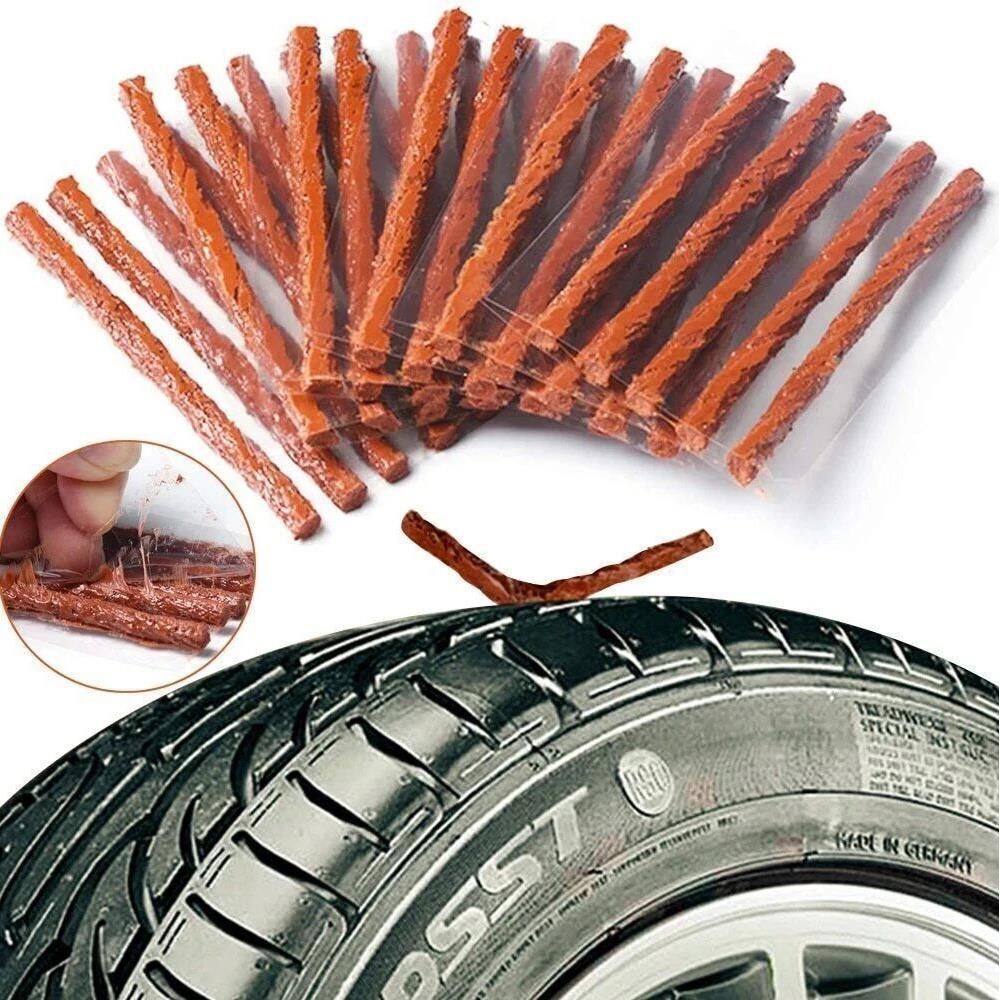


The global Tire Repair Patch Market is projected to reach USD 765.06 Million by 2032, reflecting the need for dependable tire repair solutions. A superior tire repair relies on vulcanization. The vulcanization process creates a permanent bond between a patch and a tire. This process uses a fluid to chemically vulcanize the patch rubber with the inner tube rubber, forming a single piece of vulcanized rubber. This method creates exceptionally strong vulcanized rubber.
Did You Know? Flat tires are a significant issue, accounting for nearly 20% of all roadside service requests. A proper tire patch repair is essential.
The durability of this vulcanization process ensures the patch becomes a seamless part of the tire. The vulcanizing tire patch offers lasting durability. This vulcanization process turns the rubber patch and tire rubber into unified vulcanized rubber, making the vulcanizing inner tube patches a top-tier repair. The rubber patch is a permanent fix, not a temporary patch. The vulcanizing tire patch process makes the rubber patch part of the tire’s rubber.
The Chemistry Behind Vulcanization
The strength of vulcanizing inner tube patches comes from a specific chemical reaction. This science transforms a simple patch and a damaged tire into a single, durable unit. Understanding this process reveals why it is the superior method for tire repair.
What is Vulcanization?
Vulcanization is a chemical process that enhances the properties of rubber. Before its invention, natural rubber had major flaws. It became sticky and gooey in the heat and turned hard and brittle in the cold. Charles Goodyear discovered the vulcanization process by accident. He found that heating rubber with sulfur created a stable, flexible material that could withstand temperature changes.
The vulcanization process fundamentally changes the rubber at a molecular level. It converts the long, separate polymer chains of raw rubber into a connected, three-dimensional network. This transformation is the key to creating strong and elastic vulcanized rubber. The process makes the rubber more resilient and resistant to deformation, turning a flawed material into a highly useful one for applications like a tire.
The Role of the Chemical Accelerator
The original vulcanization process required a lot of heat and time. Modern repairs use a chemical accelerator, often found in vulcanizing fluid, to improve the process. An accelerator is a substance that speeds up the cross-linking reaction between sulfur and the rubber molecules. This action shortens the required vulcanization time and reduces the amount of heat needed for the process to work.
These accelerators are complex chemical compounds that make the vulcanization process efficient, even at room temperature. Common types of accelerators include:
- Dithiocarbamates: These are sulfur-bearing chemicals that are very effective for high-speed vulcanization.
- Thiadiazoles: These compounds help create strong cross-links that are resistant to heat and solvents.
- Diethylthiourea: This activator works with other compounds to improve the tensile strength and hardness of the vulcanized rubber.
By facilitating rapid cross-link formation, the accelerator ensures the patch bonds quickly and permanently to the tire.
How a Patch and Tube Become One
The magic of the vulcanization process happens when the patch and the inner tube merge into a single structure. This is not a simple adhesive bond; it is a complete molecular fusion. The rubber in both the patch and the tire tube contains reactive locations called ‘cure sites.’ When the vulcanizing fluid is applied, the accelerator and sulfur go to work.
The vulcanization reaction is exothermic, meaning it releases a small amount of heat as the chemical bonds form. This helps drive the process forward, ensuring a complete and permanent bond for the tire.
Sulfur atoms form strong chemical bridges between the cure sites on the patch and the cure sites on the tire. These sulfur bridges cross-link the polymer chains of the two separate pieces of rubber. This intricate process weaves the molecules of the patch and the tube together, creating a unified network structure. The result is a seamless piece of vulcanized rubber. The patch is no longer a separate item on top of the tire; it has become an integral part of the tire itself, sharing its strength and flexibility. This is why the vulcanization process creates a permanent repair.
Why Vulcanizing Inner Tube Patches Are Superior
The vulcanization process offers significant advantages over simple adhesive patches. This chemical method creates a repair with superior strength, resilience, and durability. Understanding these benefits shows why vulcanizing inner tube patches are the top choice for a quality tire repair.
Unmatched Strength and Elasticity
The vulcanization process creates a repair that is incredibly strong. It chemically fuses the tire patch to the tire, forming a single, unified piece of vulcanized rubber. This fusion means the patch is no longer a separate layer; it becomes part of the tire itself. The resulting vulcanized rubber shares the same elasticity as the surrounding rubber. This allows the patch to stretch and flex with the tire during use. This flexibility is critical for durability, as it prevents the repair from cracking or peeling away under stress. The quality of this bond ensures excellent performance and safety.
Resistance to Heat and Pressure
A tire endures significant heat and pressure while driving. The vulcanization process prepares the rubber patch for these harsh conditions. The chemical cross-linking of vulcanization creates a stable vulcanized rubber that resists heat far better than standard rubber. This enhanced durability ensures the repair maintains its integrity.
- Heat cure repair units require curing temperatures of 260°F and higher.
- Dual cure repair units can achieve vulcanization at room temperature or with added heat.
Hot patches, a type of vulcanizing tire patch, operate at very high temperatures, which activates the vulcanization. This process results in a repair with exceptional heat resistance, contributing to the tire’s overall safety and long-lasting performance. This quality makes the vulcanizing tire patch a reliable tire repair solution.
A Permanent Tire Repair Solution
A properly applied vulcanizing tire patch creates a permanent bond. This repair can last for the entire lifespan of the inner tube, offering excellent longevity. The vulcanization process makes an airtight seal, restoring the tire’s function. The quality of the vulcanized rubber ensures the repair is robust. However, industry standards for a complete tire repair require more than just a patch.
A plug by itself or a patch by itself is not an acceptable repair because the plug does not permanently seal the innerliner and the patch does not fill the void left by the penetrating object, which allows water to enter the body of the tire and starting corroding the steel belts.
For a comprehensive tire repair that ensures maximum safety, professionals also fill the injury channel. This prevents moisture from damaging the tire’s internal structure. While the vulcanization of the tire patch provides a permanent seal on the liner, a complete repair addresses the entire injury for total tire integrity.
How to Fix a Flat Tire with a Vulcanizing Tire Patch

A person can fix a flat tire with a professional-grade repair. The process requires attention to detail. Following these steps ensures the vulcanizing tire patch creates a permanent bond, restoring the tire’s integrity and safety. This guide explains the correct method for a lasting tire repair.
Step 1: Critical Surface Preparation
Proper surface preparation is the foundation of a successful tire repair. The goal is to create a clean, textured surface where the vulcanization process can occur. A smooth, shiny rubber surface prevents the patch from fusing correctly. The preparation process begins with locating the puncture in the flat tire. Next, a person must prepare the area around the hole. This step is essential for a quality repair.
The user needs specific tools for this task. Most tire patch kits include the essentials.
- Sandpaper or a fine emery cloth to abrade the rubber.
- A clean rag and alcohol to remove all dirt, oil, and debris.
A person should scuff an area slightly larger than the patch itself. The ideal texture after scuffing is dull and uniform. The rubber should look gray and feel slightly fuzzy. One must avoid pressing too hard during this process. Creating deep grooves can weaken the tire and compromise the repair and its safety. A properly prepared surface allows the vulcanizing fluid to penetrate the rubber for a strong chemical reaction. This preparation is a critical part of the vulcanization process.
Step 2: Applying SUNSOUL Vulcanizing Fluid
With the surface ready, the next step involves the chemical accelerator. A person applies a thin, even layer of SUNSOUL Vulcanizing Fluid over the entire scuffed area. This fluid is not a glue; it is a chemical agent that starts the vulcanization process. The quality of the application affects the final bond. Too much fluid can create a weak layer, while too little will result in an incomplete vulcanization.
The drying time is a crucial part of this step. The fluid must be allowed to dry correctly before applying the tire patch. The required state depends on the type of vulcanization.
For a hot vulcanization repair, the fluid must dry completely. It should not feel tacky to the touch. For a cold vulcanization repair, the fluid should dry until it feels tacky.
Applying the patch to wet fluid traps solvents. This blockage prevents the chemical reaction, leading to a failed repair. Patience during this stage of the process is key to achieving a successful fix and ensuring long-term safety. This step prepares the rubber for the final stage of vulcanization.
Step 3: Applying the Patch for a Chemical Bond
This final step completes the tire repair process. It brings the patch and tire together to form a single, unified piece of rubber. After the vulcanizing fluid has reached its tacky state, a person should carefully center the vulcanizing tire patch over the puncture. They must press it down firmly. The chemistry of vulcanizing inner tube patches creates a permanent bond by rebuilding the rubber’s molecular structure.
Applying firm and even pressure is essential to initiate the vulcanization. This action removes trapped air bubbles and ensures full contact between the two surfaces. A person can use several techniques to apply pressure.
- Rub firmly from the center of the patch outward.
- Roll a hard object, like a CO2 cartridge or a screen roller, over the patch.
- Use strong finger pressure across the entire surface of the patch.
This pressure helps the vulcanization process create strong covalent bonds, fusing the patch and the tire. The result is a seamless, airtight fix that is as strong and flexible as the original rubber. This quality makes the vulcanizing tire patch a superior solution for a flat tire. The completed repair restores the tire for safe use. This final part of the process ensures the tire patch becomes an integral part of the tire.
Common Mistakes to Avoid in Tire Repair

Achieving a durable tire repair depends on the correct application of a vulcanizing tire patch. People can make simple errors that compromise the quality and safety of the repair. Avoiding these common mistakes ensures the vulcanization process creates a permanent bond, restoring the tire’s integrity. A quality tire repair is essential for vehicle safety.
Skipping the Scuffing Step
A person might skip the scuffing step to save time. This is a critical mistake in any tire repair. The vulcanization process requires a properly prepared surface. A smooth, shiny rubber surface prevents the chemical reaction from starting. The patch will not fuse with the tire rubber. This mistake results in a weak repair that will fail. A proper repair demands a textured surface for the patch to bond correctly. Scuffing the rubber creates the ideal foundation for a strong tire patch. This step is vital for the quality of the tire repair and overall safety. The patch cannot become part of the tire without it.
Applying the Patch Too Soon
Patience is crucial after applying the vulcanizing fluid. Applying the tire patch to wet fluid is a frequent error. This action traps solvents underneath the patch. The trapped solvents block the chemical reaction of vulcanization. The rubber of the patch and the rubber of the tire cannot fuse. The repair will not hold air.
To ensure a successful repair, a person must allow the fluid to dry completely. The surface should not feel tacky when touched. This simple test confirms the tire is ready for the patch.
This waiting period allows the vulcanization to proceed correctly. A proper tire patch application depends on this step for a quality repair and lasting safety. The tire needs this time for a successful vulcanization.
Using Insufficient Pressure
The final step of applying the patch requires firm, even pressure. Some people fail to apply enough force. This mistake prevents a successful vulcanization. Pressure initiates the chemical bond between the tire rubber and the patch rubber. It also removes any trapped air bubbles. Without enough pressure, the vulcanizing tire patch will not form a complete seal. The result is a weak repair that can leak or peel away from the tire. This compromises the safety of the tire. A quality repair needs strong pressure to ensure the patch and tire become a single piece of rubber. This action completes the tire repair process.
The durability of a tire repair comes from the vulcanization process. This vulcanization creates a permanent bond. The process turns the patch and tire rubber into unified vulcanized rubber. A successful fix depends on this vulcanization. Mastering the tire repair process for vulcanizing inner tube patches ensures longevity and top performance. This tire repair fix provides excellent durability. The vulcanization of the inner rubber patch creates vulcanized rubber. The vulcanization of the tire rubber patch enhances tire performance and durability. The vulcanization of the tire rubber patch creates vulcanized rubber. The vulcanization of the tire rubber patch creates vulcanized rubber. The vulcanization of the rubber patch improves the repair. The vulcanization of the rubber patch improves the repair. The vulcanization of the rubber patch improves the repair. The vulcanization of the tire rubber patch creates vulcanized rubber with great durability and performance.
FAQ
What makes a vulcanizing patch different from a sticker patch?
A vulcanizing patch chemically fuses with the tire rubber. This process creates a single, unified piece of rubber. A sticker-style patch uses simple adhesive. It only sticks to the surface of the rubber and is a temporary fix for the tire.
Can a person reuse a vulcanizing patch?
A person cannot reuse a vulcanizing patch. The process creates a permanent chemical bond. This reaction permanently fuses the patch rubber to the inner tube rubber.
Important: The bond is irreversible, making the repair a one-time application for that specific tire.
How long does a vulcanized repair last?
A correctly applied vulcanized repair is permanent. It can last for the entire lifespan of the tire. The process creates a seamless piece of rubber. This new structure shares the same strength and flexibility as the original tire material.