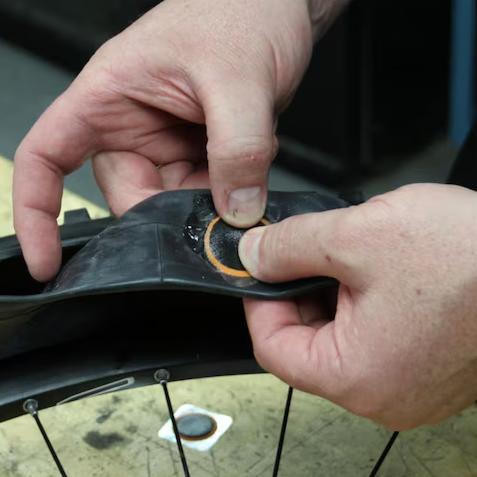


You want a safe and lasting solution for your tire. An interior tire patch gives you strong protection inside your tire. You trust your tire every day, so you need repairs that last. Interior tire patch technology seals the damage and keeps your tire working longer. SUNSOUL interior tire patch helps you avoid sudden problems on the road. You save money with interior tire patch because it extends the life of your tire. Choose interior tire patch for tire repair you can count on.
Tip: SUNSOUL interior tire patch helps you drive with confidence and peace of mind.
What Is an Interior Tire Patch?

How an Interior Tire Patch Works Inside Your Tire
You may wonder how an interior tire patch helps your tire stay strong after a puncture. When you use this repair method, you get a patch that sits inside the tire, right over the damaged area. The patch uses several layers to create a tight seal. Here is what you find in a quality tire patch:
- Flexible Rubber Layer
- Strong Adhesive Material
- Removable Protective Layer
Special rubber compounds in the patch match the tire’s original rubber. Activator chemicals help the patch bond with the tire. Reinforcement layers add strength, so the patch can handle high pressure and friction. Chemical patches fuse with the tire’s rubber through vulcanization. This process makes the repair much stronger than simple plug methods.
When you repair a tire with an interior patch, you stop air from leaking out. You also prevent water and dirt from getting inside the tire. This keeps the tire safe and helps it last longer. You can trust this method for many types of tires, including those on cars, trucks, and bikes.
Why an Interior Tire Patch Is Superior to Other Repair Methods
You have several choices when you fix a tire puncture. Interior tire patches stand out because they offer a better seal and longer life. Let’s compare the process:
| Step | Description |
|---|---|
| 1 | Remove the tire from the rim to access the inner liner. |
| 2 | Locate the puncture and clean the hole using a tire reamer. |
| 3 | Apply adhesive to both the patch and the cleaned area. |
| 4 | Install the patch and allow it to cure. |
| 5 | Remount the tire and inflate it to the proper psi. |
Other methods, like plugs, do not require you to remove the tire from the rim. Plugs are quick, but they do not last as long. Patches can last seven to ten years or for the rest of the tire’s life. You get a repair that stays strong, even when you drive on rough roads.
You want a tire patch that keeps your tire safe and helps you avoid future problems. Interior patches give you peace of mind. You know your tire can handle daily use and sudden stops. This method works for many tire sizes and types. You protect your tire and save money over time.
Key Benefits of Using an Interior Tire Patch
Superior Seal and Long-Lasting Durability
You want your tire to stay strong after a repair. An interior tire patch gives you a superior seal that keeps air inside the tire. The patch bonds tightly to the inner liner, creating a barrier that stops leaks. This method uses special rubber compounds and adhesives that match the tire’s original material. You get a repair that can handle daily driving, rough roads, and sudden stops.
A properly installed tire patch can last for the entire life of the tire. You do not need to worry about the patch coming loose or failing. Many drivers find that a patched tire performs just as well as a new one. You can trust this method for a long-lasting repair that keeps you safe on the road.
Note: A tire patch, when applied by a professional, can last as long as the tire itself. This means you get more value from every tire you own.
Enhanced Tire Safety and Blowout Prevention
Safety is your top priority when you drive. An interior tire patch helps prevent dangerous blowouts. The patch covers the damaged area from the inside, stopping air and moisture from reaching the tire’s inner layers. This reduces the risk of sudden failure.
You protect your tire from further damage by sealing the puncture completely. The patch also keeps dirt and debris out, which helps the tire stay strong. You can drive with confidence, knowing your tire repair will hold up under pressure.
| Safety Feature | Benefit to You |
|---|---|
| Strong inner seal | Prevents air loss |
| Moisture protection | Stops rust and corrosion |
| Reinforced structure | Reduces blowout risk |
You want to avoid unexpected problems on the road. An interior tire patch gives you peace of mind every time you drive.
Cost-Effectiveness and Extended Tire Life
You save money when you choose an interior tire patch for your tire repair. This method gives you a permanent fix, so you do not need to replace the tire right away. Patches create a strong seal from the inside, which makes them ideal for long-term use. You avoid the cost of buying a new tire and get more miles from your current one.
- Tire patching can extend the lifespan of a tire, allowing for continued safe driving.
- A patched tire, when done professionally, can last the entire remaining life of the tire.
- The use of a plug-patch combo creates a permanent seal, eliminating the need for replacement.
Manufacturers often recommend patches for permanent repairs, especially for larger punctures. This shows that patches offer better durability and safety over time compared to plugs. You get a solution that is both reliable and affordable.
Tip: Choosing an interior tire patch helps you get the most out of every tire. You keep your vehicle running safely and avoid extra expenses.
Professional-Grade Results Compared to Plugs and External Patches
When you want the best repair for your tire, you need to look at how different methods perform. Professional-grade interior tire patches give you results that stand out from plugs and external patches. You get a repair that not only seals the damage but also helps your vehicle perform better on the road.
A tire patch works by covering the damaged area inside the tire. This method uses a special rubber patch that bonds tightly to the inner surface. The process involves cleaning the area, applying adhesive, and then using heat and pressure to vulcanize the patch. This creates a strong seal that keeps air inside and blocks out water and dirt.
You may wonder how this affects your driving. A high-quality tire patch improves several key aspects of your vehicle’s performance. The table below shows how a professional repair impacts your ride:
| Aspect | Impact on Vehicle Performance |
|---|---|
| Grip | A larger contact patch increases grip and traction, especially in adverse weather conditions like rain or snow. |
| Steering Response | An appropriately sized patch enhances steering response and handling capabilities, improving the driving experience. |
| Braking Performance | A larger contact patch improves braking performance, reducing the risk of accidents during emergencies. |
You get more than just a sealed tire. You get better grip, which helps you stay safe in rain or snow. Your steering feels more responsive, so you can handle curves and turns with confidence. Braking becomes more reliable, which lowers your risk in sudden stops.
Let’s compare this to other repair methods. A tire plug only fills the hole from the outside. It does not bond with the inner liner of the tire. This can leave gaps where air or moisture might get in. External patches stick to the outside of the tire, but they do not offer the same level of protection or durability. Over time, these repairs can fail, especially under high pressure or heavy loads.
With a professional-grade tire patch, you get a repair that lasts. Here is what sets this method apart:
- The patch covers the damaged area from the inside, creating a complete seal.
- Vulcanization bonds the patch to the tire’s rubber, making the repair part of the tire itself.
- The repair supports the tire’s structure, helping it handle daily driving and tough conditions.
- You can use this method for many types of tires, including those on cars, trucks, and bikes.
Tip: Always choose a professional-grade tire patch for the most reliable and long-lasting repair. You protect your tire and improve your vehicle’s safety.
When you use a high-quality tire patch, you get results that match or even exceed the original strength of the tire. You avoid the risks that come with plugs or external patches. Your tire stays strong, your ride feels smooth, and you drive with peace of mind.
When and How to Use an Interior Tire Patch
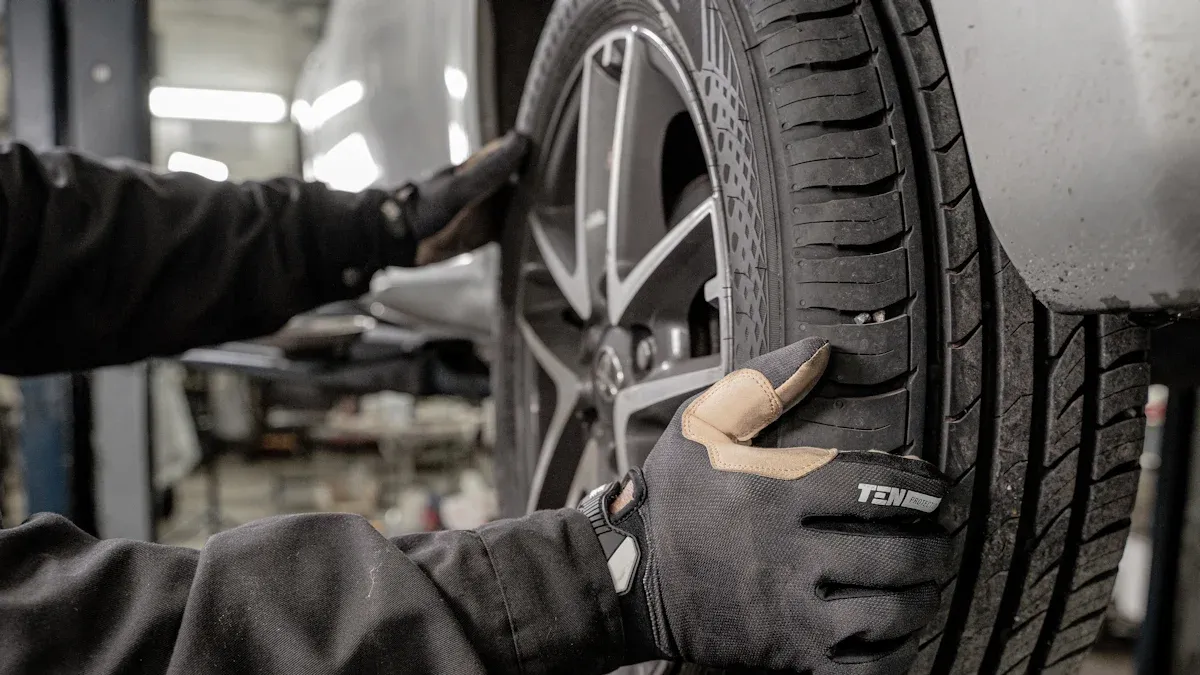
Best Situations for Interior Tire Patch Repairs
You want to know when an interior tire patch is the right choice. This method works best for certain types of damage. You can use it to fix a flat tire if the puncture is in the crown portion of the tire. Most repairs work for holes smaller than 1/4 inch in diameter in the tread. If you have a fabric-ply tire, you can patch injuries up to 1/4 inch (6mm). For steel belted tires, you can fix punctures up to 3/8 inch (10mm). You should not use this method for sidewall damage or large cuts. Always check the location and size of the injury before you start a tire repair.
- Punctures in the crown area
- Holes smaller than 1/4 inch for fabric-ply tires
- Injuries up to 3/8 inch for steel belted tires
- Flat tire caused by tread puncture
Tip: Remove the tire from the rim and inspect it carefully before you fix any damage.
Basic Installation Process for a Tire Patch
You can fix a flat tire with an interior patch by following a step-by-step process. First, remove the tire from the rim. Inspect the tire for damage, especially the inner liner. Use a die grinder to smooth and buffer the area around the puncture. Apply vulcanizing cement after buffing. Select a patch that covers the injury and extends at least 1/2 inch beyond it. Peel the patch from its backing and handle it only by the edges. Center the patch over the hole and press it down. Use a roller to apply pressure and ensure a tight seal. Remount the tire and inflate it. Test the tire to make sure the fix holds.
Installation Steps:
- Remove tire from rim and inspect for damage.
- Smooth and buffer the puncture area.
- Apply vulcanizing cement.
- Select and center the patch.
- Press and roll for full adhesion.
- Remount and inflate the tire.
- Test the repair.
Note: Tire manufacturers recommend using both a plug and a patch for a complete tire repair. Never overlap repairs.
Why SUNSOUL Interior Tire Patches Stand Out
You want a tire repair that lasts. SUNSOUL interior tire patches offer features that make them a top choice for fixing a flat tire. These patches use natural rubber for strong and durable repairs. They bond tightly for a lasting seal and handle extreme heat and cold. SUNSOUL patches have 20% more tear resistance than many competitors. They meet DOT and ECE R109 certifications. You get a 1-year warranty for peace of mind. The kit includes non-flammable vulcanizing cement, making it safe to use. Cold patch technology allows you to fix a tire quickly without heat. Independent tests rate SUNSOUL as the best overall kit for quality and support.
| Feature | Description |
|---|---|
| Strong Adhesion | Bonds tightly for a lasting seal |
| Durability | Handles extreme heat and cold |
| Tear Resistance | 20% more tear resistance than many competitors |
| Certification | DOT and ECE R109 certified |
| Warranty | 1-year warranty for peace of mind |
- SUNSOUL patches are RoHS certified and meet global safety standards.
- You can fix a flat tire quickly and safely with SUNSOUL products.
- You get reliable sealing and strong adhesion every time.
Callout: SUNSOUL interior tire patches help you fix your tire with confidence and keep you safe on the road.
Common Questions and Concerns About Tire Patch Repairs
Safety and Reliability of Interior Tire Patches
You want to know if interior tire patches keep you safe on the road. When you repair a punctured tire, you need a method that works under tough conditions. Experts recommend using a patch and plug together for the best results. This combination seals the tire from the inside and fills the hole, making the repair strong and reliable. You should only patch small punctures, less than 1/4 inch in diameter, and always check for other damage before starting. If the tire has sidewall damage or bubbling, you must replace it instead of patching.
Here is a table showing common concerns and what they mean for your tire:
| Concern | Description |
|---|---|
| Professional Intervention | Seek expert help for large or multiple punctures, or sidewall damage. |
| Internal Damage | Plugs or patches alone may not fix hidden problems inside the tire. |
| Tread Separation | Poor repairs can cause the tread to separate, leading to major tire failure. |
You should inspect your tire regularly after a repair. This helps you catch any problems early and keeps you safe.
Tip: Always follow professional advice when repairing your tire. Safety comes first.
Compatibility with Different Tire Types and Sizes
You may wonder if interior tire patches work for all tires. Most patches fit standard car, truck, and bike tires. You can repair holes less than one inch in diameter, as long as the damage is on the tread and at least 1/4 inch away from the sidewall. You can patch a tire up to three times, but only if each repair meets these rules.
Some specialty tires, like run-flat models, have special rules. Manufacturers like Dunlop and Bridgestone allow repairs if the inner liner is undamaged. Pirelli does not recommend repairs for run-flat tires because it is hard to check for hidden damage. Always check your tire’s manual or ask a professional before patching.
| Manufacturer | Repair Policy |
|---|---|
| Dunlop | Allows repairs if the inner liner is undamaged. |
| Bridgestone | Advises inspecting the tire’s inner liner to determine if it’s safe to repair. |
| Pirelli | Does not recommend repairs due to difficulty in assessing damage from driving on a flat tire. |
Note: Always inspect the inside of your tire before patching. This helps you avoid unsafe repairs.
Warranty and Manufacturer Recommendations for Tire Patch Use
You want your tire repair to last. Many manufacturers recommend using interior patches for small tread punctures. They advise against patching sidewall damage or holes larger than a quarter-inch. If you follow these guidelines, you keep your tire safe and maintain its warranty. SUNSOUL patches meet global standards and come with a one-year warranty, giving you extra peace of mind.
Regular checks after patching help you spot problems early. You should always follow the instructions from your tire’s manufacturer. This keeps your tire in good shape and helps you drive safely.
Callout: Following manufacturer recommendations ensures your tire repair is safe and reliable.
You want a repair that keeps your tire safe and strong. Interior tire patches give you a dependable fix for almost any tire problem. Many professionals in over 60 countries trust SUNSOUL for quality and reliability. When you choose an interior patch, you help your tire last longer and avoid costly replacements. You can drive with peace of mind, knowing your tire repair will hold up. Make the smart choice for your tire and your safety.
Tip: Always check your tire after a repair to keep your vehicle running smoothly.
FAQ
Can you drive right after installing an interior tire patch?
You can drive once the patch cures. Most patches set in minutes. Always check the instructions on your patch kit. Test the tire for leaks before you hit the road.
Tip: Wait for the recommended cure time to ensure a strong seal.
How many times can you patch the same tire?
You can patch a tire up to three times if the damage is in the tread area. Each patch must cover a separate puncture. Never overlap patches or repair sidewall damage.
| Number of Patches | Safe? |
|---|---|
| 1-3 | Yes |
| 4+ | Not Safe |
Do interior tire patches affect tire performance?
You get reliable performance with a properly installed patch. The patch seals the damage and keeps air inside. Your tire handles daily driving, rough roads, and sudden stops without problems.
Are SUNSOUL interior tire patches compatible with all tire types?
You can use SUNSOUL patches on cars, trucks, bikes, and agricultural vehicles. Always check the tire’s manual for special requirements. SUNSOUL patches fit most standard tire sizes and models.
Note: Specialty tires may need extra inspection before repair.